4 hours·English
5.0(5)
Calligraphy Lesson, Tea Ceremony, & Kobe Beef Lunch in Kobe
Free cancellationHotel pickup includedLunch
Book a certified Kobe beef lunch, not a line outside a locked counter. A reserved teppanyaki seat at a registered steakhouse, a 120 g steak set with soup, salad and grilled vegetables, then Nada sake tastings after. Same grade as dinner, midday prices, one booking.
"A trip highlight! Kind, patient staff, my name written in kanji at calligraphy, and first-time Kobe beef, worth the hype. Traditional culture, no crowds, no waiting. 5/5!"
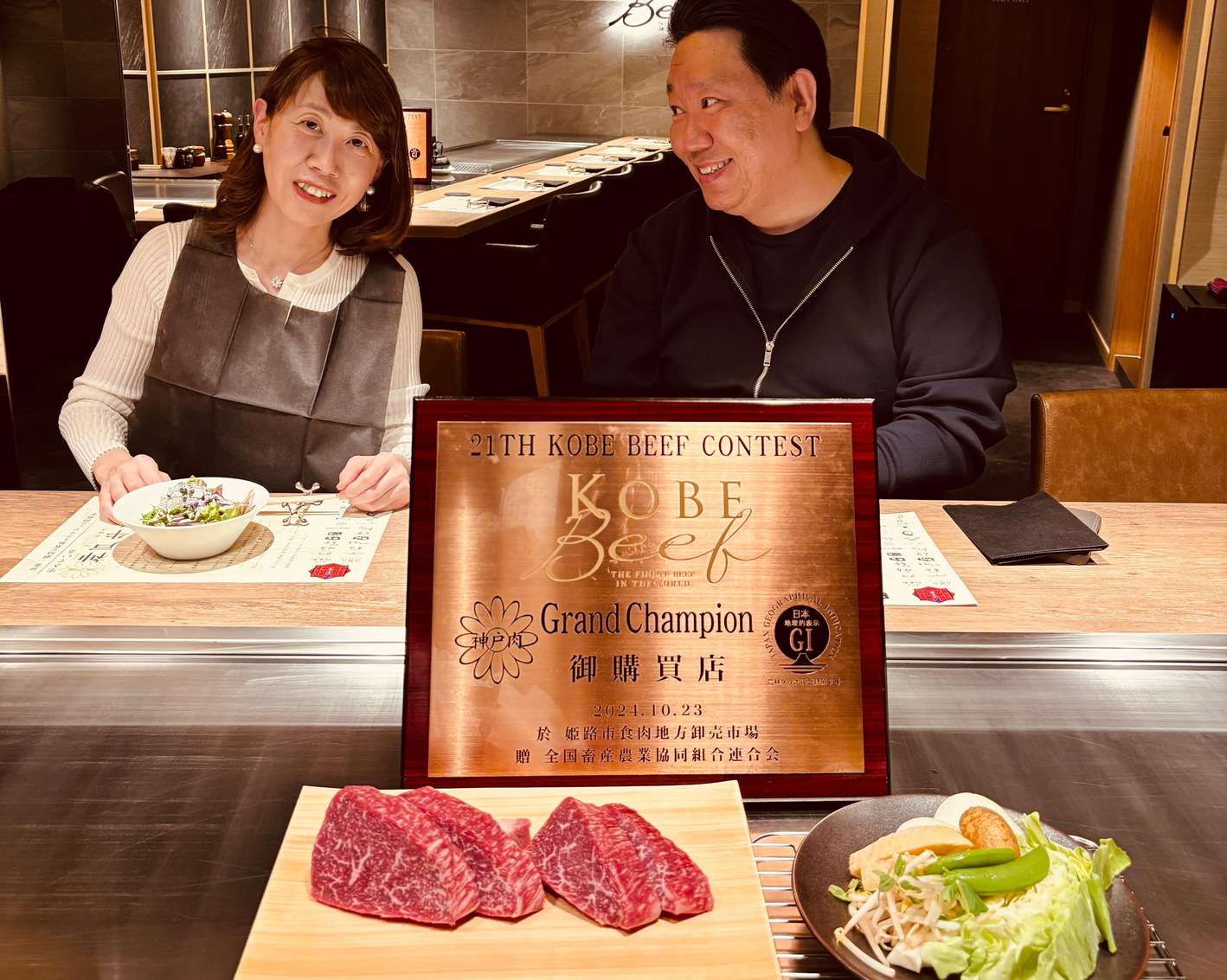
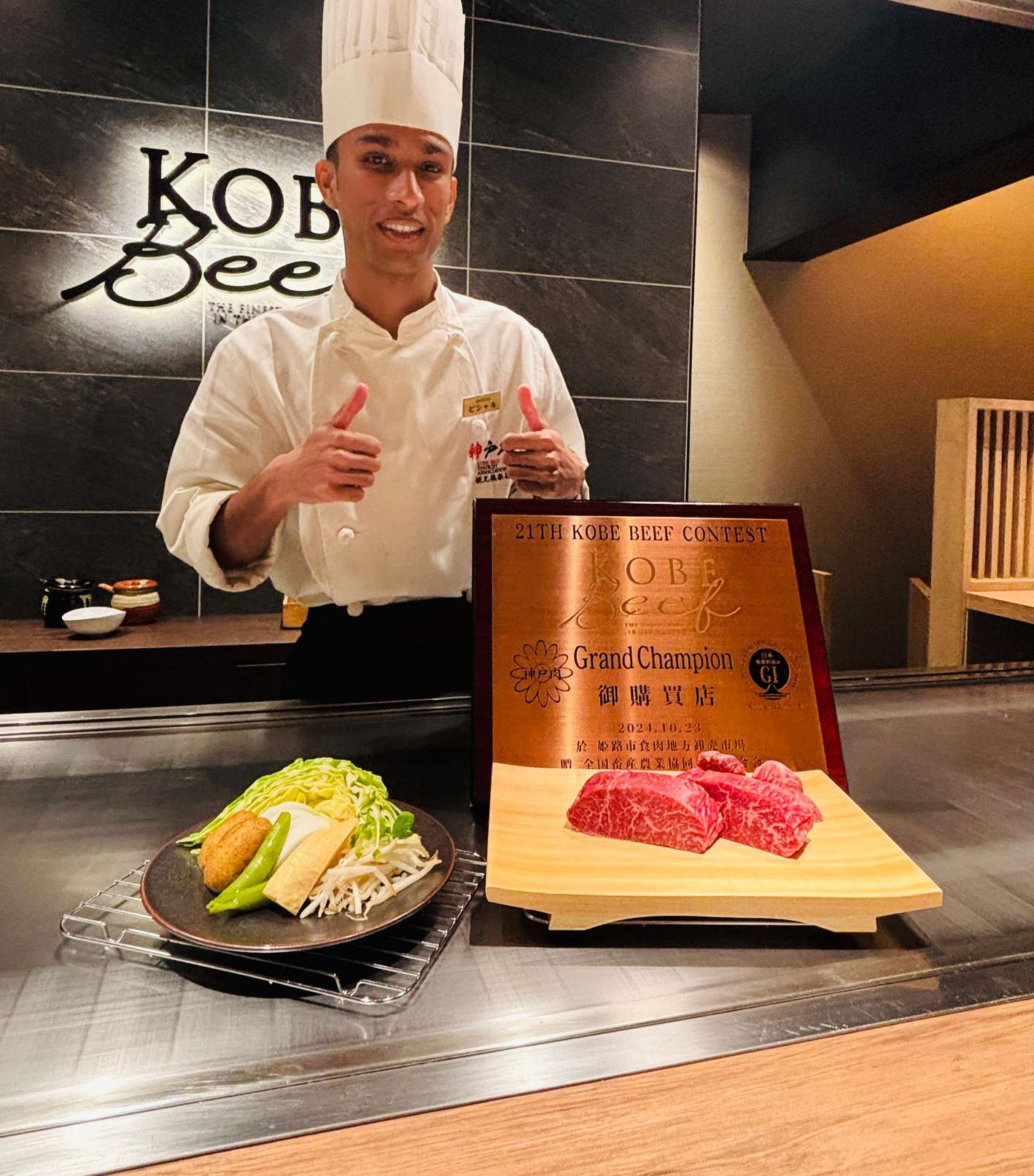
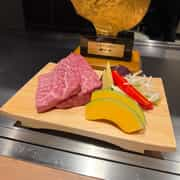
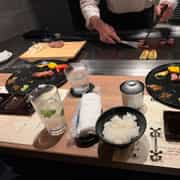
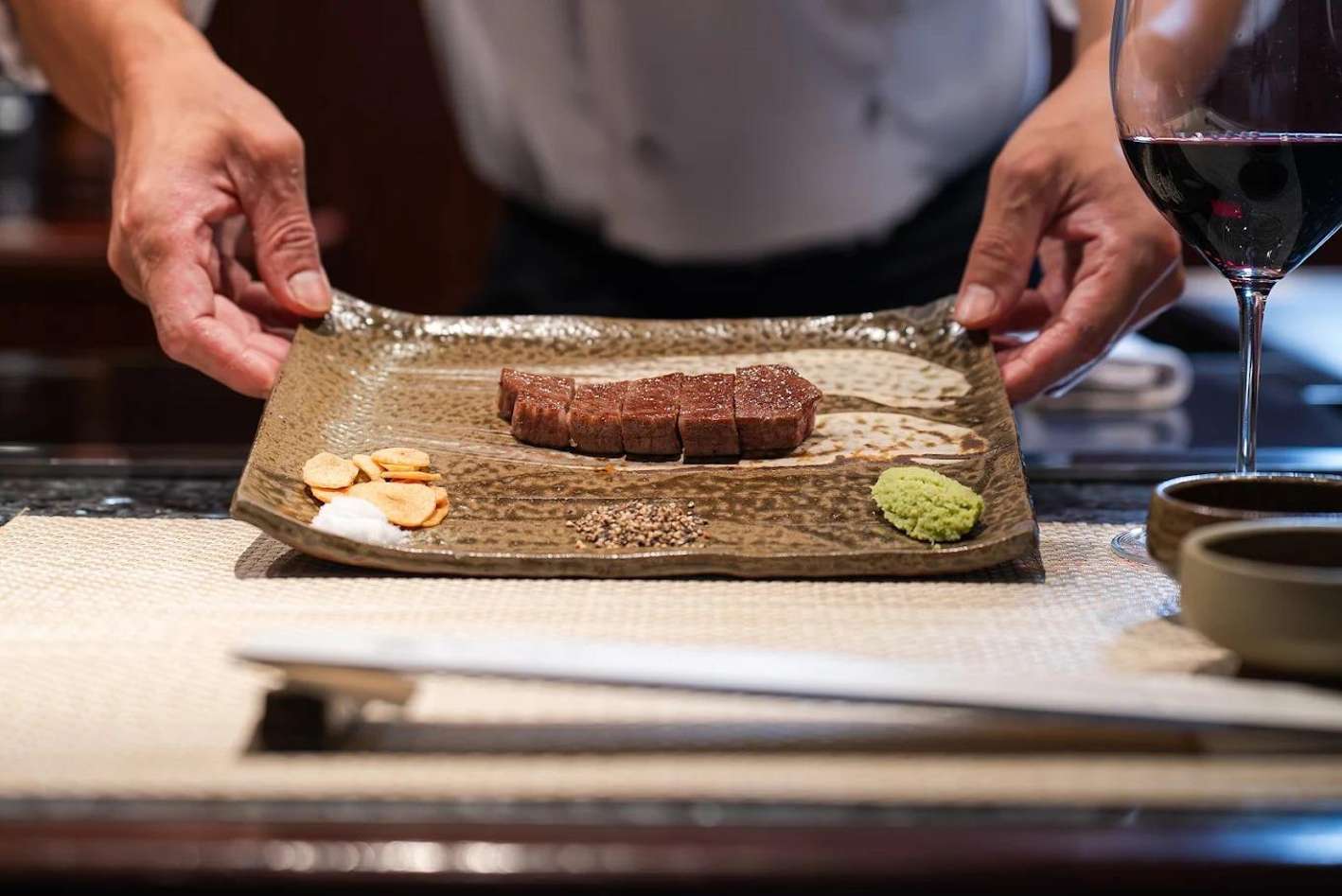
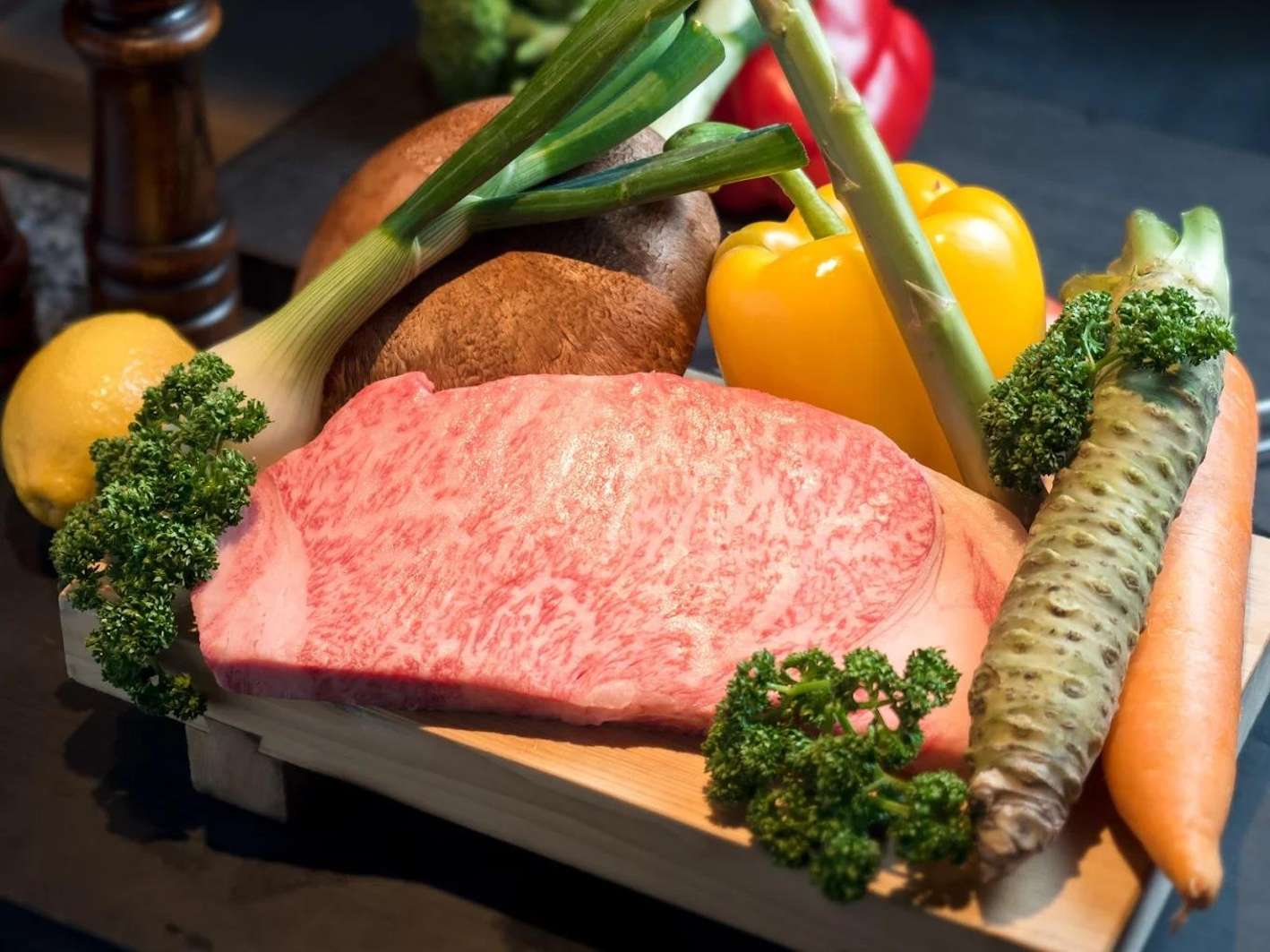
All Kobe beef is wagyu, yet only a small certified slice of Tajima cattle earns the name. This guide shows you how to tell the difference.
Read the guide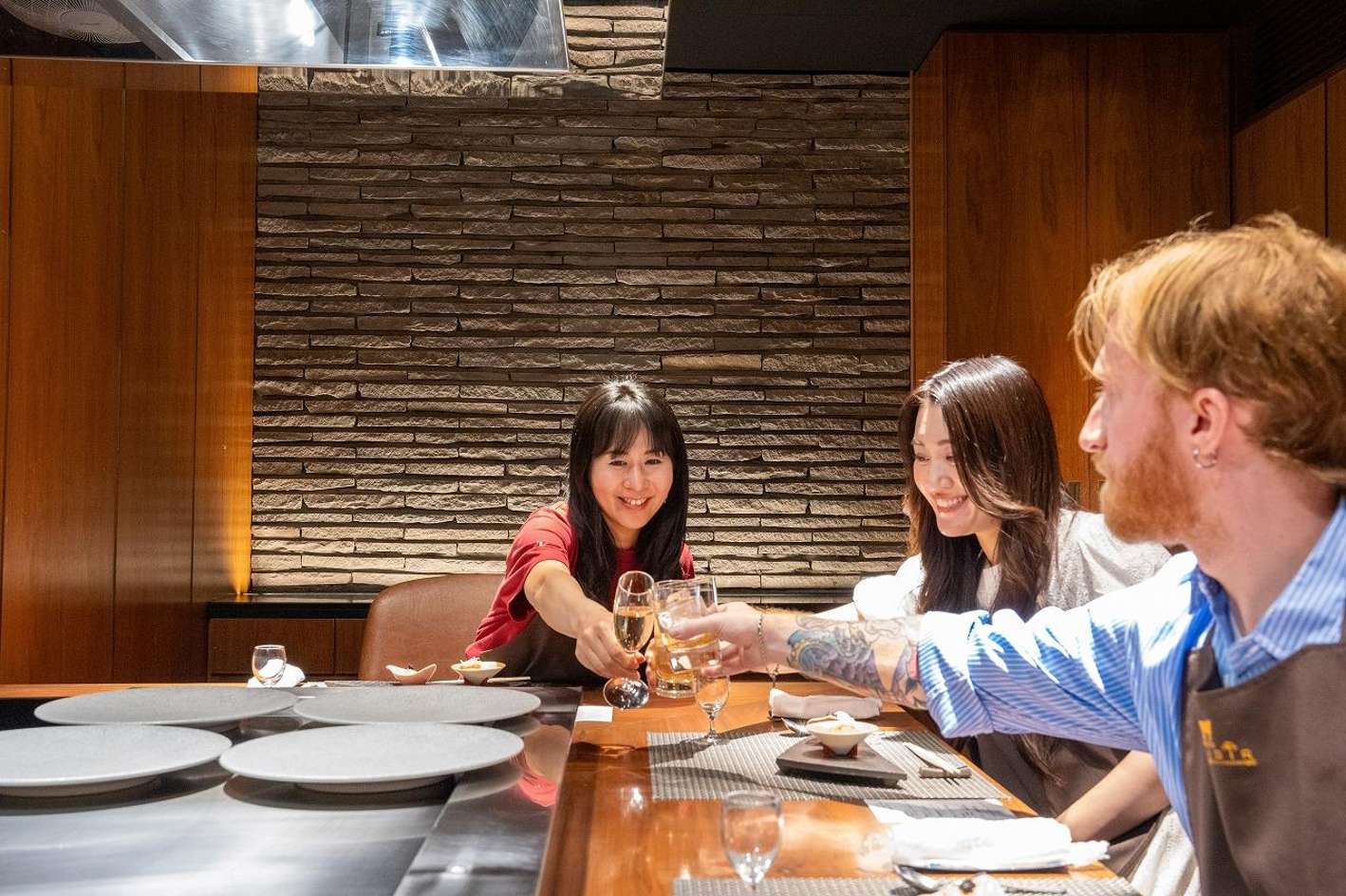
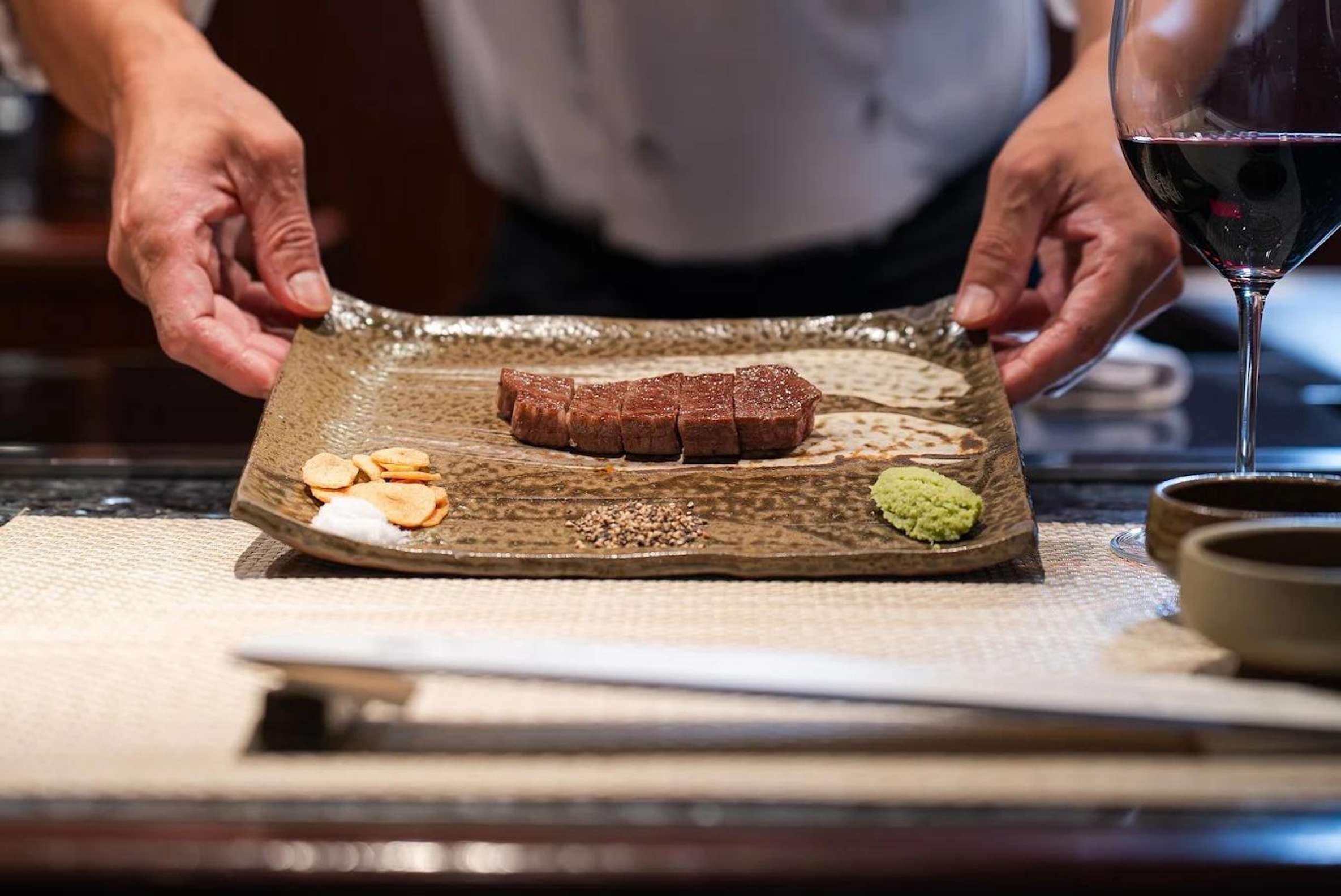
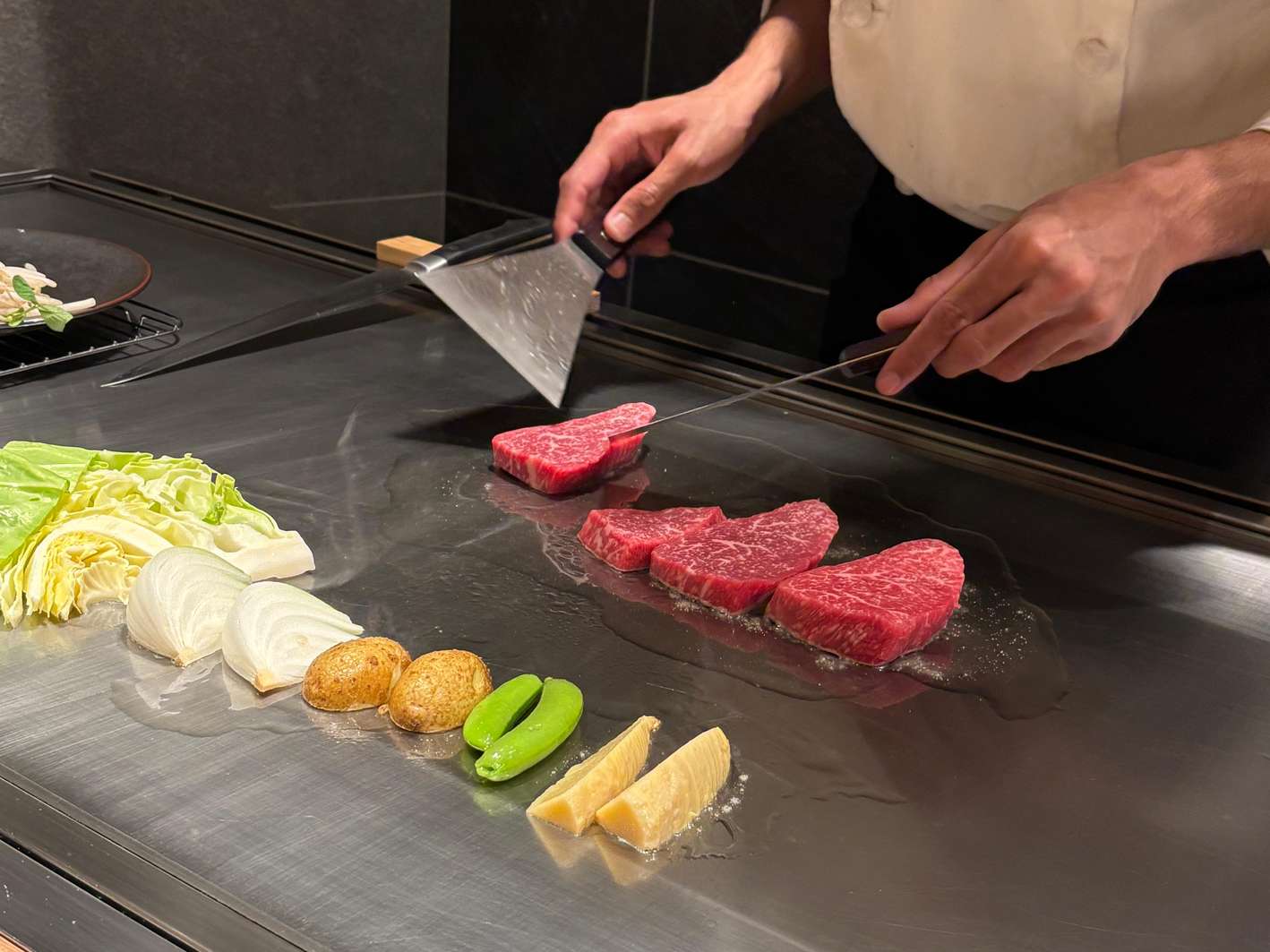
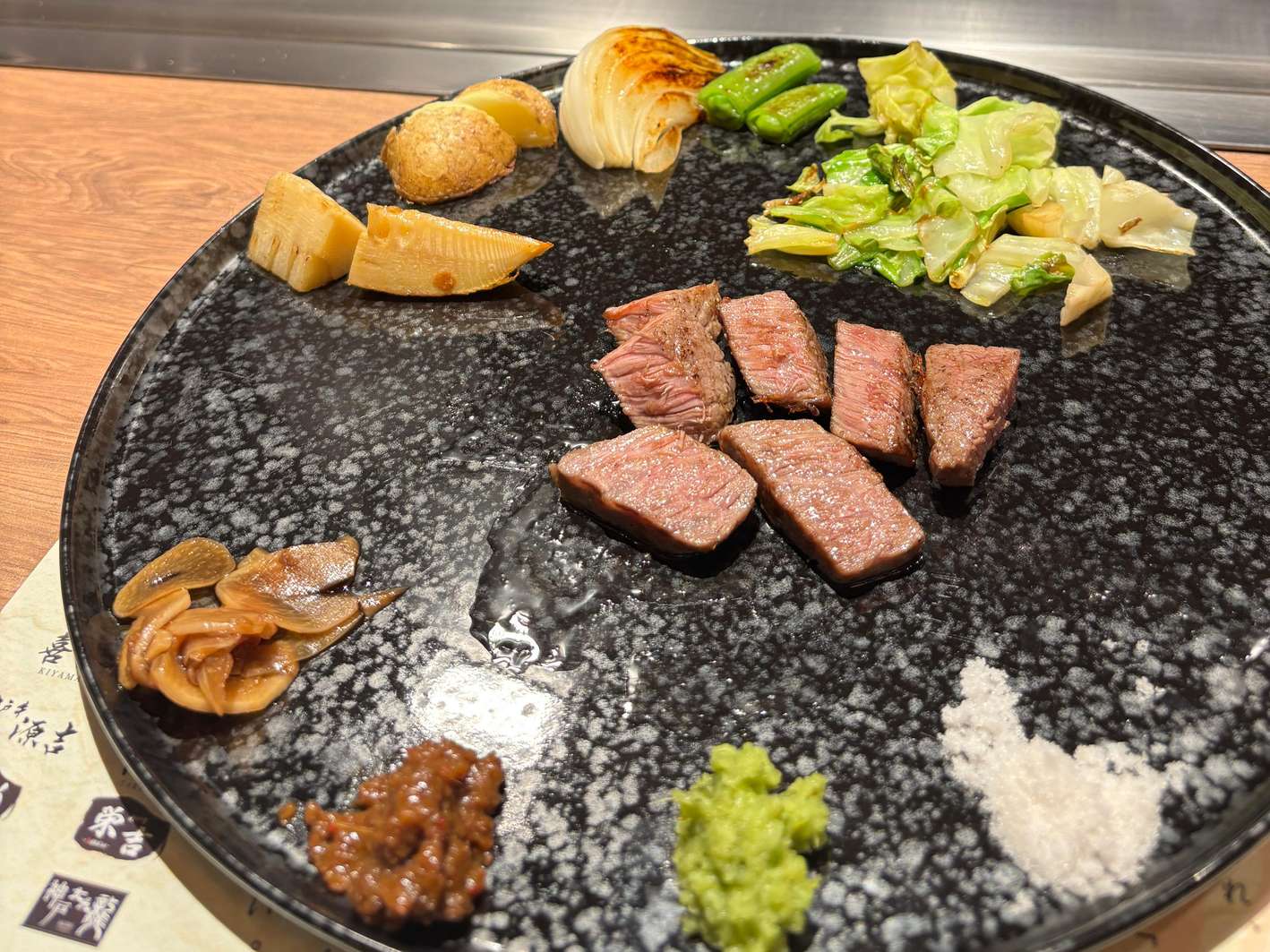
A chef grills each slice in front of you and serves it within seconds of leaving the teppan. Here is what that meal looks like from the counter.
Read the guide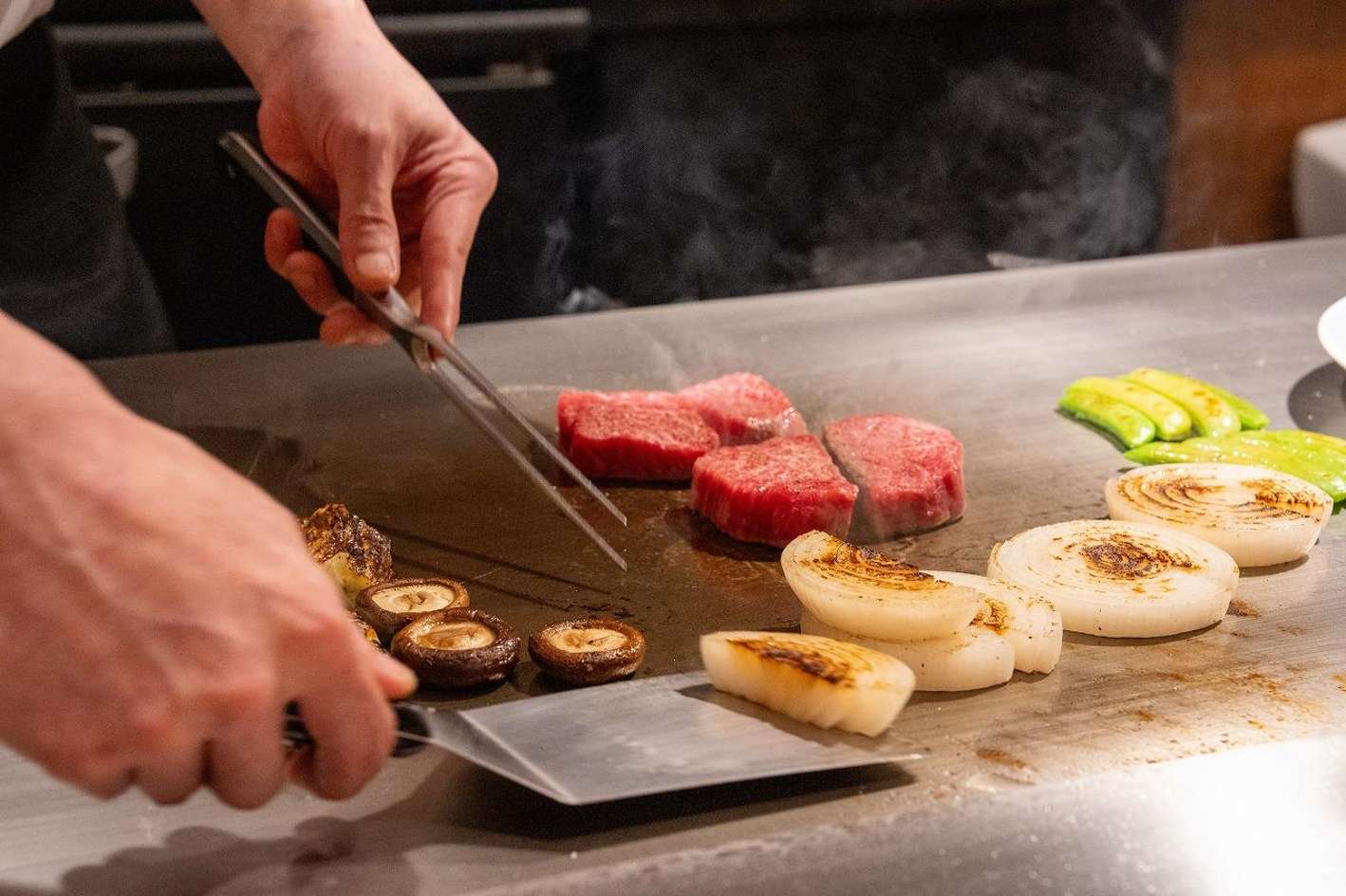
What a proper Kobe steakhouse course contains, course by course, plus the booking routes that work without a Japanese phone number.
Read the guideEach guide answers a different question on the way to your midday steak, from grading to seating.
The labels explained: what earns the chrysanthemum seal and what A5 alone tells you
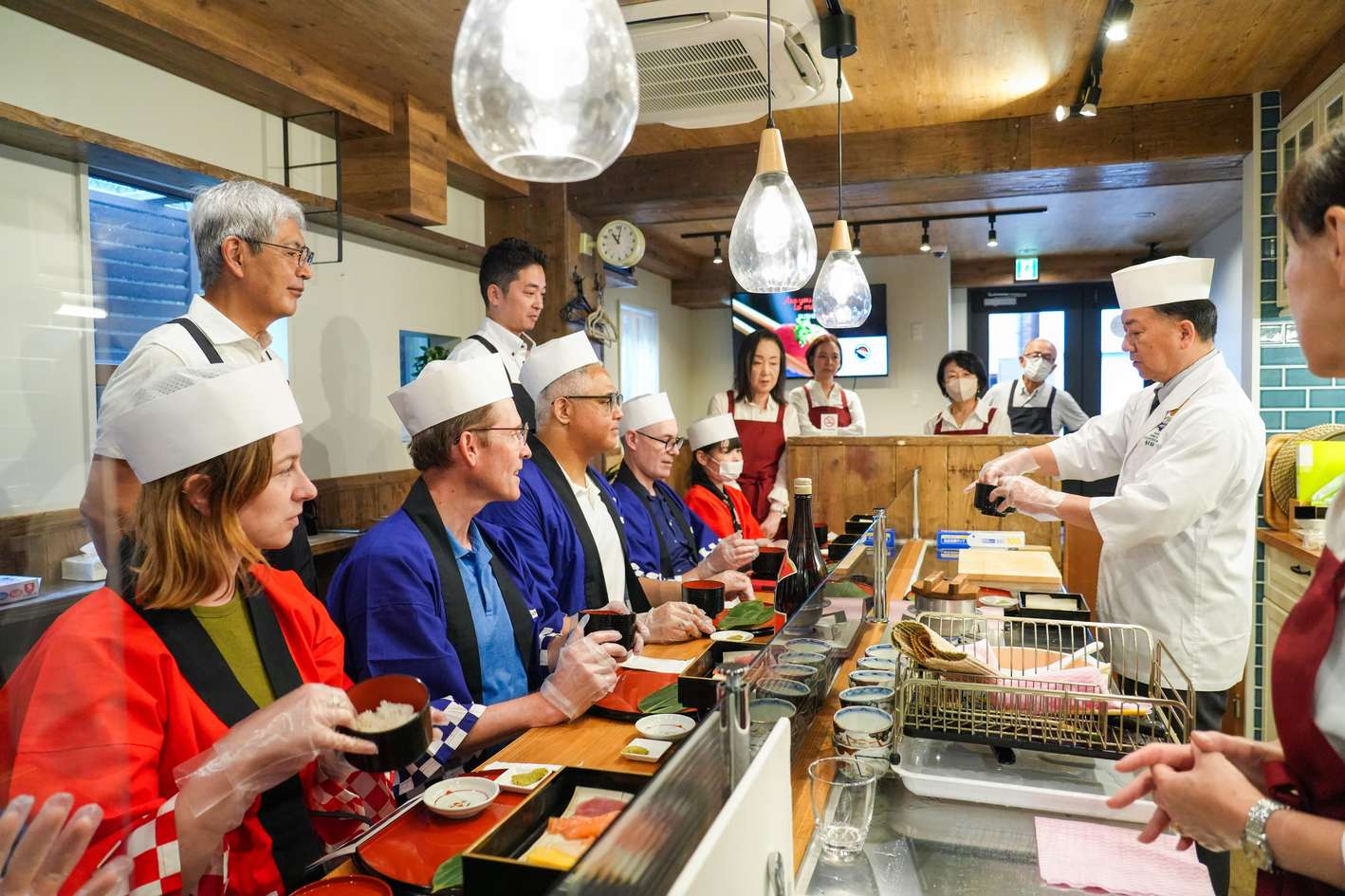
A bronze statuette at the shop front, a chrysanthemum seal on the carcass, a 10-digit ID number on the menu: these mark the real thing.
The page explains the rules behind them, from the pure Tajima bloodline to the marbling scores, and why "Kobe-style" on a menu abroad can be something else entirely. It settles the question most visitors carry: is the beef worth its price tag?
It works well as preparation before you sit down at a lunch counter, since you will know exactly what certificate to look for when the steak arrives. Read it before you compare lunch sets, and the menu tiers stop being confusing.
The iron griddle show: chef courses, pacing and how to dress for the counter
Japanese teppanyaki is quiet and precise: thin garlic slices seasoned first, each slice cooked on its own, served three or four pieces at a time so every bite stays warm. The page walks through a full course, from appetizer to the garlic fried rice made on the griddle with the beef fat left behind.
It also covers the practical side: smart casual dress, no strong perfume, and chefs who want you to say how you want your steak done before cooking starts. Several tours book you a counter seat for lunch, so the theater costs less at midday.
The full course from appetizer to garlic rice, and how to reserve from abroad
A full course runs from aperitif and hors d'oeuvre through soup, salad and grilled vegetables to the steak, garlic rice, dessert and coffee. The page lays out these menus at established Kobe venues and compares the Japanese teppan format with Western-style dining.
It helps most with booking: reservations open two months ahead at some steakhouses, top counters fill a month ahead in cherry blossom season, and a hotel concierge can place the call if a restaurant wants a local number. Ask for the lunch seat and the same beef costs less.
4 hours · ★ 5.0 (5)Kobe: Premium Kobe Beef & Sake Tasting Culinary ExperienceFrom $206 5.5 hoursKobe: Certified Kobe Beef Lunch and Nada Sake Brewery TourFrom $149  4 hoursKobe Beef Dining Local Food Tour with Licensed GuideFrom $206 10 hoursOsaka: Kobe Scenic & Sake Brewery Tour with Kobe BeefFrom $594 /group
The teppan chef carves the 120 g steak into three warm slices before you have finished the soup, and lunch costs a fraction of the evening course. What matters is getting the same beef, a real seat and the right neighborhood in one midday window.
Kobe beef is pure Tajima cattle from Hyogo, under 0.2% of beef eaten in Japan, which is why the name carries a price.
Lunch sets serve the same or nearly the same grade as dinner for 20% to 50% less, with sides bundled in and no evening service charge.
Lunch orders stop between 2:00 and 2:30 pm, and a course runs 60 to 90 minutes, so sit before 12:30 pm to be safe.
Weekday lunch counters book one to two weeks out, three to four during cherry blossom season, and a late arrival can cost you the seat.
Check for the bronze statuette at the door, the chrysanthemum seal and the 10-digit cattle ID on the menu.
Book a midday seat and arrive by 1:30 pm at the latest, since popular counters seat lunch guests for 80 to 90 minutes. If you want the best kobe beef lunch with time to spare, aim for an early seating between 11:30 am and noon.
A menu in Kobe can say wagyu, Tajima, Kobe-style or Kobe beef, and only one of those words is protected.
Kobe beef comes from pure Tajima strain cattle born, raised and harvested in Hyogo Prefecture, graded on strict standards that include a marbling index of at least six. All Kobe beef is wagyu, one of four Japanese breeds, but most wagyu never qualifies as Kobe.
The price follows the scarcity. Kobe beef is under roughly 0.2% of all beef eaten in Japan, the cattle take an extra two to four months to raise, and only virgin cows and gelded bulls make the cut.
One trap crosses the ocean. In Japan, crossbred meat cannot legally be called Kobe beef. In the United States, weak trademark rules let crossbred cattle be sold as "Kobe-style", so the phrase means different things in different countries.
And A5 alone settles nothing. Authentic Kobe beef needs a yield score of A or B and a meat quality score of 4 or above, so a genuine Kobe steak can carry an A4 rating. The certification rules behind the chrysanthemum seal are worth ten minutes before you sit down.
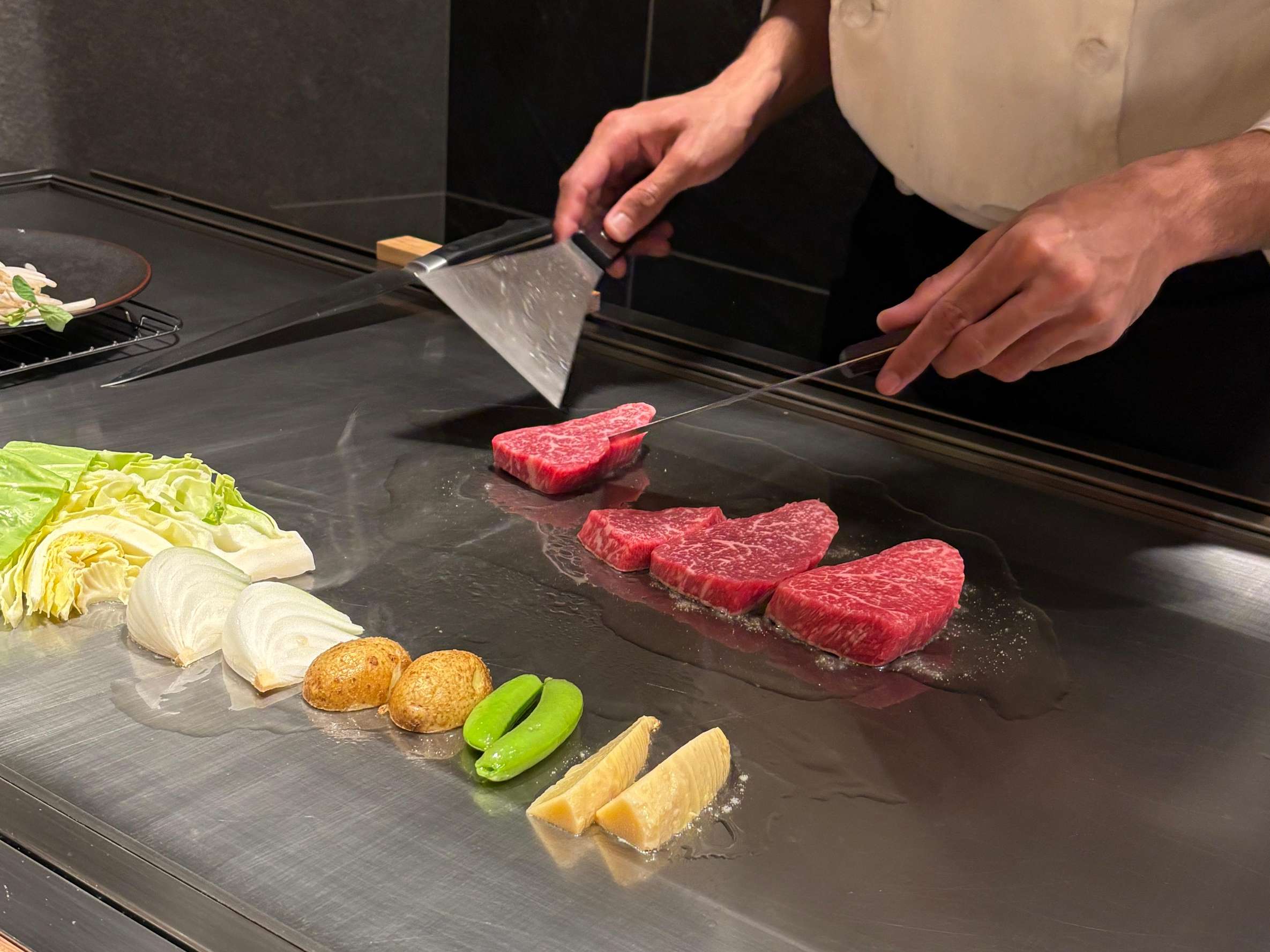
The counter works in one direction. A chef cooks your steak on a flat iron griddle in front of you, no broth, no grill you tend yourself.
That table-grill format is yakiniku, a looser evening affair; teppanyaki is quiet and precise, closer to theater, the kind of difference the teppanyaki counter guide walks through course by course.
Before the first slice is cut, the chef usually presents the raw cut for you to inspect. Say how you want it cooked before the work starts, and say medium-rare if the chef asks. Rare leaves the fat unrendered and chewy; enough heat lets it dissolve into the meat.
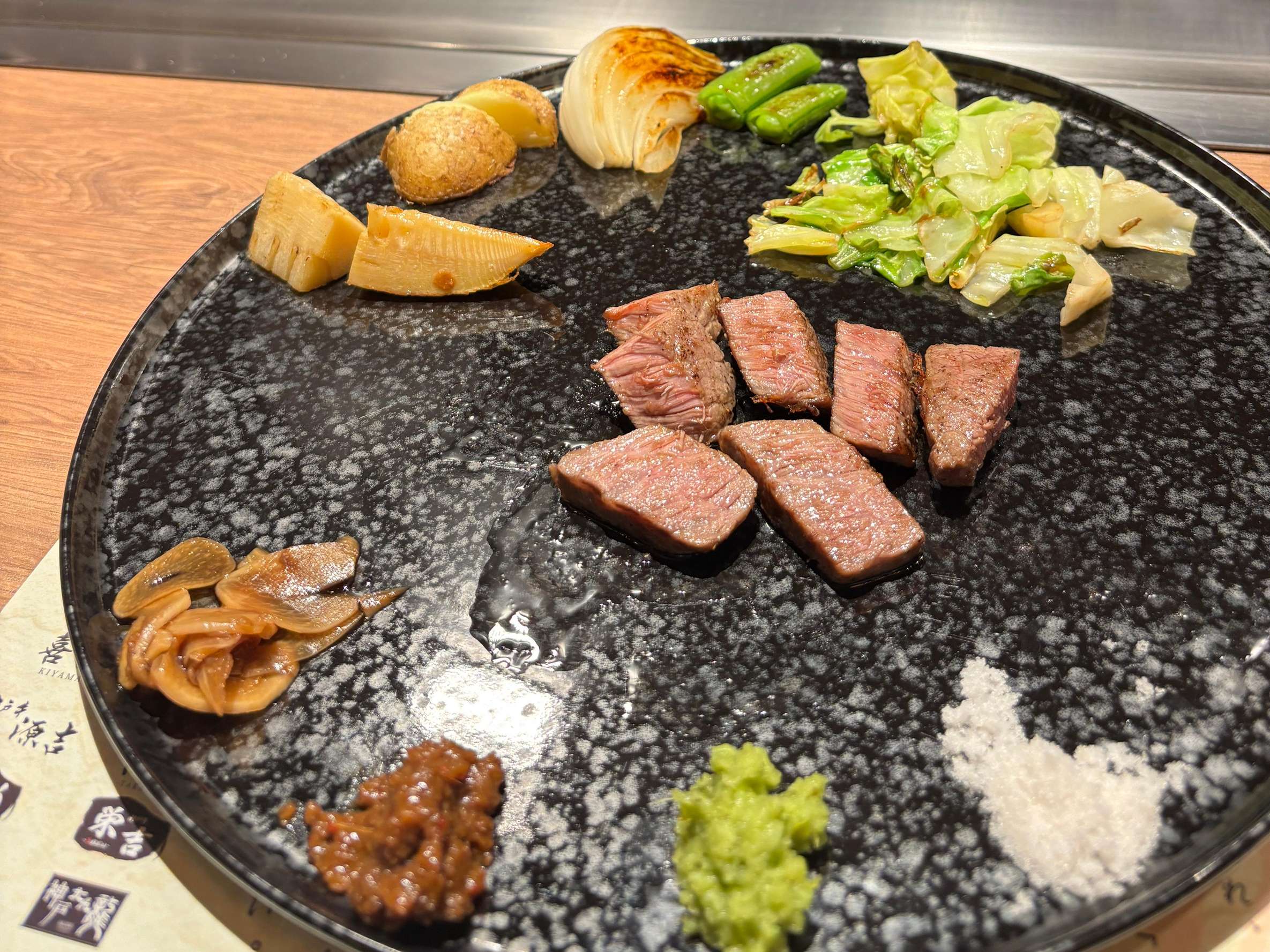
Season with plain salt and a little wasabi; salt cuts through the fat where sweet sauces just sit on it. The fat is the point.
Etiquette is simple: wait to be served, thank the chef for each dish, keep conversations out of the moments when flames are up, and keep the phone away from the griddle when filming. No flash in the chef's eyes.
Dress matters at the door. Smart casual means no shorts, tank tops, T-shirts, sandals or caps, and no perfume or scented hair products, because a single cologne can cover the aroma of every steak at the counter.
Readers planning the full sit-down course, from aperitif through soup and salad to the steak and garlic rice, have a route map on the steakhouse dining page. Here it is the booking that matters, because some certified steakhouses want a Japanese phone number.
The fix is ordinary. Book by email, call yourself if you can, or ask your hotel concierge to place the call.
One caution: do not use the hotel's main line as your contact unless the hotel agrees to act for you, and never type a fake Japanese number into a form that rejects foreign country codes.
If a restaurant has no alternative route, pick another one. Some venues in Kobe sit inside international hotel complexes, which makes booking in English easier.
Ask for the lunch seating. The same beef costs less at midday, and the full course structure reads the same on a midday menu as at night, only shorter.
The question every day-tripper carries, and the answer is mostly yes. At many certified steakhouses, lunch courses serve the same cut and grade of beef as the dinner menu.
A handful of houses shift the grade a little at midday; at one well-known spot, dinner runs exclusively A5 while lunch also includes A4, and plenty of regulars prefer A4 anyway for a less cloying, more beefy bite.
The course gets shorter and the portions smaller, while the standard stays where it was. Lunch portions suit a midday schedule, and the atmosphere loosens with them.
Price follows: lunch seatings run roughly 20% to 50% below evening menus, dinner adds a service charge of 5% to 10% between 5:00 and 9:30 pm, and dinner requires higher-tier courses to get the same sides.
The tenderness you came for does not change by the clock. The marbled fat melts the moment it touches the palate, buttery and faintly sweet, and it eats nothing like USDA Choice.
| Same grade at most houses, A4 included at some | Often A5 only | |
|---|---|---|
| Portion | Smaller, sized for midday | Larger, premium cuts |
| Sides | Soup, salad, rice and vegetables bundled in | Higher-tier course needed for the same sides |
| Evening service charge | None | 5% to 10% from 5 pm |
| Seat availability | Easier on short notice | Often booked out one to three weeks ahead |
That table is the whole case for eating at midday.
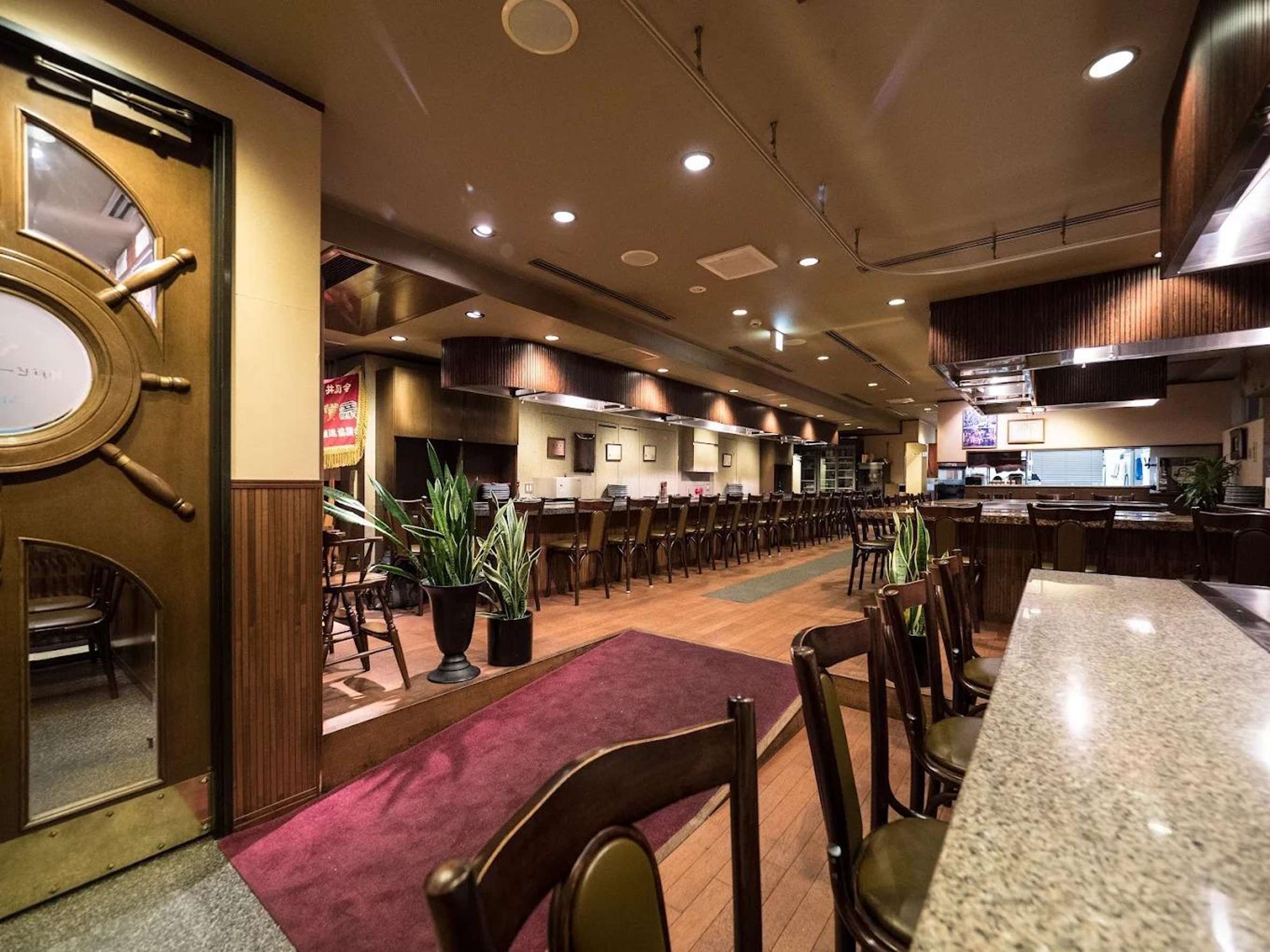
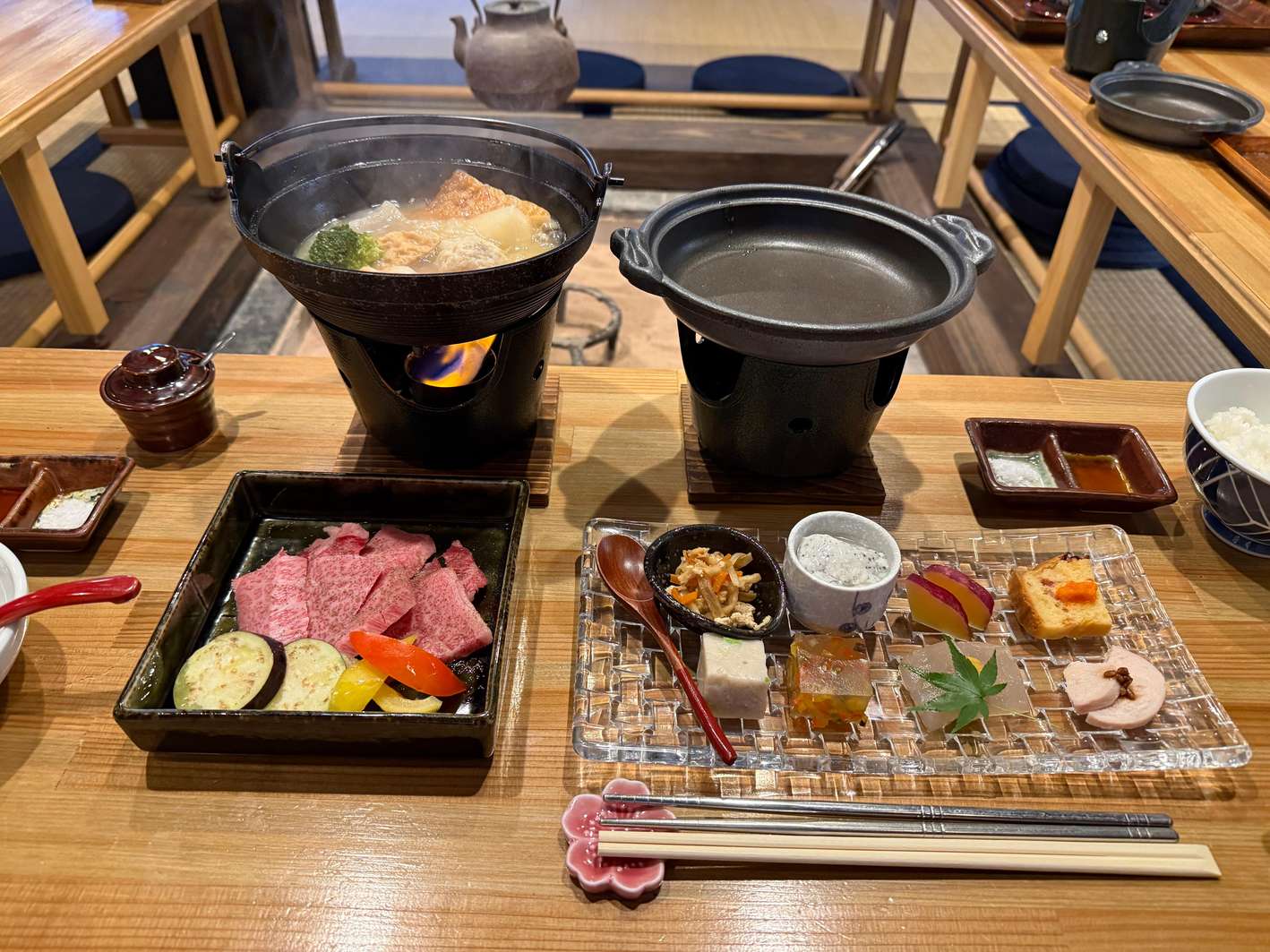
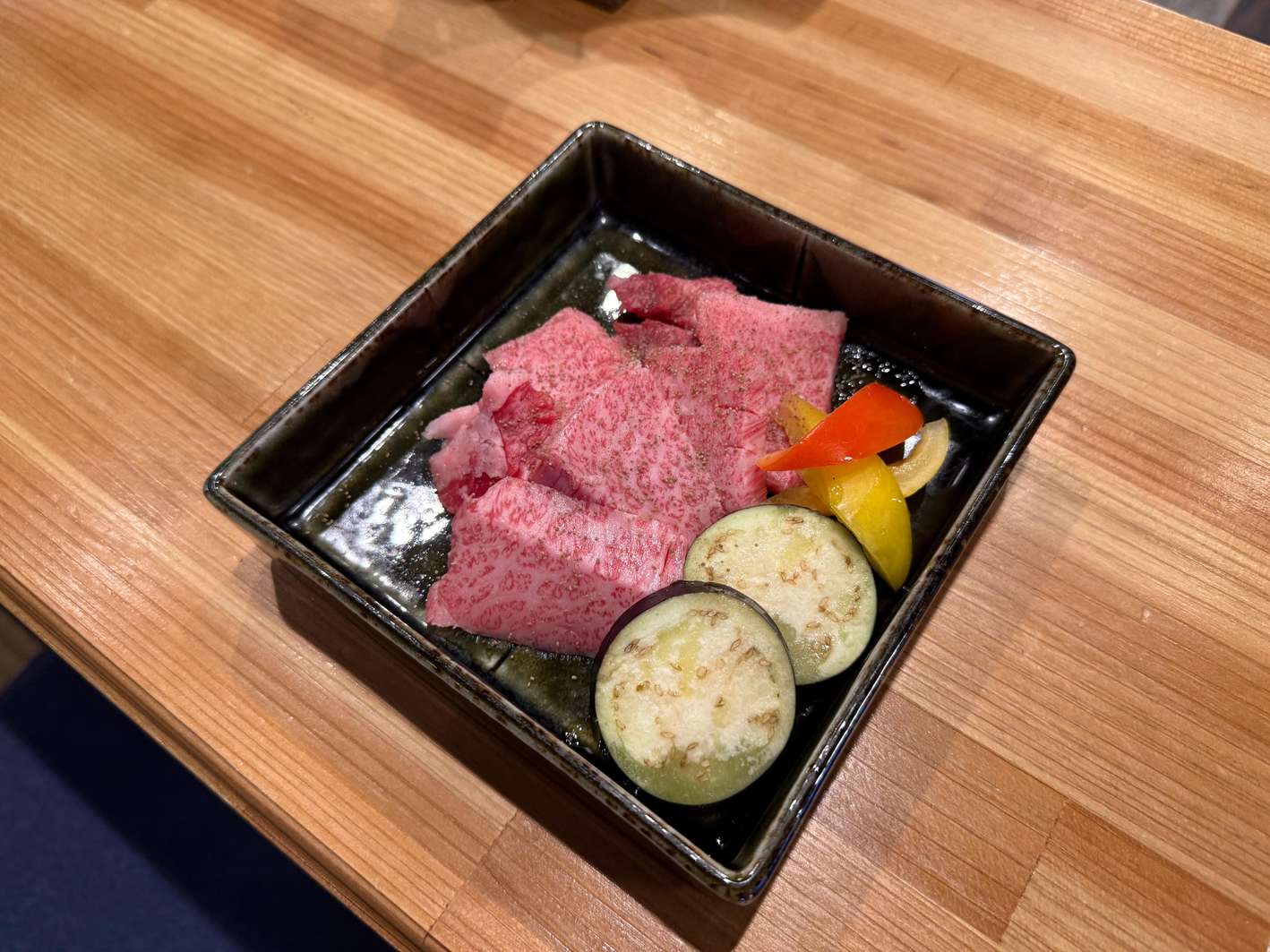
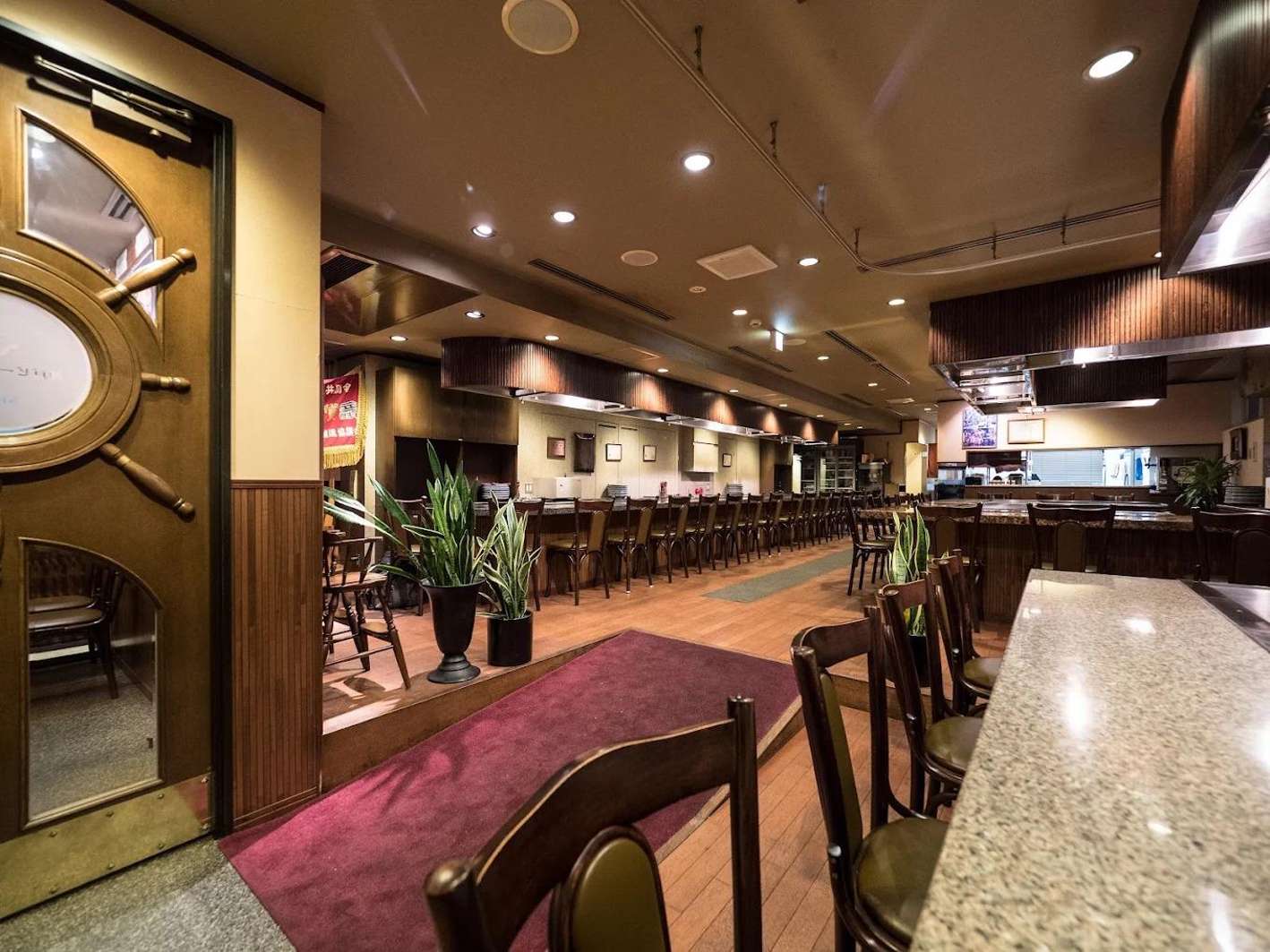
The set is built as a meal around the steak. The standard brings the steak itself, seasonal grilled vegetables, a fresh salad, a soup such as miso or seasonal broth, steamed white rice with the option to upgrade to garlic fried rice, Japanese pickles, and coffee or tea with a dessert like sherbet.
Some sets open with a small appetizer of seafood or roast beef.
Order the steak à la carte and every one of those items comes separately, which is how the set quietly wins on money.
The garlic rice is worth the upgrade. The chef fries it on the griddle using the rendered juices and trimmed fat from your steak, so the pan's last flavor goes into the rice instead of the cloth.
If the full richness worries you, locals have a softer route: unbranded Tajima beef, lighter and less oily, at a substantially lower price.
Midday in Kobe runs on a hard clock. Lunch service seats from around 11:30 am, orders stop between 2:00 and 2:30 pm, and the kitchens close entirely from 3:00 to 5 pm before reopening for dinner. Arrive at 2:20 pm with no reservation and the afternoon belongs to the arcades instead.
Steakhouses seat diners for midday Kobe beef lunch sets.
Kitchens stop accepting lunch orders 30 to 60 minutes before closing.
Steakhouses shut kitchens and dining rooms between lunch and dinner.
Grills reopen across Kobe for evening dinner course seatings.
The afternoon closure is only half the arithmetic. A course takes 60 to 90 minutes from seating to dessert, and popular counters cap lunch tables at 80 to 90 minutes, so the meal fits your afternoon without sprawling into it.
Read those numbers against each other and the window tightens fast. For a 90-minute course that ends before the kitchen goes dark, a noon seating is comfortable and 12:30 pm is the practical edge. Regulars aim for 11:30 am, when some grills release a limited number of wagyu lunch specials that vanish early.
Schedule your sightseeing on the other side of the meal and the day holds together.
Western eyes read the menu and reach for 200 grams out of habit. At the Kobe counter that is the wrong instinct. The marbling is dense, the fat content is high, and richness that delights at 120 grams overwhelms at double the size.
For a dedicated steak meal, 100 to 150 grams is the recommended single portion. For a multi-course tasting menu, 50 to 70 grams per course does the job. Courses of 200 grams or more exist, but they are meant for sharing.
The sets on this page follow that logic.
A 120 g steak with soup, salad and rice is a complete midday meal rather than a starter, and regulars who order big at the start of a long trip talk about the meal sitting heavy; the portion is generous enough because every bite carries more than a standard steak does.
Order the weight the house recommends and spend the saved appetite on the afternoon.
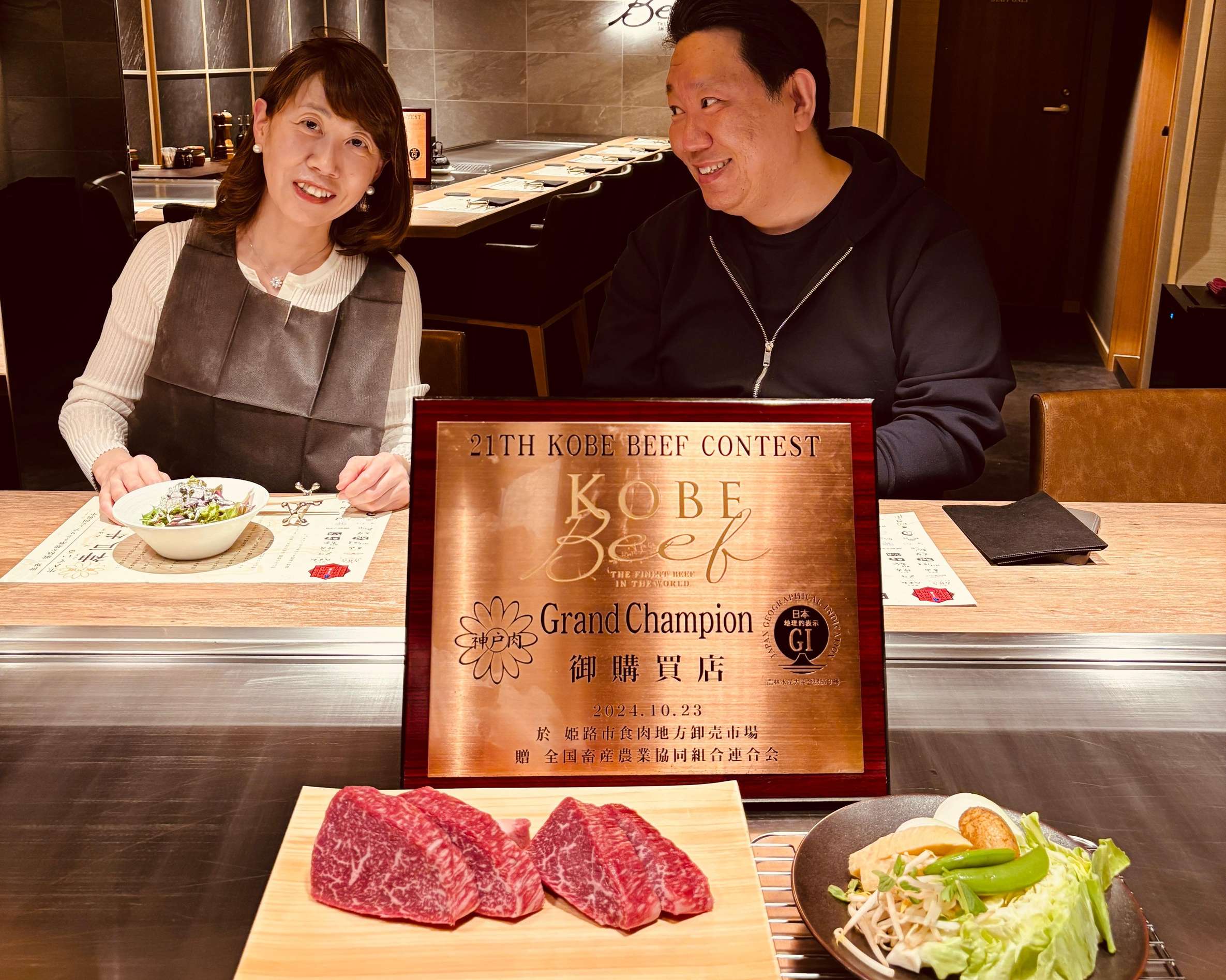
Walk-ins work at a handful of places. A terrace restaurant in Kobe Port Tower takes them without a reservation, some casual venues queue you at the door, and one steakhouse near Sannomiya accepts same-day phone bookings.
At the certified high end, the rule is firmer: counters are compact and the seats are few, so advance reservations are the norm.
How far ahead depends on the calendar. A weekday lunch counter should be booked one to two weeks out, three to four weeks in cherry blossom and autumn foliage season, when the most established houses fill a month or more ahead. Some top steakhouses only open their books two months before the date.
Lateness and cancellation carry teeth. At one Kobe counter, guests more than 15 minutes late may lose their seat to waiting customers. A no-show or same-day cancellation elsewhere can cost the full meal, and several houses refund only if you cancel three days out.
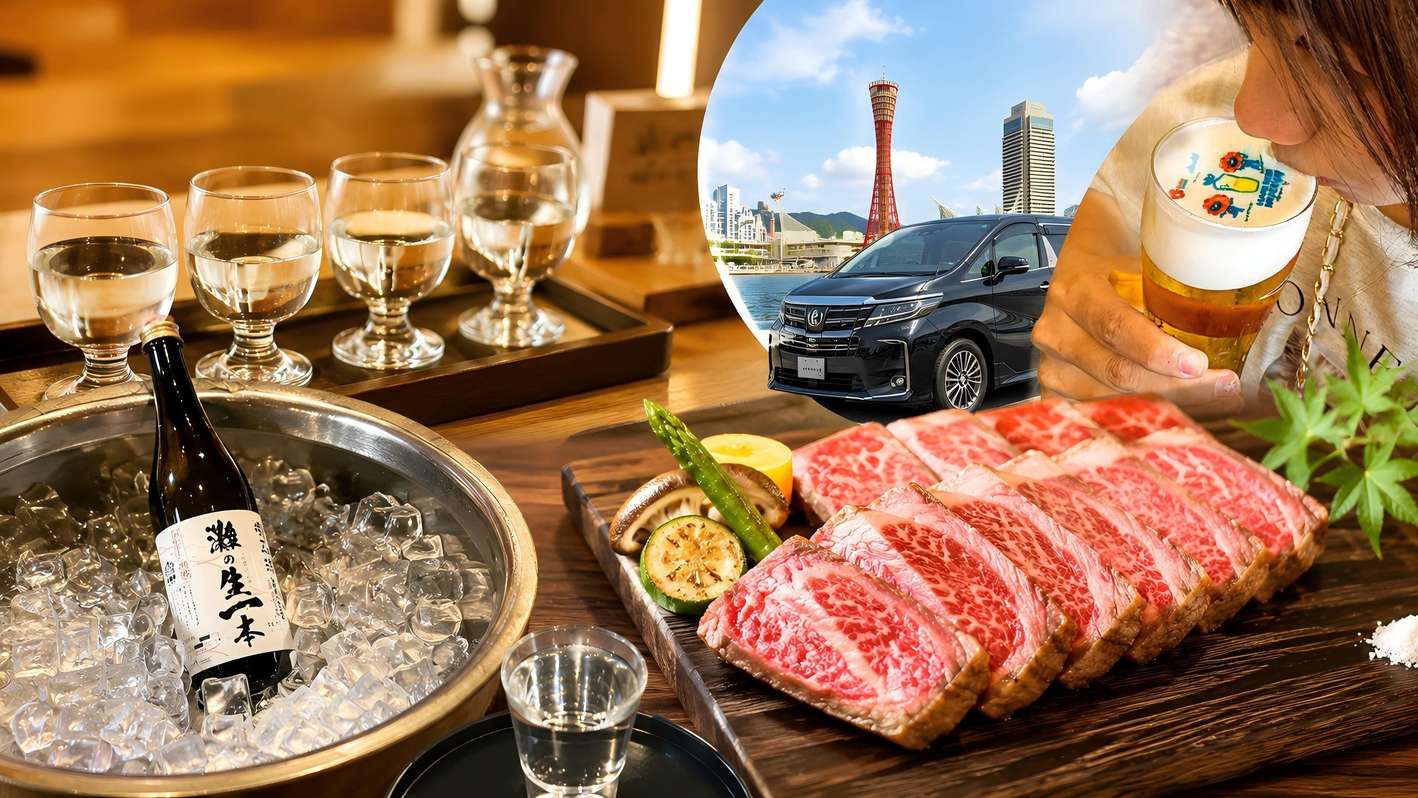
The simpler road is a tour with the seat bought in advance. The Kobe: Certified Kobe Beef Lunch and Nada Sake Brewery Tour reserves a registered restaurant table for a 120 g certified steak lunch, then runs the afternoon through the Nada brewery museums, with free cancellation up to 24 hours ahead.
Solo diners should lean toward counter-style houses; booking platforms often limit online reservations to two people or more.
| Check | Why it matters | Our pick |
|---|---|---|
| Booking window | Weekday counters fill one to two weeks out, three to four in peak season | The tour holds a reserved restaurant seat for you |
| Cancellation and lateness rules | Same-day cancellations can cost the full meal, late arrivals can lose the table | Free cancellation up to 24 hours in advance |
| Foreign bookings | Some houses want a Japanese phone number | Booked online in English, no local number needed |
| Group-size limits | Platforms often restrict online bookings to two or more | Solo travelers join a small guided group |
| Authenticity | You check the statuette and seal yourself | A registered Kobe Beef restaurant, and the guide explains the certification |
Every row on that list is a way a lunch booking falls apart, and each one is already handled when the seat comes with the tour.
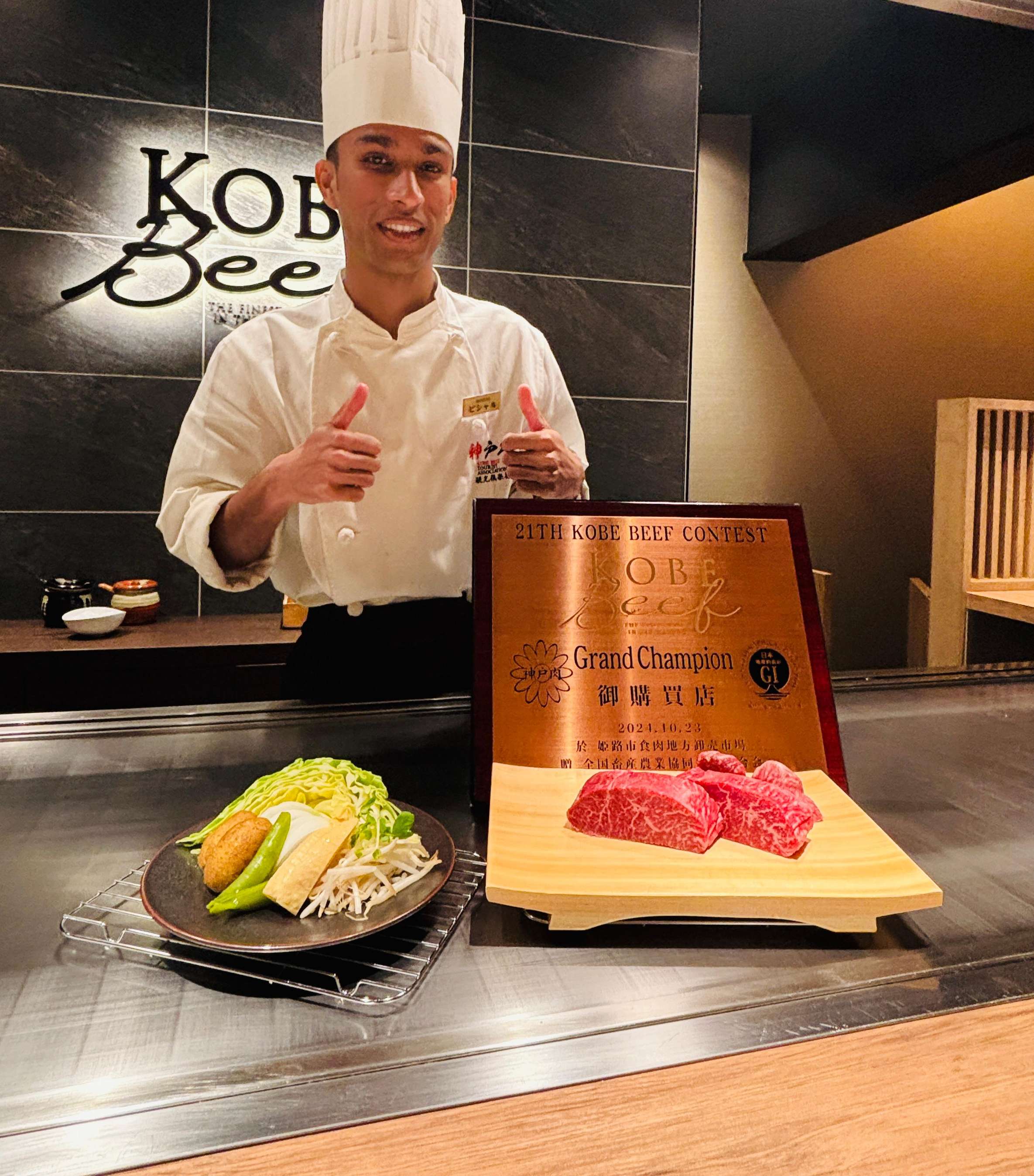
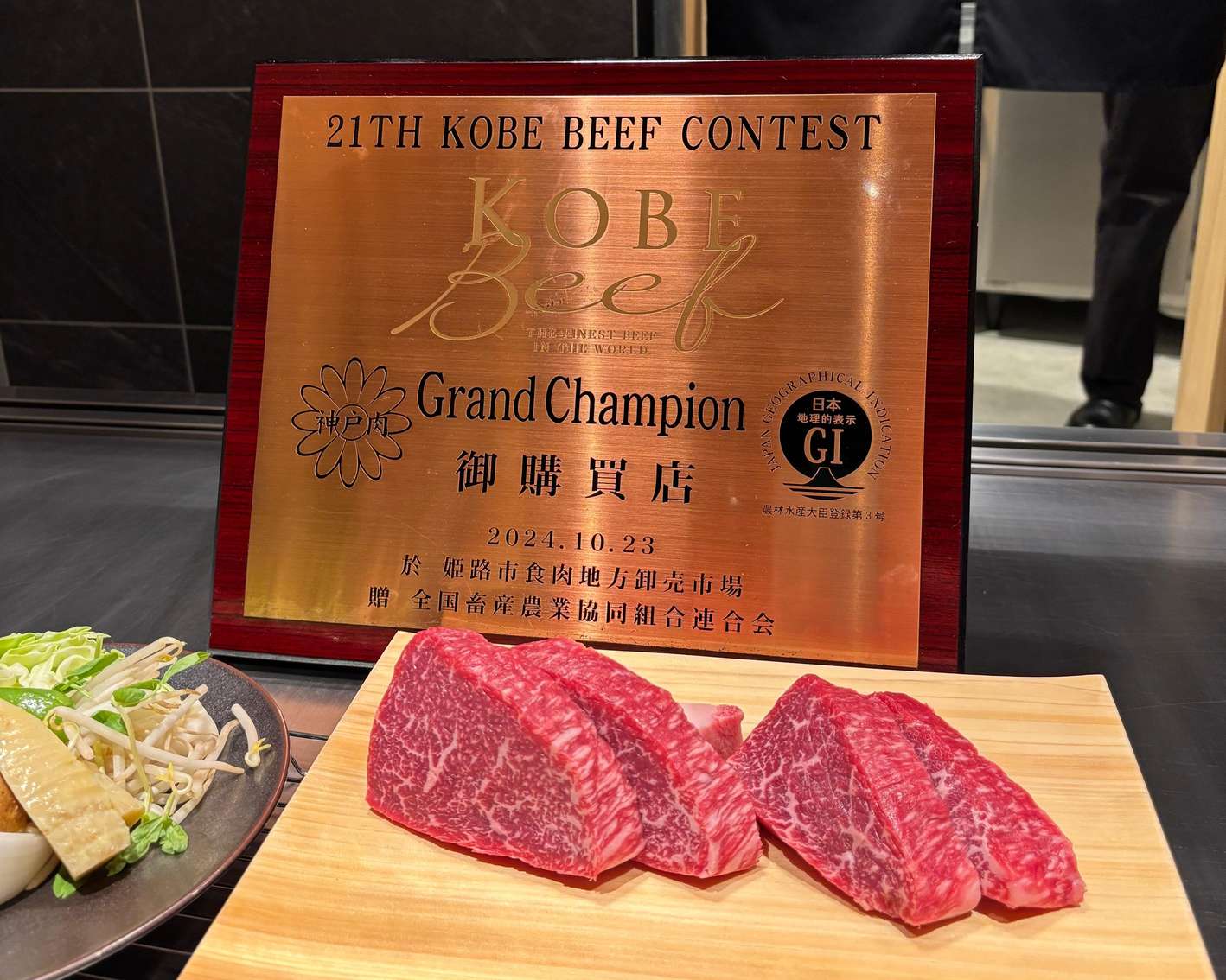
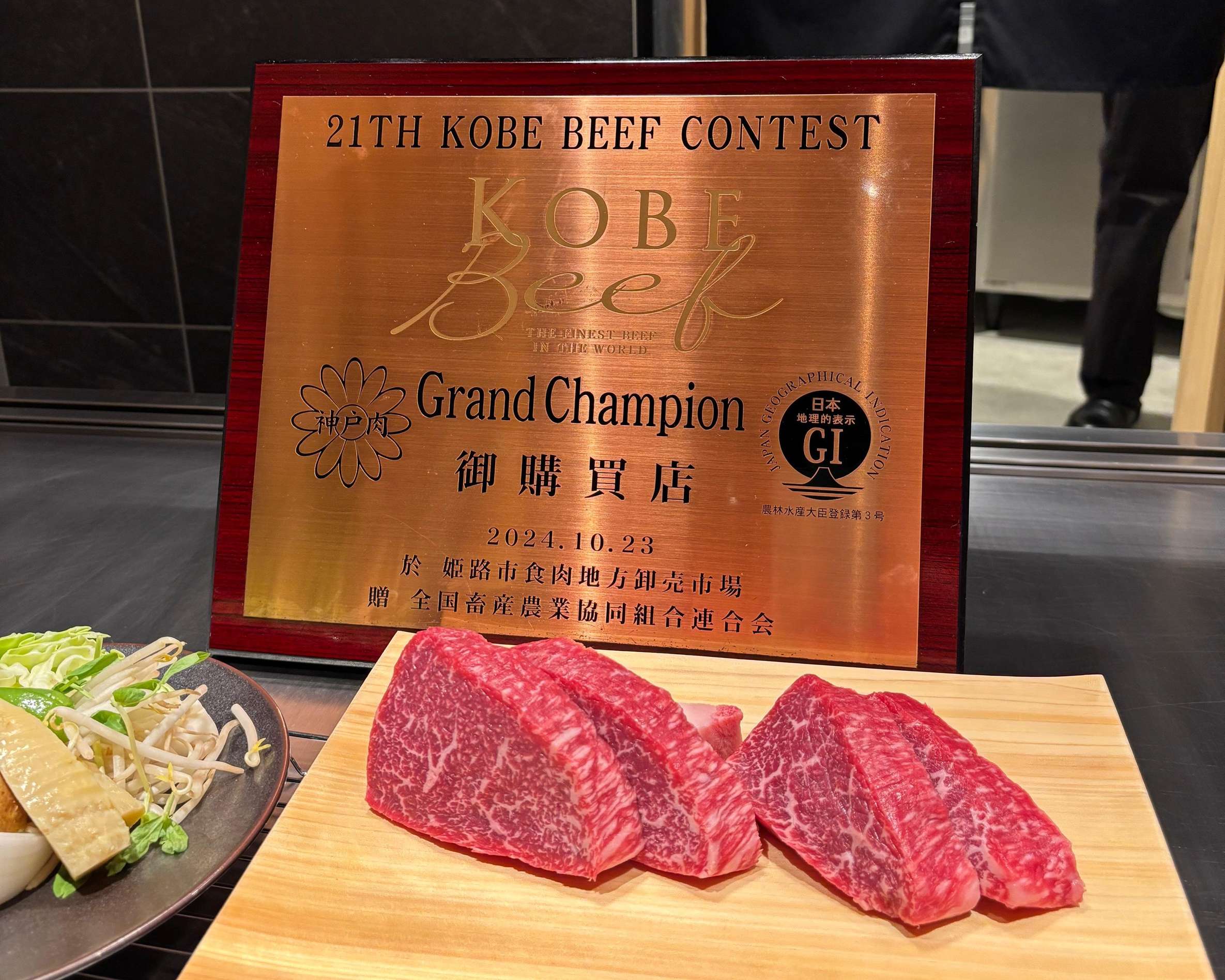
The proof starts at the door. A designated Kobe beef restaurant displays a small bronze statuette and a registration certificate at the shop front, permission from the certification association to handle the real thing.
The beef itself carries the mark. Certified carcasses are stamped with the Japanese chrysanthemum, Hyogo's prefectural flower, in four places, and each receives an official Certificate of Authenticity.
At the table, ask for the tracking certificate. A 10-digit ID number tells you the animal's lineage, where it was born and raised, the market it sold at, and whether it is certified Tajima-gyu Kobe beef. If a house will not show it, the menu is telling you something.
What the seal rules out matters as much. Cheap beef dishes along the railway tracks, casual street stalls and bargain lunch boards are selling lesser beef at tourist prices; genuine Kobe beef stays a luxury item even at midday. Checking the official association registry online before you book settles any doubt in a minute.
Sannomiya is the base that wins by default. The blocks around the station hold most of Kobe's authenticated teppanyaki houses, and the certified corridor runs along Kitanagasadori, Shimoyamatedori and Nakayamatedori down through Motomachidori, a continuous stretch of designated houses between the two stations.
Kitano, on the hill above, has the densest cluster of the established higher-end rooms.
Getting there is the easy part. The JR Special Rapid reaches Sannomiya in 21 minutes from Osaka Station and 52 minutes from Kyoto, no transfers, which makes Kobe a clean day trip between morning plans and an evening return.
Is the trip necessary? Strictly, no. Certified Kobe beef is sold identically in Tokyo, Osaka and Kyoto, and you could eat it without changing trains.
What Kobe gives you is selection: more certified houses in a tighter walk, plus the story you bring home. A short list of sights within reach of the lunch corridor fills the hours either side of the meal.
That map shows how much sits within a few minutes of the corridor, from the Kobe City Museum at four minutes on foot to Meriken Park and the port at twelve. Pick your lunch address first, then borrow a museum or the harbor for the hours before and after.
The rules are per venue, rather than universal. Family-oriented steakhouses take babies and children with no dress code, while upscale teppanyaki counters commonly bar children five and under, or restrict counter seats to ages six or seven and up who order an adult course.
Dress expectations vary the same way, from none at all to the smart-casual standard with clean, closed shoes. At shrines and tea rooms on a walking tour, shoes come off at the door, so wear a pair that slips off.
Diet is where the hard lines sit. Strict vegetarians hit a wall here: the beef lunch tours cannot swap the meal, so a mixed group does better at yakiniku or venues with plant-based set options alongside the beef.
For halal diners, one Sannomiya steakhouse serves fully halal-certified beef on dedicated grills and tableware, and another main-store venue serves a halal course on dedicated utensils without being a certified halal venue; at some Muslim-friendly houses the prep is not fully separated.
Allergies deserve a direct question at booking. Houses cook on one shared griddle with shared utensils, and one Kobe counter turns away guests with severe allergic symptoms rather than risk it.
Severe allergies and shared griddles Some counters refuse entry or cannot guarantee allergen-free food, since everything cooks on the same plate with shared utensils State allergies when booking and pick a house that can commit
Non-Japanese speakers eat comfortably in Kobe as long as they are respectful.
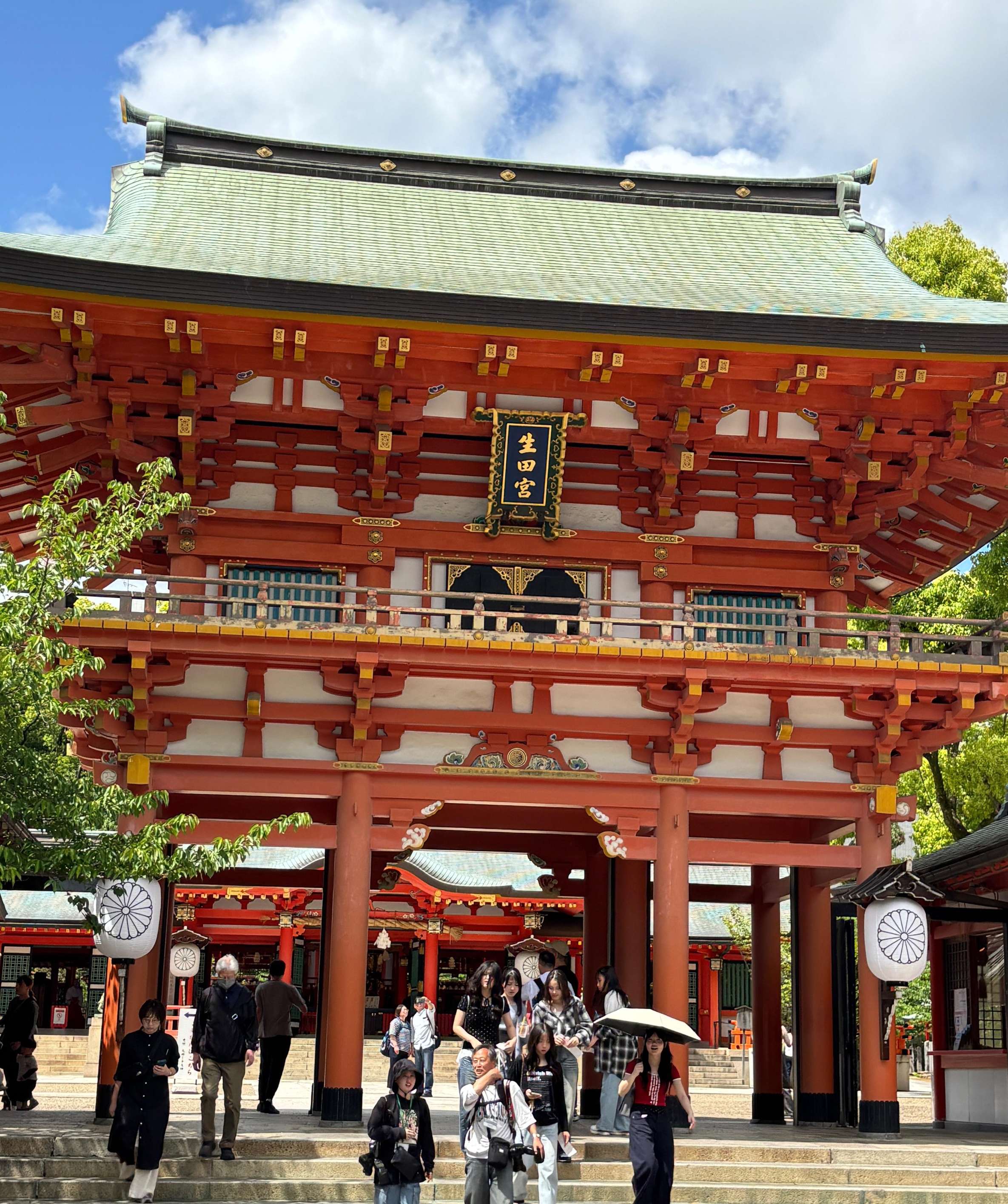
Lunch is one act in a half-day that runs about four hours in standard form, half-day tours from 3.5 to 5.5 hours, with roughly 1.5 hours of it at the table. The certified lunch tour above spends its other half in Nada, and that pairing is the natural Kobe day: beef at midday, breweries after.
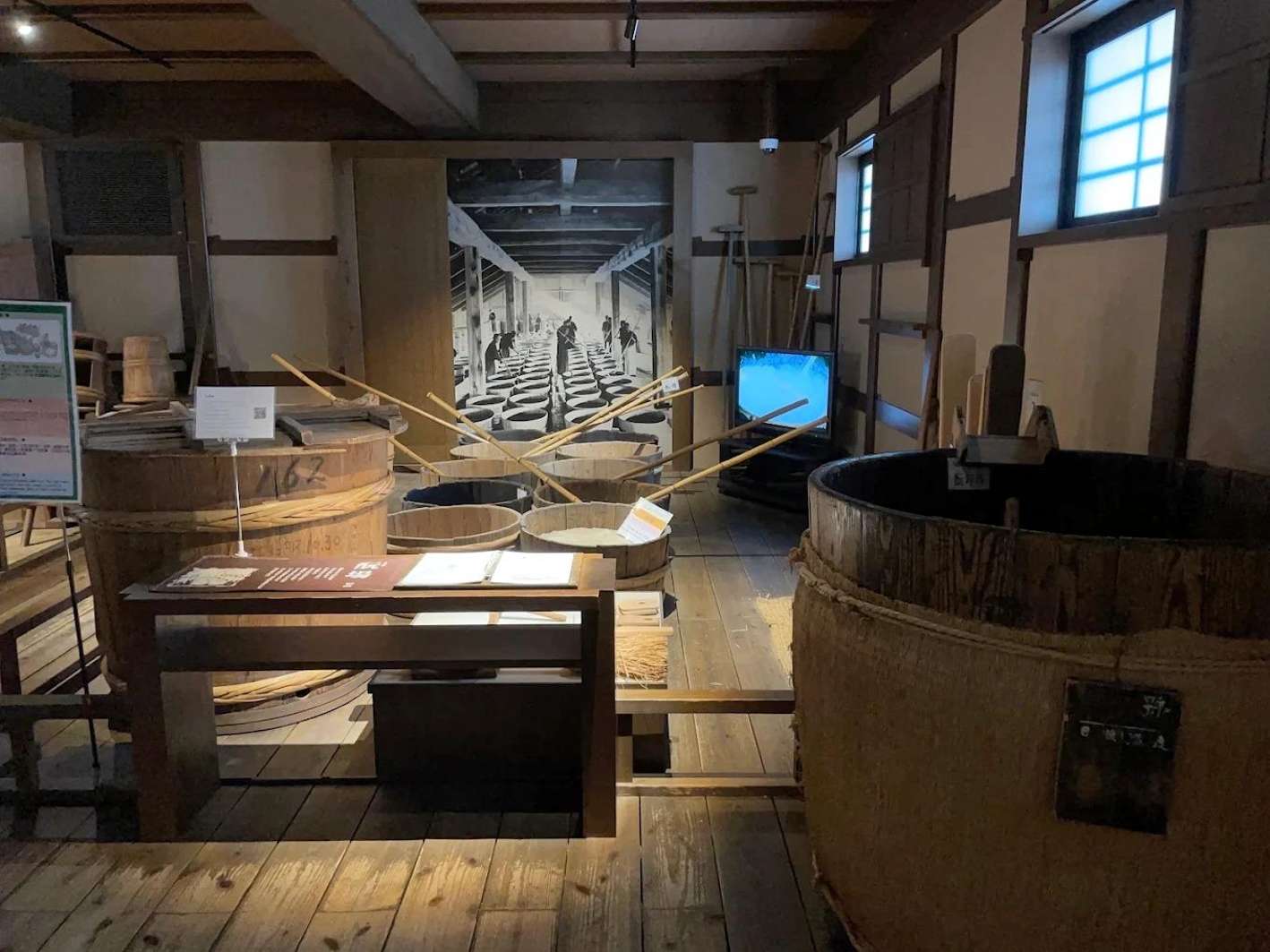
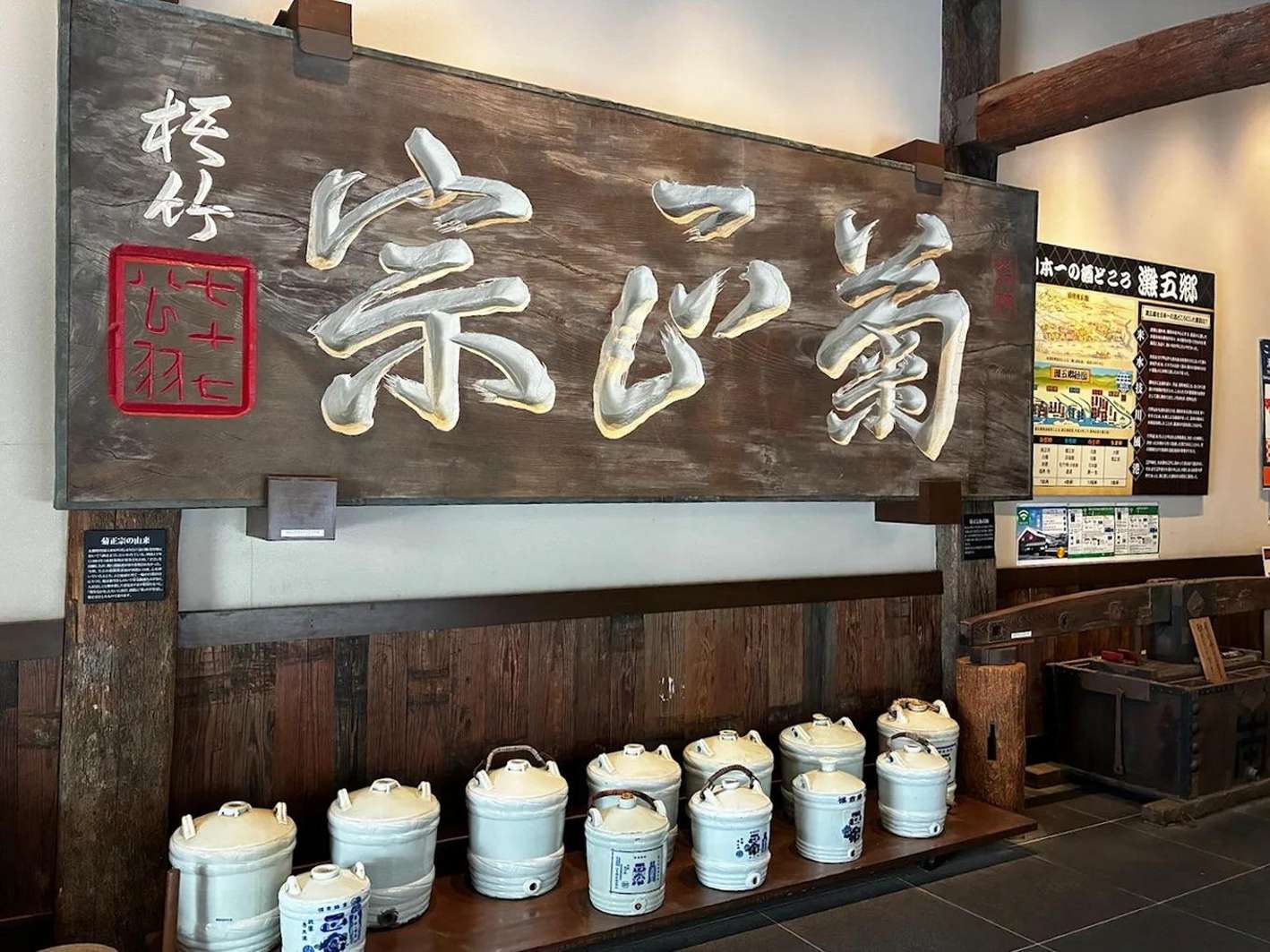
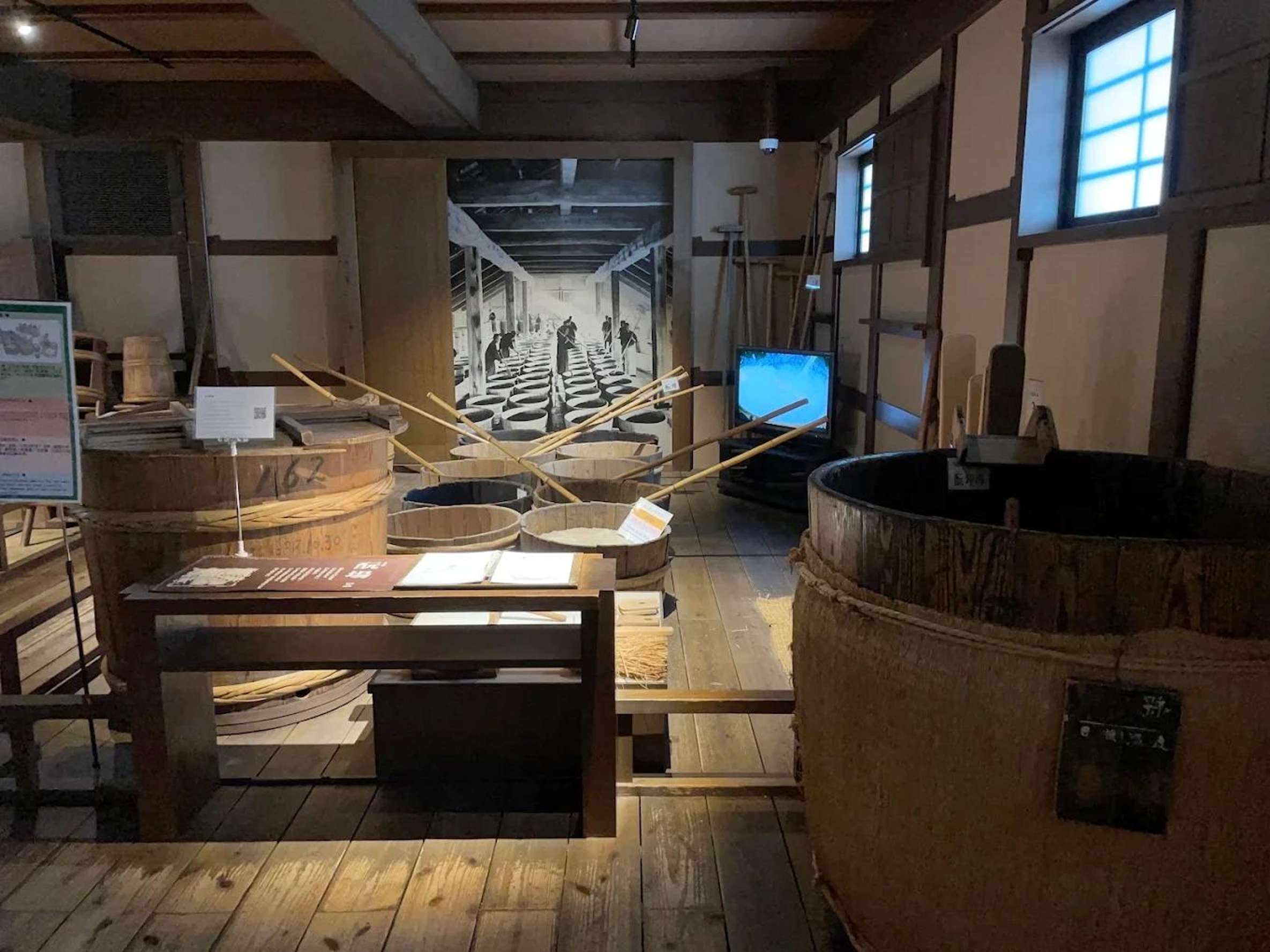
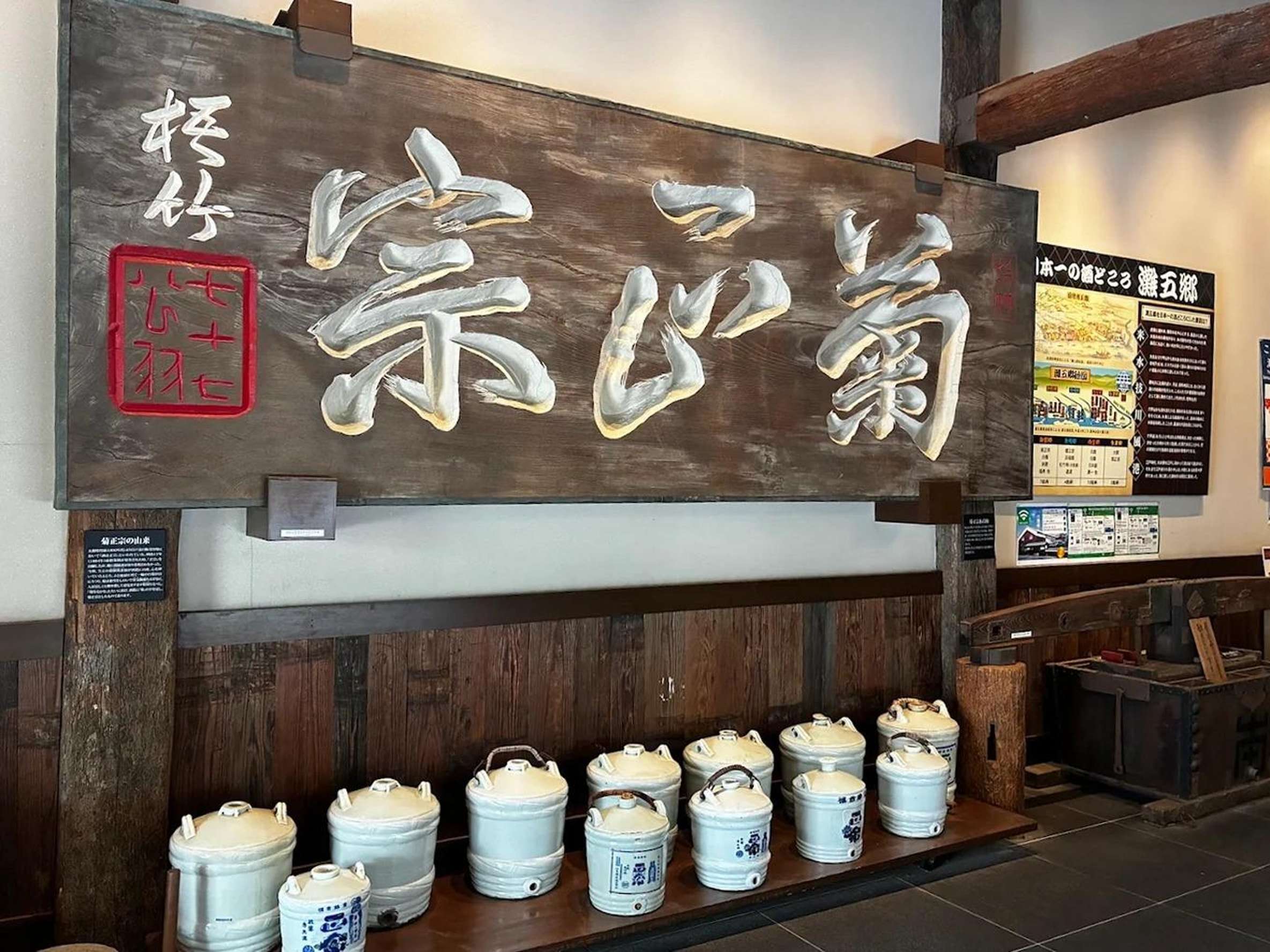
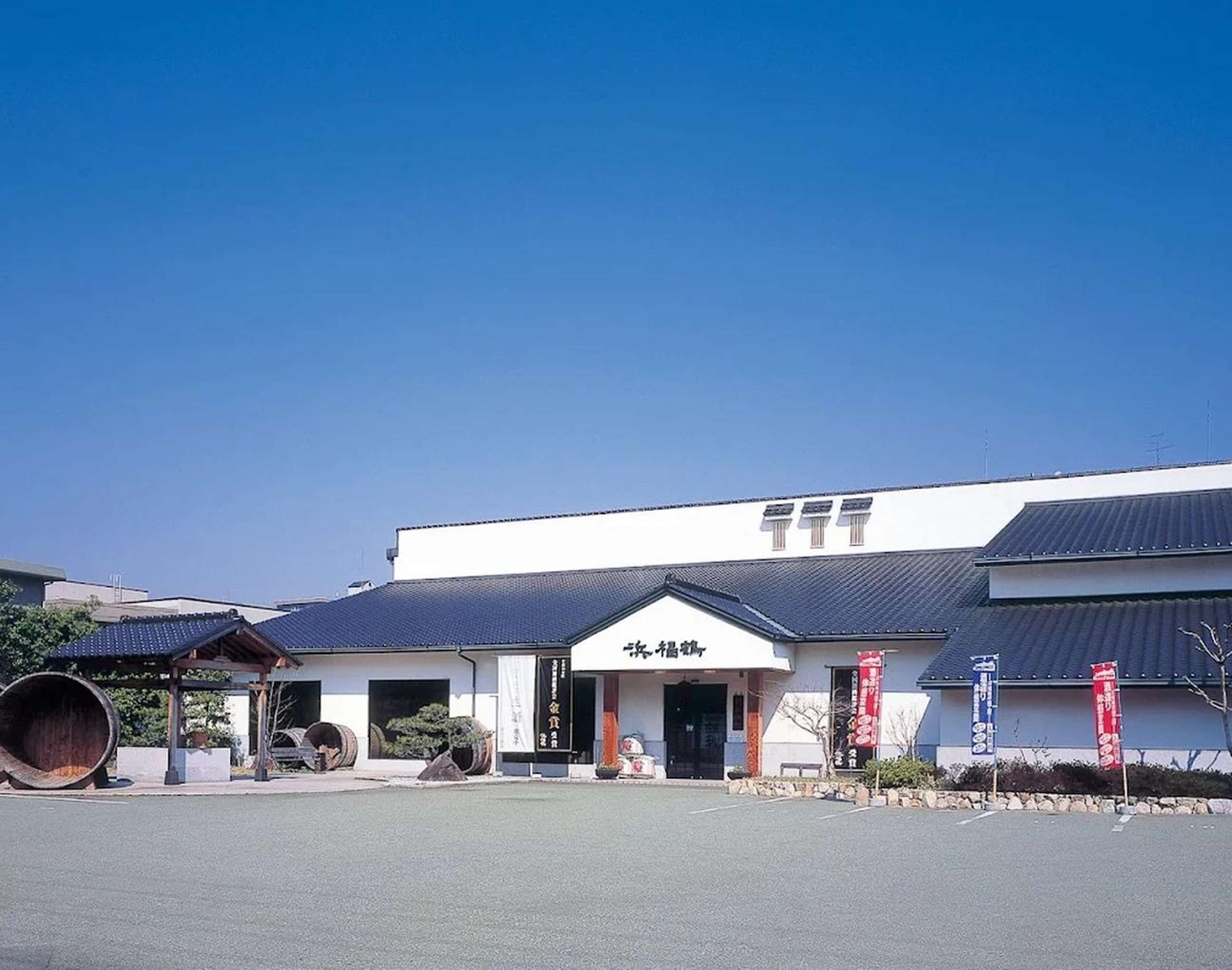
Nada rewards the walk. Kiku-Masamune, Hakutsuru and Kobe Shushinkan link on foot in about 2 km and 23 minutes total, museum visits built around sake.
From October to March the working breweries smell of fermenting mash, and from December cedar balls at the entrances signal fresh raw sake.
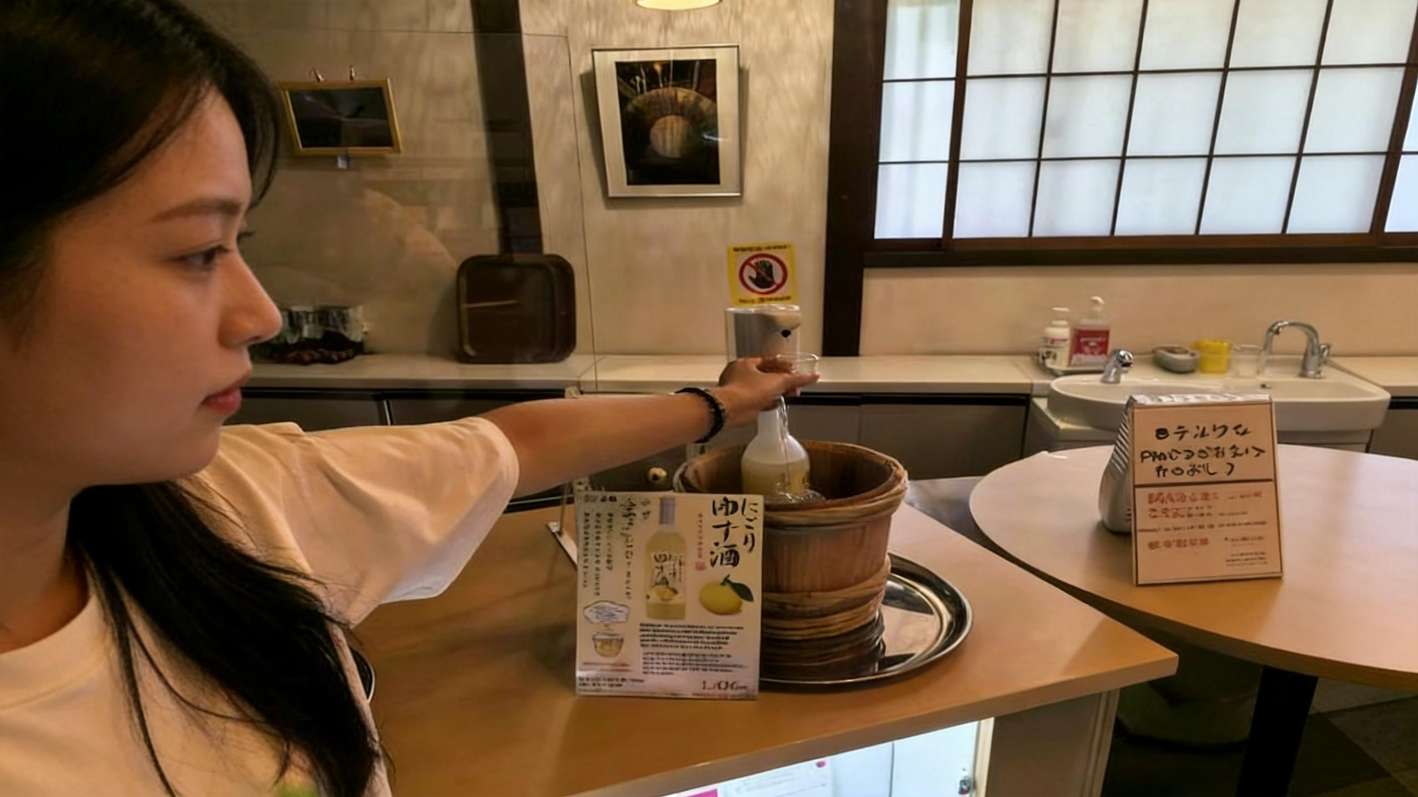
Museums stagger their rest days across Monday to Wednesday, one closes on each, so the week decides what is open. Sake tasting needs age 20 and ID, and standard tastings at most museum halls are free, with one house dispensing paid pours by token machine.
Street snacks call for manners. Eating while walking is poor form in the arcades and Chinatown; step aside or finish at the stall and hand the wrapper back. Arcade bins and convenience stores near Sannomiya take the rest.
One hard rule after tasting: Japan enforces zero tolerance for drivers and cyclists under the influence, and even a bicycle can cost a license. The train carries the afternoon instead.
Around Sannomiya, a private half-day option threads Kitano, Nunobiki Herb Park and Nankinmachi with a Kobe beef meal arranged along the way, and for readers starting in Osaka, a 10-hour scenic day trip adds Mount Maya's ropeway, the port and a beef lunch.
Both keep the same shape: culture first, steak at midday, and the evening free.
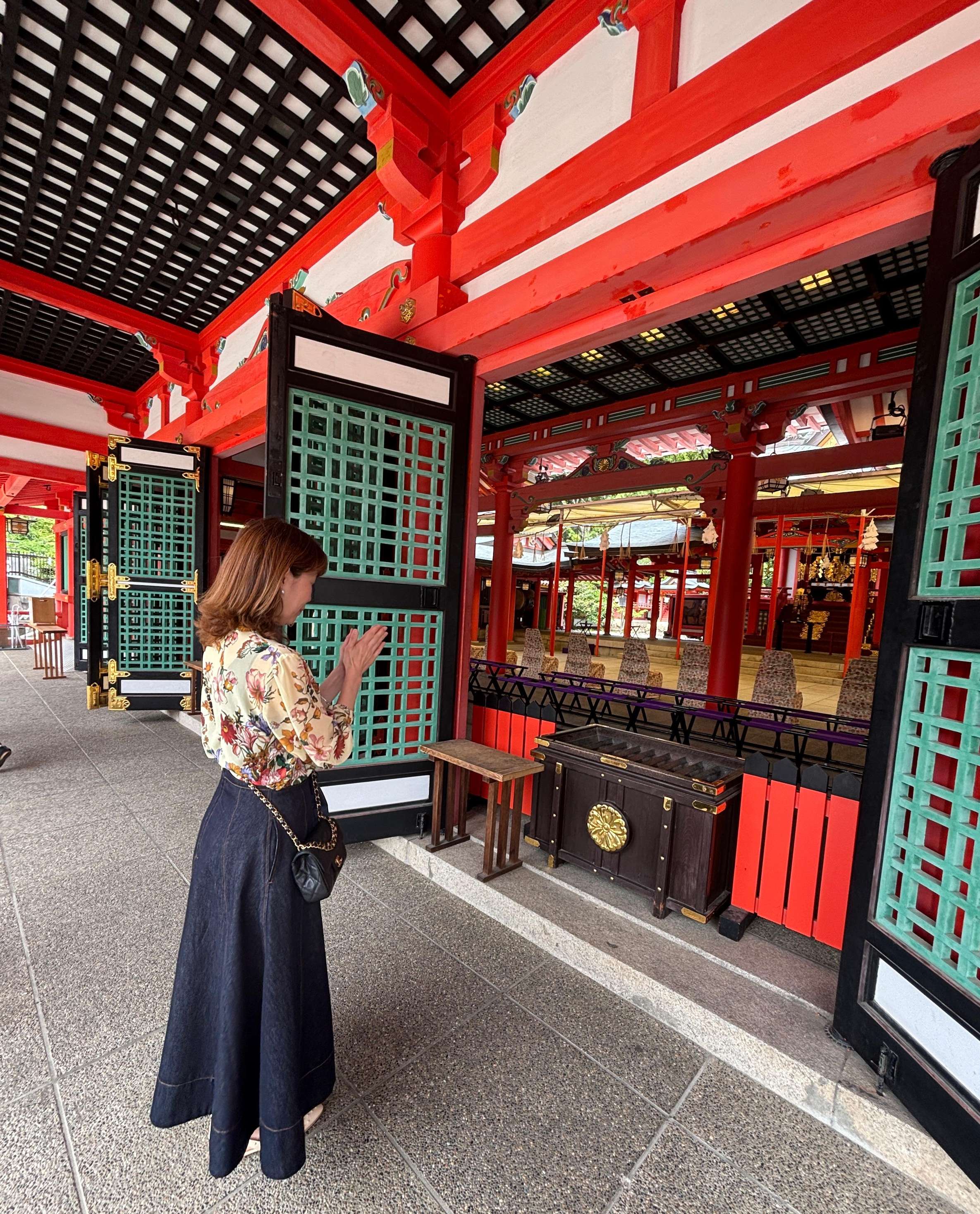
Lunch is where Kobe beef makes sense for a day-tripper: the same certified steak at a smaller, midday-sized portion, no evening service charge, and a counter seat that still books easier than dinner. Book one to two weeks out, sit by 12:30 pm, and let the afternoon take the breweries.
Quick answers on lunch sets, timings, seating and booking before you reserve your midday steak.
 Kobe2026
A standard set includes a designated cut and portion of Kobe beef, seasonal grilled vegetables, salad, soup, steamed white rice (often upgradeable to garlic fried rice), pickles, and coffee or tea with a dessert. Ordering à la carte gets you only the beef, with sides charged separately.
The same certified beef is served, though a few restaurants hold their top grade for the evening. At one well-known steakhouse, dinner is exclusively A5 while lunch also includes A4. Portions are smaller, which suits the richness of the meat.
Count on 60 to 90 minutes from seating to dessert. Faster diners finish in about an hour, and popular steakhouses cap lunch seatings at 80 to 90 minutes. Tour itineraries usually allow the full 90.
Most stop taking lunch orders between 2 pm and 2:30 pm, then close their kitchens between 3 pm and 5 pm before reopening for dinner. Aim for a seating well before the cutoff.
For a weekday lunch counter, reserve one to two weeks ahead, or three to four weeks during cherry blossom and autumn foliage peaks. Lunch is easier to book at short notice than dinner, which often fills further out.
A single portion of 100 to 150 grams suits a dedicated steak meal, while 50 to 70 grams fits a multi-course menu. Because the marbling is so dense, servings of 200 grams or more are meant for sharing.
Look for the small bronze statuette and registration certificate at the entrance, which mark a designated restaurant. Certified beef carries a Japanese chrysanthemum mark, and restaurants can show a certificate of authenticity and a 10-digit ID tracing the animal.
Yes. Many booking platforms only take groups of two or more online, so counter-style teppanyaki restaurants are the best bet for a single seat at the griddle.
Punctuality matters. At some Kobe counters, guests more than 15 minutes late may see their seat given to waiting diners, and a few restaurants treat an unannounced late arrival as a cancellation. Arrive a few minutes early.
The chef fries it on the griddle with the rendered juices and trimmed fat left from your steak, so the rice soaks up the beef's savory flavor. Ask for it instead of plain steamed rice and nothing goes to waste.
The densest cluster of certified lunch venues sits along Kitanagasadori, Shimoyamatedori, and Nakayamatedori, stretching through Motomachidori in a walkable corridor between Sannomiya and Motomachi stations.
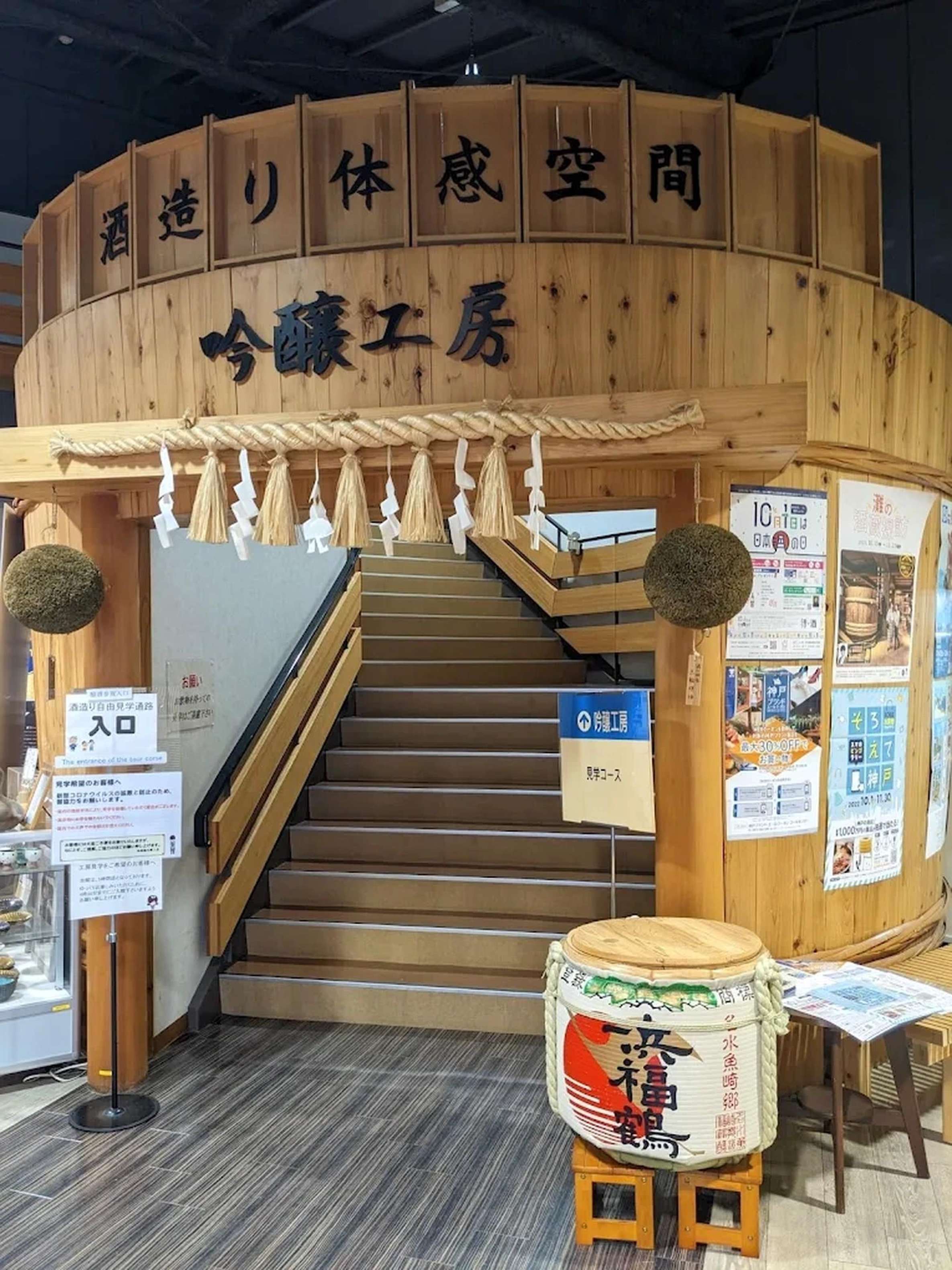
Reserve a certified 120 g Kobe beef steak lunch plus Nada sake tastings, with free cancellation up to 24 hours before you go.