
4 hours·English
5.0(5)
Kobe: Premium Kobe Beef & Sake Tasting Culinary Experience
Free cancellationSake & Ice CreamSake Cup Souvenir
Book the certified Kobe beef steak meal you came to Japan for. Join diners who watched their steak seared on a hot teppan, learned to spot real certification, and ate at a registered Kobe steakhouse with a guide who speaks English.
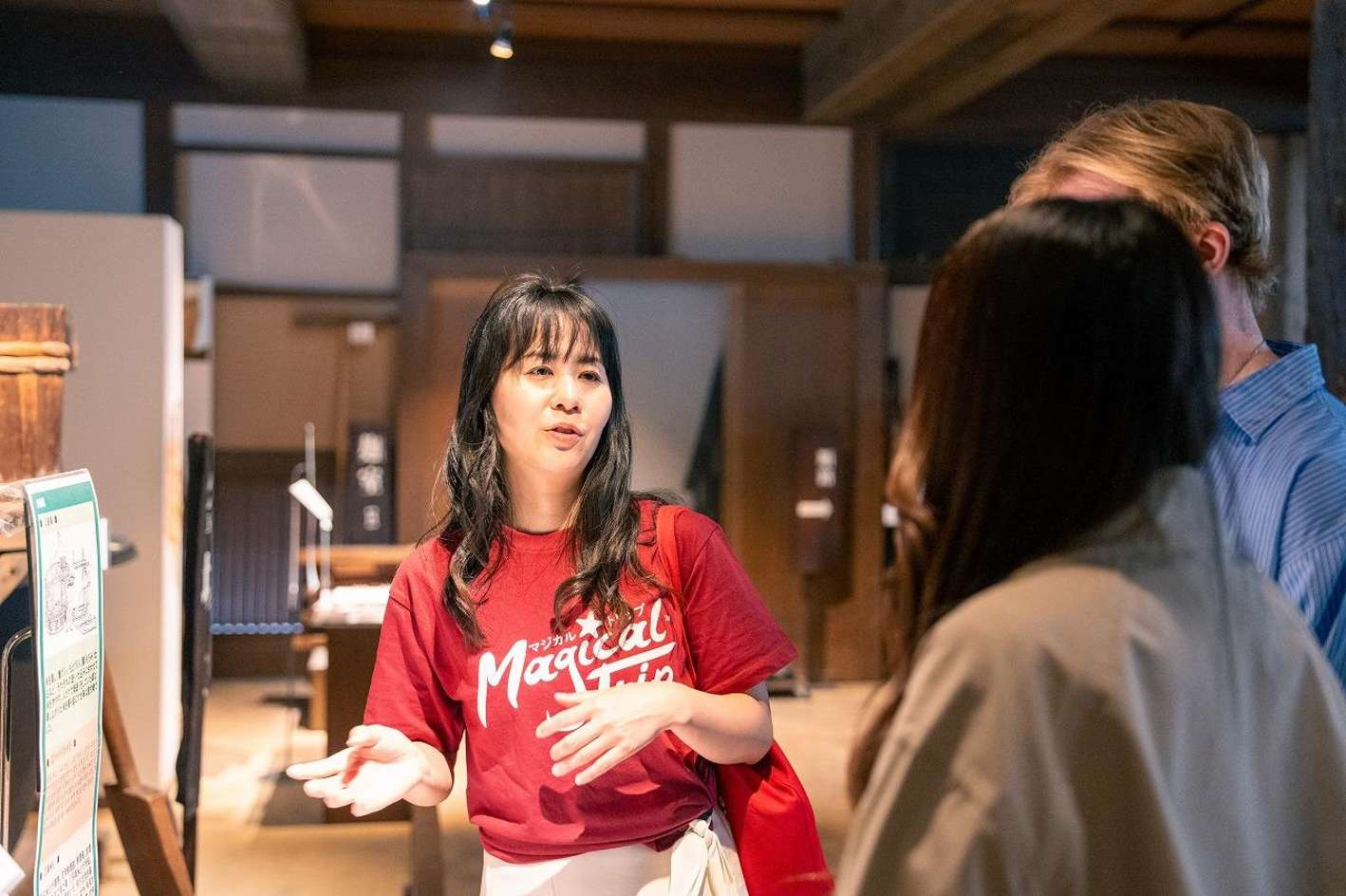
"One of my best tours ever thanks to our guide Chie. She shared the history of Kobe and every spot we passed in a fun, engaging way. Highly recommend her, she's the best."
All Kobe beef is wagyu, but almost no wagyu is Kobe. This page shows how to tell the difference before you pay.
Read the guide
Lunch gets you the same grills and nearly the same grade as dinner, minus the evening prices and the weeks-long wait.
Read the guideAt a Kobe teppanyaki counter the show is the cooking itself: knife work, heat zones, and each bite served within seconds.
Read the guideThree subjects surround the meal itself: what you are eating, when to eat it, and how it is cooked at the grill.
What the certification really means and whether A5 alone proves anything
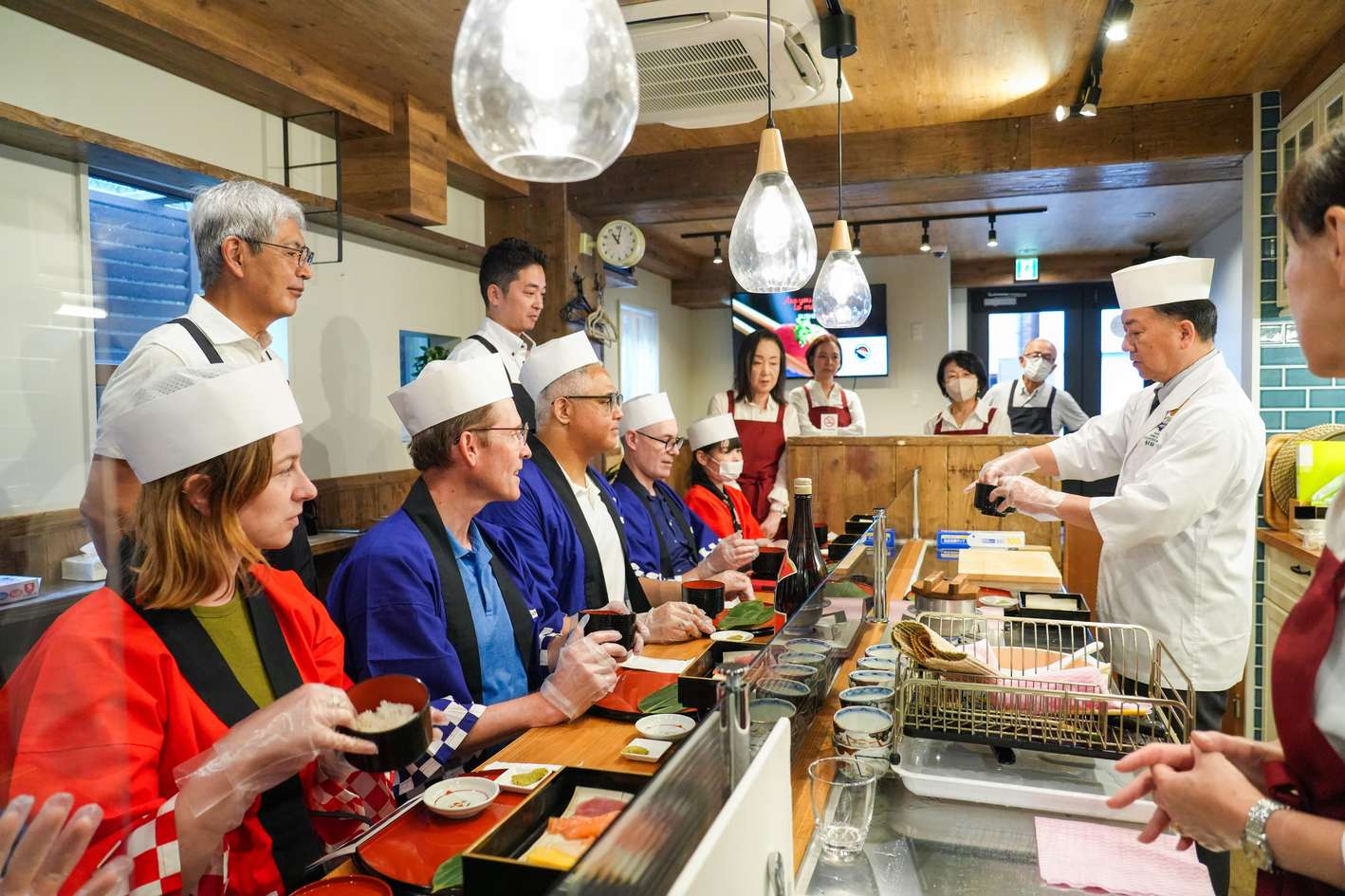
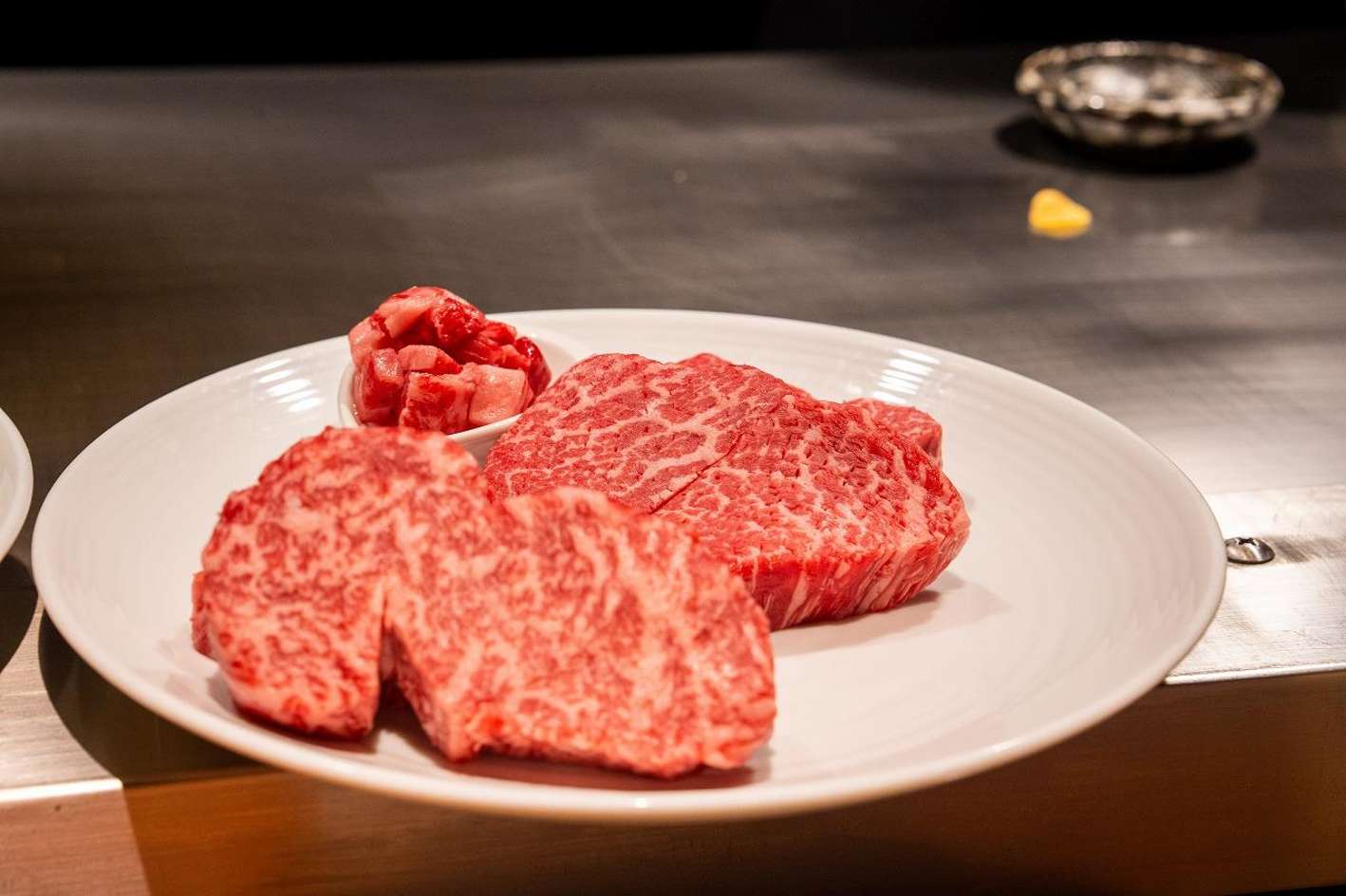
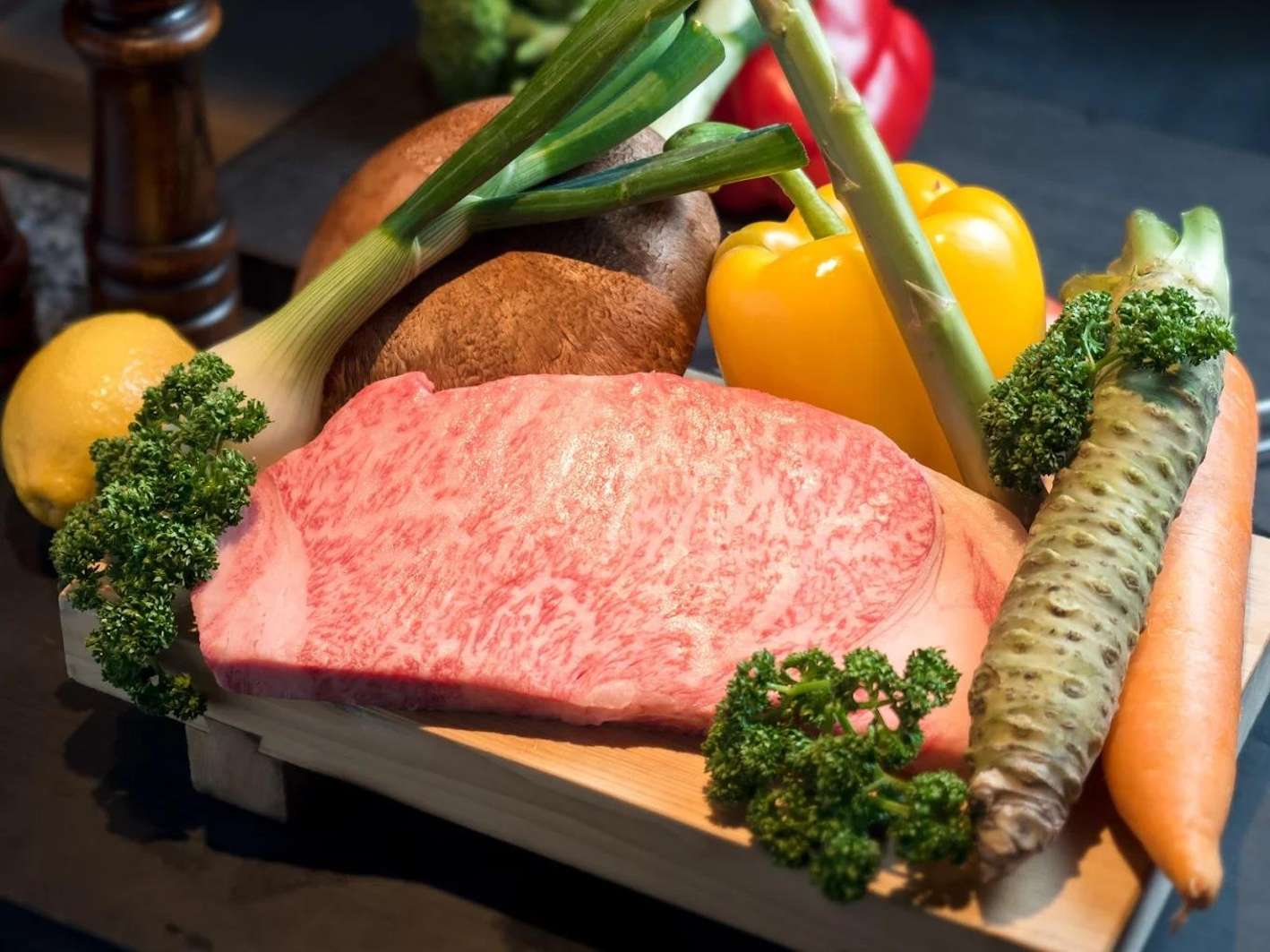
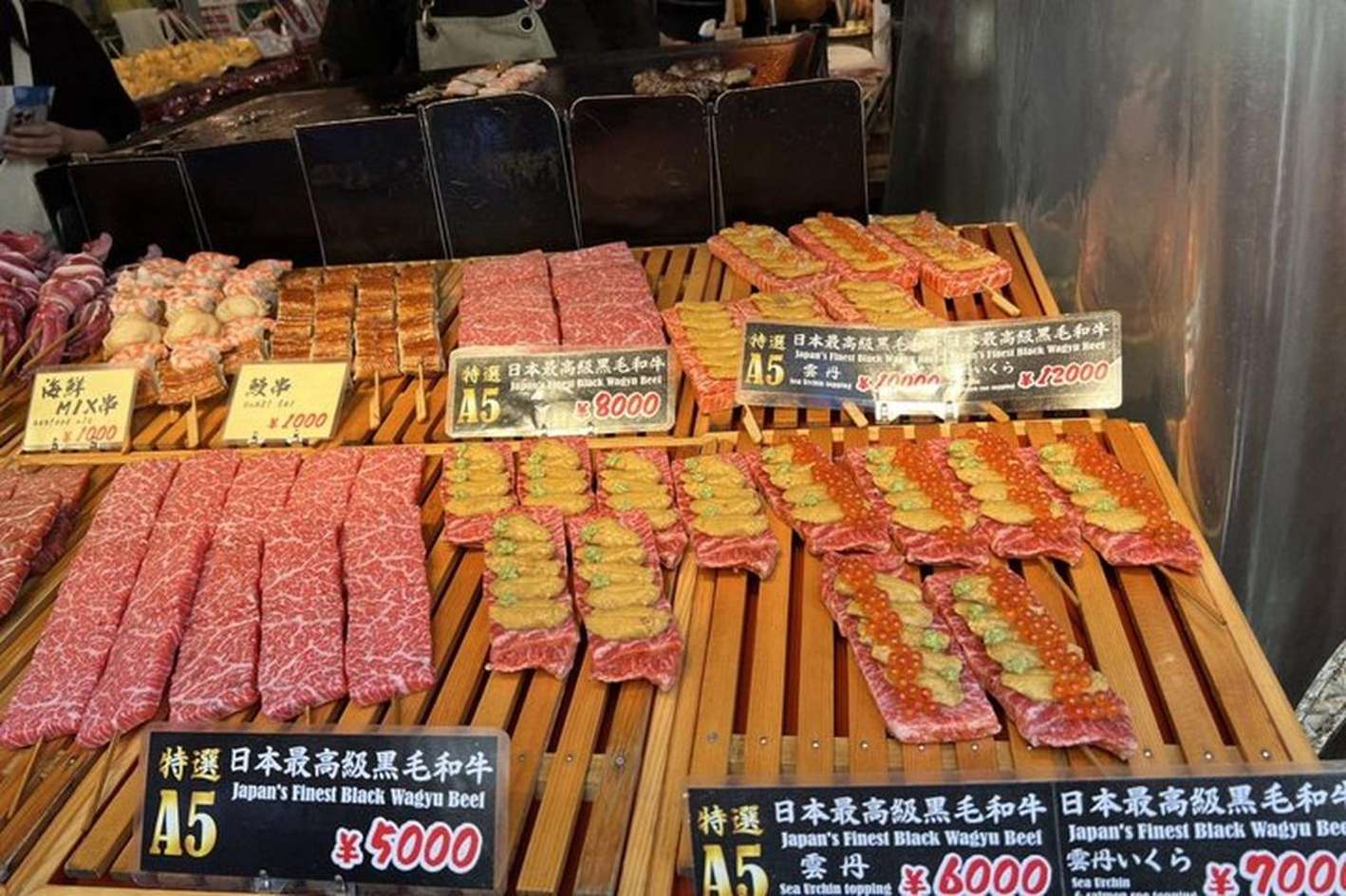
Real Kobe beef comes from purebred Tajima cattle raised and processed in Hyogo Prefecture, and it must carry a marbling score of 6 or higher.
It does not have to be A5; a quality grade of 4 with an A or B yield already qualifies. A5 is a grading rank open to any wagyu, so the rank on a menu tells you nothing about the bloodline behind the meat.
At a restaurant, look for the small bronze statuette and registration certificate at the shop front, and ask for the 10-digit cattle ID on the menu. Certified Kobe beef accounts for under 0.2% of beef eaten in Japan, which explains the price. Read this page before you commit to a set menu.
The same certified beef at midday prices, with far easier tables
Lunch is the smartest slot at a Kobe steakhouse. You sit at the same counters and eat the same grade of beef, and the kitchen closes to lunch orders around 2 pm, so a midday reservation fits before the gap between services.
A teppanyaki lunch course runs 60 to 90 minutes from seating to dessert, which slots neatly into a sightseeing day.
Book one to two weeks ahead for a weekday counter, three to four during cherry blossom or autumn foliage. Dinner counters fill further out.
Portions run 100 to 150 grams per person because the marbling is dense; larger courses are meant for sharing. This page breaks down the full lunch set and where to book it.
4 hours · ★ 5.0 (5)Calligraphy Lesson, Tea Ceremony, & Kobe Beef Lunch in KobeFrom $175  3 hours · ★ 5.0 (2)Hidden Kobe: Kobe Beef Lunch & Local Japanese ExperienceFrom $167 5.5 hoursKobe: Certified Kobe Beef Lunch and Nada Sake Brewery TourFrom $149 10 hoursOsaka: Kobe Scenic & Sake Brewery Tour with Kobe BeefFrom $594 /group
Quiet precision at the iron griddle, with the chef as host
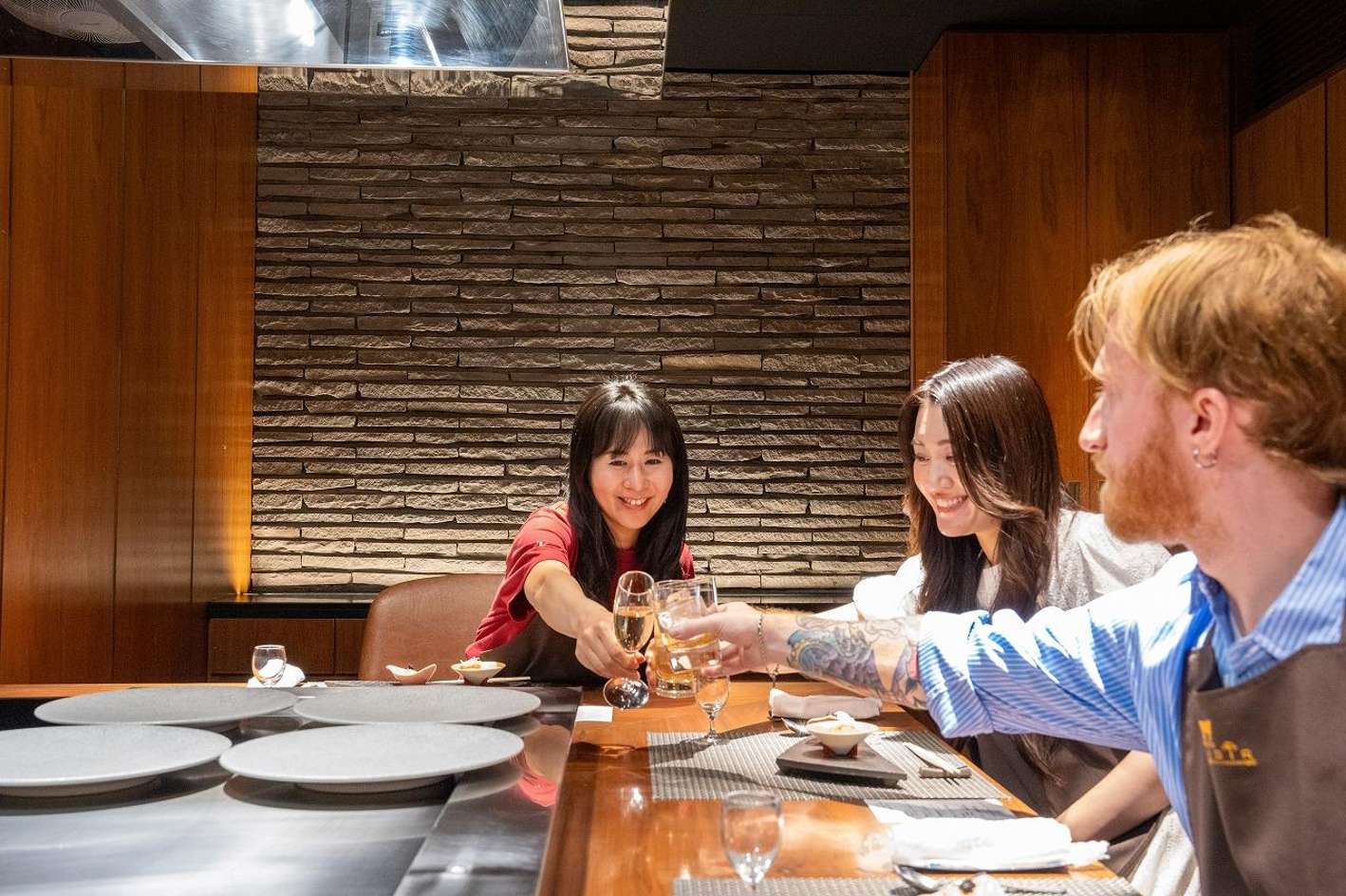
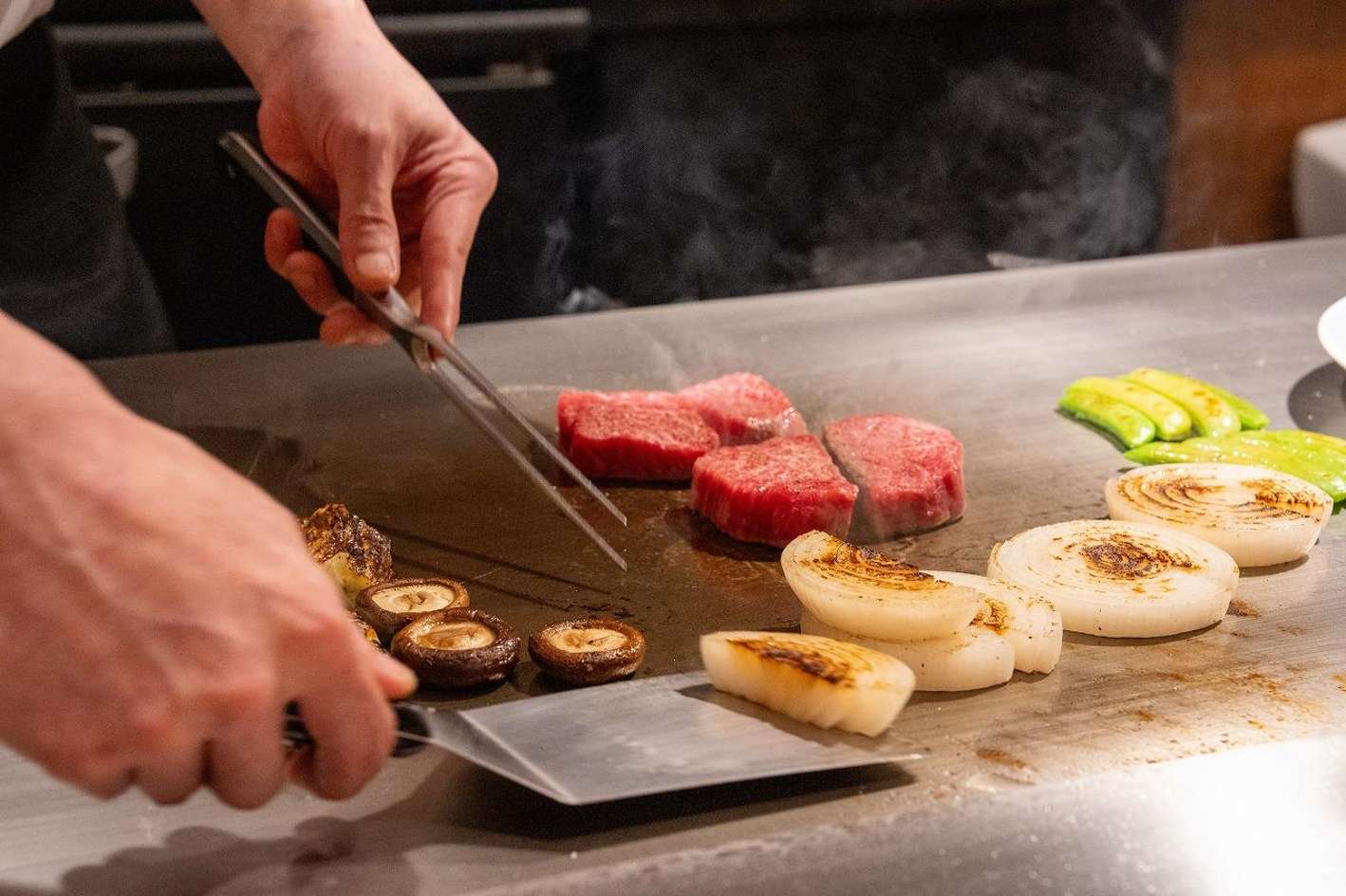
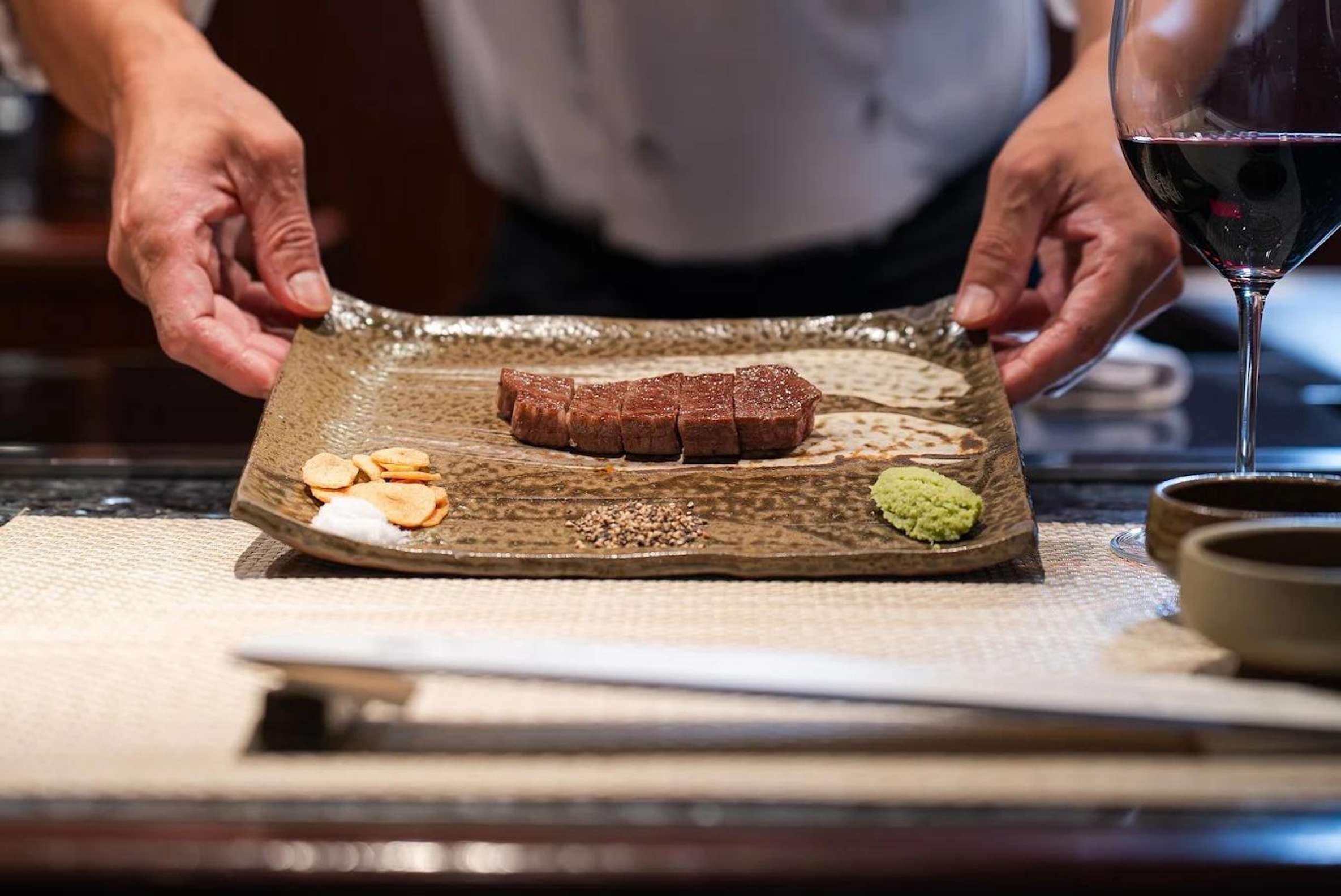
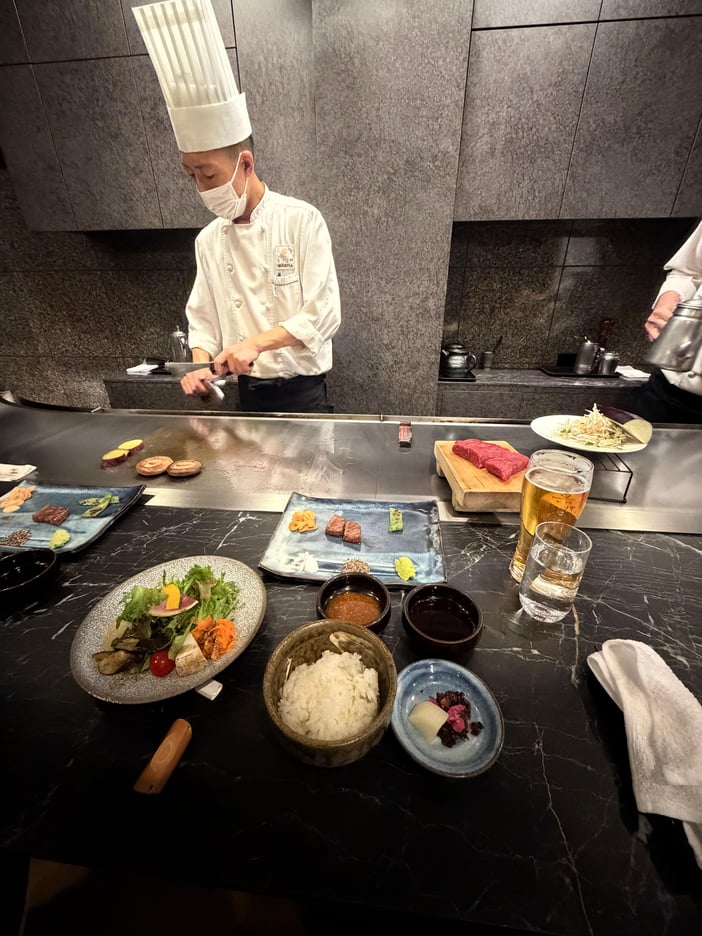
A Japanese teppanyaki counter is quiet where Western steakhouses are loud. No utensil juggling, no tricks; the theater is a chef reading the griddle temperature by holding a palm a few centimeters above the plate, searing over high heat in the center and resting the meat on the cooler edges.
Each bite reaches you within about half a minute of leaving the iron, and the chef serves a few pieces at a time so nothing cools.
Set menus run 100 to 150 grams of filet or sirloin with seasonal vegetables. Garlic fried rice comes at the end, fried in the beef fat left on the griddle so nothing goes to waste.
Smart casual dress works; skip strong perfume. This page covers the full counter experience and the tours that reserve your seat.
A certified Kobe beef steak restaurant serves the same grade of beef at lunch as at dinner, but the counters that carry the bronze statuette seat a handful of people and book out weeks ahead. The table is the hardest part of the day.
Certified Kobe beef must come from purebred Tajima cattle raised in Hyogo Prefecture, and it does not have to be graded A5; a quality score of 4 with an A or B yield qualifies.
Lunch is the same certified beef at the same counters for roughly 20 to 50 percent less than evening menus, with far easier tables.
Look for the small bronze statuette and registration certificate at the door, then ask for the 10-digit cattle ID at the table.
Order 100 to 150 grams per person for a steak course, or 50 to 70 grams inside a multi-course menu; the marbling is that dense.
Arrive on time: same-day cancellations and late arrivals at top counters can cost the full price of the meal.
Check the cancellation window when you book, call the restaurant if a delay is possible, and cancel at least two to three days ahead if your plans change.
The first bite arrives barely off the griddle, still steaming, and the fat dissolves the moment it touches your tongue. That is not a figure of speech: the marbled fat in certified Kobe beef melts at a low temperature, which is why the texture lands so far from any standard steak.
People who have done this as a tour meal keep saying the taste exceeded expectations and was worth the hype.
Whether you believe the bill is a fairer question. All Kobe beef is wagyu, but not all wagyu is Kobe beef: the name is a legally protected designation that only covers meat from purebred Tajima cattle born, raised and processed in Hyogo Prefecture, and it needs a marbling score of at least 6.
Less than 0.2 percent of all beef eaten in Japan qualifies, and Tajima cattle take an extra two to four months to raise than standard wagyu. The scarcity is the bill.
One belief worth correcting before you plan a detour: certified beef is served identically in Tokyo, Osaka and Kyoto. What Kobe gives you is the wider choice of venues and a story to carry home. Our certification chapter covers the grading rules in full.
Lunch is the smarter table, and the math is simple. Midday courses at certified steakhouses serve the same grade of beef as dinner, prepared on the same grill, for roughly 20 to 50 percent less through smaller portions. Evening counters book out one to three weeks ahead; lunch seats are far easier to find.
There is a second saving. Dinner hours add a service charge on top of the menu, and equivalent side dishes arrive only with higher-tier multi-course options.
A lunch set bundles soup, salad, rice or bread and coffee into the base price. The best Kobe beef lunch chapter breaks down the full midday menu and booking windows.
If you would rather have someone else handle the table entirely, one guided option fits the day neatly.
The Hidden Kobe: Kobe Beef Lunch & Local Japanese Experience runs three hours and pairs a premium Kobe beef lunch with a visit to Ikuta Shrine, one of the oldest shrines in Japan, and a traditional pottery shop. The beef arrives with four homemade sauces and seasonal grilled vegetables in a quiet local restaurant.
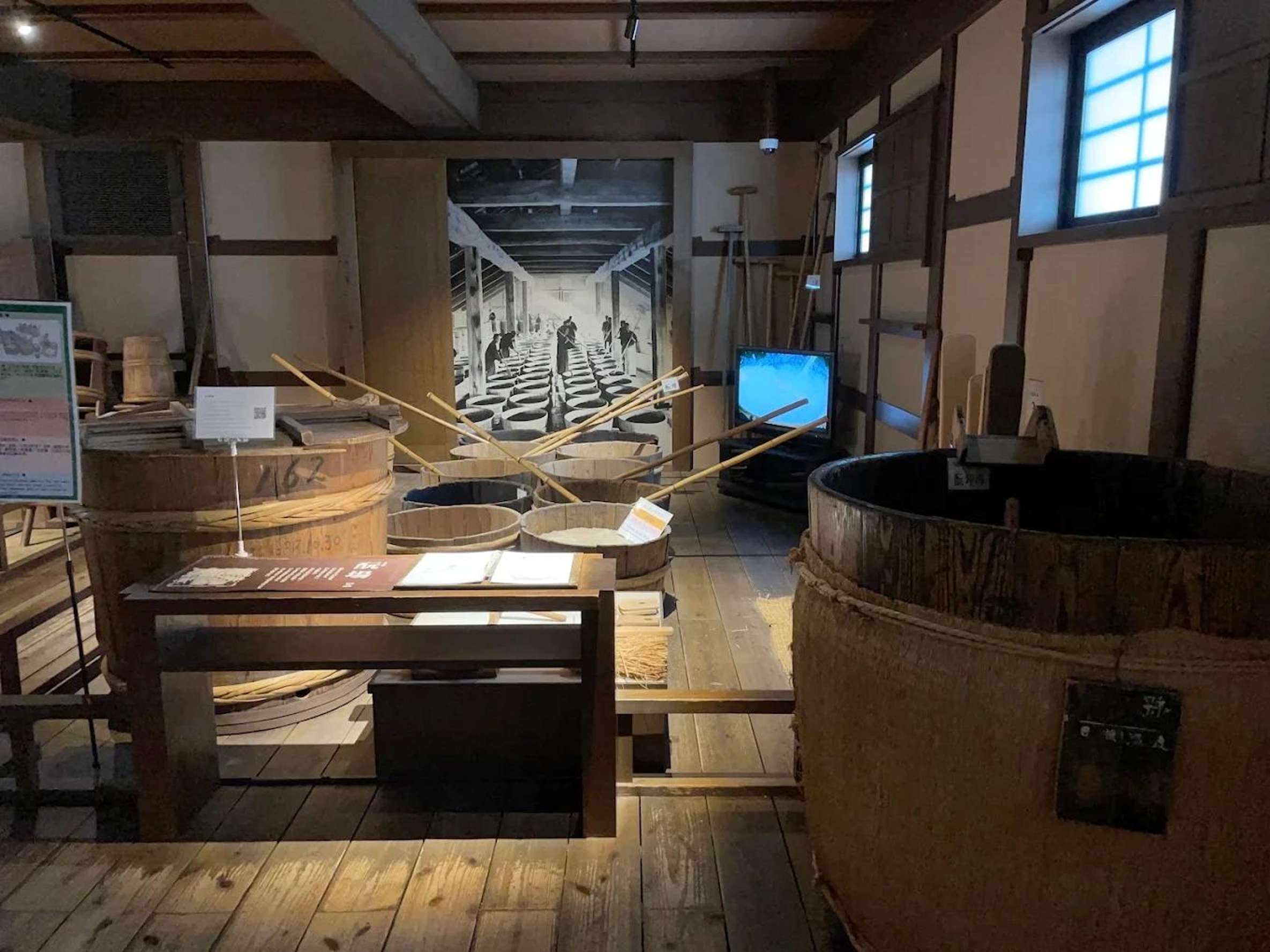
Teppanyaki is quieter than any Western steakhouse. There is no utensil juggling and no tricks; the performance is a chef holding a palm about three centimeters above the griddle to read its heat, then adjusting. The kobe beef teppanyaki chapter goes deeper into the counter experience.
The griddle itself does the work. It is divided into heat zones, so the chef sears the beef over the hot center and slides it to the cooler edges to rest.
High, even heat sears the outside and lets excess fat render off, which is what keeps a heavily marbled cut from tasting greasy. Meat is cooked in small batches and served straight away, because anything left on the iron overcooks.
Medium-rare is the point. Rare leaves the abundant fat unrendered and chewy; medium-rare lets the low-melting-point fat dissolve into the meat fibers and carry the sweet aroma with it.
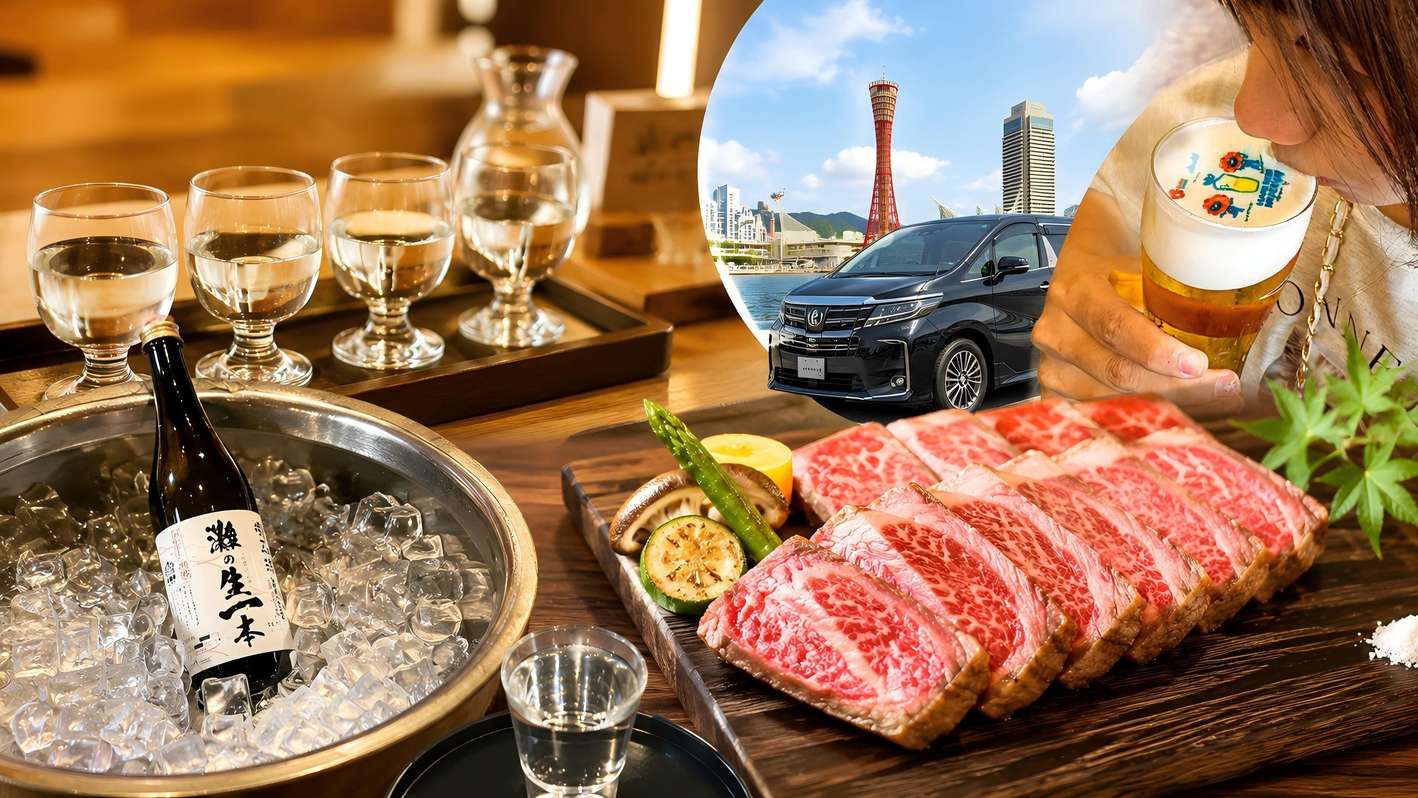
The chef is also your host and paces the meal to you. Eat slowly and the next course waits. The counter at Kobe: Premium Kobe Beef & Sake Tasting Culinary Experience is one such reserved seat, with the beef grilled in front of you after a Nada sake visit.
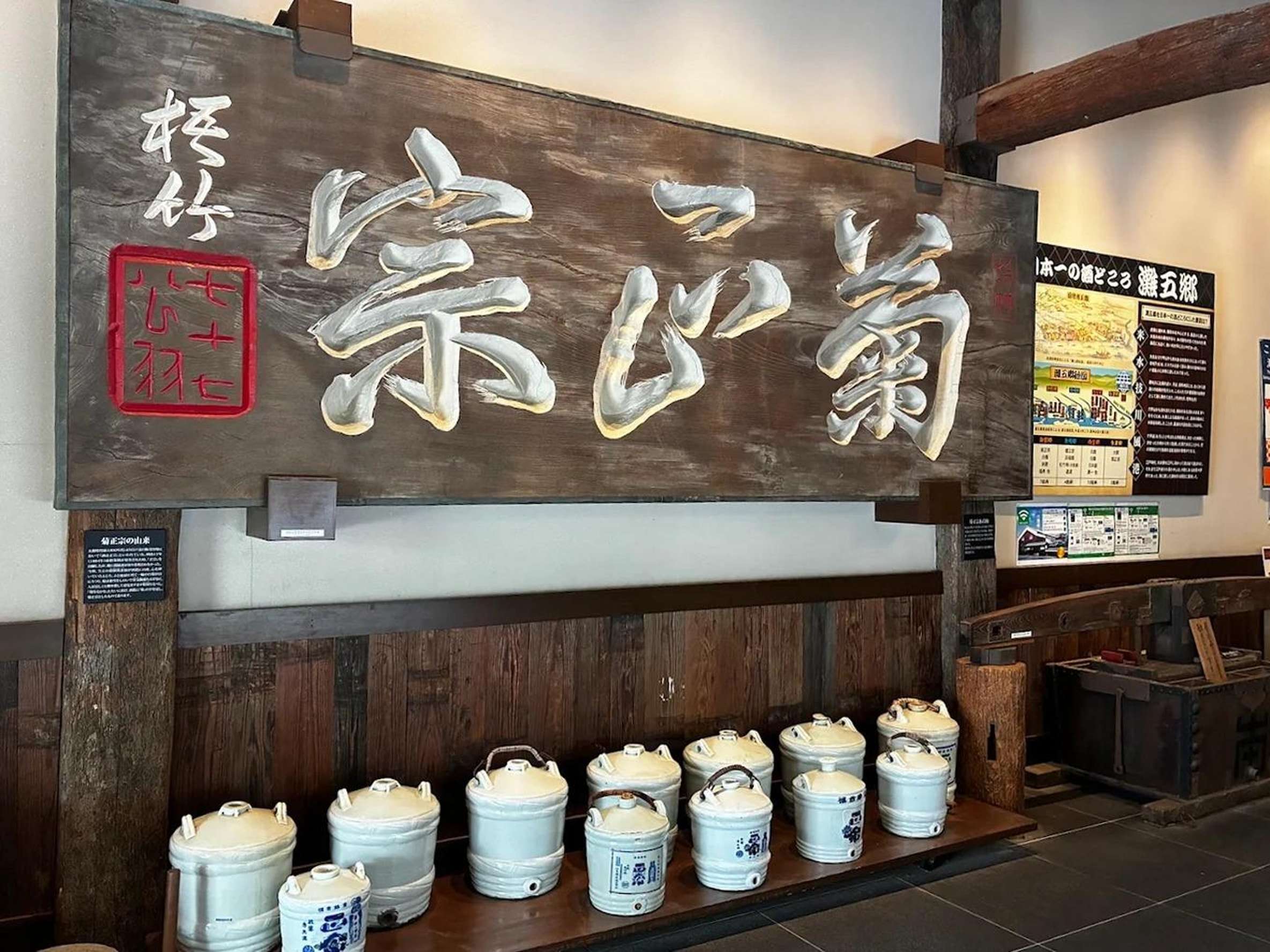
Three formats share the word steakhouse in Japan, and they feel like different nights out. At a teppanyaki counter the chef cooks everything in front of you and talks you through it.
Table service is equally attentive but more intimate, with courses arriving from the kitchen. Yakiniku is the casual one: you grill the meat yourself on a burner built into the table and dip pieces in yakiniku sauce or ponzu.
| The chef, across the griddle from you | The kitchen, out of sight | You, at your own table | |
|---|---|---|---|
| Atmosphere | Quiet precision, few seats | Intimate and attentive | Casual, social, louder |
| Formality | Smart casual dress code, often age limits at the counter | Smart casual, relaxed pacing | Loosest rules of the three |
| Suits | Diners who want the chef in front of them | Daters and quiet celebrations | Groups and first-timers who want low pressure |
House rules to know before you sit down. Smart casual is the standard: no shorts, T-shirts, tank tops, sandals or caps, and no perfume or scented hair products, because artificial scents clash with the beef at close quarters.
Tipping is not customary and at some counters it is frowned upon. Upscale counters often seat only children of six or seven and up, while family venues have no such rule.
At the counter, wait for the chef to hand each piece over, tell him your doneness before cooking starts, and keep the camera flash out of his eyes.
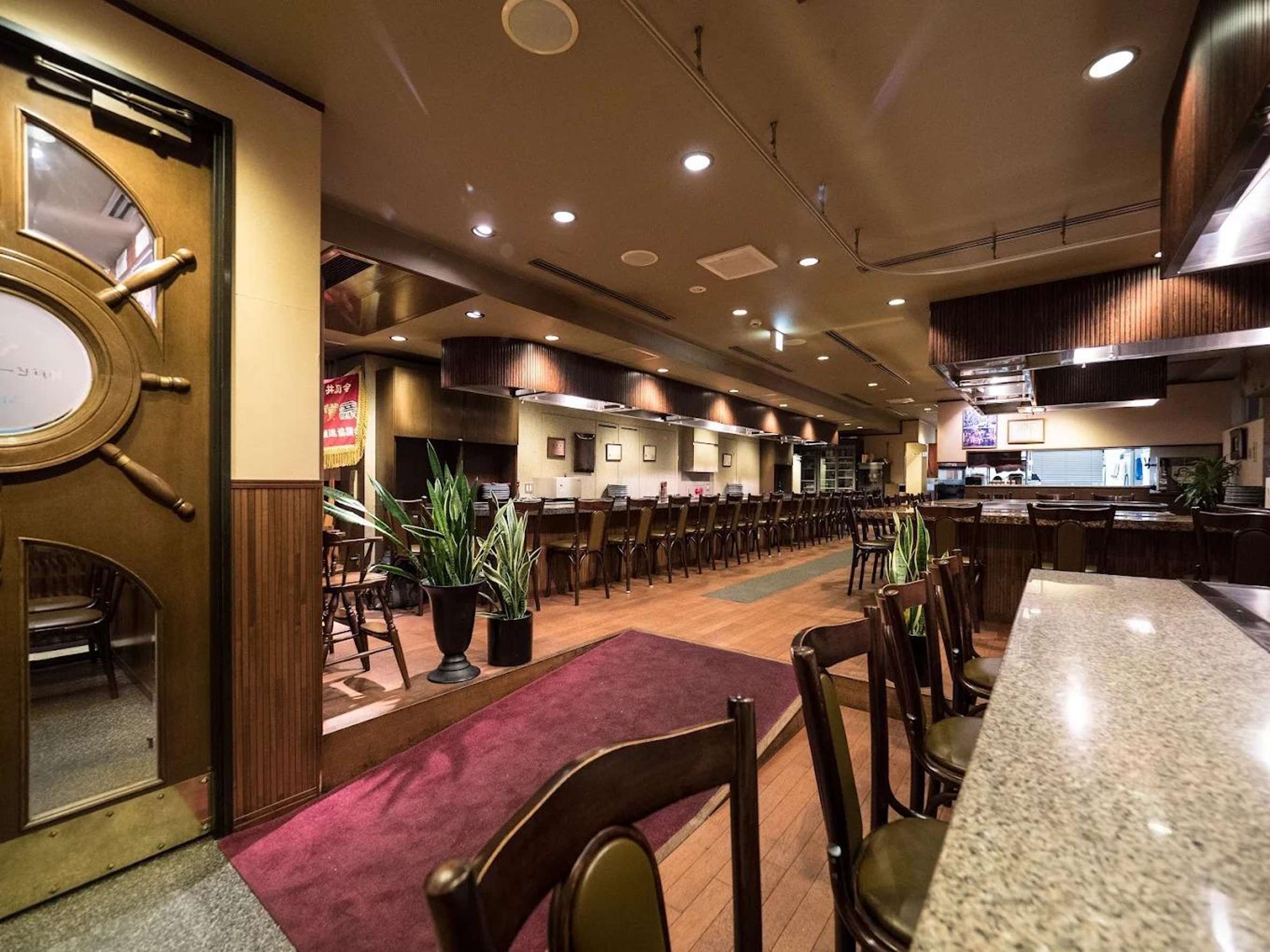
A steak course reads as one plate on a menu but lands as an event. A typical Kobe beef dinner course opens with an aperitif and hors d'oeuvre, then a soup of the day and a colorful salad.
The steak itself comes with grilled vegetables and toast, followed by dessert and coffee or tea. One halal course at a Kobe steakhouse runs appetizer, salad, five varieties of grilled vegetables, a 150 gram sirloin, garlic rice and fruit.
The course people remember is the one at the end. Garlic fried rice is fried on the griddle in the beef fat and juices left from your steak, so the rice soaks up everything the meat released.
None of the flavor is wasted, which is why locals order it instead of plain steamed rice. At some restaurants it arrives with a clear beef soup, pickles and a small simmered beef dish alongside.
Knowing this changes how the price reads. You are not paying for a slab of meat; you are paying for a structured meal that ends with the best fried rice of your trip. Set menus usually center on tenderloin or sirloin with seasonal vegetables.
Before you reserve, watch a filmed restaurant visit online to see the whole sequence unfold at the griddle.
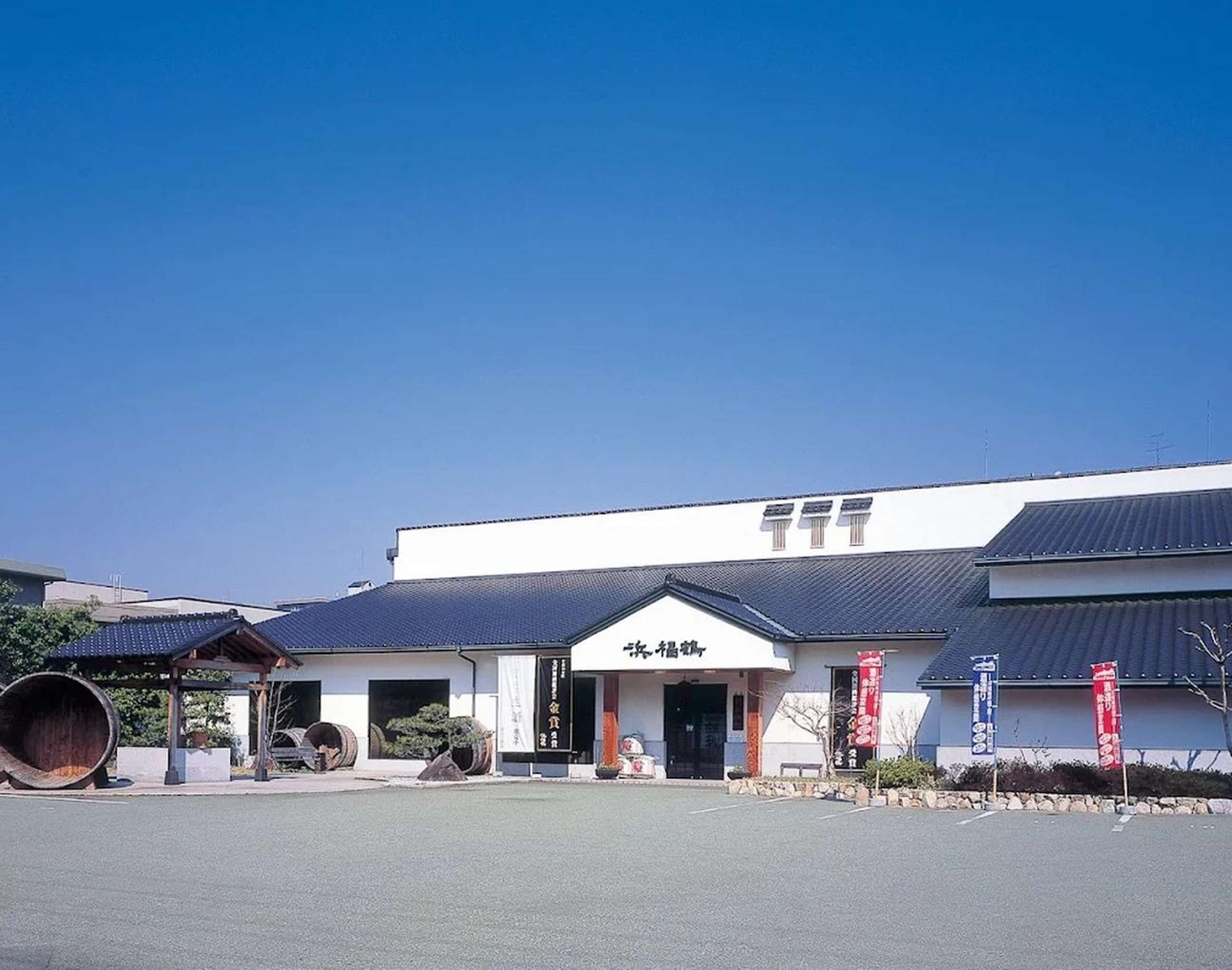
The proof is on the storefront before you ever open the menu. Every restaurant authorized to handle genuine Kobe beef must display a small bronze statuette and its registration certificate at the door. If the statuette is missing, walk on.
At the table, ask for the beef's own documents. Certified carcasses carry a Japanese chrysanthemum stamp, the prefectural flower of Hyogo, in four places, and a good steakhouse shows you a certificate with a 10-digit cattle ID.
That number traces the animal's lineage, where it was born and raised, and whether it is certified Tajima-gyu Kobe beef. The word wagyu on a menu proves none of this.
Outside Japan, crossbred beef can be legally sold as "Kobe beef" or "Kobe-style beef" In Japan that labeling is illegal, so verify the bronze statuette and registration certificate at the door before ordering
Two habits separate confident diners from hopeful ones. Never order on the strength of a menu that says Kobe beef or A5 without checking the grading behind it. And check the venue against the official certification registry before assuming every wagyu house is the real thing.
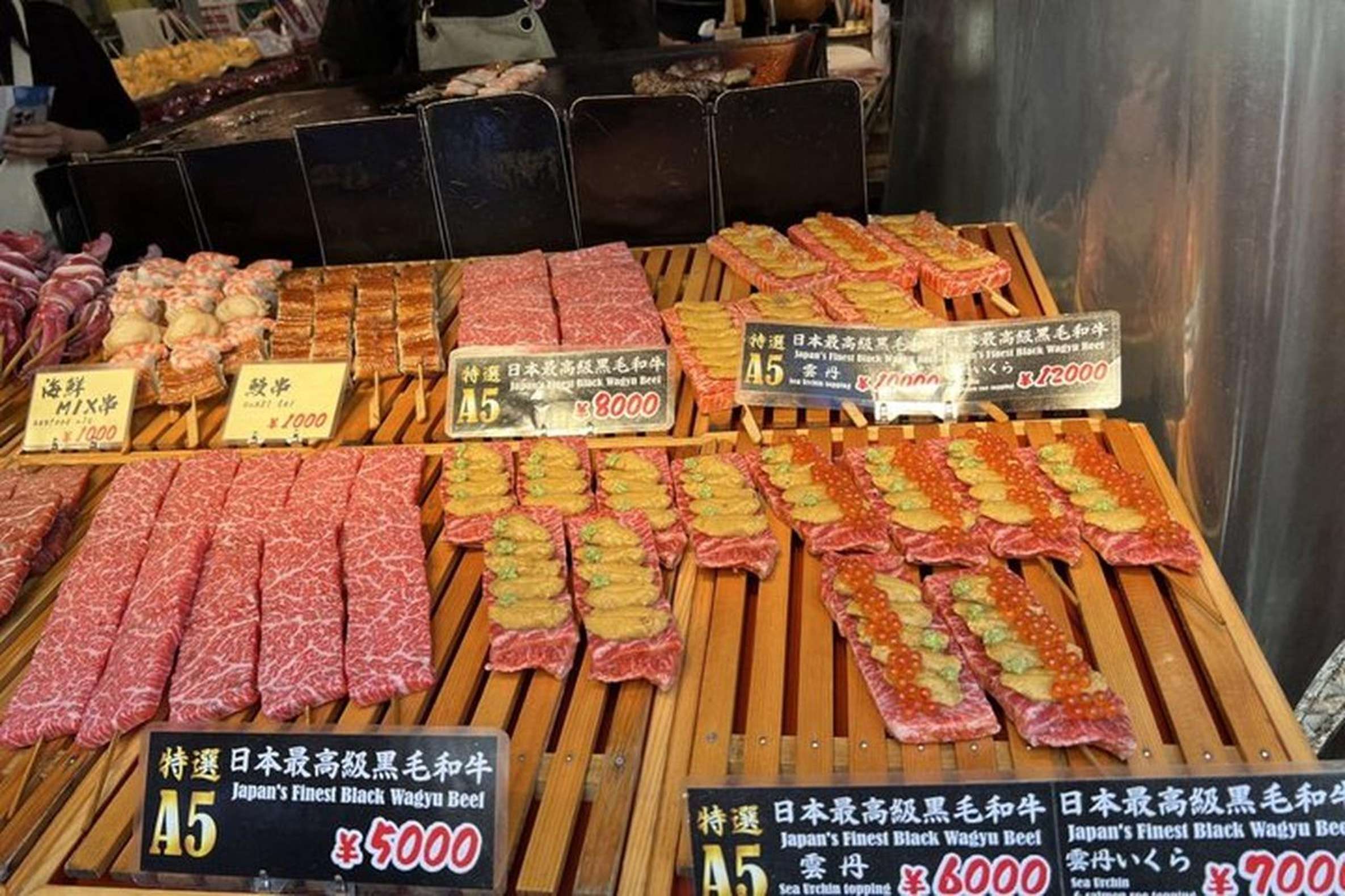
The dense marbling that makes this beef famous also decides the portion. For a dedicated steak course the sensible order is 100 to 150 grams per person; inside a multi-course tasting menu, 50 to 70 grams does the job.
Standard beef steaks run 200 grams and more, while A5-grade courses of that size are meant for the table to share.
The flavor rewards restraint. The fat dissolves at low temperature into a mellow sweetness with buttery richness, softer and more tender than any standard steak, and less bound to a strong beefy taste than cuts like USDA Choice or Prime.
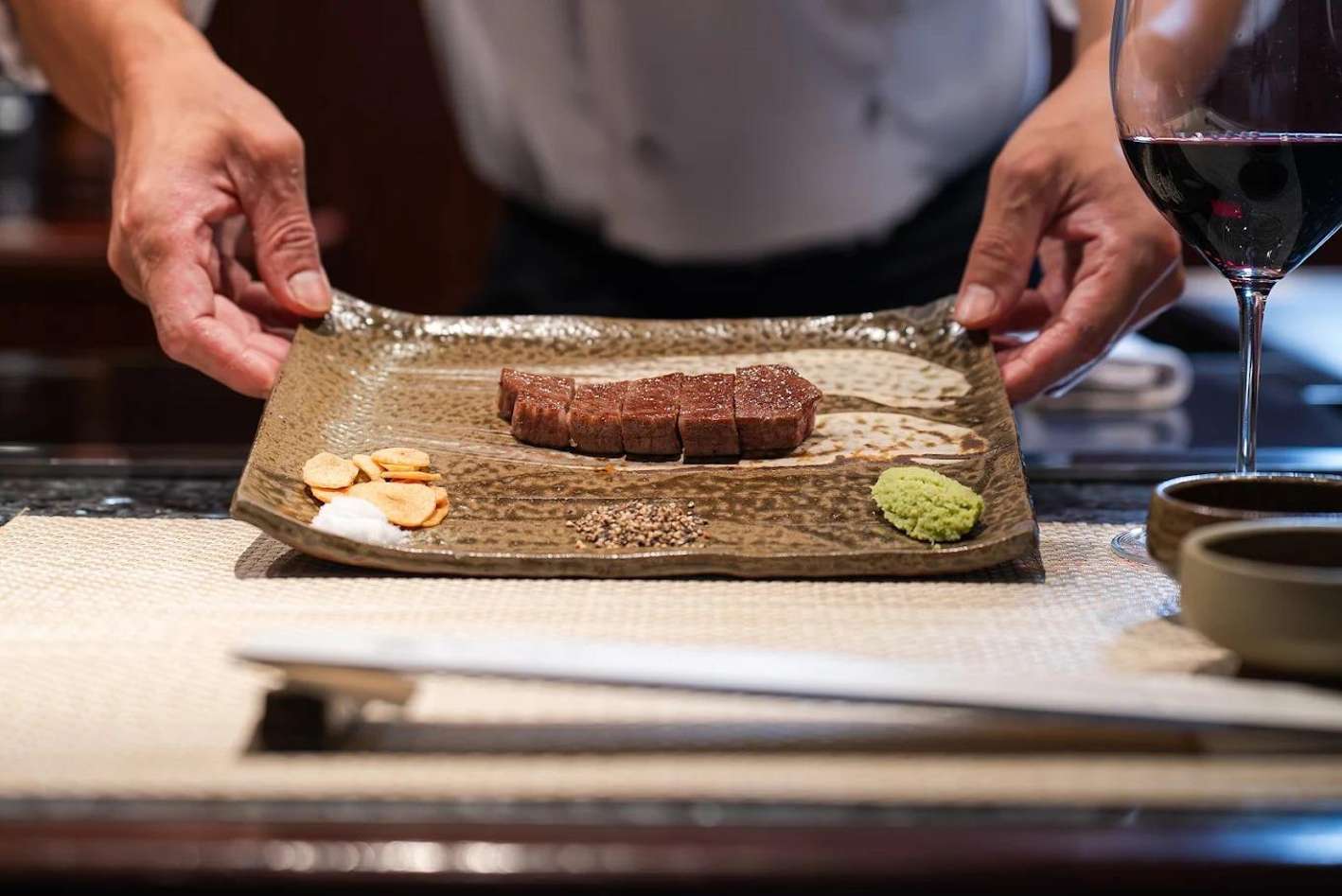
Simple seasoning serves it best: coarse sea salt and fresh wasabi cut through the fat far better than sweet sauces.
You are not limited to the two famous cuts either. Steakhouses offer ribeye roll, rump and other round cuts alongside sirloin and tenderloin, and round cuts tend to be the leaner choice.
The guided lunch at Mouriya on the certified tour, for example, serves a 120 gram inside round steak, with premium cuts such as sirloin available at your own expense if the restaurant allows.
Treat the smaller portion as permission to enjoy the full course. Richness this high does not reward volume.
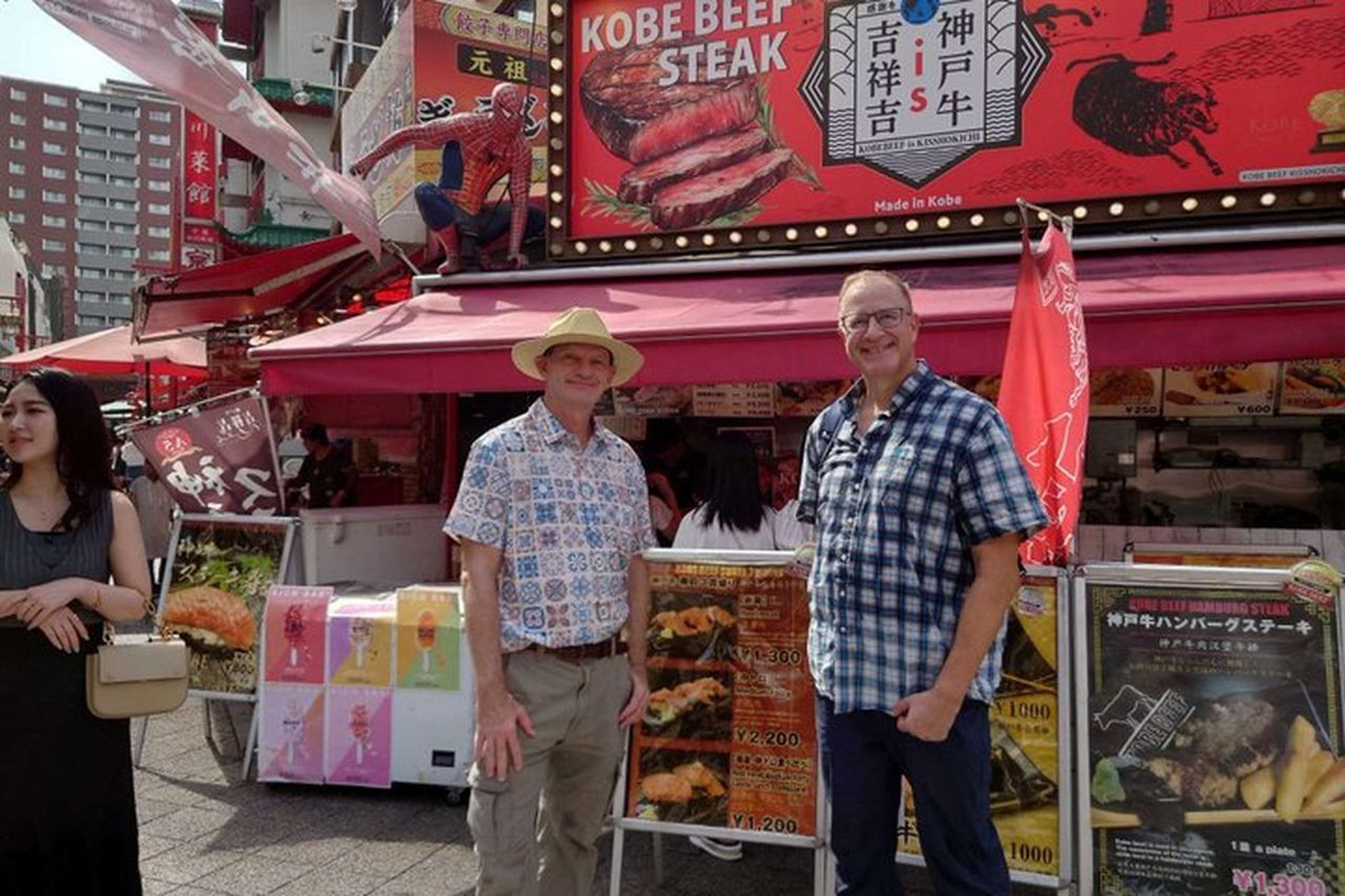
High-end Kobe beef restaurants require reservations, and the rooms are small. Counters seat a handful of diners, groups fill them fast, and some steakhouses open bookings only two months ahead. During cherry blossom and autumn foliage peaks the best counters are gone three to four weeks out, sometimes longer.
Booking from abroad has known workarounds. A hotel concierge or email can secure the table; if an online form rejects your foreign number, use the restaurant's alternative route instead of typing a false Japanese number, and never hand out the hotel's main phone number unless the hotel agrees to act as your contact.
The lateness rules bite harder than most travelers expect. One Kobe counter seats late guests only if the table has not gone; others cancel outright at 15 to 30 minutes, and same-day no-shows can cost the full meal price.
| If this happens | What happens then |
|---|---|
| You cancel a guided lunch tour more than 24 hours ahead | Full refund |
| A walking tour meets a typhoon warning or transit suspension | The operator cancels and refunds or reschedules |
| You arrive late at a top counter | The seat may be given away or the booking canceled, sometimes with the full meal charged |
If the friction of a foreign booking sounds like a bad use of a holiday, let a guided seat do the work.
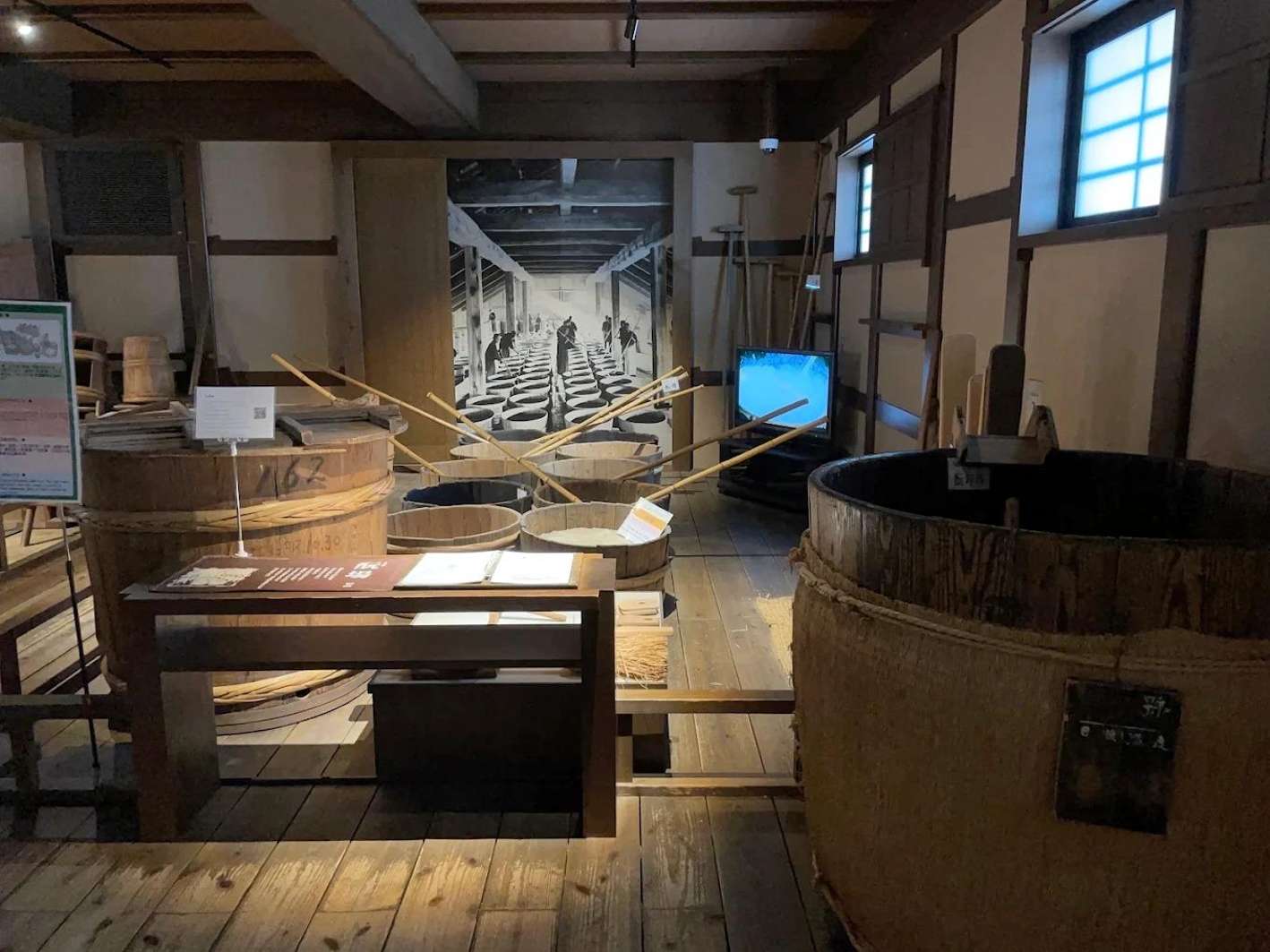
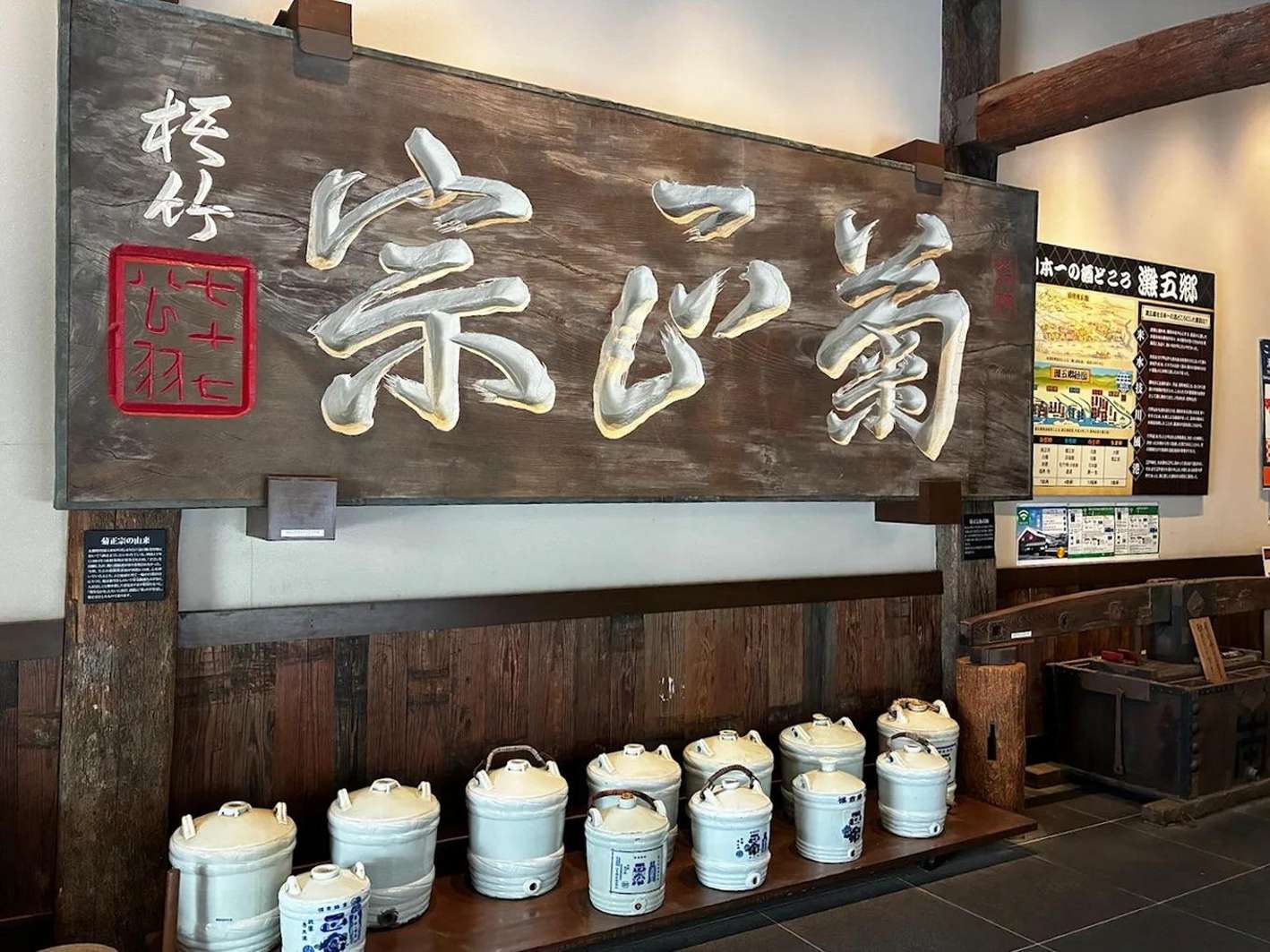
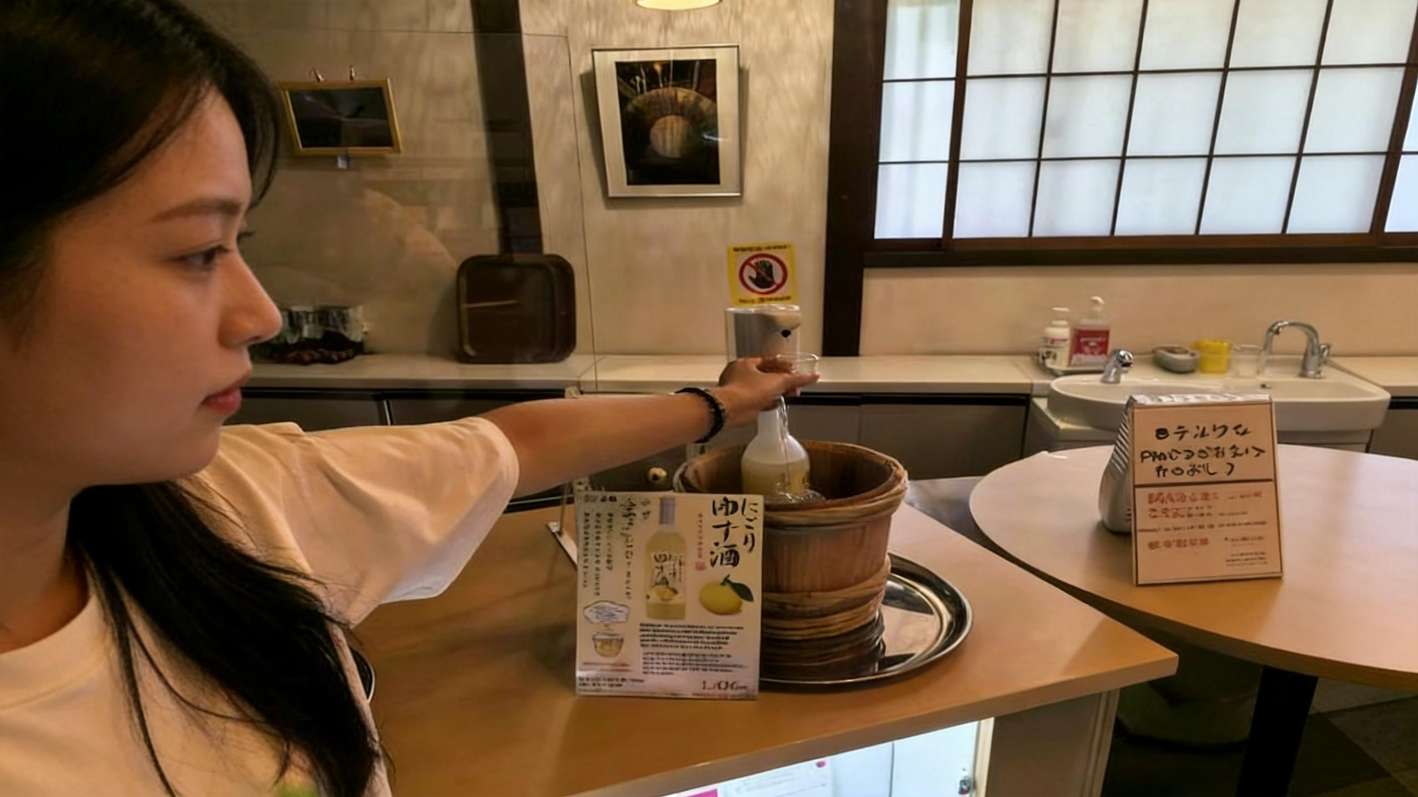
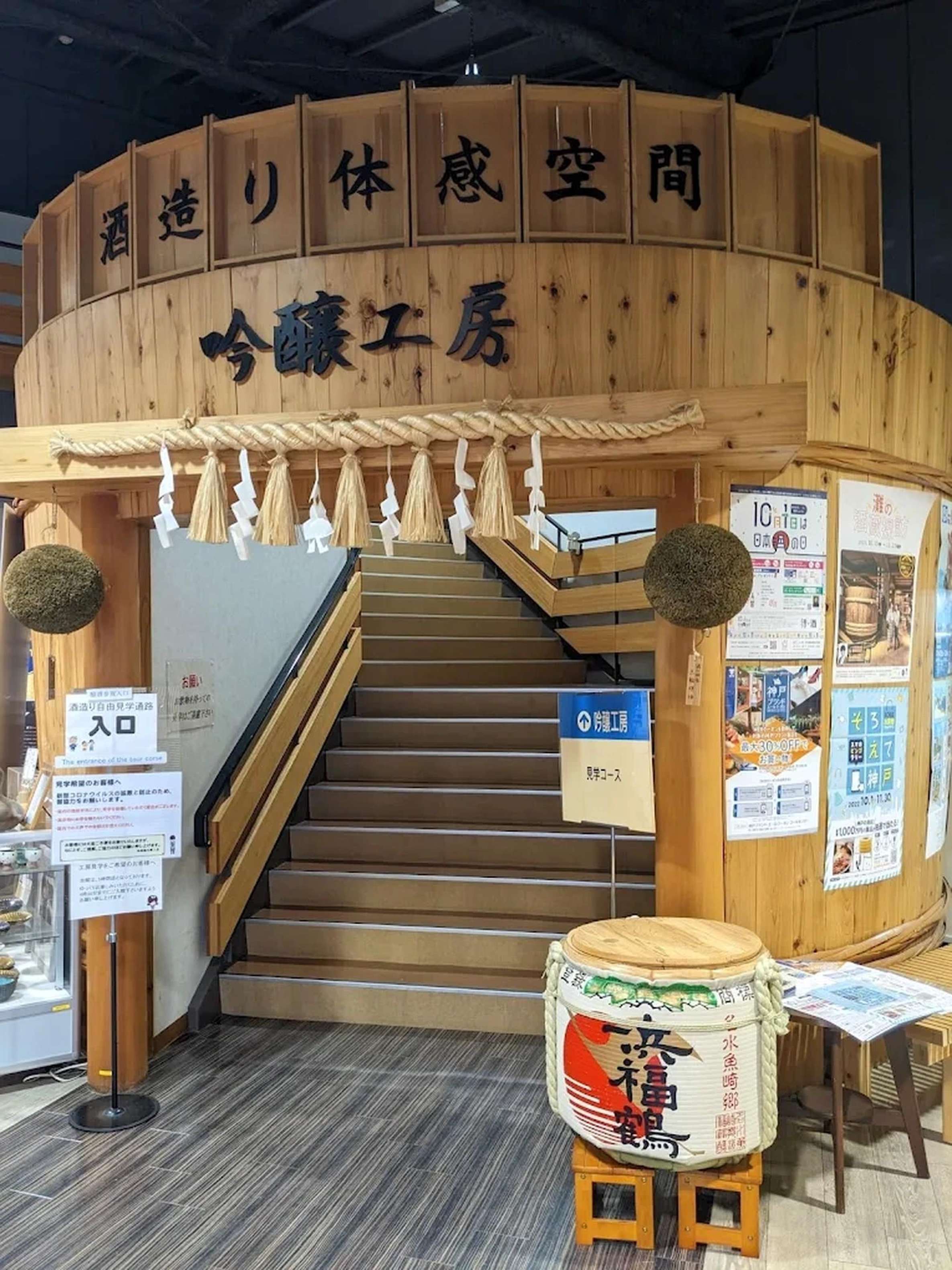
The Kobe: Certified Kobe Beef Lunch and Nada Sake Brewery Tour reserves the table at a registered steak restaurant, serves a 120 gram certified steak lunch set with soup, salad, grilled vegetables, rice or bread and coffee, then takes the local train east to the Nada breweries with tastings included for guests 20 and over.
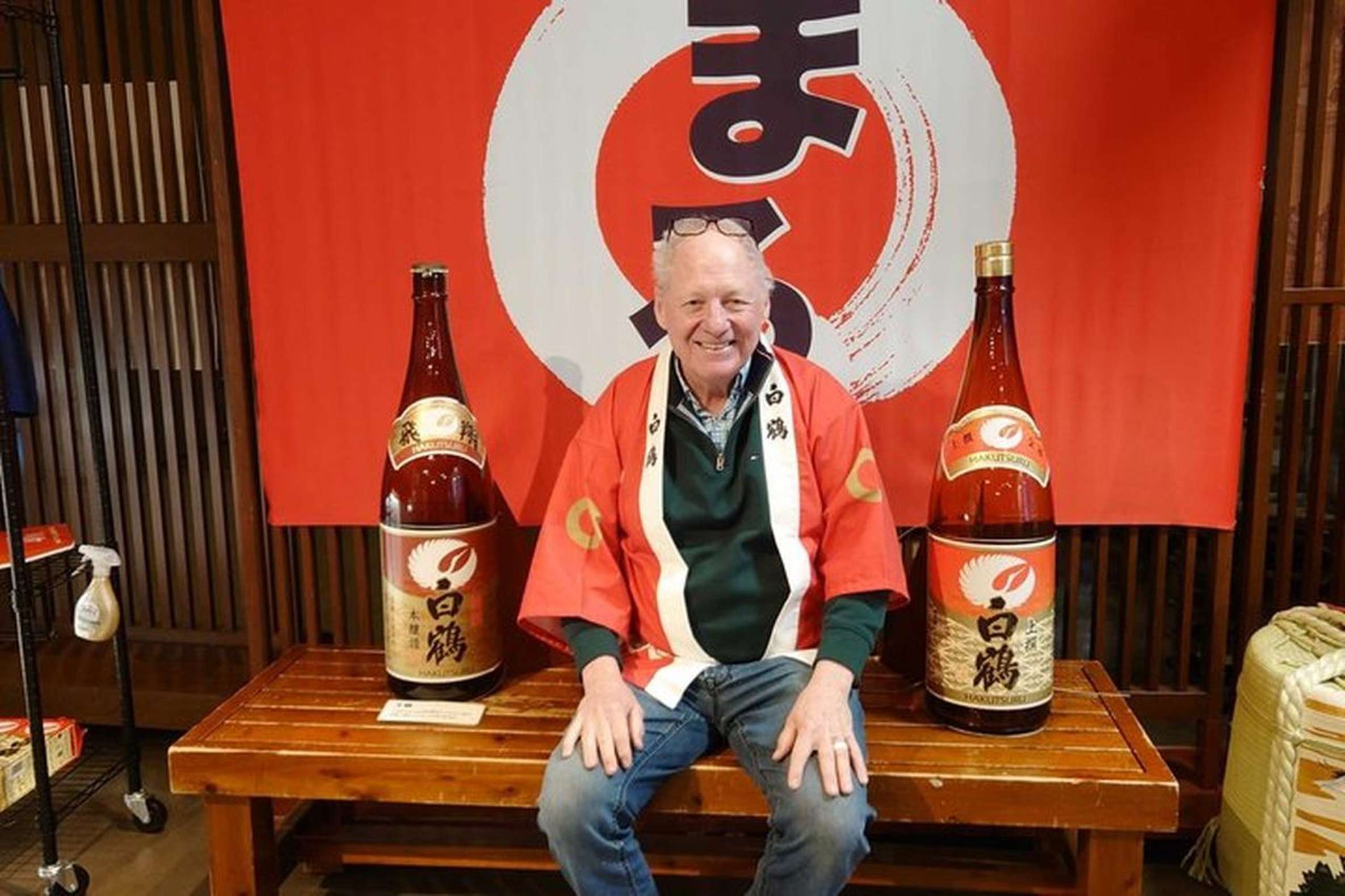
The steakhouses cluster where the sights are. Sannomiya, Motomachi and Kitano hold the largest share of certified restaurants, with Kitano home to the most established, higher-end counters, and the blocks around Sannomiya Station put most of them within a short stroll of museums, shrines and the harbor.
After lunch, the city gives you its pick. Kobe City Museum sits five minutes on foot, Ikuta Shrine nine, and Meriken Park with the port tower about a quarter of an hour.
For galleries and harbor views a short ride opens up the Hyogo Prefectural Museum of Art and Port Island. If your meal is part of the certified lunch tour, the day runs the other direction: the table comes first, then the train to the Nada breweries and their museums.
One rule matters if sake tasting is on the cards. Japan runs zero tolerance for anyone driving or cycling under the influence, and bicycles count as light vehicles under the road traffic law.
A cyclist caught over the limit can lose a driver's license, and penalties run to years of imprisonment. Take the train or walk, or save the tastings for a day when you are not behind any handlebars.
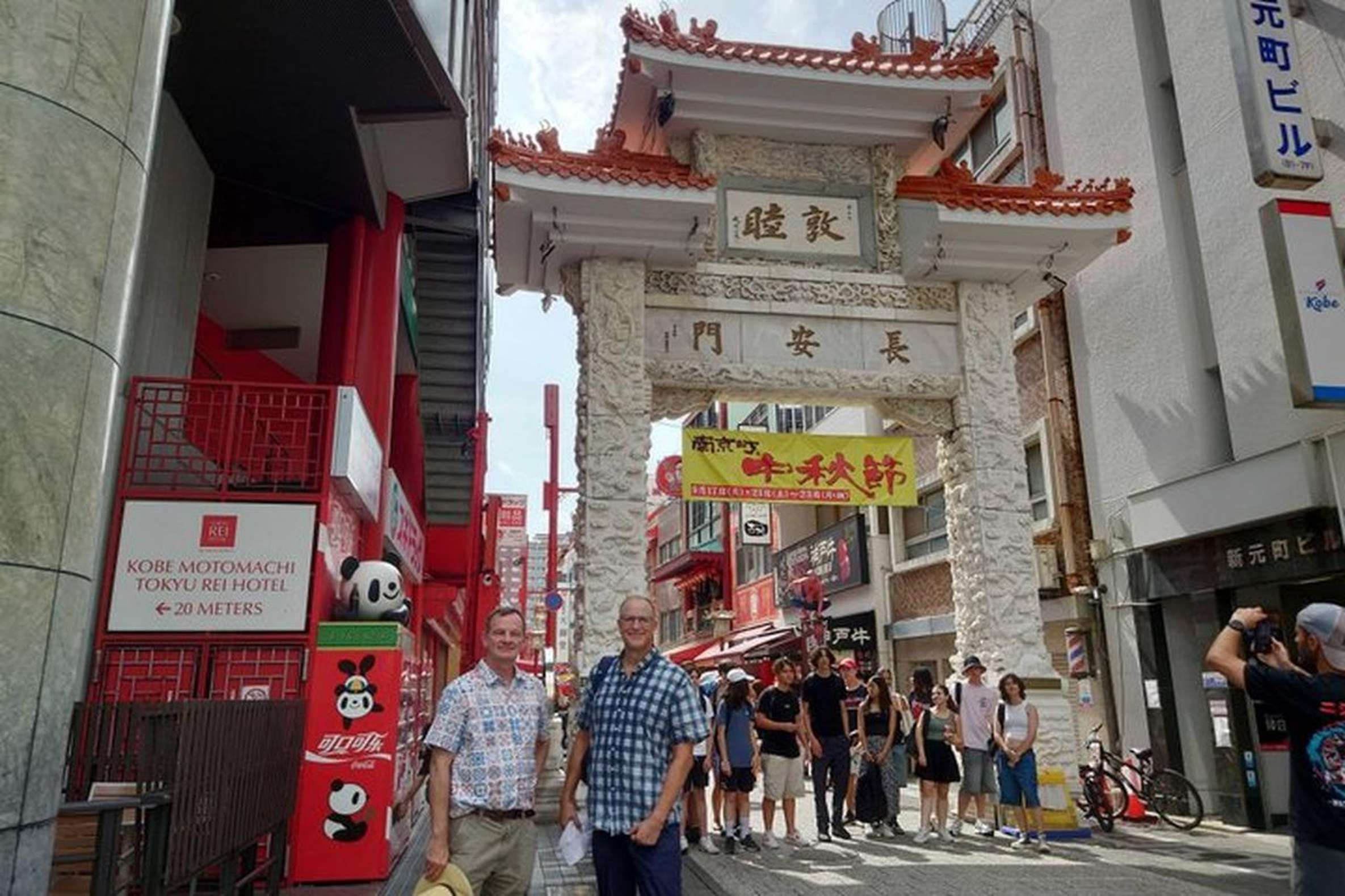
A certified Kobe beef steak restaurant is worth the bill when you book the midday counter, order 100 to 150 grams, and confirm the bronze statuette before you sit. The guided certified lunch with the Nada breweries removes the hardest part of the trip: the table itself.
Quick answers on what a Kobe beef steak restaurant in Japan serves, how certification works, and how to book a table from abroad.
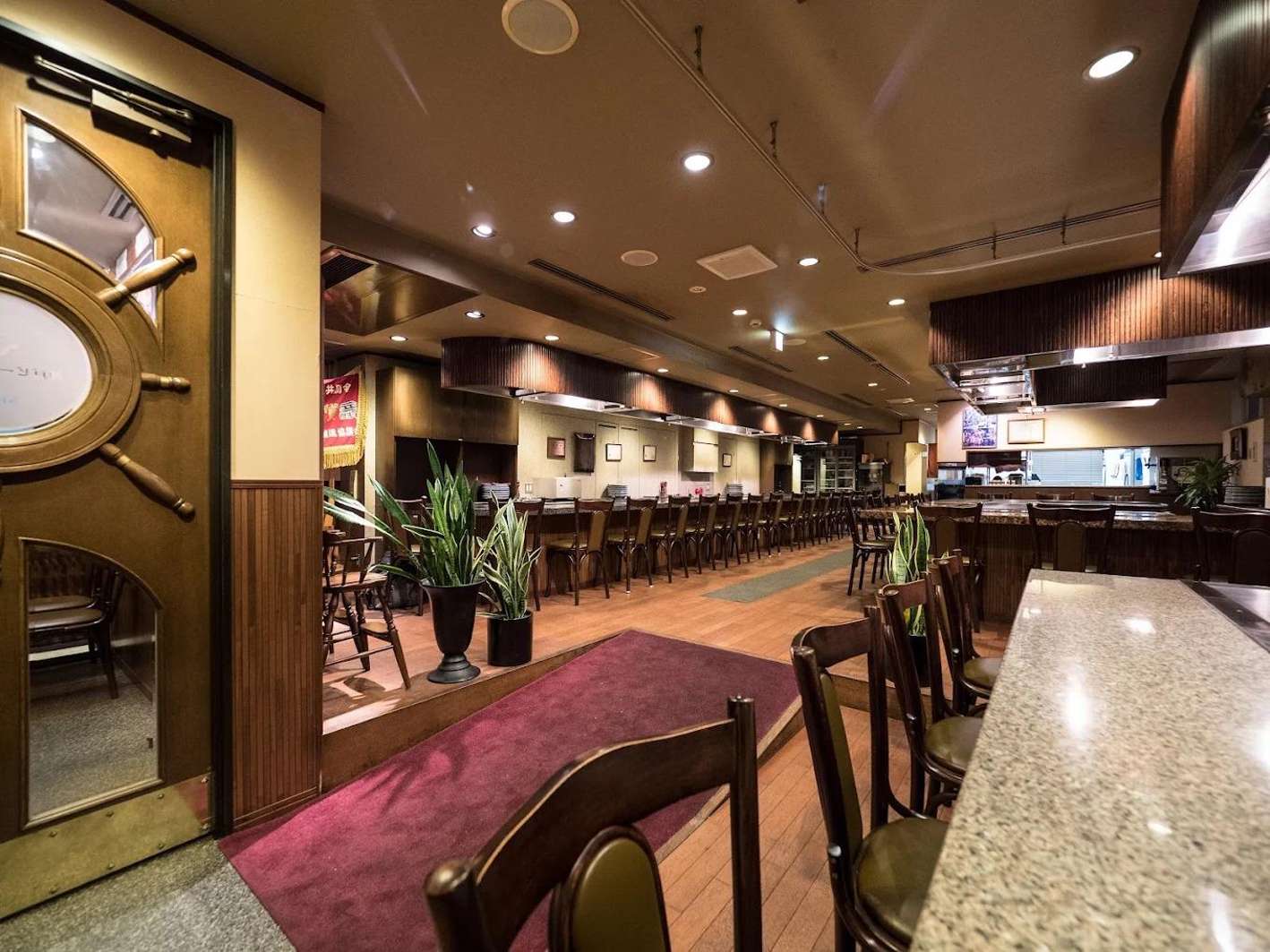 Kobe2026
The centerpiece is a beef steak, usually sirloin or tenderloin, cooked on an iron griddle or grill. Set menus add soup, salad, grilled vegetables, rice or bread, and coffee, and dinner courses often finish with garlic rice and dessert.
Typical courses run from an aperitif and appetizer through soup, salad, and the steak with grilled vegetables, then garlic rice, dessert, and coffee or tea. Meat portions on set menus usually run 100 to 150 grams per person.
Wagyu is the umbrella term for Japanese beef cattle breeds. Kobe beef is a protected designation for meat from purebred Tajima cattle born, raised, and harvested in Hyogo Prefecture, so every Kobe steak is wagyu while only a small share of wagyu qualifies as Kobe.
Look for the bronze statuette and registration certificate a certified restaurant must display at its storefront. Authorized venues are also listed in the official Kobe Beef association registry.
In Japan, crossbred beef cannot legally carry the Kobe beef label. In the United States, weak trademark rules mean meat from crossbred cattle can be marketed as Kobe or Kobe-style beef, so the name alone proves nothing there.
At a teppanyaki counter the chef cooks every course on an iron griddle across from you, timing dishes to how fast you eat, and the room stays quiet. Western steakhouses tend to be livelier, with table service instead of a chef as host.
High-end steakhouses require advance reservations, and compact counter seating makes booking wise for groups. A few budget venues take walk-ins, and some places, like Mouriya in Kobe, accept same-day phone reservations.
Reservations can be made by email or through an authorized hotel concierge or travel agent. If an online form rejects a foreign country code, use the restaurant's official alternative route for booking, and leave the hotel's main number out of it unless the hotel agrees to act as your contact.
Yes. Kobe beef steakhouses also serve ribeye roll, rump, and other round cuts, so you can go beyond the two classics.
Simple salt and wasabi cut through the rich marbling better than sweet sauces. Garlic chips are another common pairing on steak courses.
The thick iron griddle sears the outside over high, even heat so excess fat renders off, and the chef cooks in small batches served immediately. Griddles are split into heat zones, letting the meat rest at cooler edges without overcooking.
Tipping is not customary in Japan and is unnecessary at high-end restaurants, where some establishments frown on it. A word of thanks to the chef takes its place.
Book a 5.5 hour lunch and sake brewery day, with free cancellation up to 24 hours in advance, and a registered steakhouse seat guaranteed.