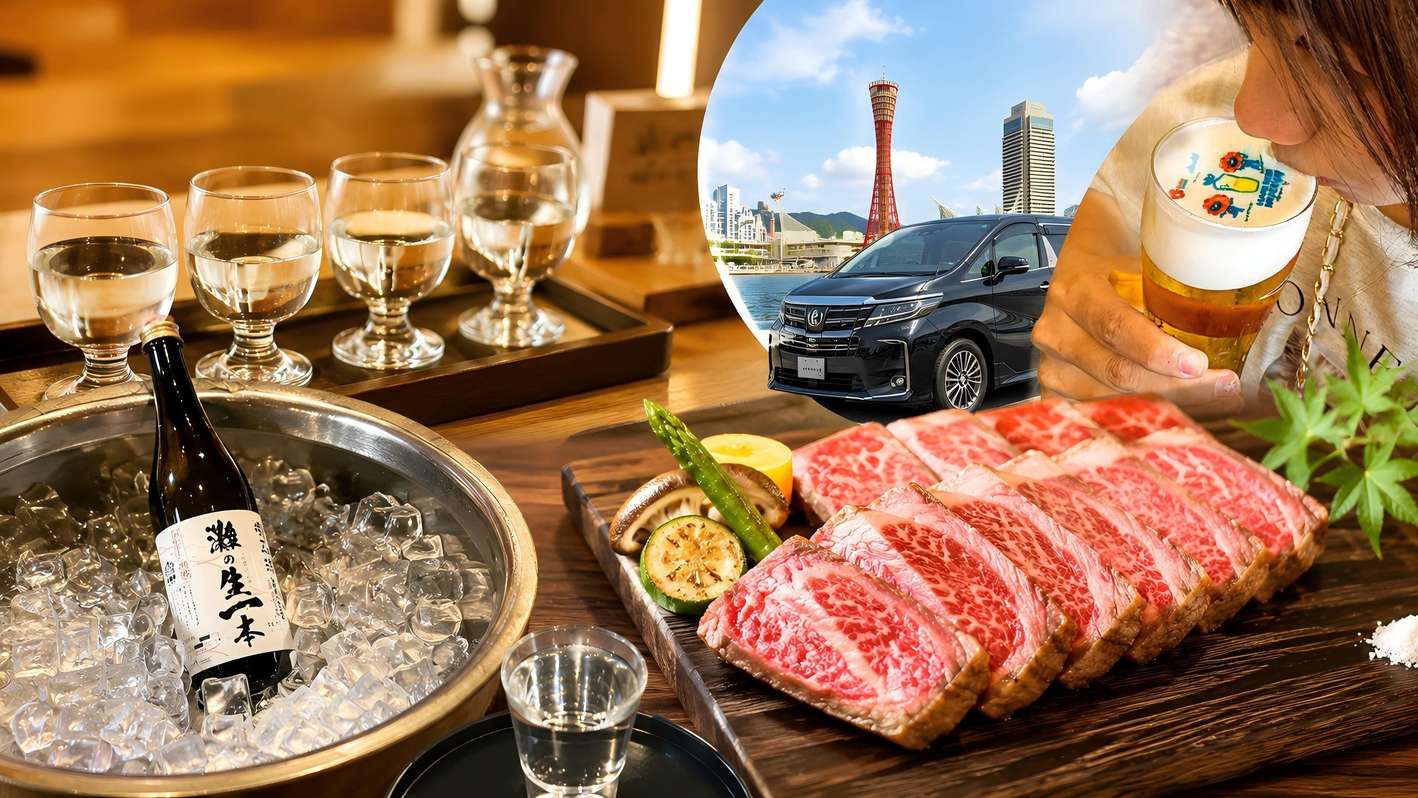
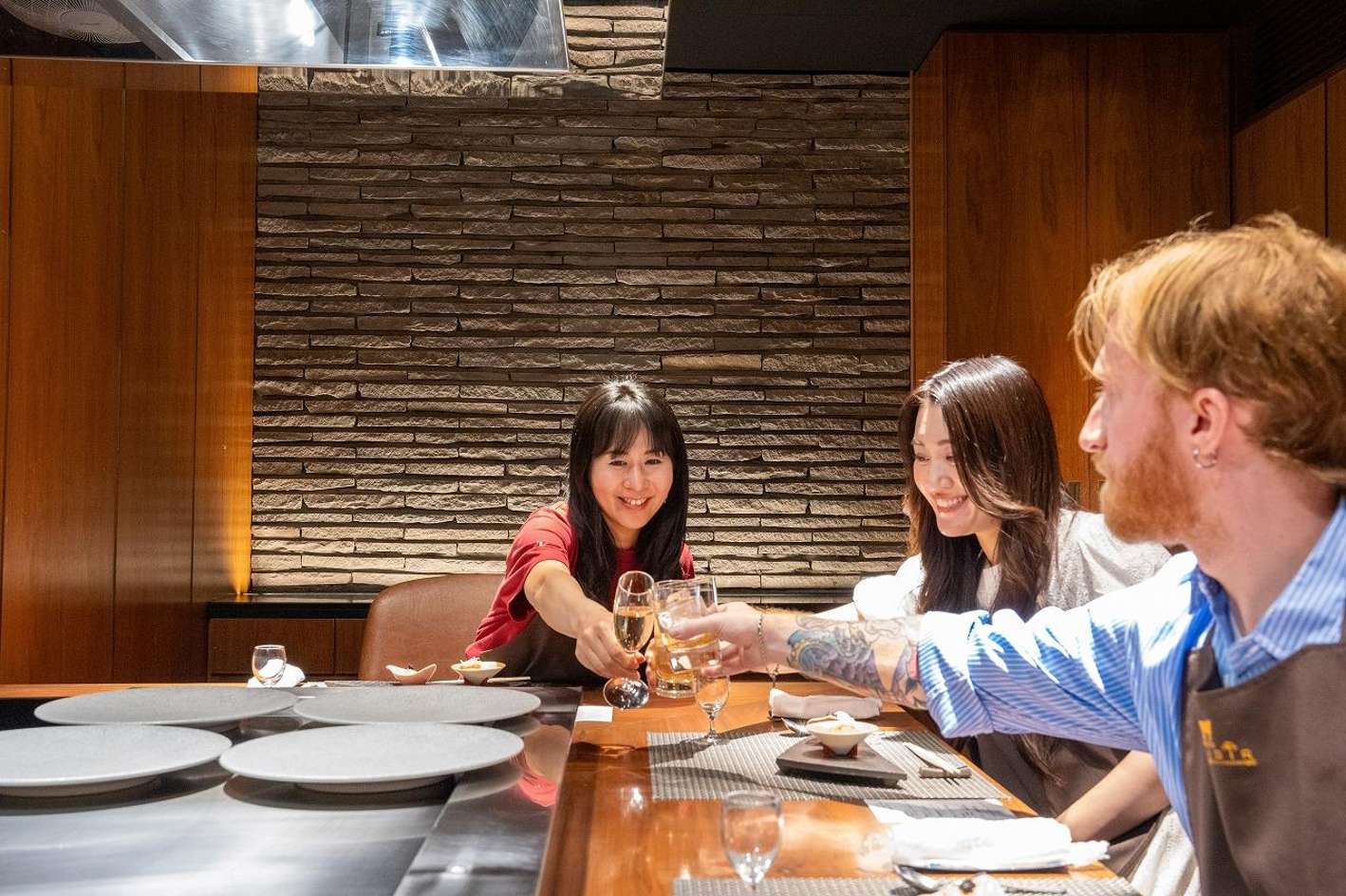
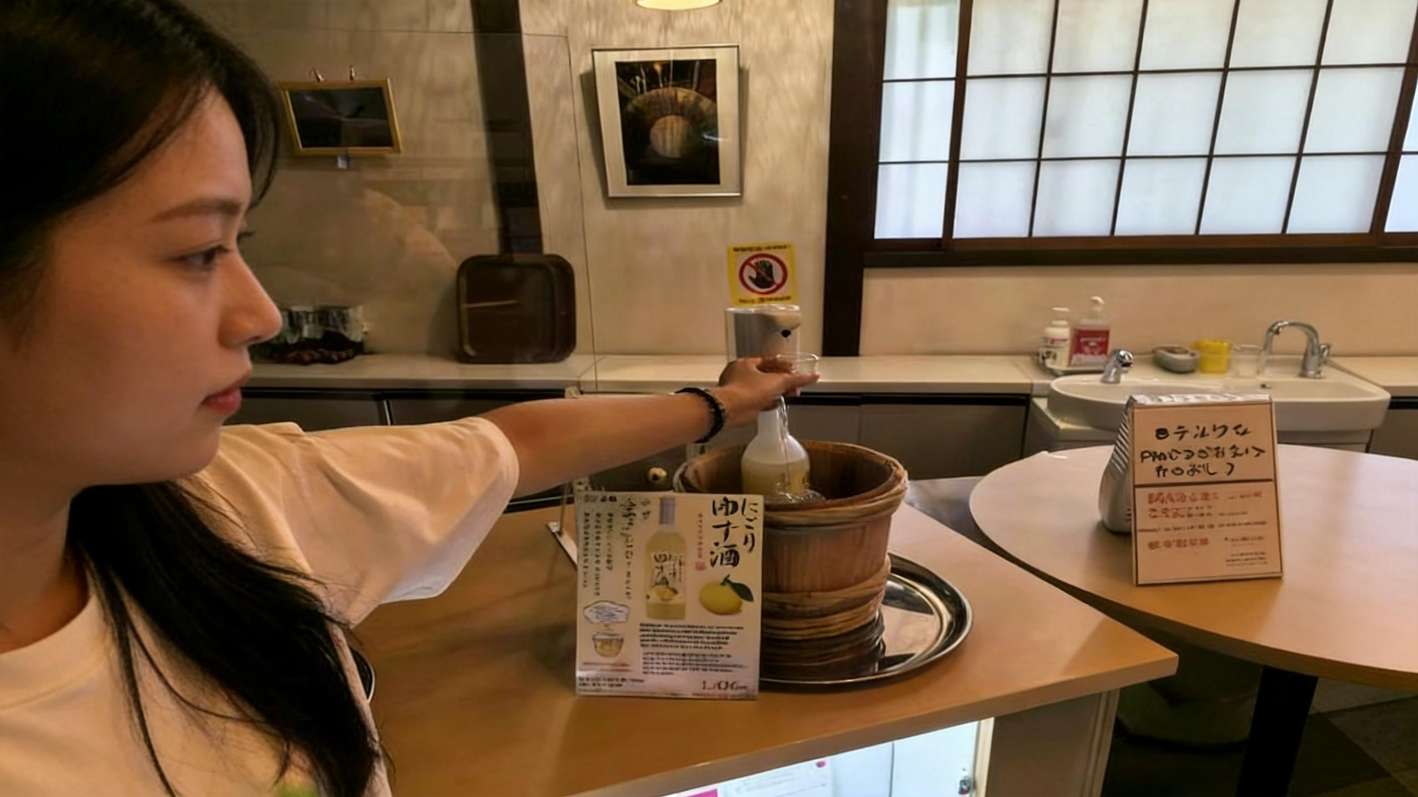
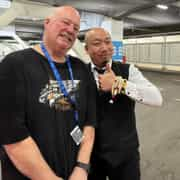
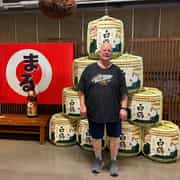
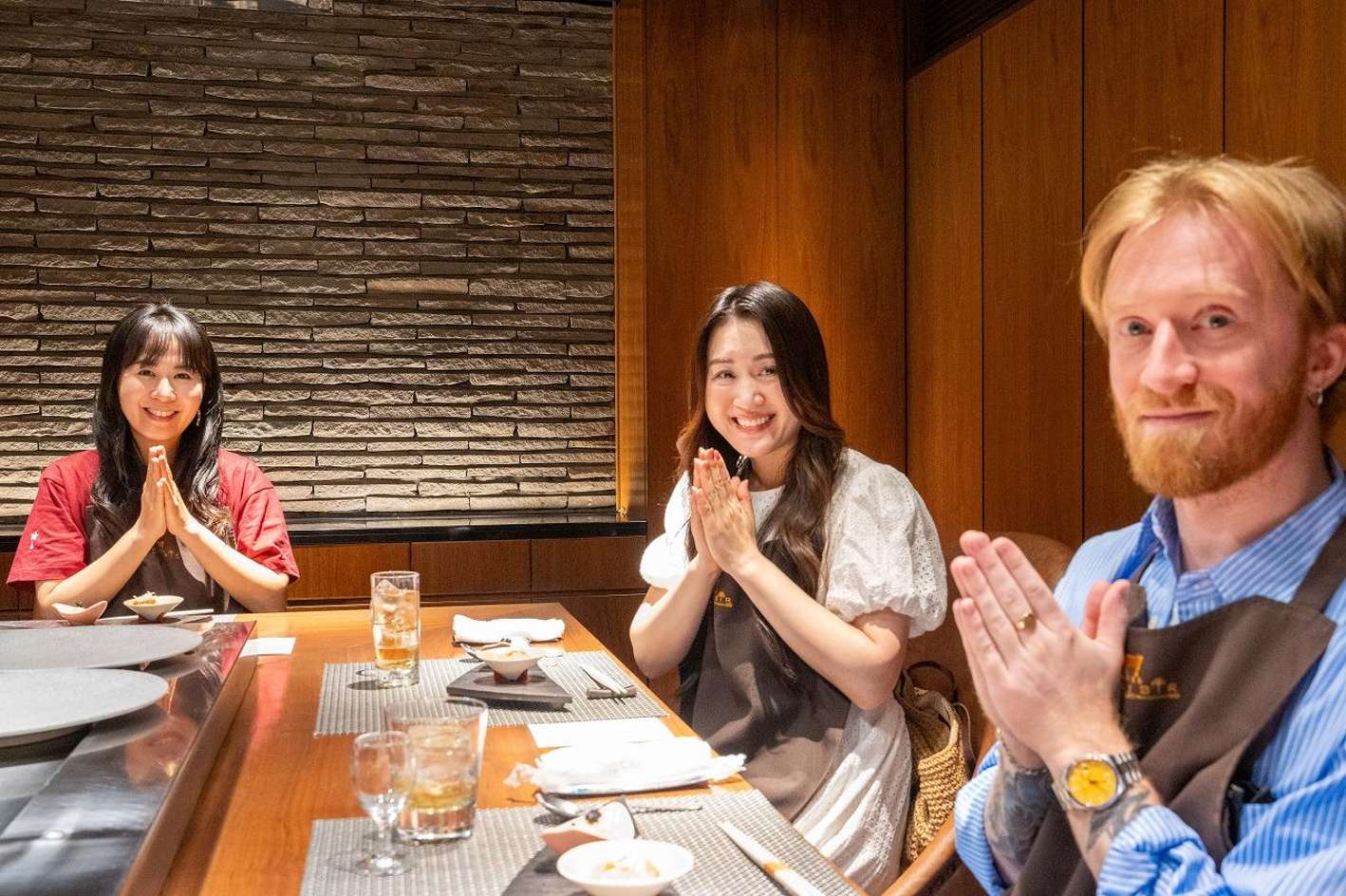
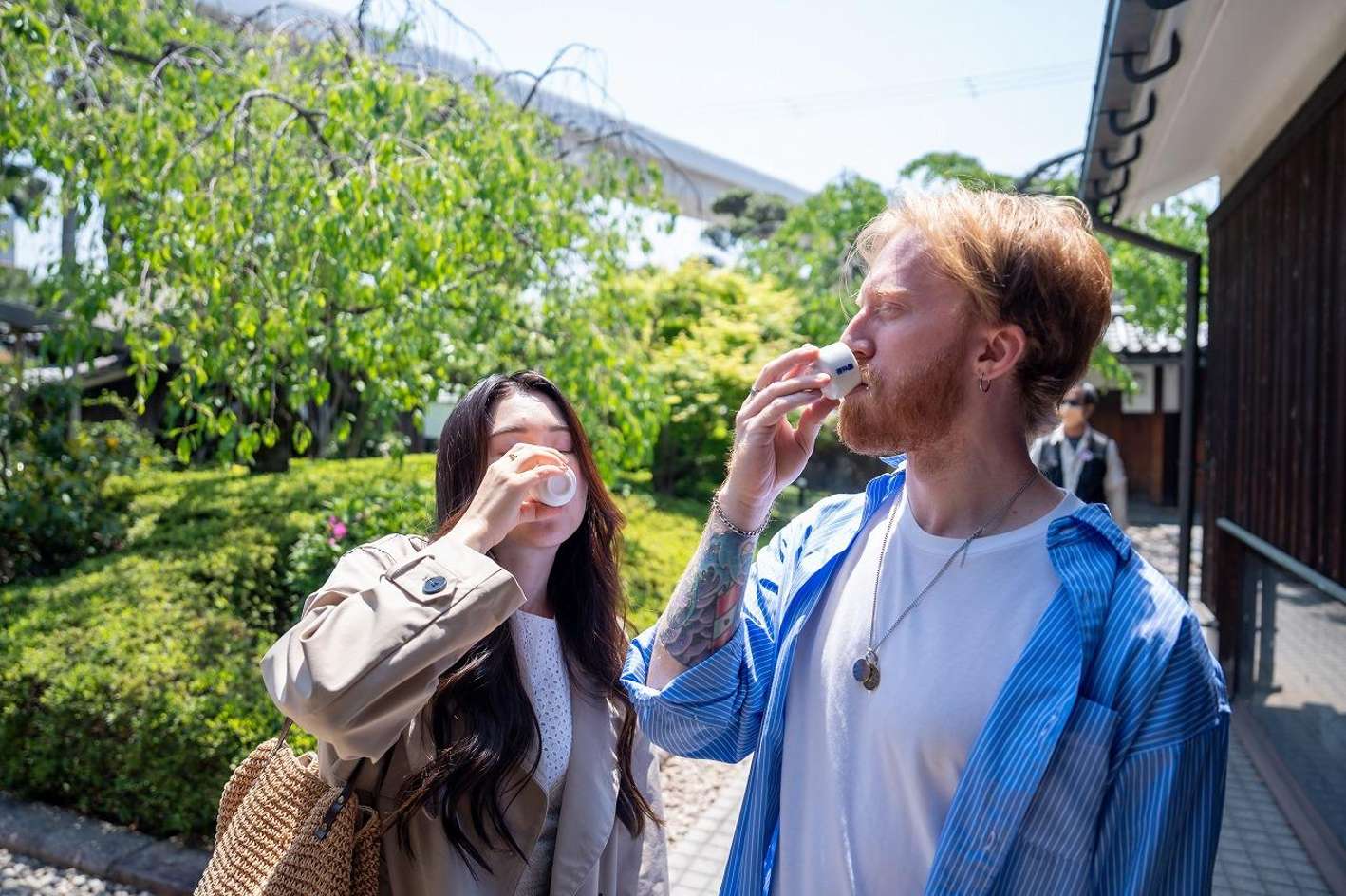
5.06 travelers sipped nama-zake before their steak
Kobe Beef and Sake Tour in Kobe Nada Brewery Visits and Wagyu Dining
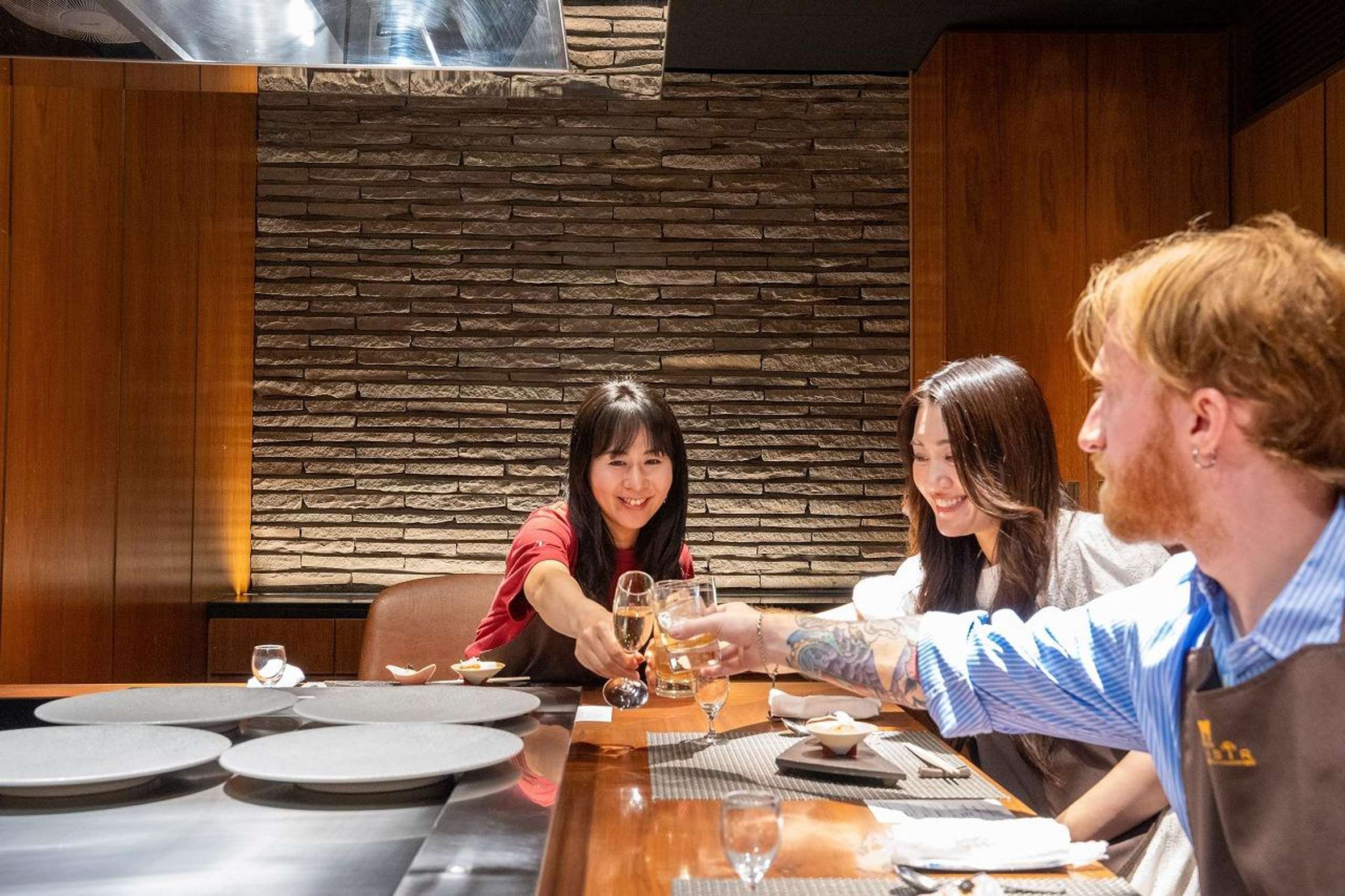
Book one day, taste both icons. A guided kobe beef and sake tour pairs Nada brewery tastings with a reserved seat at a teppanyaki counter for the melt-in-your-mouth beef worth the hype. Your guide handles the trains, the reservations, and the stories. Cancel up to 24 hours ahead for a full refund.
Every option here pairs Nada's sake breweries with a real Kobe beef meal, and one difference decides between them: who handles the day. Group tours walk you between breweries and a reserved steakhouse lunch, private charters add a car, a driver and stops like Arima Onsen, and the 10-hour day trip does the whole run from Osaka.
Drinking ageSake tastings at Nada breweries are restricted to visitors aged 20 and over, the legal drinking age in Japan, and staff may check your passport before pouring.
Zero toleranceJapan bans driving or cycling after any alcohol, so plan the tastings around a guided tour or public transport rather than a rental car.
Closure daysNada brewery museums stagger their weekly rest days between Monday and Wednesday, while Hakutsuru and Kobe Shu-Shin-Kan stay open daily.
Year endBoth the breweries and the steakhouses close during the year-end and New Year period, so check the calendar before booking late December.
Booking aheadReserve a few weeks out during cherry blossom and autumn foliage peaks, when teppanyaki counters book out three to four weeks in advance.
Getting thereJR Special Rapid trains reach Sannomiya from Osaka Station in 21 minutes and from Kyoto Station in 52 minutes with no transfers.
What to wearTeppanyaki counters and working breweries ask for smart casual with closed shoes and no strong perfume or cologne.
AllergiesTeppanyaki kitchens share grills and utensils, so state severe allergies at booking rather than at the counter.
TippingNot customary in Japan, and at some restaurants it is frowned upon; a thank-you to the chef is the local currency.
importantSake tastings at Nada brewery museums are legally restricted to visitors aged 20 and over, and Japan applies this drinking age to foreign visitors too.
Bring your physical passport, since breweries may check photo ID before pouring. Younger guests and non-drinkers can still join the exhibits and receive a non-alcoholic treat, and if you taste sake, skip driving or cycling afterward because Japan enforces zero-tolerance drink-drive laws.
Comparing your sake and beef tour options in Kobe
Best value
5.5 hours·English, Japanese
Kobe: Certified Kobe Beef Lunch and Nada Sake Brewery Tour
The lowest priced pairing here: a 5.5 hour day with a 120 g certified Kobe steak lunch and tastings at three Nada breweries.
Free cancellationTrain fare between Sannomiya and SumiyoshiIn English and Japanese
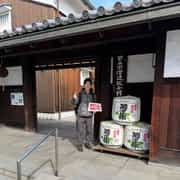
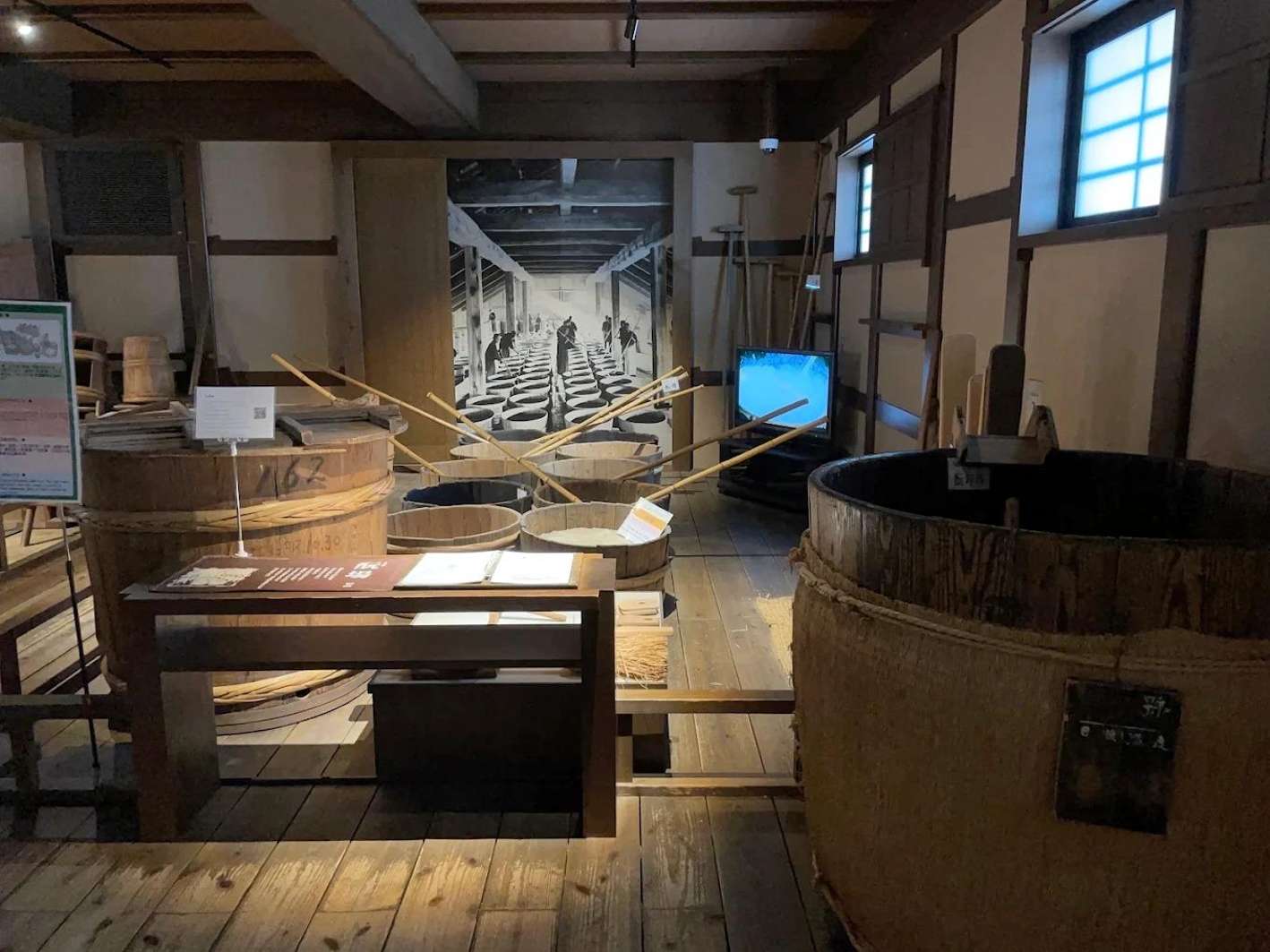
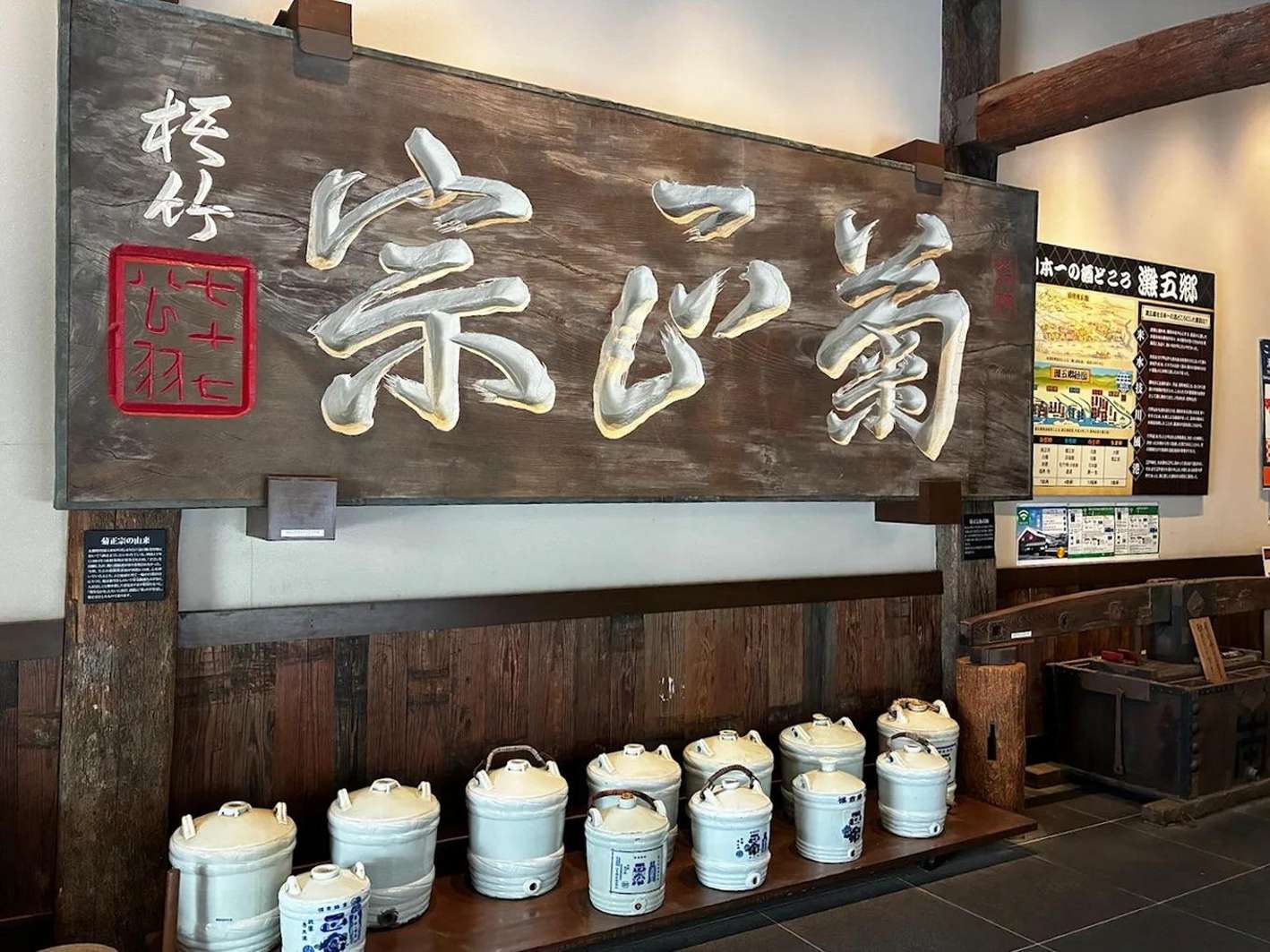
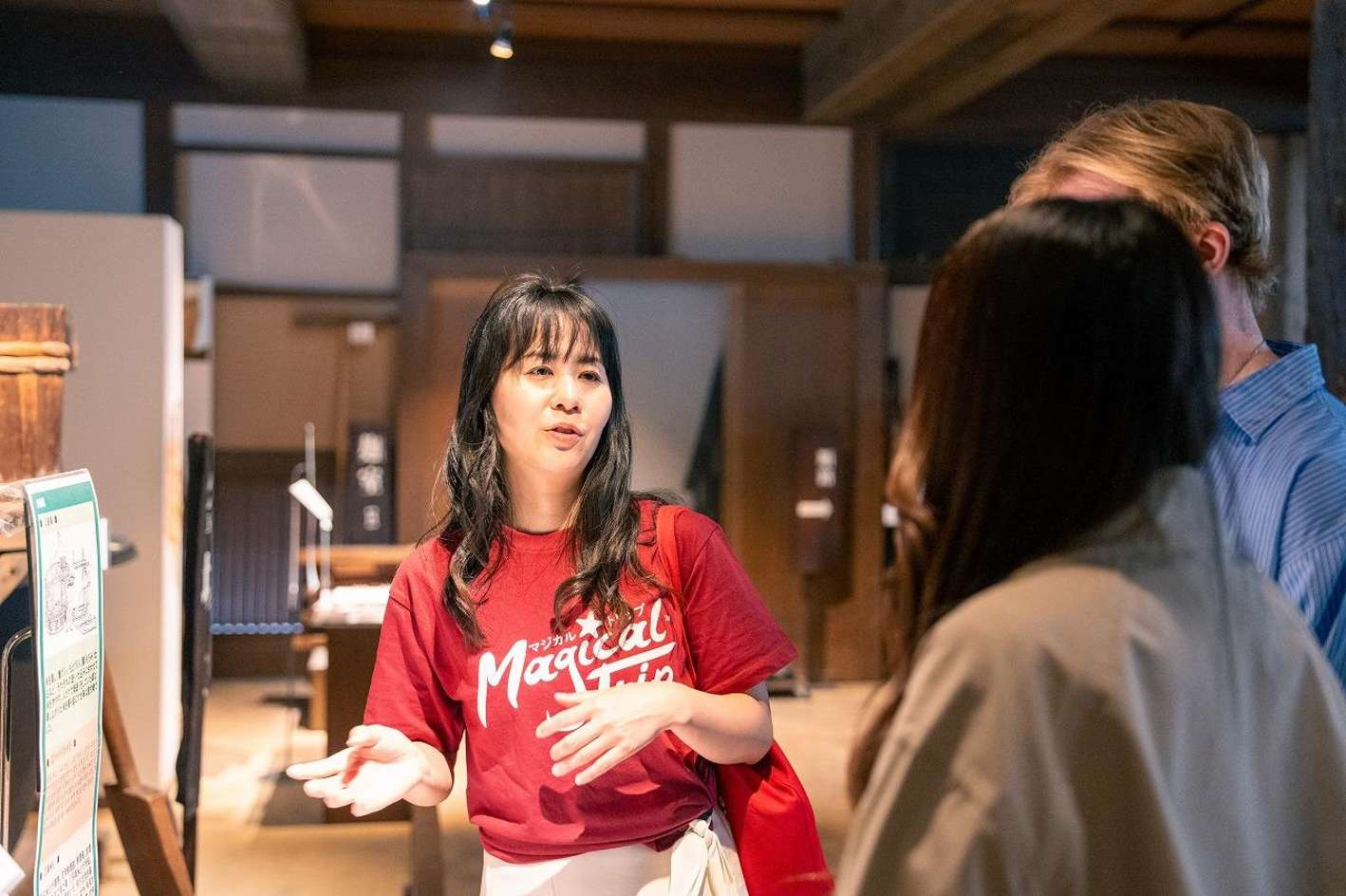
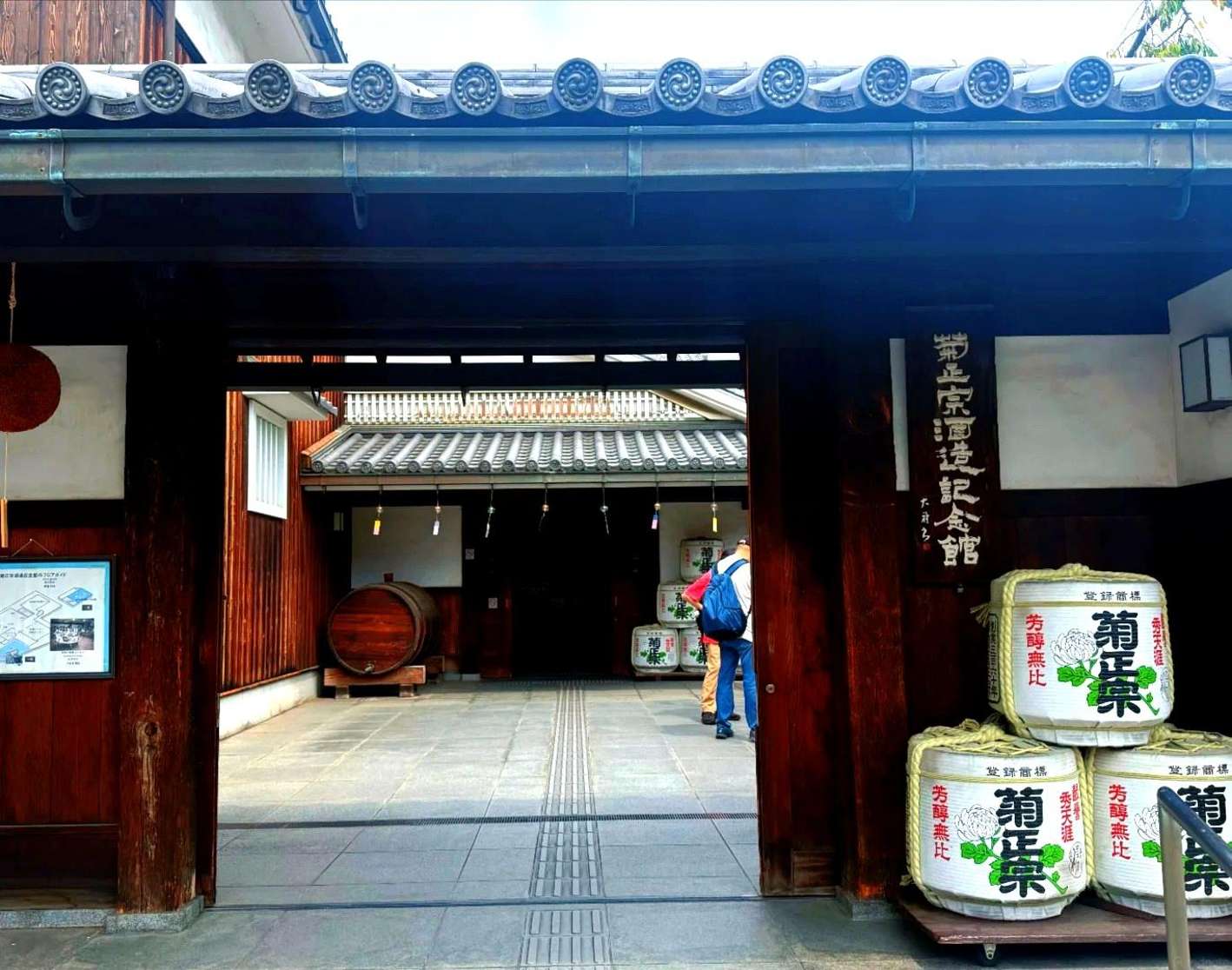
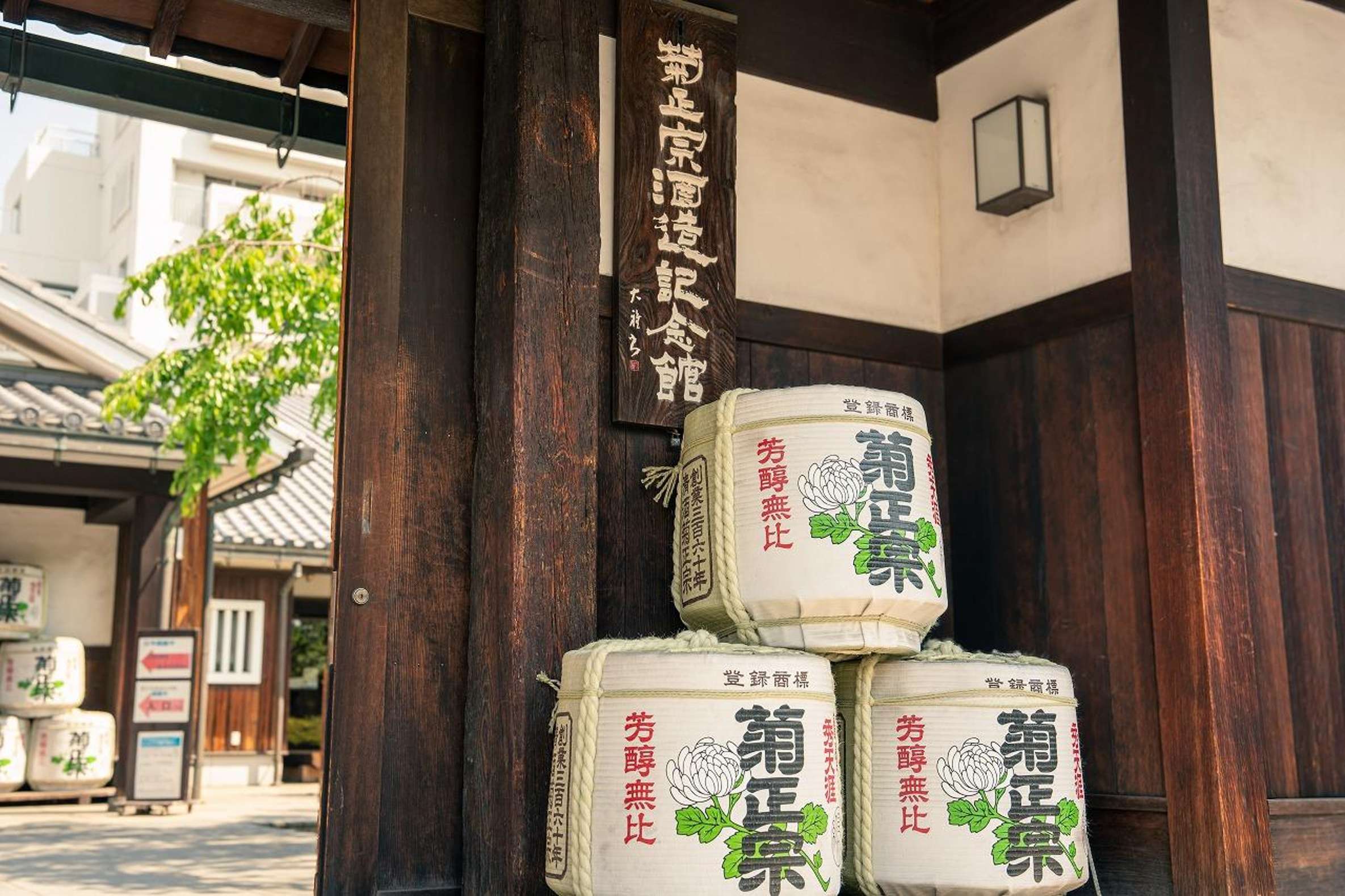
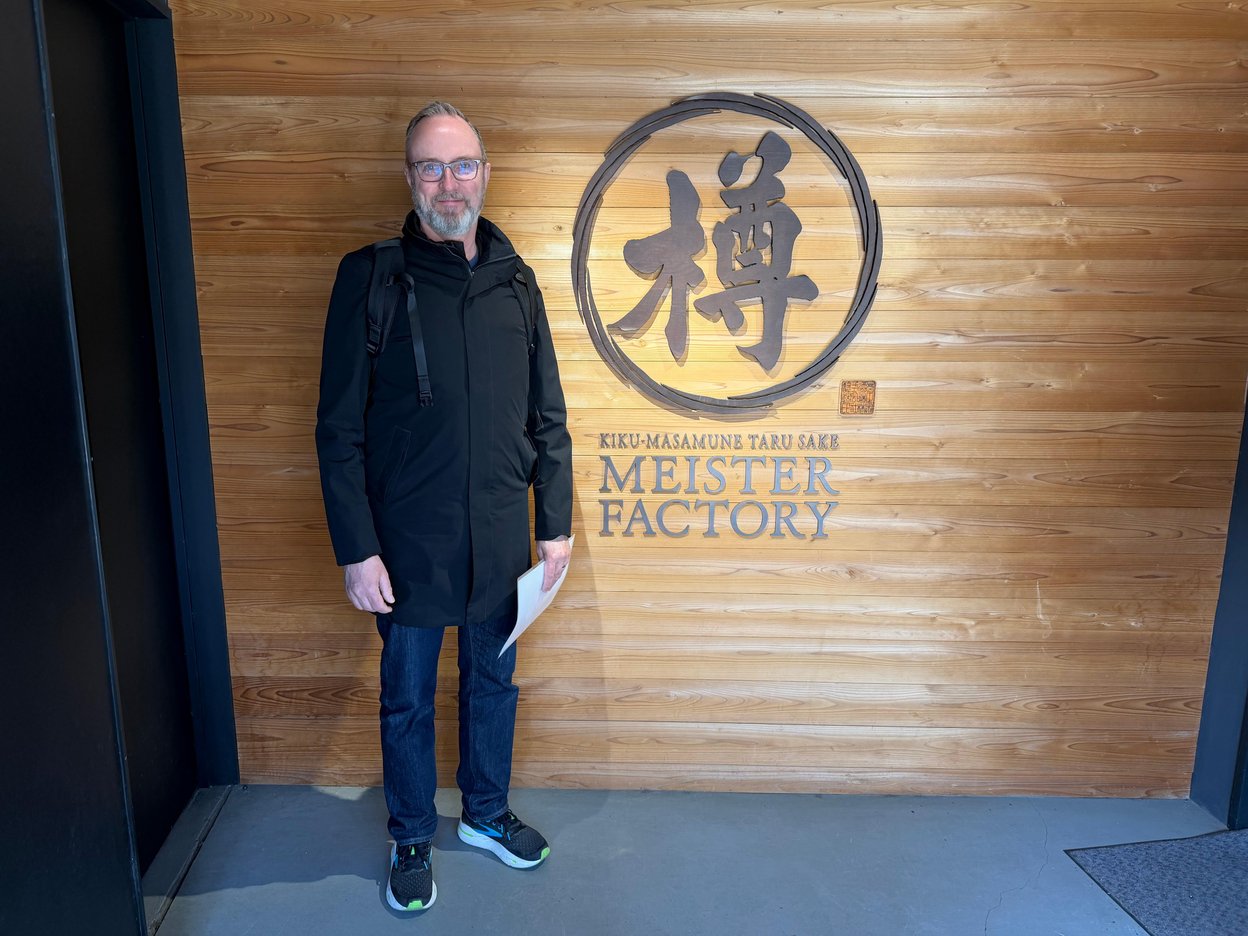
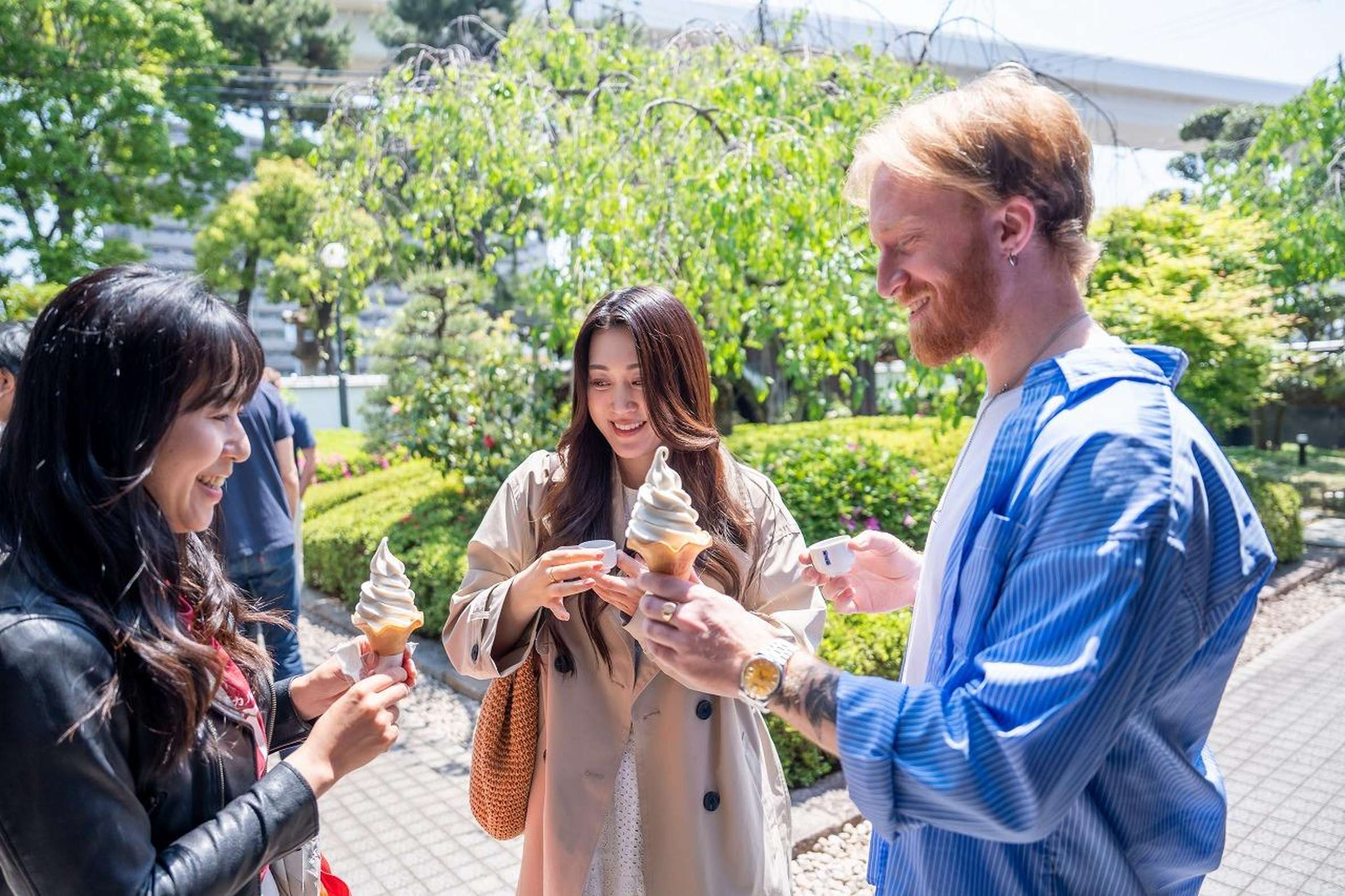
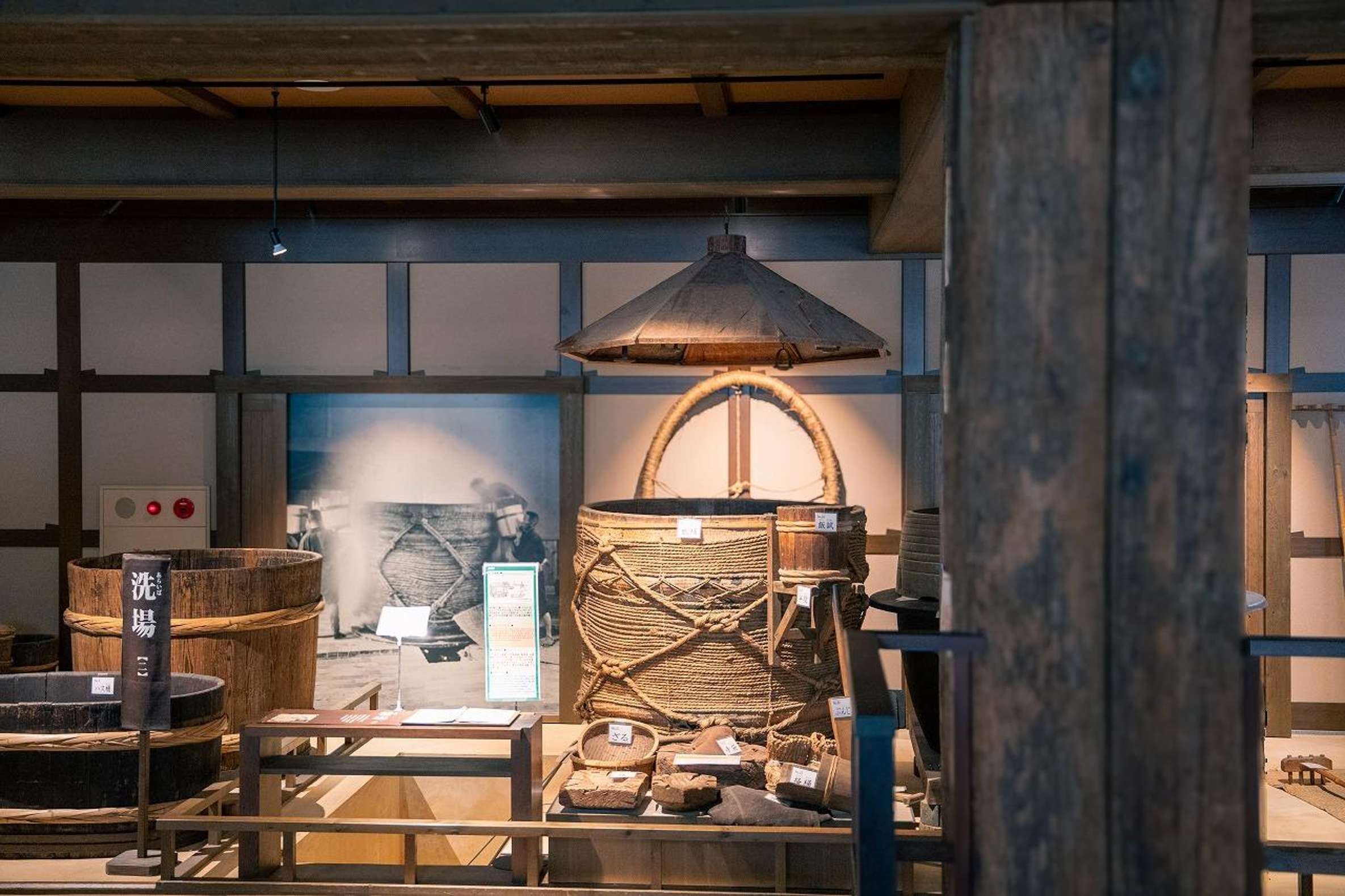
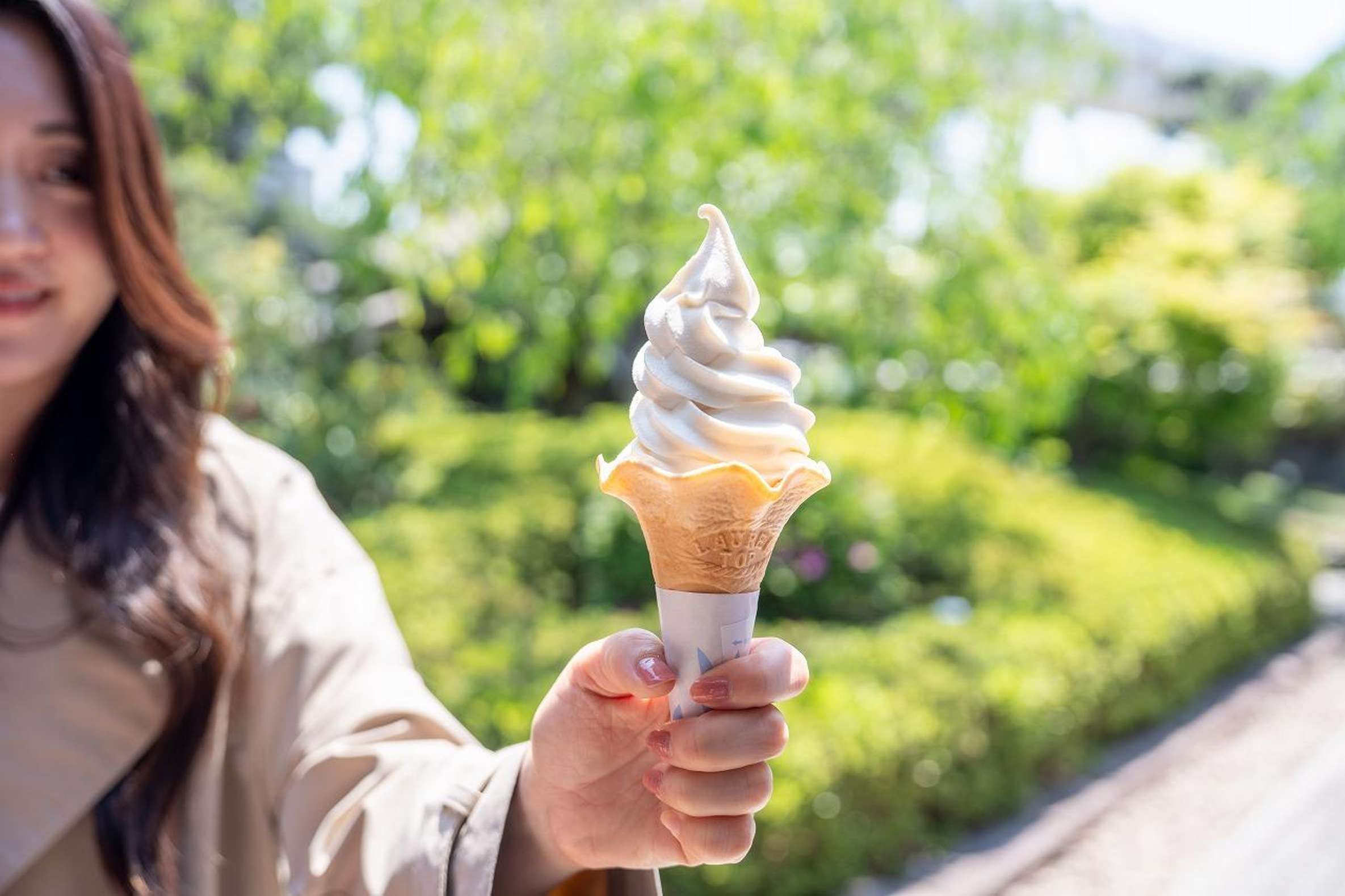
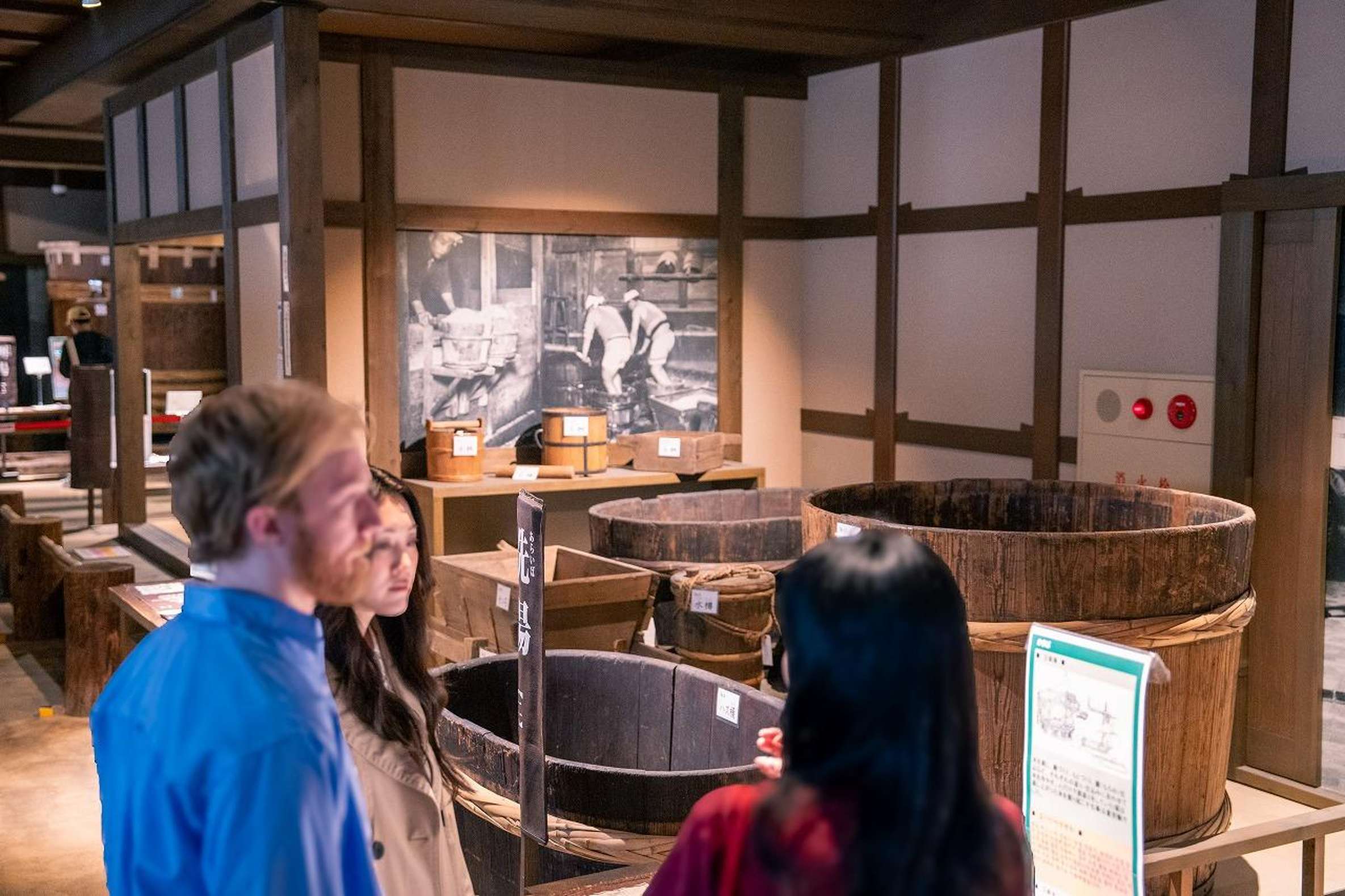
The day starts inside a working brewery museum in Nada, Japan's most famous sake district, where craftsmen build cedar barrels with no nails or glue. You taste six kinds of sake, try sake-lees ice cream, and keep an original sake cup from Kiku-Masamune.
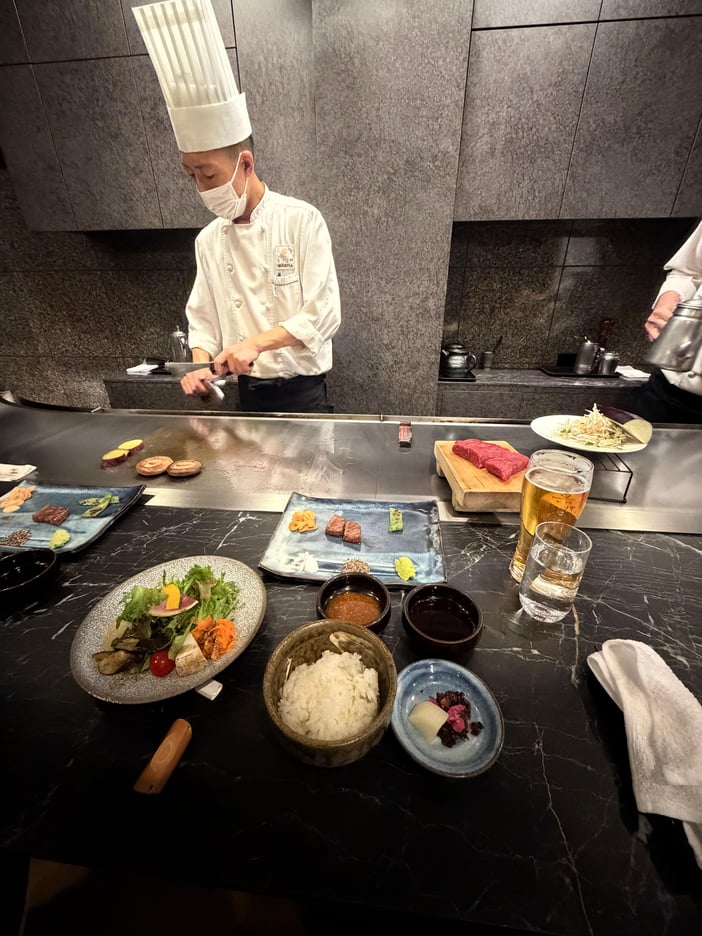
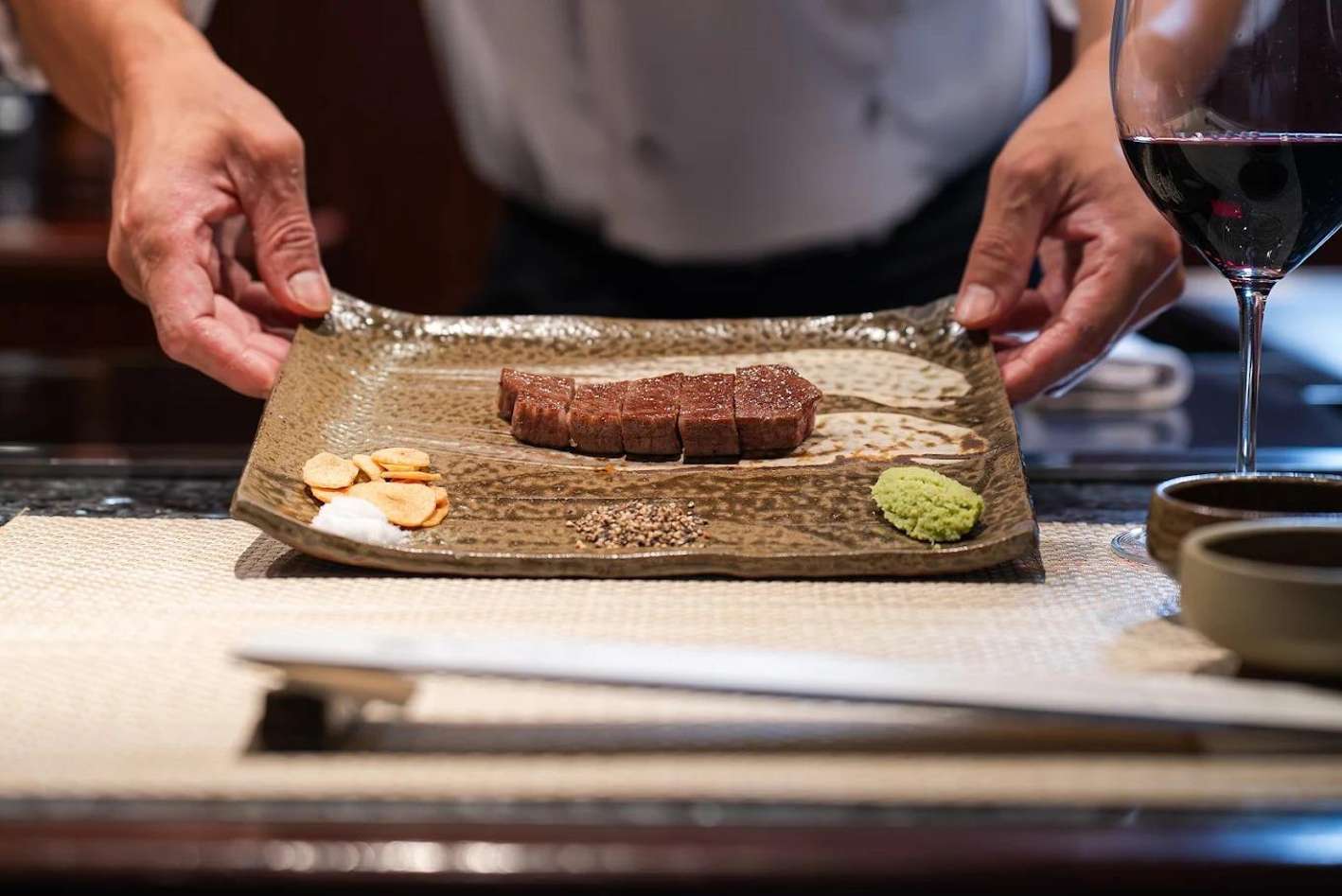
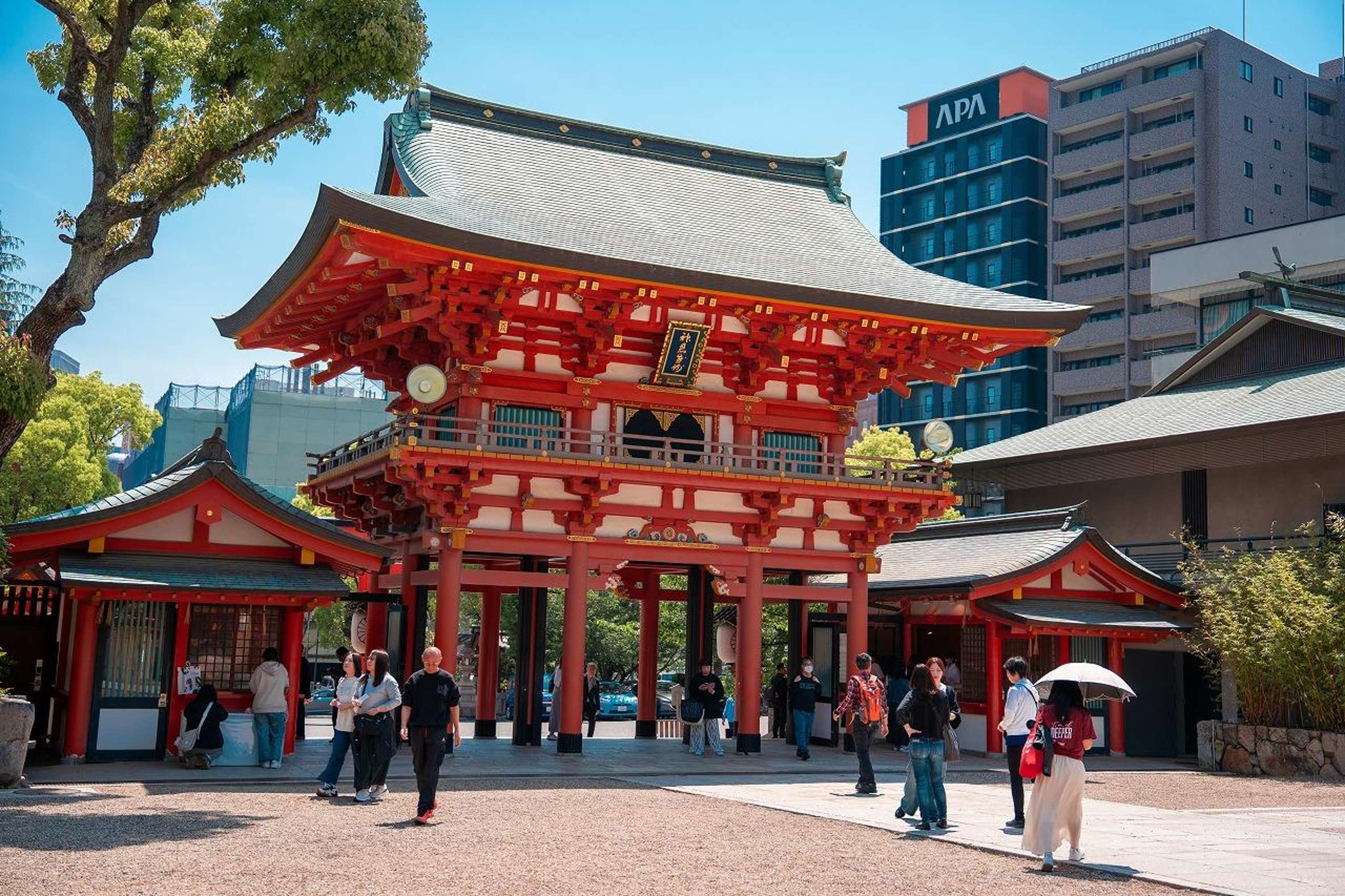
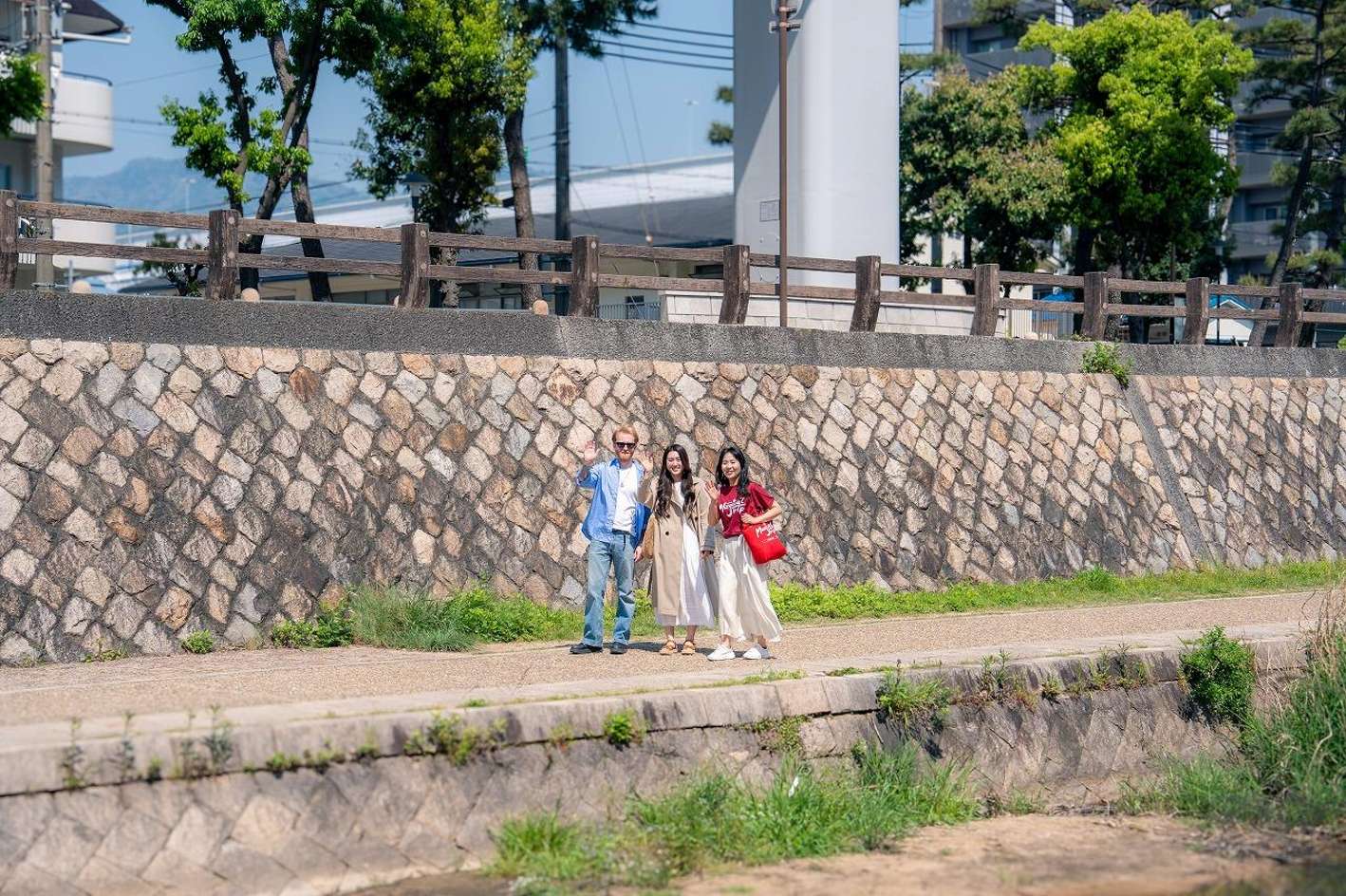
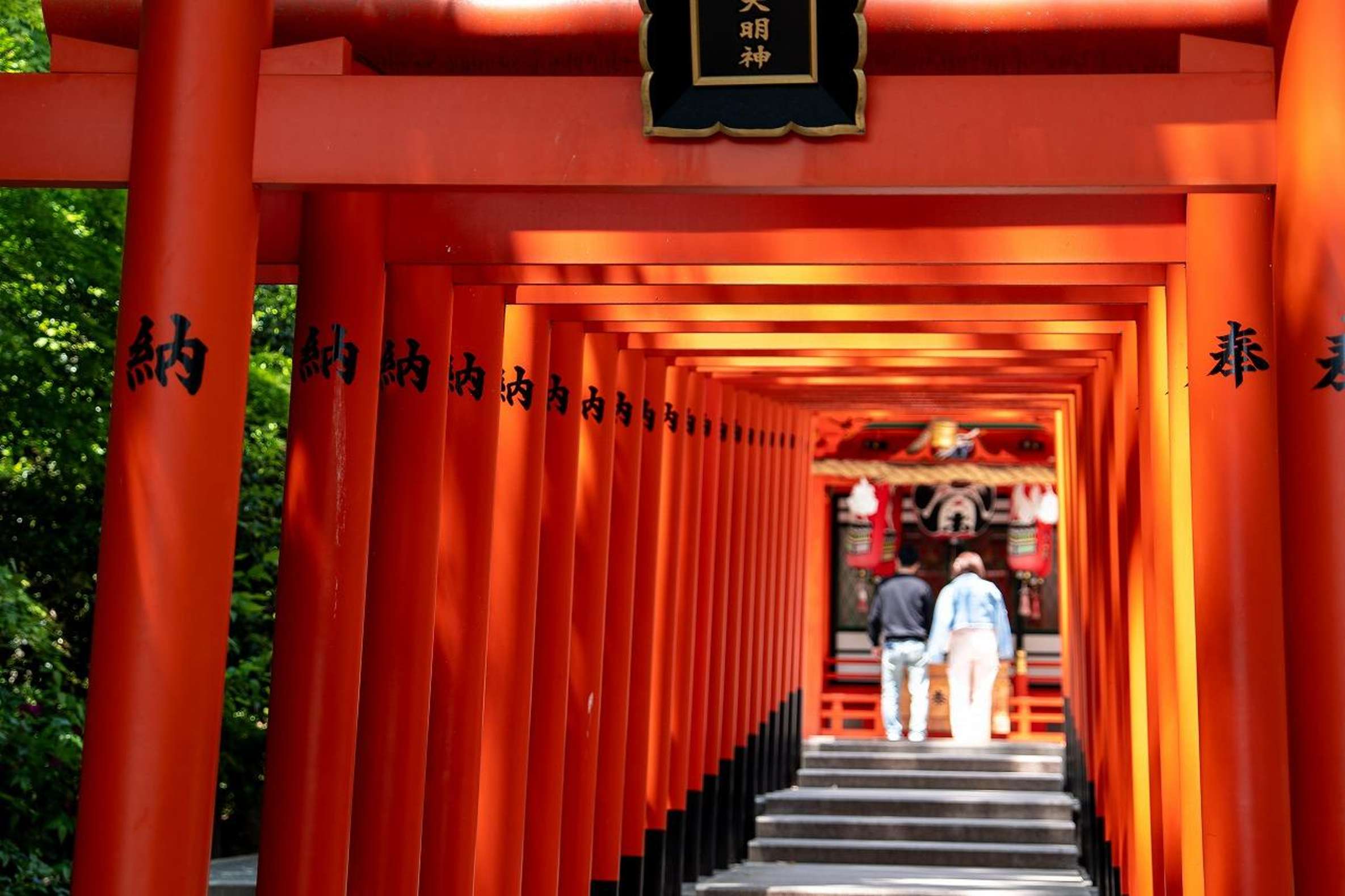
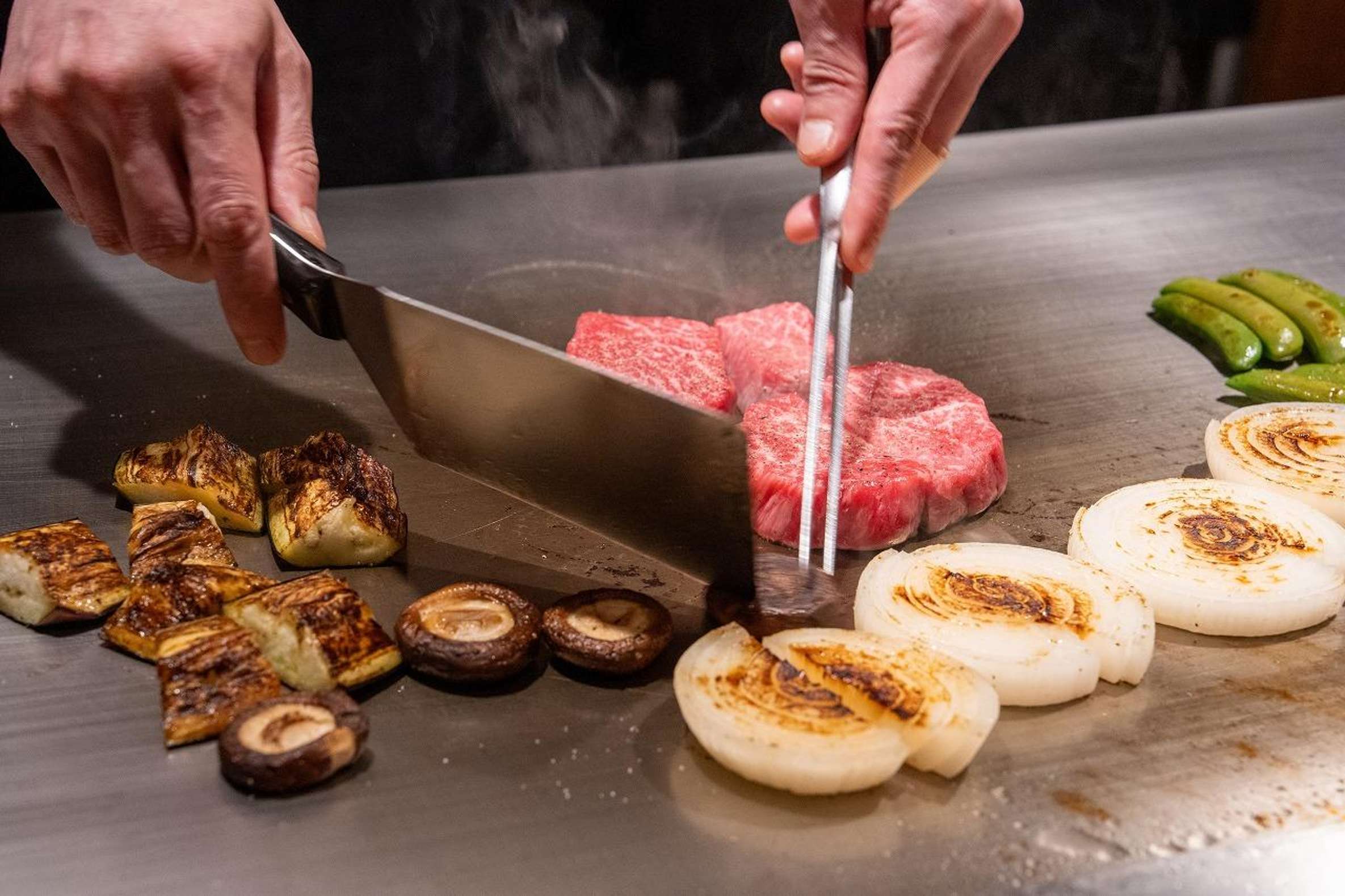
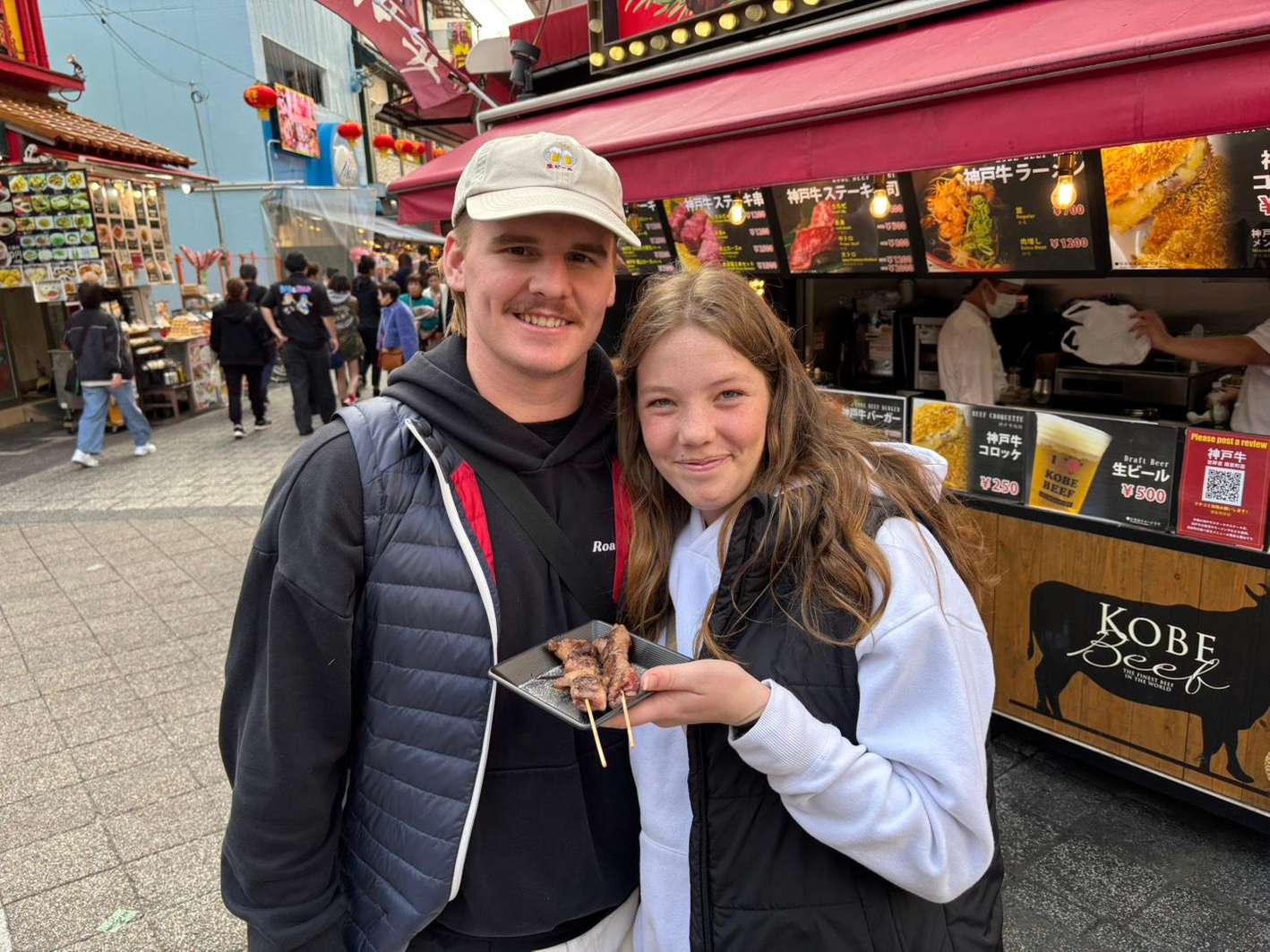
Your guide then walks you through Ikuta Shrine, one of the oldest in Japan, before a reserved counter seat at a teppanyaki restaurant: 90 minutes of Kobe beef grilled in front of you. A short stroll down Sannomiya Center Gai closes the tour, with your guide's photos of the day waiting afterwards.
Meeting point4-chōme-7-1 Uozaki Nakamachi2Kiku-Masamune Shuzo Kinenkan· 30 minA brewery museum housing brewing tools designated an Important Tangible Folk Cultural Property. You watch barrel-making at the Taru Sake Meister Factory and sample six sake varieties.3Ikuta Jinja· 20 minOne of Japan's oldest shrines, tied to Kobe's origins. Your local guide shares the stories behind it on a short walk through the grounds.4Kobe· 90 minA reserved counter seat at a teppanyaki restaurant, where premium Kobe beef is grilled live in front of you over an hour and a half.5Sannomiya Center Gai Shopping Street· 15 minA short guided walk through the covered arcade at the heart of Kobe's dining district, where certified steak houses cluster.From this tour
Sake & Ice CreamTry 6 kinds of sake and sake-lees ice cream (sorbet for non-drinkers).Sake Cup SouvenirTake home an original Kikumasamune sake cup.MagicalTrip English GuideReceive an original English guidebook to help you follow the demonstration, even though it's conducted in Japanese.
Not included
Transportation to/from the meeting pointTransportation from Uozaki Station to Sannomiya StationDrinks and additional meat at the Kobe beef restaurantAdditional food or beverages not listed in the itinerary
Which beef and sake tour fits your day in Kobe
Green marks the lowest price. Each price says whether it is per person or per group.
Most reviewers praise their guide by name for weaving Kobe's history into every short walk and train hop.
Best surprise
Many did not expect the guide to steer them to exactly the right Kobe beef counter for a perfect lunch.
Most common wish
Several travelers wished the day had lasted longer, especially the unhurried sake brewery museum stop.
Booking your day on a Kobe sake tour - dates, options and meeting points
01
Pick your date and time slot
Choose a date first, then decide where the beef meal sits in the day. Breweries open between 9:30 and 10 am and close by 4:00 to 4:30 pm, while dinner seatings start at 5:00 or 5:30 pm.
Pro tipA lunch tour keeps the full brewery window open; an afternoon beef meal then flows straight into a 5 pm dinner slot if you want both
RecommendedIn cherry blossom and autumn foliage weeks, steakhouses and tours fill three to four weeks ahead, so book early
02
Choose the right option
Compare the two formats on the tour card. Walking tours meet near JR Sannomiya Station and ride the Hanshin line to the breweries, about 4 km on foot between stops. Private charters use a vehicle instead.
Common mistakeFirst-timers assume every option includes hotel pickup; walking tours meet at a fixed station point and do not collect you
Pro tipA private charter covers the 7.2 to 7.8 km between the Nada storehouses and Sannomiya in about 18 to 19 minutes with no transfers
03
Check what the ticket includes
Read the included list before paying. Some tours add sake tastings, a sake cup souvenir or the train fare between Sannomiya and Sumiyoshi; others leave meals, drinks and museum entries out.
Common mistakeBooking a tour that cannot feed your diet; the certified Kobe beef lunch cannot be swapped for a vegetarian meal
ImportantSake tastings are for guests aged 20 and over, and brewery staff may ask for your physical passport before pouring
04
Pay and read the confirmation
After payment you get a voucher with the meeting point and start time. The operator may message you the night before through a messaging app, so install it and watch for their contact.
ImportantEvery tour on this page lets you cancel up to 24 hours in advance for a full refund, so lock the date early and adjust later
05
Prepare for the day itself
Arrive at the meeting point early; one certified beef and brewery tour asks you to be there 10 minutes before the start. Walking options cover about 4 km on flat streets in the Nada district.
ImportantJapan's zero-tolerance law treats bicycles as light vehicles, so never cycle after a tasting; also skip perfume and citrus, which disrupt sake brewing
RecommendedWear flat closed-toe shoes you can slip off, since some working kura require a change into slippers, and bring a rain layer in June or August
What to know before you book a beef and sake day
Can stop the dayGood to knowGood news
01
ChoosingWhat it is, who it suits, when to go
4
Walking
The certified lunch and brewery tour covers about 4 km on flat city streets, linking brewery museums that sit 0.7 km to 1.3 km apart. Sturdy, flat walking shoes serve you best, and slippers or boots are put on inside some working storehouses.
Group size
The sake and beef tasting experience runs as a small group that may include other travelers. Private charters with a driver accommodate up to six or up to nine people, which suits families and anyone who prefers a vehicle between the breweries and the steak table.
Age limitsCan stop the day
Sake tastings on these tours are restricted to guests aged 20 and over, and one certified lunch tour is not suitable for people under 20 at all. On the family-friendly options, younger visitors get a non-alcoholic treat such as sake-lees sorbet instead.
Getting around
Walking tours ride the Hanshin Main Line between Sannomiya and the Nada breweries, an 8 to 10 minute run with a short walk at each end, and that train fare is usually your own cost. Private tours skip transfers and drive the same route in under 20 minutes.
02
BookingHow far ahead, and what happens if plans change
2
Cancellation
The featured beef and sake tours all let you cancel up to 24 hours in advance for a full refund. If severe weather or a typhoon warning makes a walking route impossible, the operator cancels for safety and refunds you in full.
Lead time
Counter seats at the most established teppanyaki restaurants fill a month or more ahead. During cherry blossom and autumn foliage peaks, beef counters and certified steakhouses book out three to four weeks in advance, so lock in a tour early for those seasons.
03
Before you goPapers, health, what to bring
3
DocumentsCan stop the day
Japanese law requires international visitors to carry their physical passport at all times. Breweries in Nada enforce the drinking age of 20 and may check official photo ID before pouring a sample, so keep yours on hand for the whole day.
Dress code
Teppanyaki counters in Kobe expect smart casual attire and turn away beach sandals, shorts, tank tops, and sportswear. Breweries ask for closed-toe shoes that slip off easily and no perfume or cologne, since brewers judge sake by scent alone.
Dietaries
The certified Kobe beef lunch cannot be changed to a vegetarian meal, and the teppanyaki kitchen prepares all dishes on shared surfaces, so trace allergens cannot be ruled out. Tell your allergies at booking, and note that one venue refuses guests with severe allergic symptoms.
04
On the dayWhere to be, when, and how you get there
1
Meeting point
Walking tours gather near JR Sannomiya Station, where the certified lunch tour starts, while some sake tastings begin in the Nada district near Hanshin Uozaki Station. Arrive ten minutes early. The small-group tours leave promptly, and lateness costs you the spot without a refund.
05
During the tourWhat is expected of you
2
Tipping
Tipping is not customary in Japan and is not required at high-end steakhouses or on guided tours. A word of thanks to the chef after the last course is the usual gesture, and it is genuinely appreciated.
Photos
One of the sake and beef tours includes photos taken by your guide after the visit. At the teppanyaki counter, keep your phone away from the hot plate and never point a flash at the chef while he works the griddle.
Kobe sake tour and the beef that pairs with it
Kobe pours its two icons within one short train ride: a steakhouse lunch in Sannomiya, unpasteurized sake at the Nada kura. The question is whether the pairing earns its day, and how to book it so nothing slips.
Kobe· 34.71° N, 135.27° E
If you only remember three things
1
Book lunch: the same grade of beef costs roughly 20 to 50 percent less than dinner, with easier seats.
2
Carry your physical passport; sake tastings are for ages 20 and over, by law.
3
Breweries shut by 4:30 pm, so sake goes first and beef fills the rest of the day.
Is a sake and beef day in Kobe worth it?
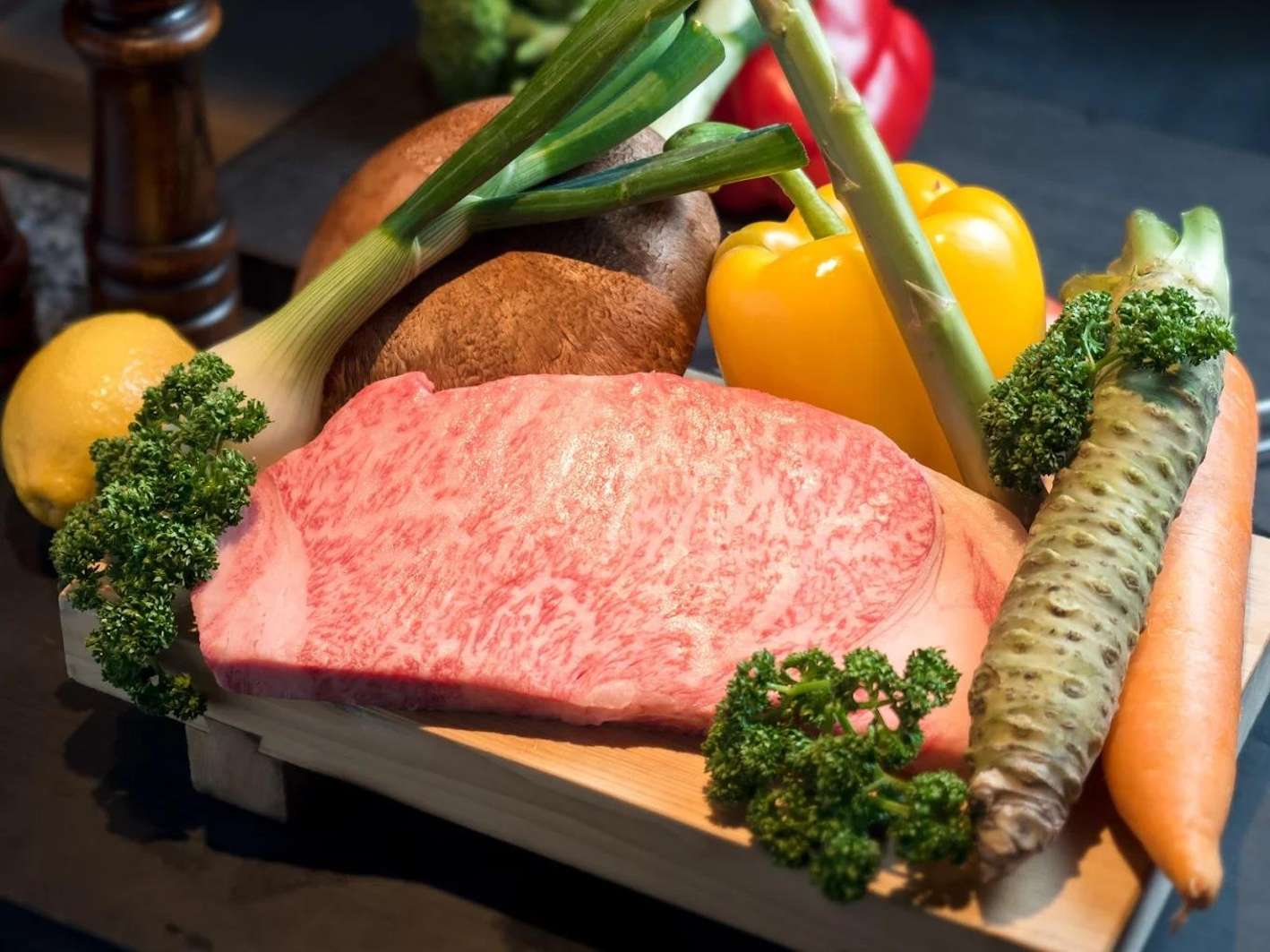
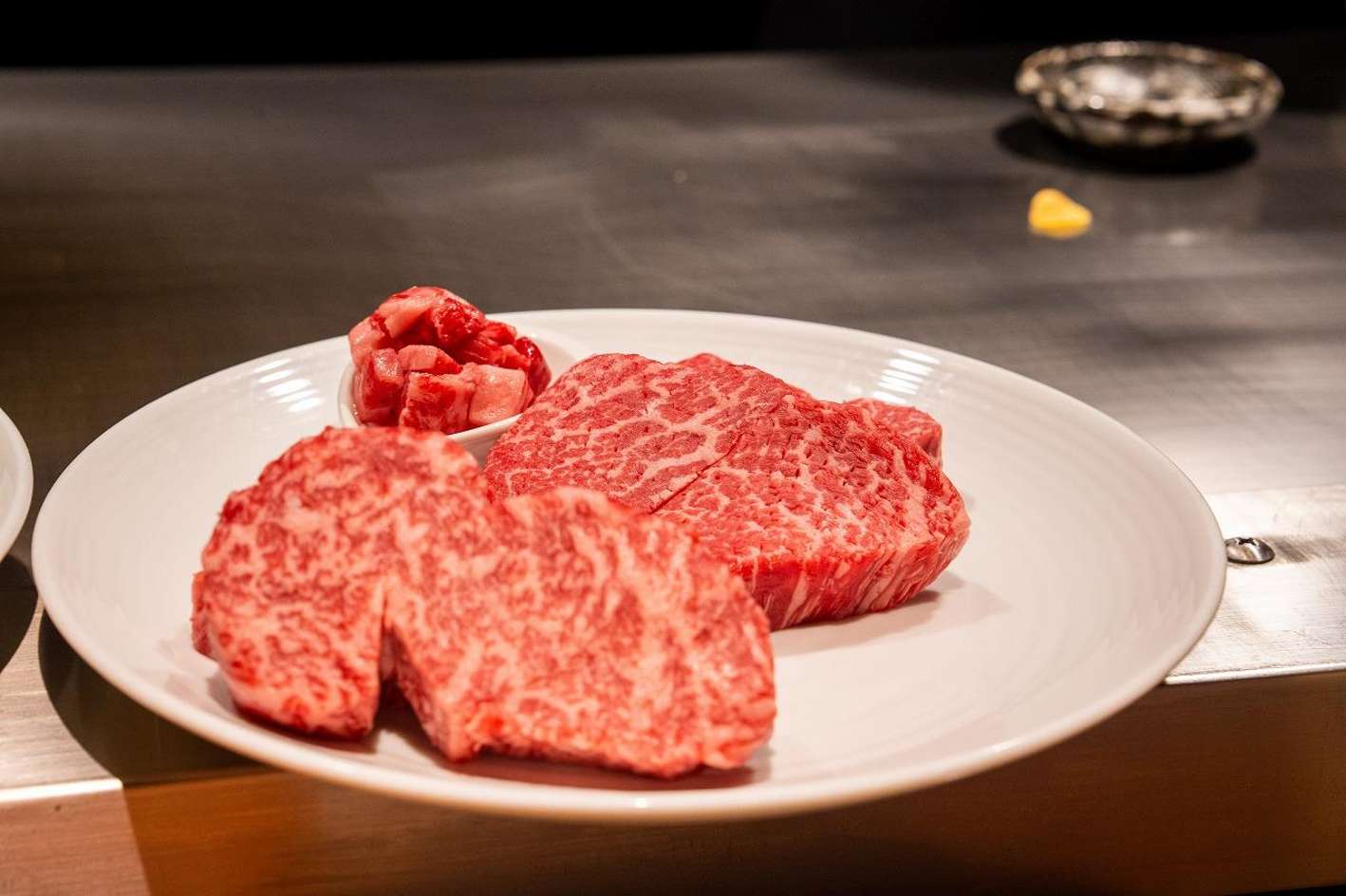
The fat is the answer. Kobe beef carries so much fine marbling that the fat dissolves at low heat, which is why the steak softens the moment it reaches your tongue. People who book it as part of a guided meal say it exceeds expectations, with melt-in-your-mouth tenderness, and that the hype is earned.
What turns a good lunch into the reason to come is the glass beside it. Nada sake runs crisp and dry, and its acidity cuts straight through the marbling, cleaning the palate between bites. Drunk separately, either is a treat. Together they explain each other.
The premium price tag can feel steep next to other meals in Japan. The trade is quality meat and service at a counter built around it, plus a story you will tell long after the trip.
A traveler's note
Fantastic excursion. Nash was excellent, very communicative beforehand and wonderful all day. He picked the perfect spot to try Kobe beef. Highly recommend this activity; Nash made our Kobe day memorable. Thank you!
What makes Kobe beef different, and why sake matters
Kobe beef is a legally protected name, and the rules are strict. The animal must be purebred Tajima cattle, born, raised and harvested in Hyogo Prefecture, and only virgin cows and gelded bulls raised to maturity qualify. All Kobe beef is wagyu; most wagyu is not Kobe beef.
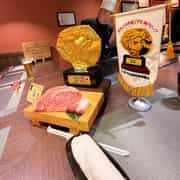
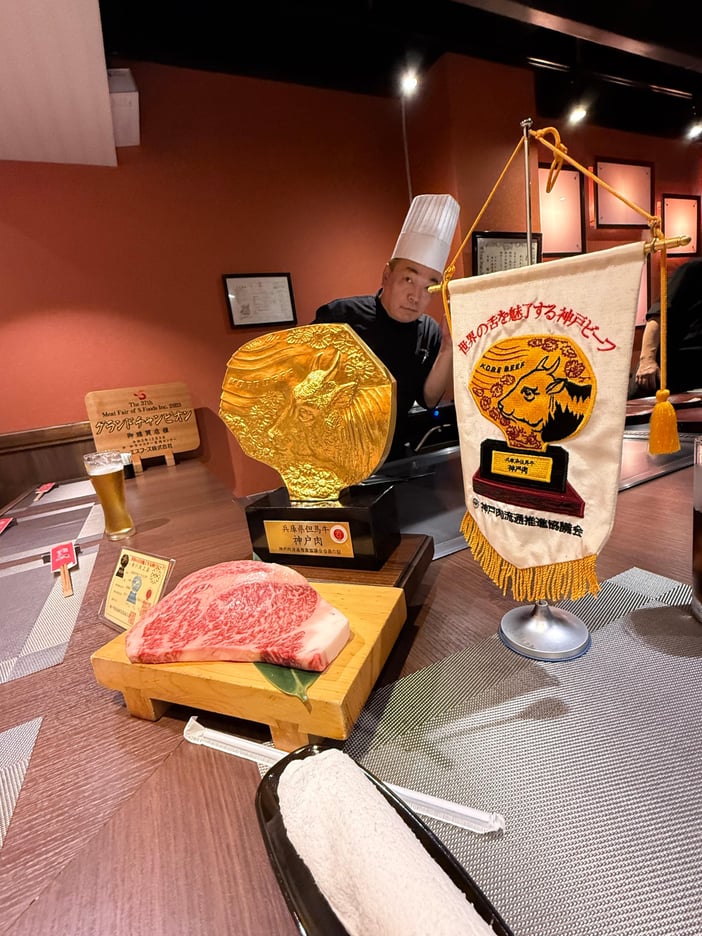
The chrysanthemum is the tell. Certified carcasses carry a Japanese chrysanthemum mark, stamped four places, because it is the prefectural flower. Authorized restaurants display a small bronze Kobe beef statuette and a registration certificate at the entrance, and your table gets a 10-digit cattle ID that traces lineage and birthplace.
Scarcity explains the bill. Kobe beef is under roughly 0.2 percent of all beef eaten in Japan, and Tajima cattle need two to four extra months on feed compared with standard wagyu.
Three beliefs worth retiring
MythKobe cattle get daily massages and plenty of beer
Reality
The marbling comes from strict bloodline, feed and time; the massage story has no record behind it
Myth"Kobe-style" beef abroad is the real thing
Reality
Outside Japan the name is loosely used; only certified Tajima beef from Hyogo carries the mark
MythYou must detour to Kobe city for premium wagyu
Reality
Certified Kobe beef is sold in Tokyo, Osaka and Kyoto too; Kobe's edge is the widest choice
Each of these comes up the moment a menu is in front of you, and each has a simple test. Look for the statuette, the seal, and the story an ID number can back up.
Tour for this
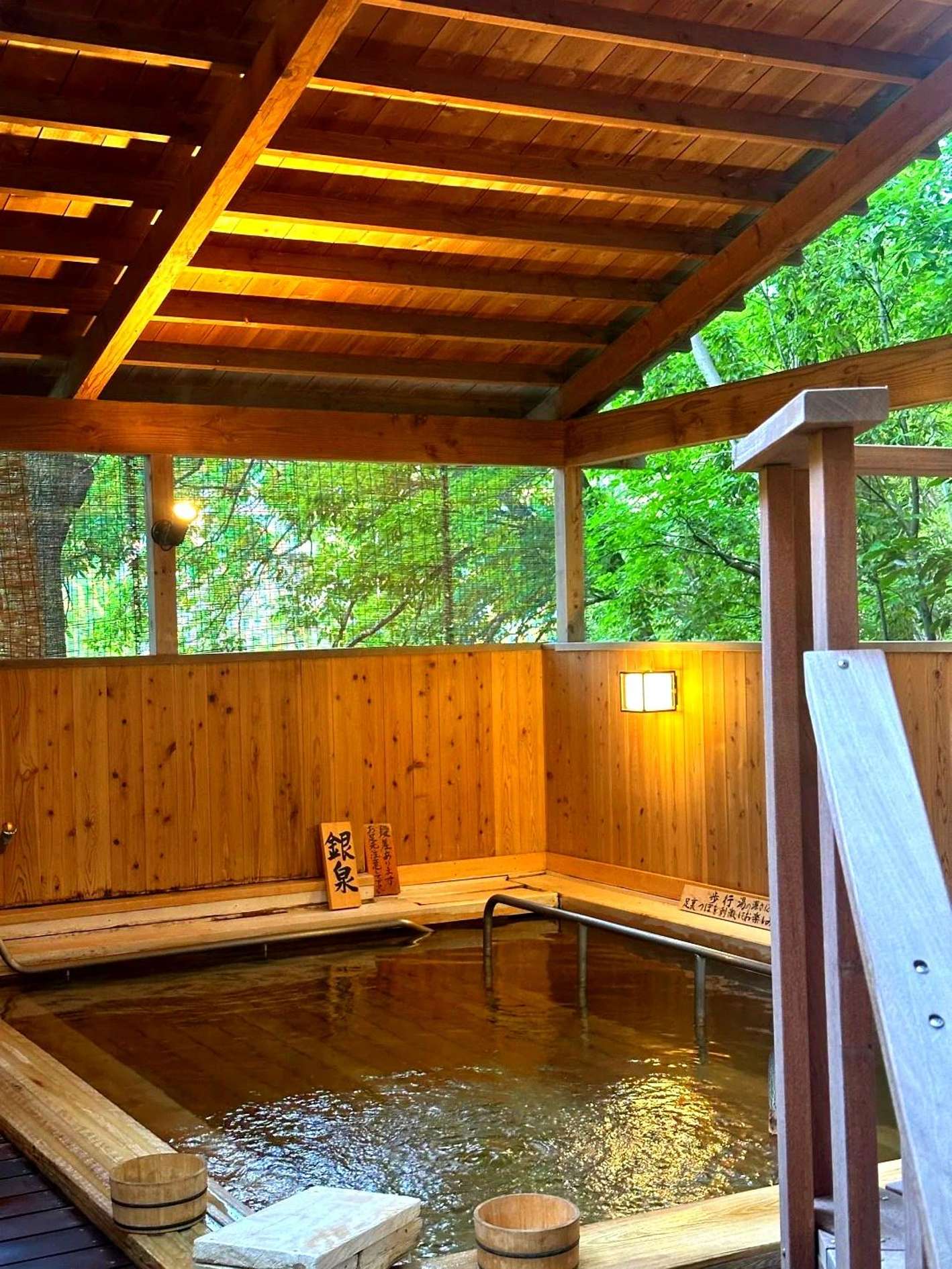
Kobe Port: Private Sake, Beef & Hot Spring Tour5.0★ (1) · 8 hours · Hotel pickup · Free cancellation
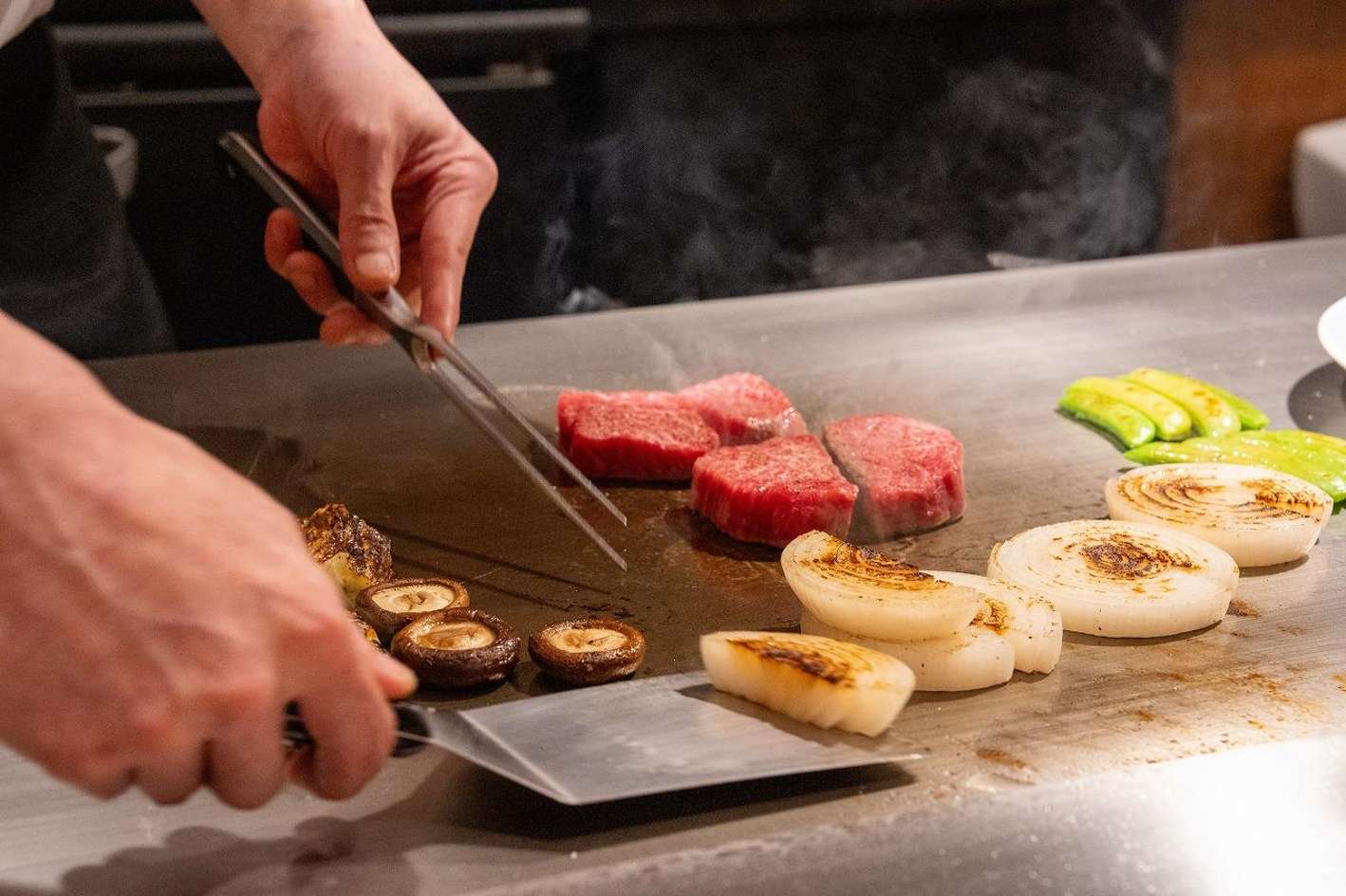
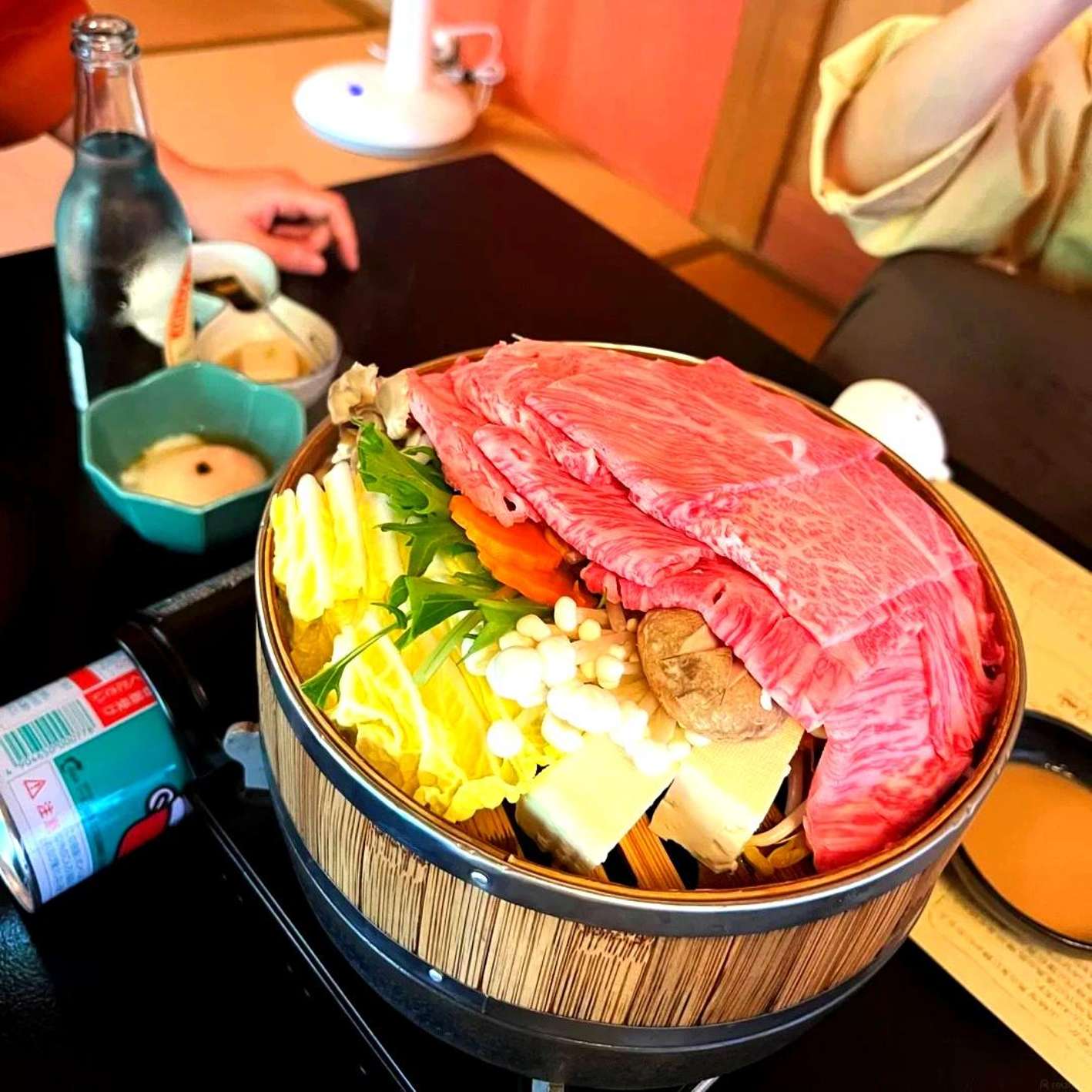
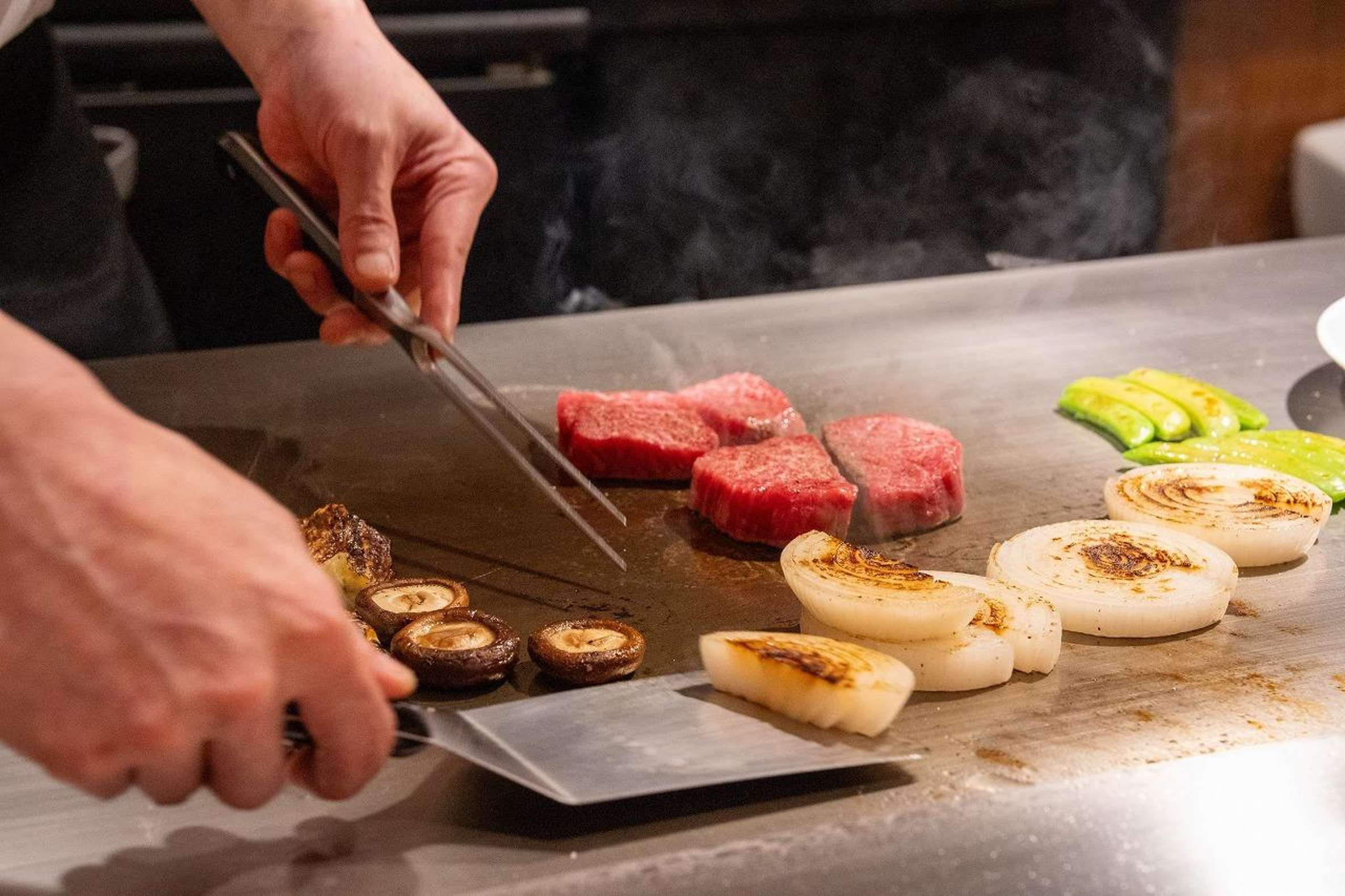
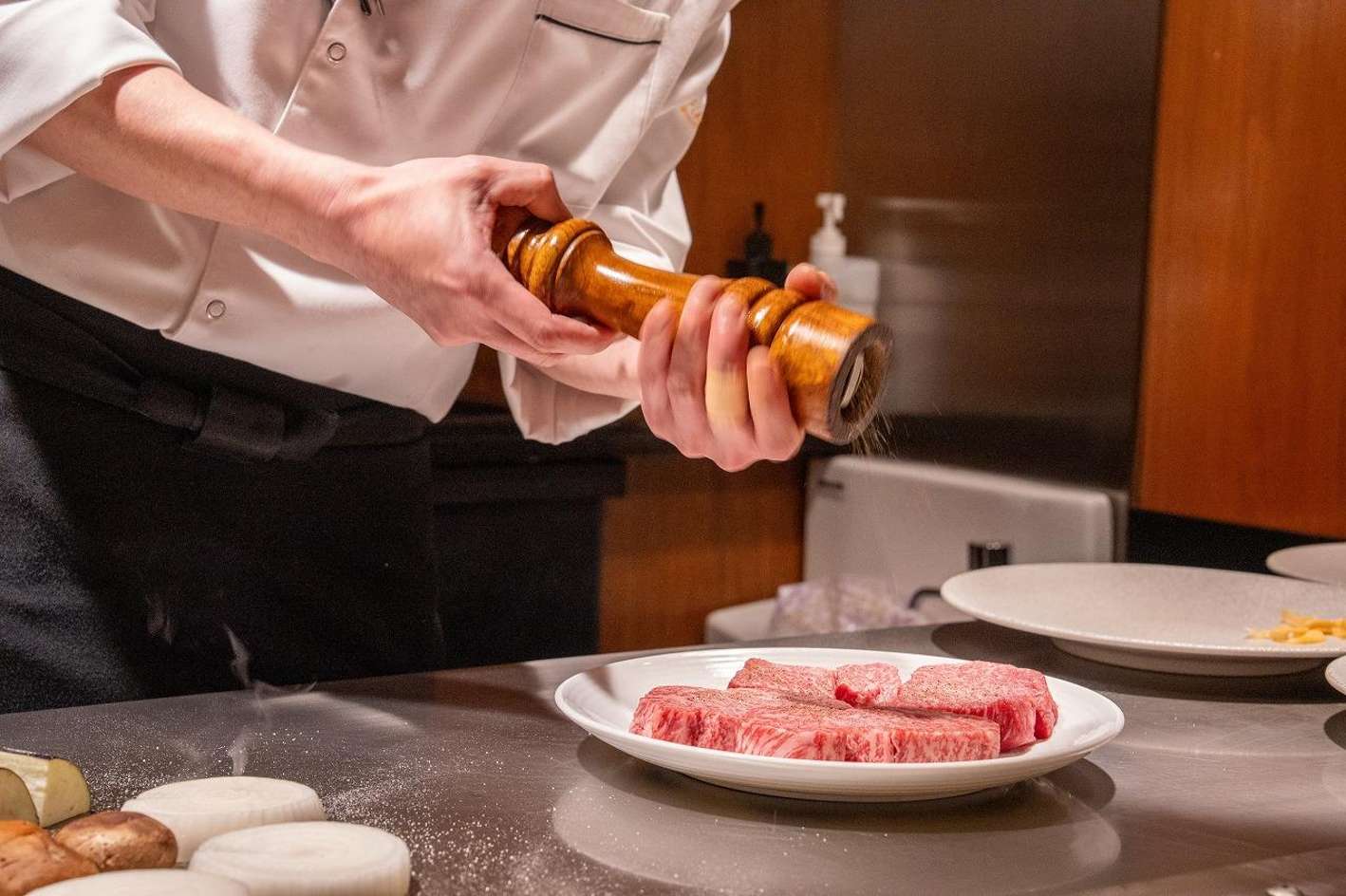
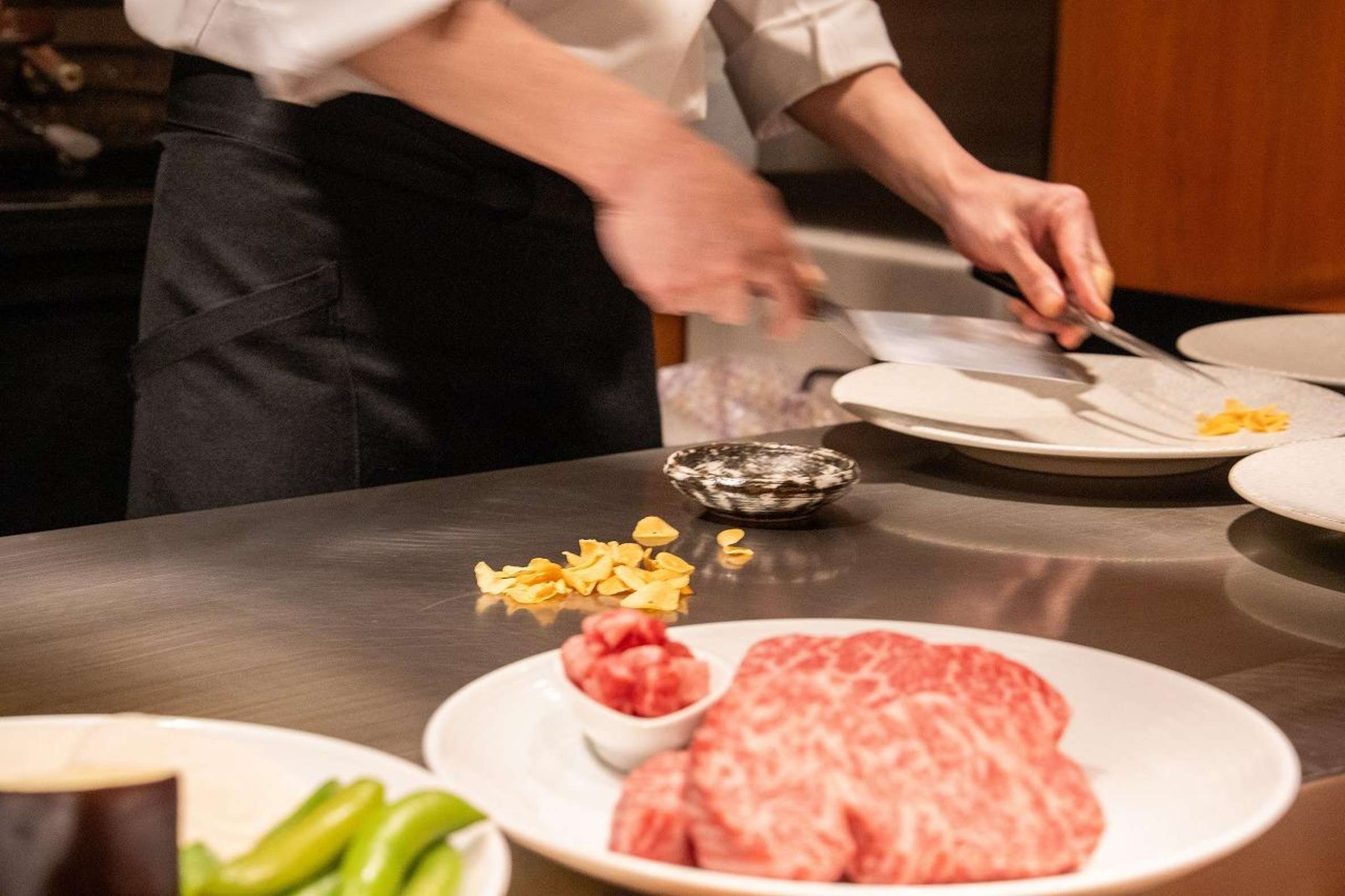
Lunch at the teppan is the part people remember. The chef works the iron griddle in front of you, and a focused itinerary gives that table about an hour and a half out of the day.
The rest belongs to Nada. A compact beef-and-sake run finishes in around 4 hours door to door, while extended routes that string together several brewery museums and a certified steak lunch take 5.5. Half-day formats in between span 3.5 to 5.5 hours depending on stops.
Either way, plan the meal for midday or early afternoon. Nada's museums wind down by late afternoon, so a lunch-forward schedule leaves your evening free for the harbor, or for dinner at a pace the counters rarely offer. The walking is flat city streets, and the tour card tells you exactly how far.
The flavor starts underfoot. Miyamizu groundwater, drawn from beneath Mount Rokko, is medium-hard and mineral-rich, low in the iron that would discolor a brew. That water speeds fermentation and gives Nada sake its bold, dry backbone, the reason the district's brew earned the nickname otoko-zake, men's sake, against Kyoto's sweeter onna-zake.
Craft runs deep here too. The brewing tools at Kiku-Masamune hold a national cultural property designation, and at the Taru Sake Meister Factory you can watch barrel makers fit cedar and bamboo without a single nail.
In the Edo period, water-wheel milling let Nada polish around 2,400 kilograms of rice a day, a rate foot-powered mills never matched.
The prize is the pour you cannot buy at home. Hakutsuru pours freshly pressed, unpasteurized sake only at the source, and Kobe Shushinkan sells tank-direct nama by volume.
What nobody tells you
Nama-zake is unheated, so it exists only at the brewery
Bars and shops carry pasteurized bottles; the fresh, raw taste lives at the tank
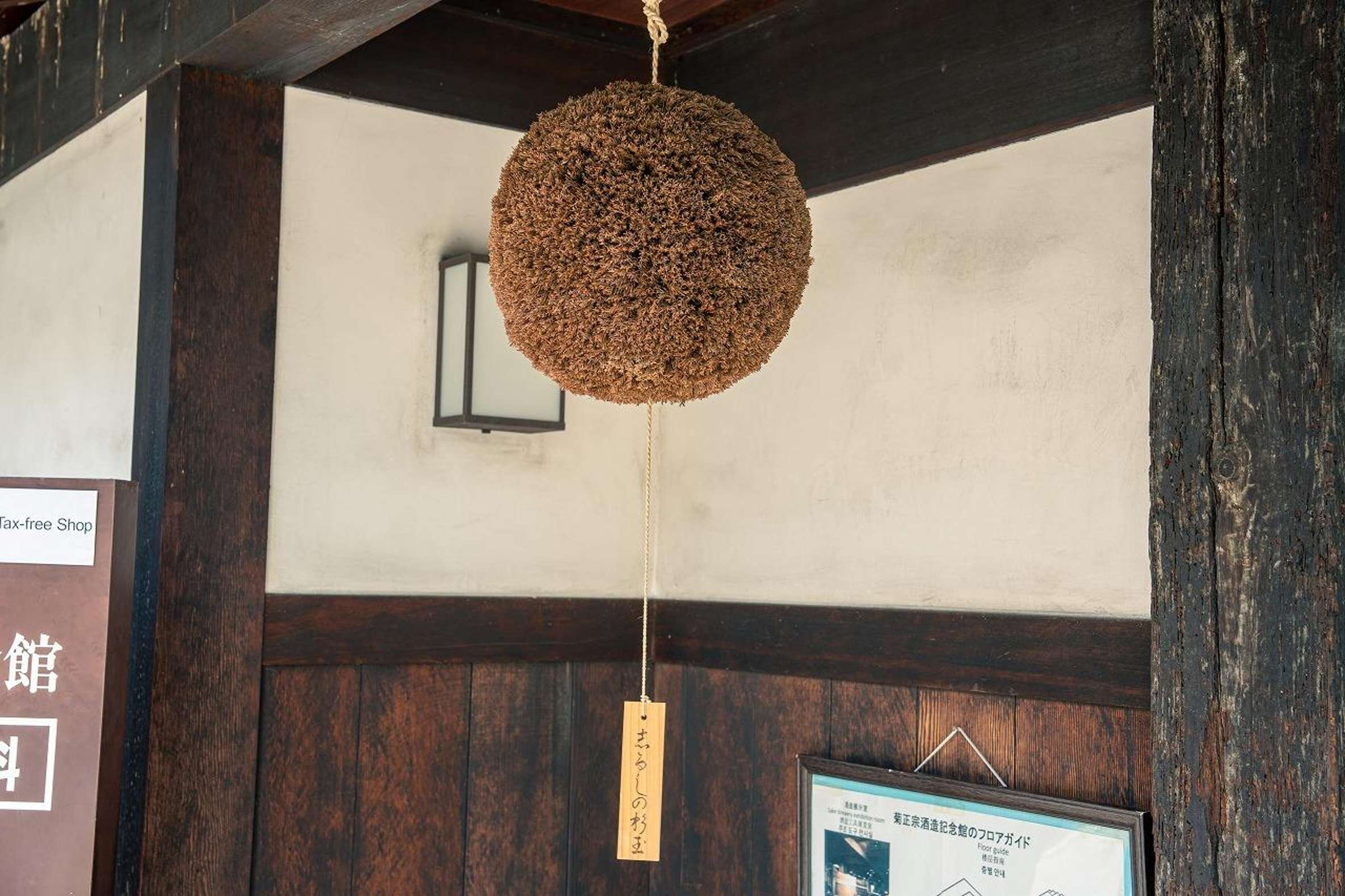
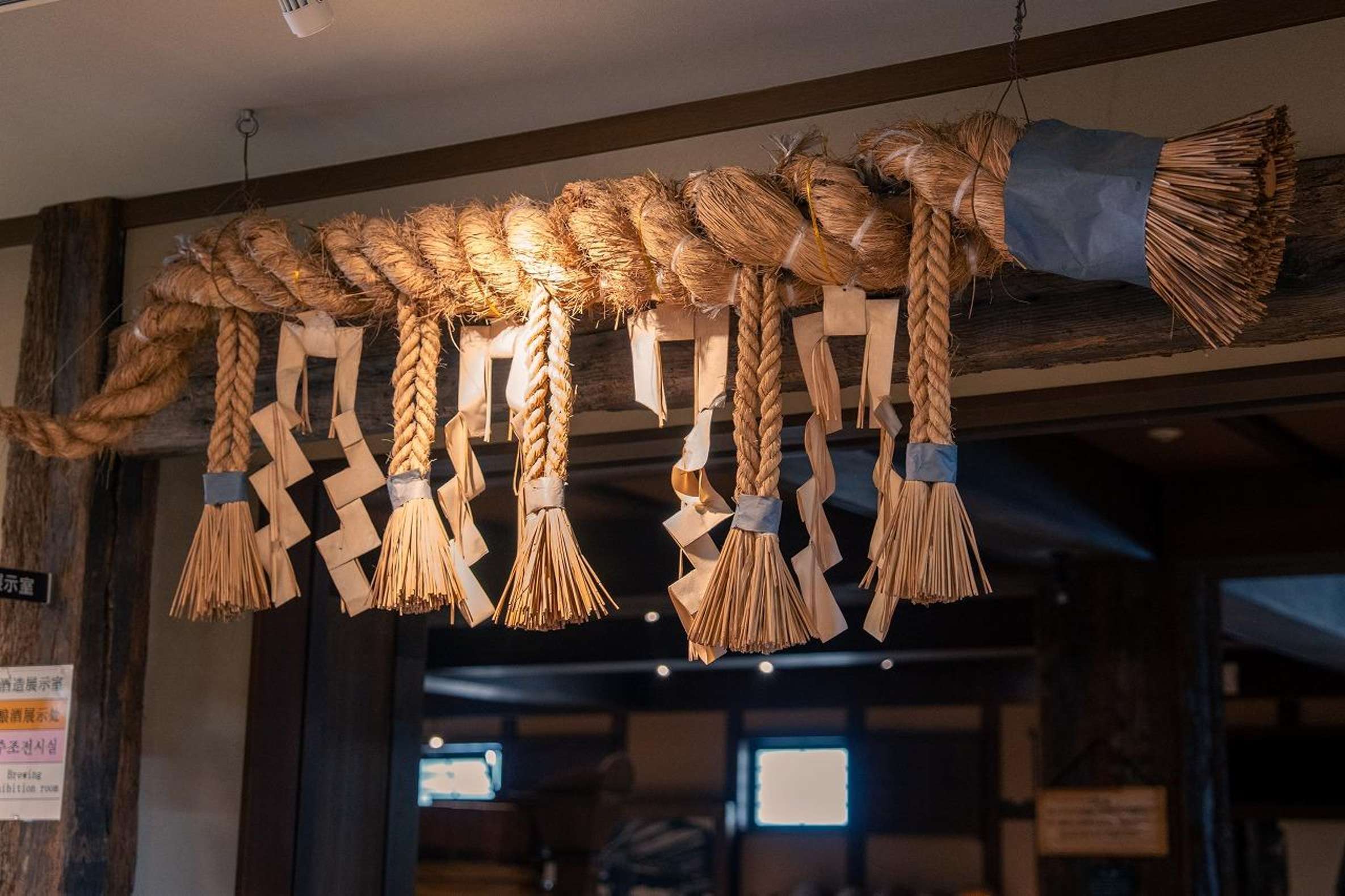
Green cedar balls called sugidama mark new batches
Hang them from December through March and freshly pressed sake follows
The kura ask for no fragrance at all
Brewing is judged by scent, so perfume, citrus peel and even natto can spoil the brewers' read
Between breweries, the three major houses sit close enough to walk, so plan a slow loop on foot between Hakutsuru, Kiku-Masamune and the others.
Pick your month and the district changes character. From October through March, the cold-weather brewing season called kan-zukuri fills working kura with the aroma of fermenting mash and warm rice, and some breweries open live production to visitors.
From December onward, green cedar balls called sugidama hang at entrances, announcing freshly pressed batches and the short window for raw nama-zake.
Nada sake brewery visits by month
January: 5 out of 5 for brewing activity. Peak cold-weather brewing with working tanks active and fresh sake available.
HighestNov to Mar
In betweenOct
LowestApr to Sep
Darker: a higher brewing activity score, out of 5
Tap a month to read it.
Summer is the quiet half. Brewing halts between June and August, so visits run on museum exhibits and history while the tanks rest.
Closure days matter as much as season. Hamafukutsuru rests on Mondays, Kikumasamune on Tuesdays, Sawanotsuru on Wednesdays, while Hakutsuru and Kobe Shu-Shin-Kan open daily.
When a closure falls on a public holiday, the facility opens and pushes its rest day to the next weekday. Year-end and New Year week close nearly everything, so time your dates before booking.
Go at lunch if value decides it. The steak at midday is the same grade of beef as the evening course, served on the same teppanyaki grill, for roughly 20 to 50 percent less through smaller portions.
Lunch sets in Kobe run about 100 to 110 grams of beef against 150 or more at dinner, and the midday price bundles soup, salad, rice and a drink into the base meal. Dinner hours from 5 pm add an evening service charge on top.
Lunch also wins on availability, because dinner counter seats often book out one to three weeks ahead.
Dinner wins on one thing only: it keeps the breweries' full daylight hours intact, since tastings wind down by late afternoon.
A word on portions. For A5 beef, 100 to 150 grams suits a dedicated steak meal, and anything over 200 grams is built for sharing.
Season it the local way, with salt and wasabi instead of sweet sauce, and end with garlic fried rice so the chef folds the rendered fat and juices into the griddle rice.
Three formats cover almost every traveler. The focused half-day pairs a brewery tasting with a beef lunch in about 4 hours. The certified-lunch itinerary stretches to 5.5 hours across several Nada museums. The private full day runs 10 hours with hotel pickup and Mount Maya views folded in.
Sake and beef tour formats side by side
Focused tasting walk
Certified beef lunch tour
Private day trip from Osaka
Time on the clock
about 4 hours
5.5 hours
10 hours
The beef
teppanyaki counter lunch
120 g certified steak lunch set
beef lunch at a local favorite
The sake
six kinds, brewery visit
tastings at three breweries
Hakutsuru museum plus breweries
Pickup included
no
no
yes, from Osaka or Kobe
Best for
a compact half-day
the full Nada pairing
scenery plus hands-free logistics
Focused tasting walk
Time on the clock
about 4 hours
The beef
teppanyaki counter lunch
The sake
six kinds, brewery visit
Pickup included
no
Best for
a compact half-day
Certified beef lunch tour
Time on the clock
5.5 hours
The beef
120 g certified steak lunch set
The sake
tastings at three breweries
Pickup included
no
Best for
the full Nada pairing
Private day trip from Osaka
Time on the clock
10 hours
The beef
beef lunch at a local favorite
The sake
Hakutsuru museum plus breweries
Pickup included
yes, from Osaka or Kobe
Best for
scenery plus hands-free logistics
For the complete pairing, the Certified Kobe Beef Lunch and Nada Sake Brewery Tour is the one this page leads with: a 120 g certified steak at a registered restaurant, train fare to Nada covered, and guided tastings at Hakutsuru, Kiku-Masamune and Hamafukutsuru.
Booking the teppanyaki counter - rules and sake ID
Counter seats are scarce by design. Most Kobe beef steakhouses are compact rooms, which is why high-end venues require reservations and budget spots carry queues. In cherry blossom and autumn foliage peaks, counters book out three to four weeks ahead, and the most established names fill a month or more.
Timing matters. Some top steakhouses open reservations exactly two months before the dining date, so mark the release if your dates are fixed. Mouriya accepts same-day phone reservations and Steak Misono allows them, but neither is the norm at the top end.
No Japanese number? Book by email or through your hotel concierge, and never hand over a false local number; if a form rejects your country code, use the restaurant's alternative route.
If plans slip
If this happens
What happens then
You are more than 30 minutes late at some counters
the restaurant may cancel your seat outright
You arrive over 15 minutes late at one lunch counter
other guests may be seated ahead of you
You cancel on the day at certain high-end counters
the full meal cost is charged
You cancel a beef-and-brewery tour 24 hours ahead
full refund, no questions
One rule saves the seat every time: call the restaurant the moment a delay appears.
Getting to the sake district from Osaka, Kyoto or Kobe
From Osaka, the JR Special Rapid reaches Sannomiya in 20 minutes without a transfer, the fastest simple connection. For the breweries themselves, the Hanshin Main Line is the smarter line, running from Osaka-Umeda into Nada in 20 to 35 minutes with the shortest walk to the kura.
Kyoto travelers ride the JR Special Rapid 50 minutes to Sannomiya, or about an hour by switching to Hanshin at Osaka.
Direct Hanshin limited express from breweriesDirections →
8 minHanshin Main Line
The breweries run on their own clock. The Hanshin line stops nearest the kura, while the JR line puts you a longer walk from the water.
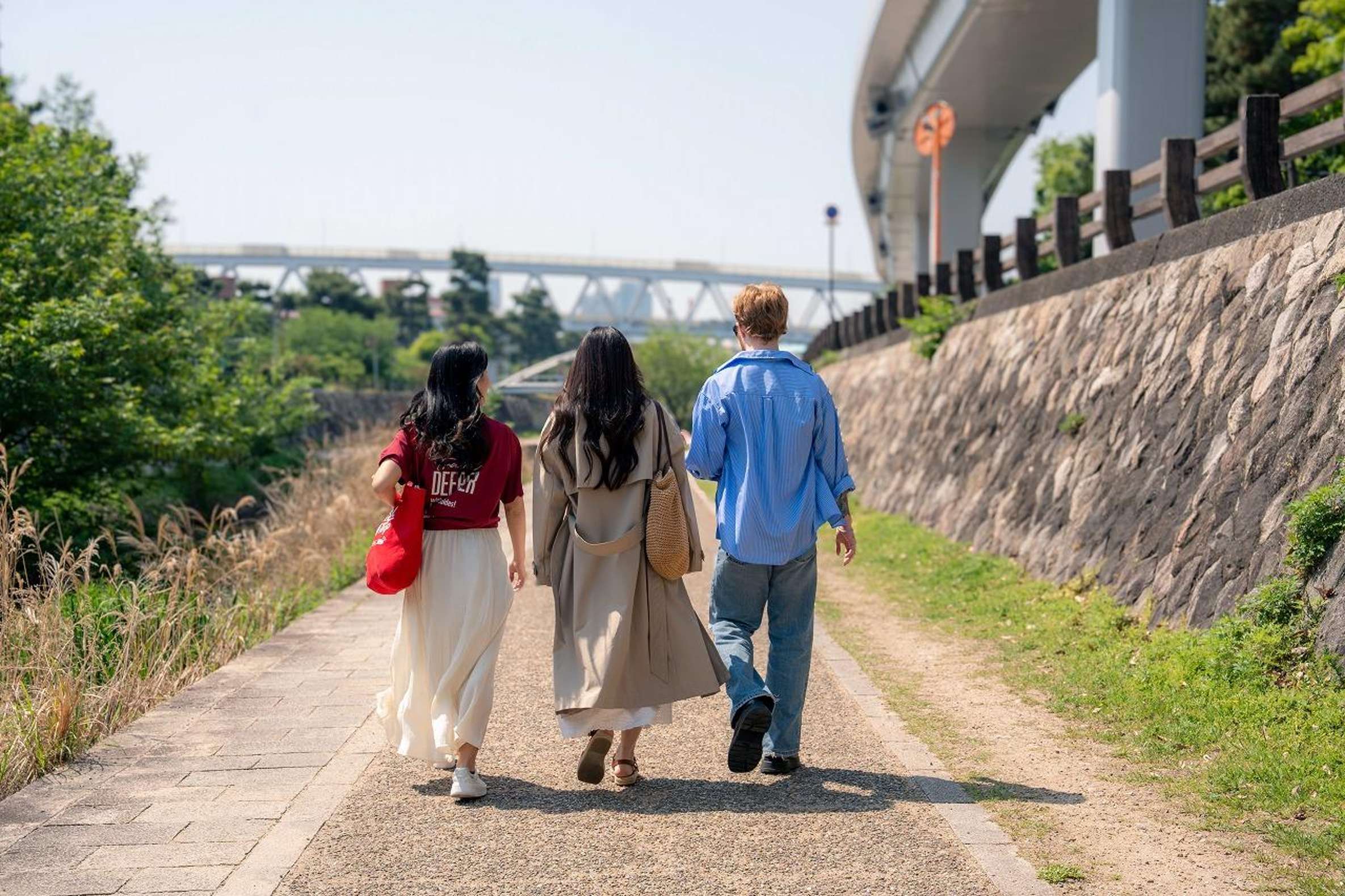
Inside Nada, the walking adds up, and the two figures you hear are different counts. The 2 kilometers is the loop between three named breweries: Kiku-Masamune to Hakutsuru takes 8 minutes on foot, Hakutsuru to Kobe Shushinkan 15.
The 4 kilometers is the distance for covering the district's scattered facilities as a whole, including the walks at each end.
Walking between major Nada breweries
8 minwalk from Kiku-Masamune to Hakutsuru
15 minwalk from Hakutsuru to Shushinkan
The gap between the breweries and Sannomiya is short by train, 8 to 10 minutes on the Hanshin line, but the walks at each end are what a private drive removes: about 18 minutes door to door, which is exactly the leg a guided tour handles for you.
Your passport does double duty. Japanese law expects visitors to carry it, and Nada breweries check photo ID before pouring, because tastings are for ages 20 and over. Younger guests get a non-alcoholic treat instead, and children can tour the exhibits.
ImportantNo perfume, and shoes that slip off: the kura ask for both, and the teppan counter backs them up
Footwear covers both halves of the day. Active kura ask for flat, closed-toe shoes that slip off easily, since cellars require slippers or boots, and warm layers against the cold. The teppan counter runs smart casual: collared shirt or polished dress, closed neat shoes, and no tank tops, shorts or sportswear.
Allergies need stating at booking, before the griddle heats. Several kitchens cook everything on one surface and cannot guarantee allergen-free plates, and one certified lunch tour cannot convert its set to vegetarian. Tell the chef how you want your steak cooked, and keep the camera flash out of the chef's eyes.
Tipping is not customary in Japan, and a thank-you to the chef does the work a tip would.
Ordinary rain changes nothing. Walking tours run on schedule, shifting toward covered arcades and indoor venues when needed, so a wet day in Kobe is still a full day.
The stoppage comes from storms. When the weather agency issues a Storm Warning or Emergency Warning, or rail operators schedule planned suspensions ahead of a typhoon, trains and cultural facilities shut and tour operators cancel walking tours for safety, refunding in full or rescheduling.
That risk concentrates between June and September, so summer bookings deserve a flexible date.
When the weather turns
If this happens
What happens then
The day meets a typhoon warning
the tour operator cancels with a full refund or a reschedule
You cancel a beef-and-brewery tour 24 hours ahead
full refund
You cancel on the day at certain high-end counters
the full meal cost is charged
The bottle is the last trap. Unpasteurized nama-zake from the tank must stay at refrigerator temperature from purchase onward; carry it home unrefrigerated and the quality is gone. Buy the raw sake only if your hotel has a fridge, or choose a pasteurized bottle.
The beef lunch, Kitano's old western houses, and the harbor fill a half-day without strain. Add Mount Rokko and you have a full day, best done as an evening extension: watch the harbor at golden hour, then ride up for the night view so you climb the hills once.
Ikuta Shrine, one of Japan's oldest, sits within a short walk of the meeting point, and some tours build it into the route with a guide's stories about Kobe's origins. The museum cluster near the harbor covers a slow afternoon.
If you are staying in Osaka, the day trip works in either direction: many travelers come over for the breweries and stay for a Kobe beef dinner in the city.
Not a beef eater? High-end teppanyaki counters usually offer seafood alternatives such as lobster or abalone, so the evening seat works for the whole table.
A guided day that pairs Nada's dry sake with a certified teppanyaki lunch is worth the trip: the beef genuinely melts, the pairing makes sense on the palate, and the logistics are the part you would fumble alone.
Book a lunch seat, carry your passport, and go between October and March if live brewing matters to you.
Go ifYou want both icons in one seamless day from Osaka, Kyoto or central KobeYou are 20 or over and will carry a physical passport for tastingsYou can book three to four weeks out in cherry blossom or foliage season
Skip ifYou need a vegetarian or vegan lunch on the certified beef tourYou cannot walk about 4 kilometers of flat city streets across a half-dayYou are traveling in the year-end New Year week, when both breweries and steakhouses close
Quick answers on tastings, meal times, ages and booking before you pick your day in Kobe.
Kobe2026
The unpasteurized sake here is poured nowhere else, so taste it at the tank. Bring your passport and skip the perfume.
Is a Kobe beef and sake tour a good way to try both in one day?
Yes. A combined itinerary takes 4 to 5.5 hours from the meeting point to the end, with about 1.5 hours of that at the table. A guide handles the train hop between Sannomiya and the Nada breweries, so you never chase timetables.
How old do I have to be to taste sake in Nada?
Japan's legal drinking age is 20, and it applies to foreign visitors too. Brewery museums check photo ID or your physical passport before pouring, so carry it with you. Younger guests can join the tour and receive a non-alcoholic treat instead.
Can I taste sake in Nada that I can't find anywhere else?
Yes. Hakutsuru pours freshly pressed, unpasteurized sake only at the brewery museum, and Kobe Shushinkan sells raw sake straight from the tank. Unpasteurized sake is unheated, so a regular bar cannot offer it.
Should I book Kobe beef for lunch or dinner on a brewery day?
Both work. Lunch lets you order midday set menus, which use the same grade of beef at a lower price than dinner courses. Dinner preserves the full brewery window, since museum tastings wrap up by about 4 pm and dinner seatings start at 5:00 or 5:30 pm.
How do I know a restaurant serves real Kobe beef?
Look for the small bronze statuette and registration certificate at the shop front, which mark an authorized restaurant. Certified beef also carries a Japanese chrysanthemum stamp, the trademark of Hyogo Prefecture, and the cut is traceable by a 10-digit cattle ID.
What is the difference between wagyu and Kobe beef?
Wagyu is the umbrella term for Japanese cattle breeds and can be raised anywhere. Kobe beef is a legally protected name for purebred Tajima cattle born, raised and harvested in Hyogo Prefecture, so every Kobe steak is wagyu but very little wagyu qualifies as Kobe.
Why does Nada sake pair so well with Kobe beef?
Nada brews with hard Miyamizu spring water, which gives the sake a crisp, dry profile nicknamed otoko-zake. That acidity cuts through the marbling of the beef and refreshes your palate between bites.
How much walking is involved between the breweries?
Linking the main storehouses around Hakutsuru and Kiku-Masamune adds up to roughly 2 km on foot, and a full guided brewery day runs about 4 km on flat streets. Wear flat, closed-toe shoes you can slip off easily.
Can I bring children on a beef and sake tour?
Yes for the breweries and the meal; children can tour the museum exhibits, and one tour welcomes all ages. Tastings are strictly for guests 20 and over, and at some venues elementary school children cannot enter certain factory floors.
Are food allergies or vegetarian diets a problem on these tours?
Vegetarian meals generally cannot be substituted on a certified Kobe beef lunch tour, so that is worth knowing before booking. For allergies, tell the tour at booking, and note that teppanyaki kitchens cook on shared grills, so trace allergens are possible.
Do I need to book, or can I just walk in?
Book ahead. High-end Kobe beef counters have limited seating and popular dates fill three to four weeks out in cherry blossom and autumn peaks. Most of these tours let you cancel up to 24 hours in advance for a full refund.
Can I visit the cattle farms where Kobe beef is raised?
Not in central Kobe, but you can. A ranch in Kobe City's Nishi Ward runs tours, and Tajima Pasture Park and farms around Ojiro and Toyooka let you observe and even feed Tajima cattle. They sit outside a one-day beef and sake itinerary.