
4 hours·English
5.0(5)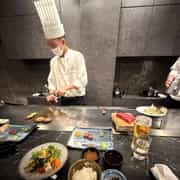
Kobe: Premium Kobe Beef & Sake Tasting Culinary Experience
Free cancellationSake & Ice CreamSake Cup Souvenir
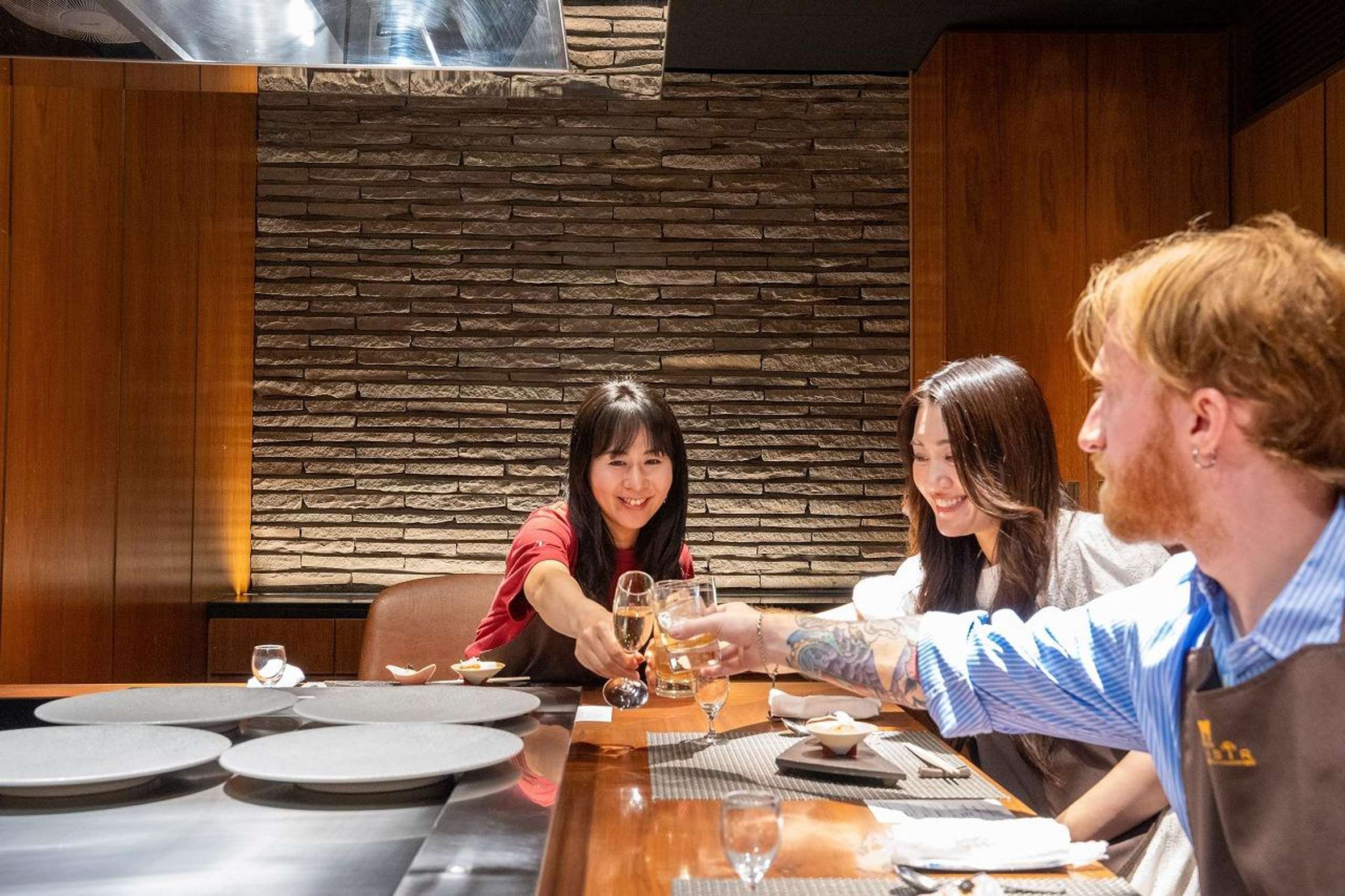
Book a counter seat at a certified Kobe beef teppanyaki grill and watch the chef sear every slice in front of you, the melt-in-your-mouth tenderness people say is worth the hype. Join a guided tasting tour that secures your griddle-side seat and explains the certification, so you taste the real thing. Reserve your counter today.
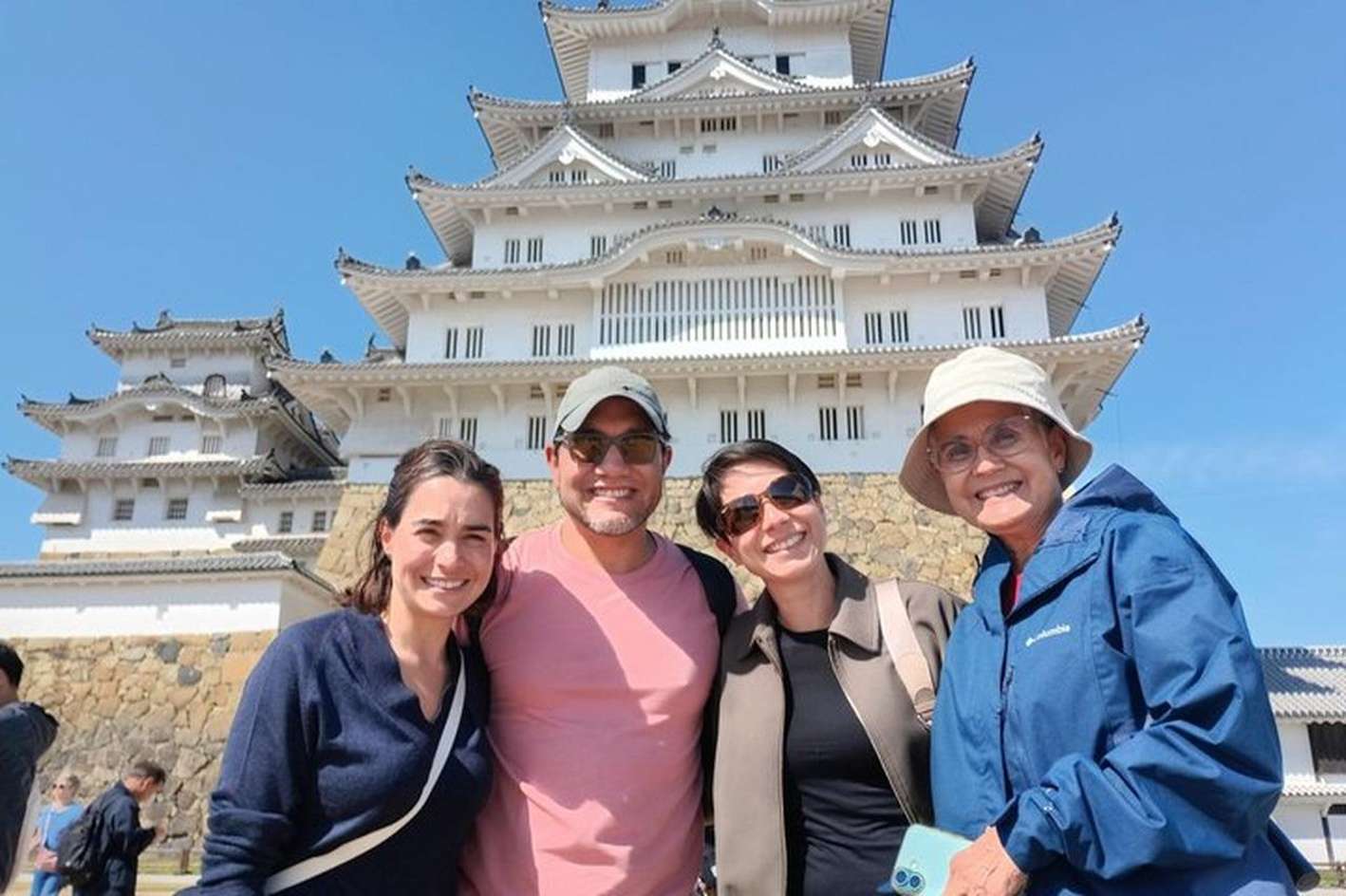
"Amazing tour thanks to our guide Chie, she shared the history of Kobe and every spot we passed in a fun, interesting way. Highly recommend her!"
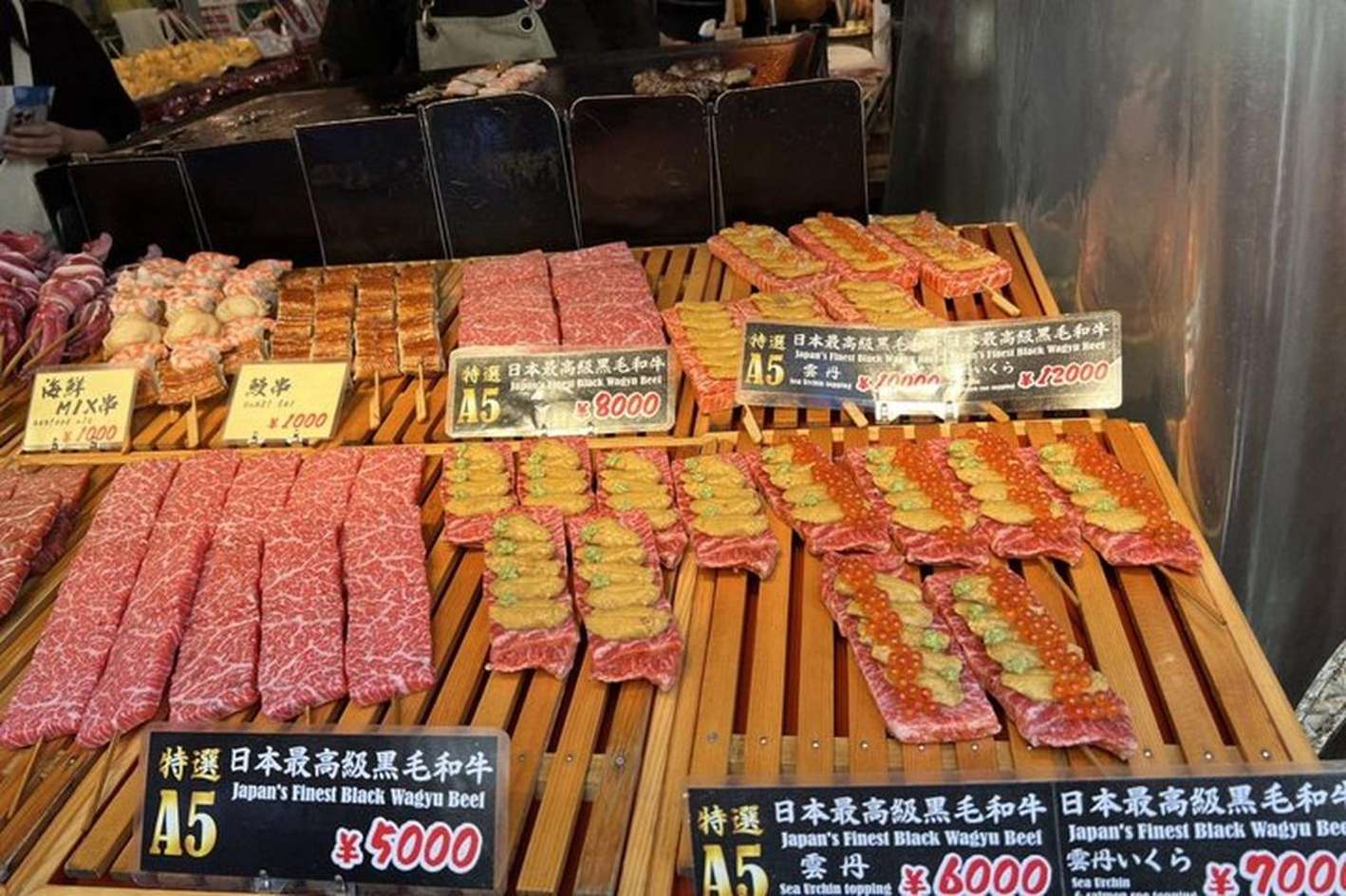
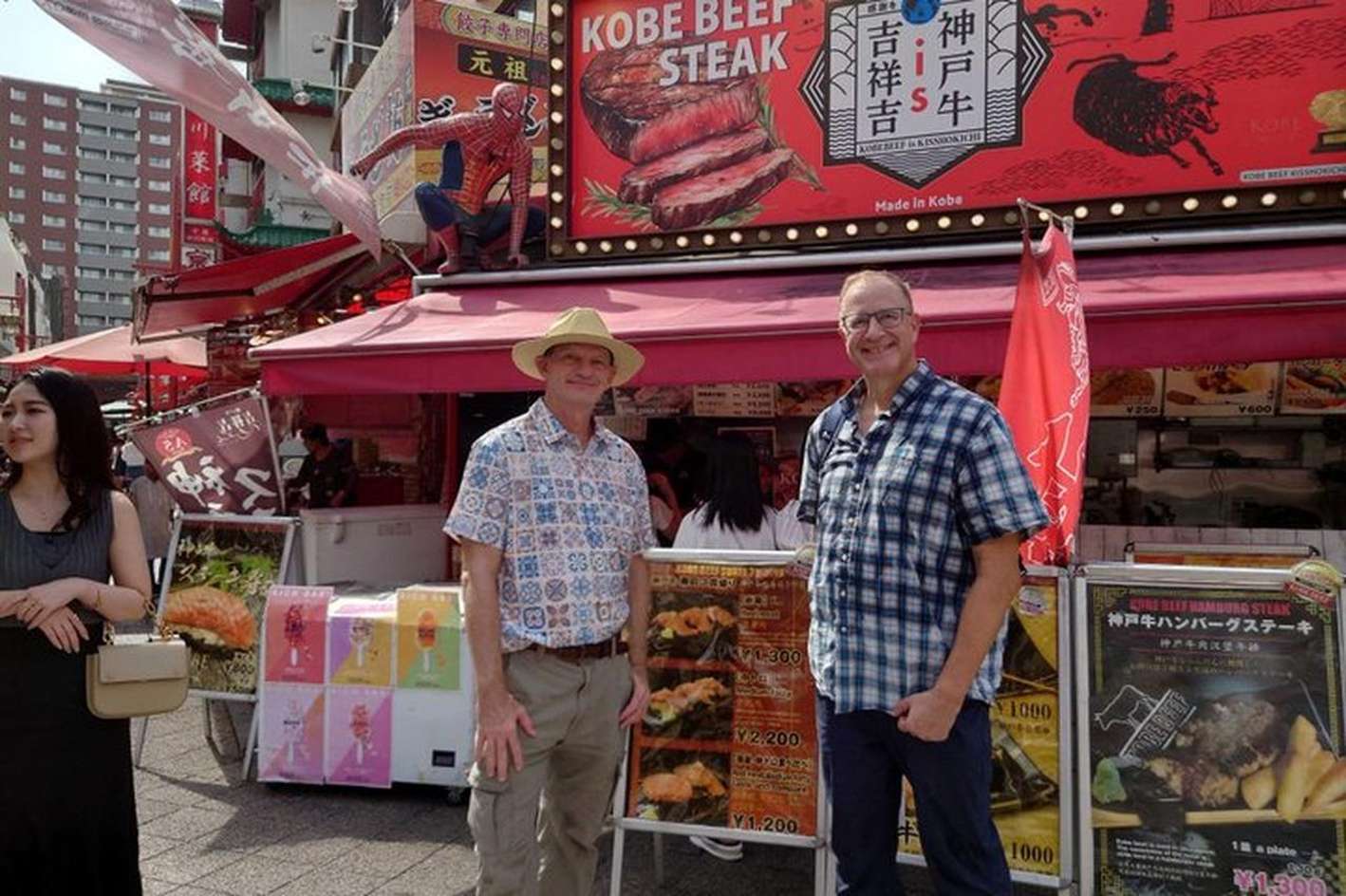
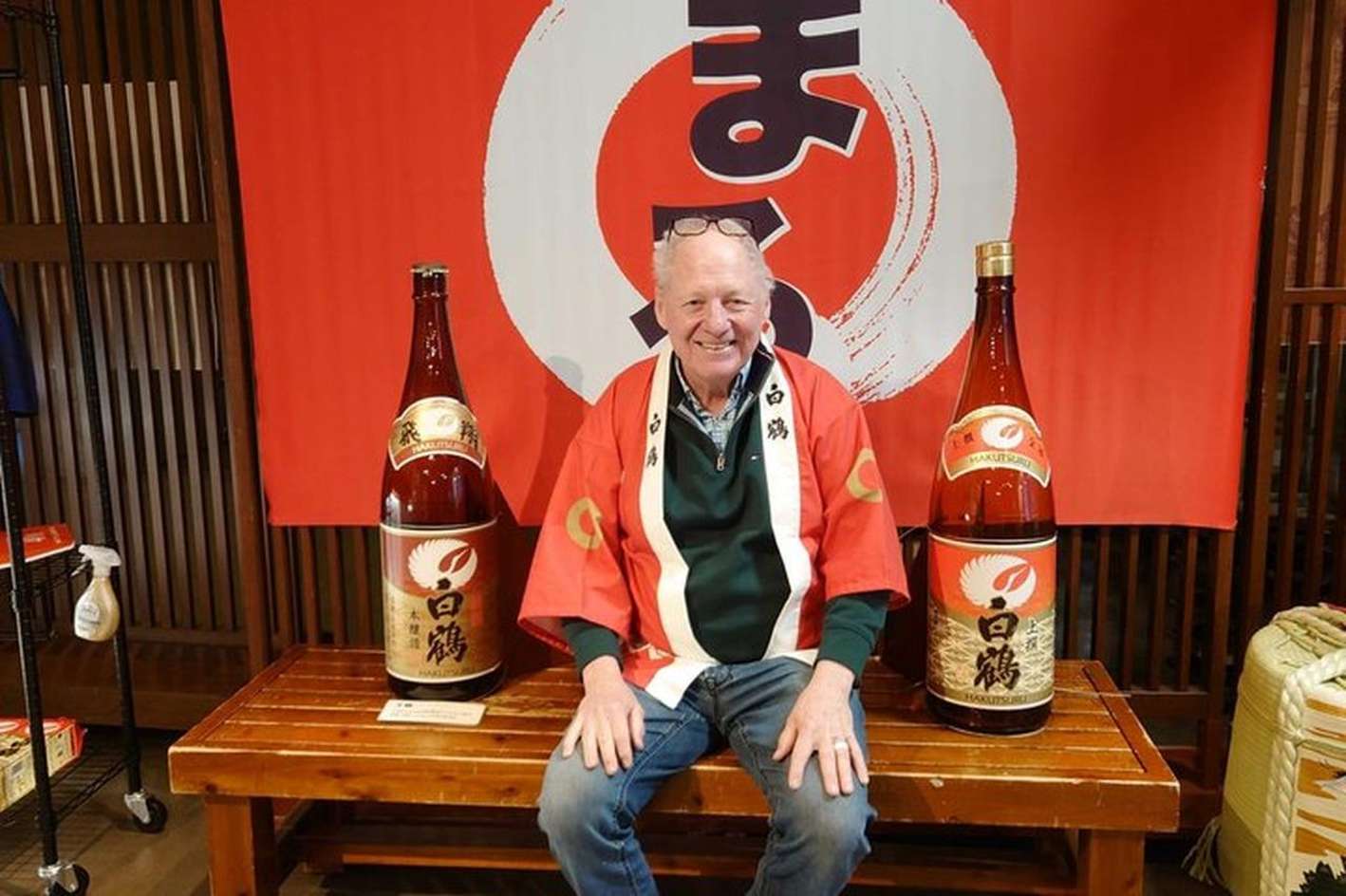
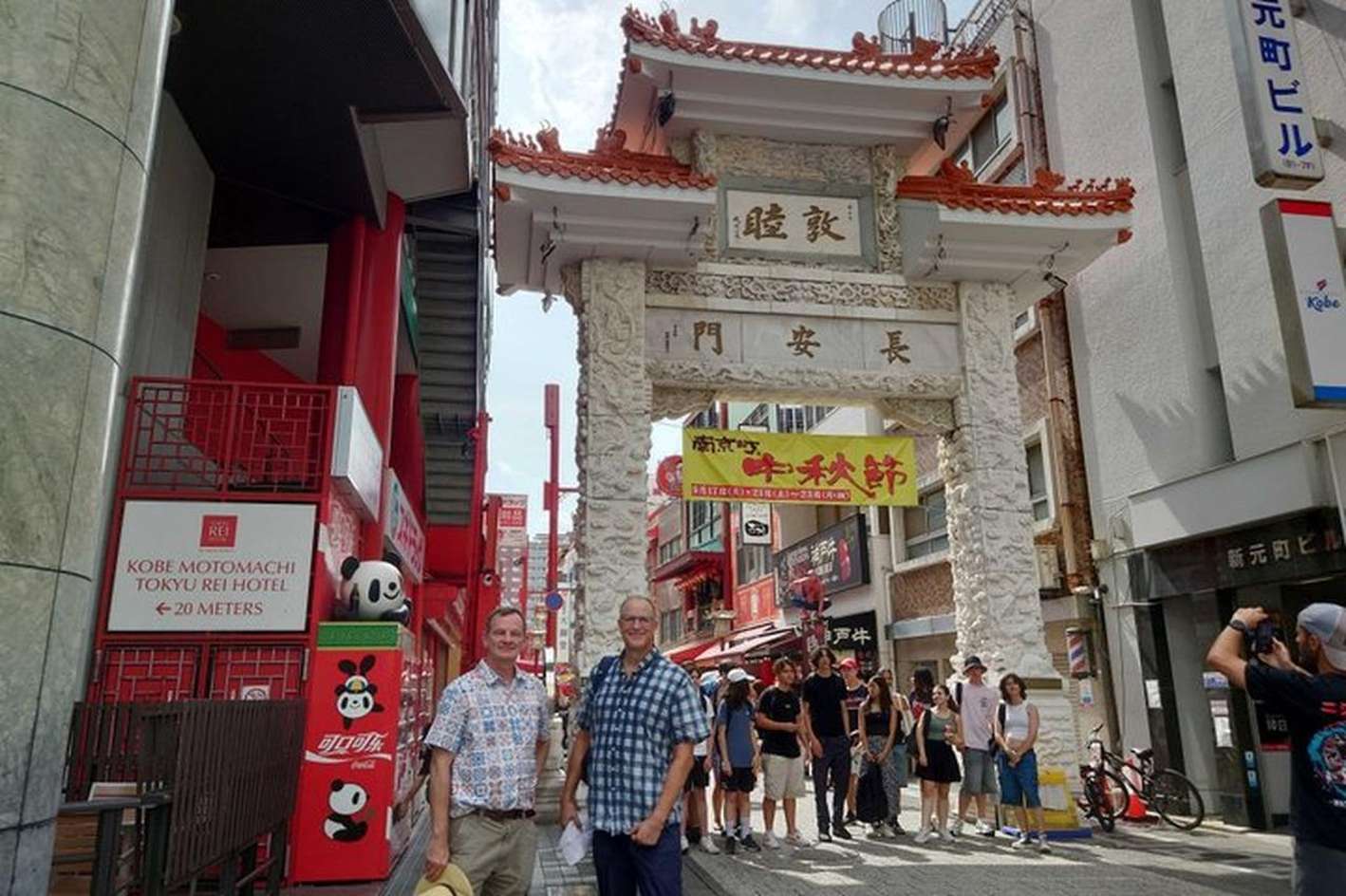
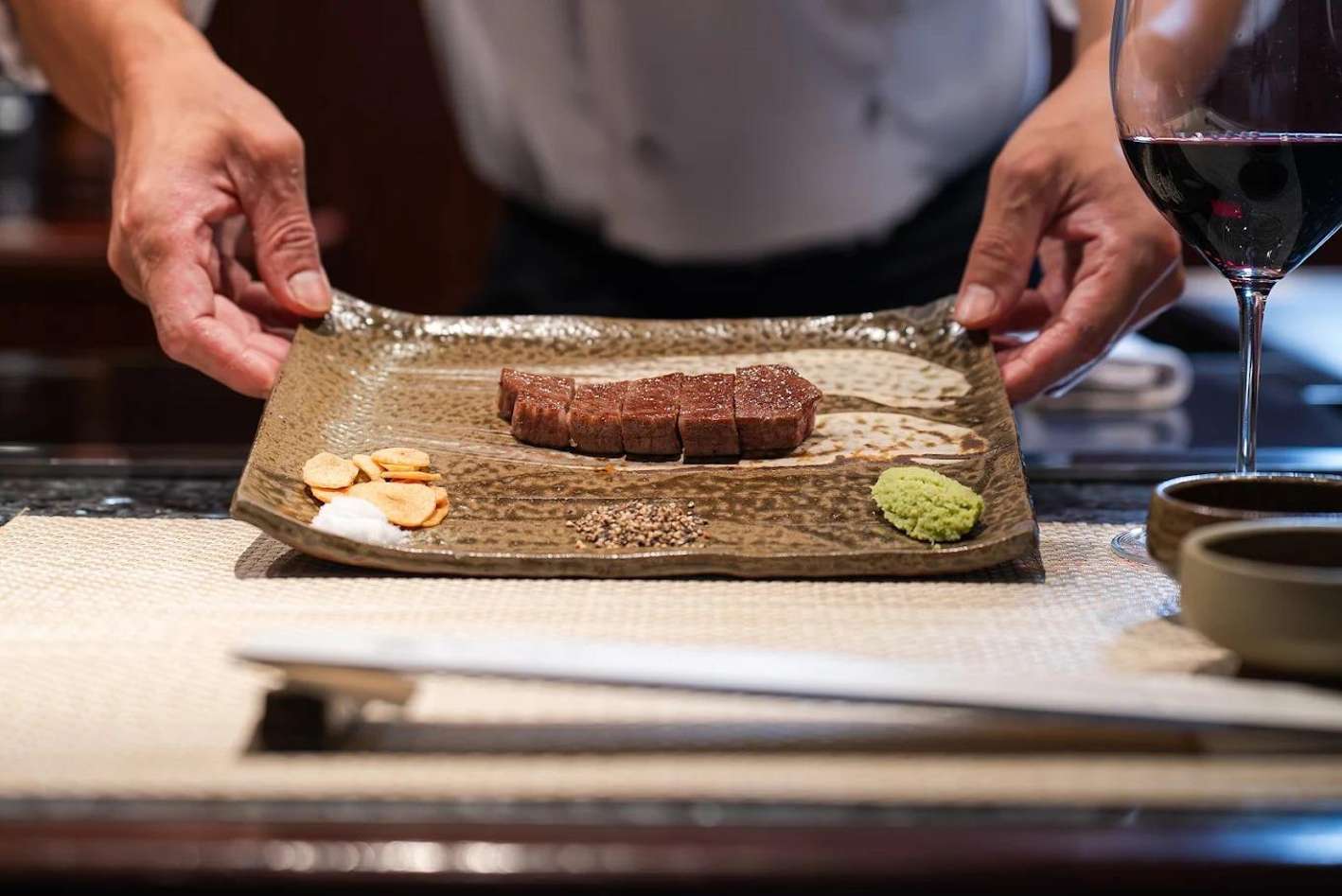
The chrysanthemum stamp, the bronze statuette and the 10-digit ID that prove the beef is real.
Read the guide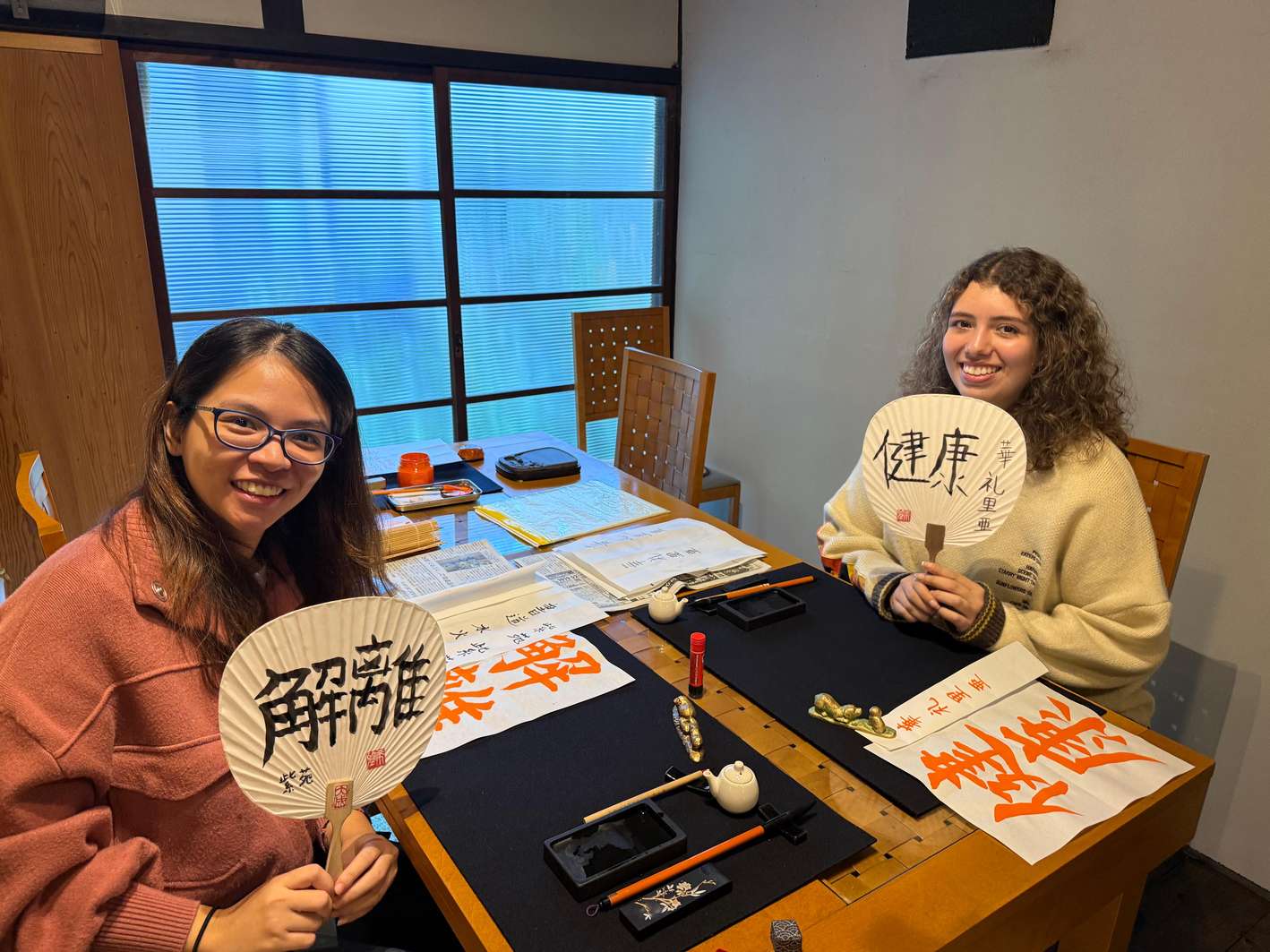
Lunch sets serve the same grade of beef as dinner for less, and counter seats free up weeks earlier.
Read the guideThe multi-course dinner explained: premium cuts, larger portions, dress codes and the chef's heat zones.
Read the guideThe griddle is the same on every table; the choice is how you book it, when you eat it, and what you order.
How to tell certified Kobe beef from wagyu sold under a Kobe name
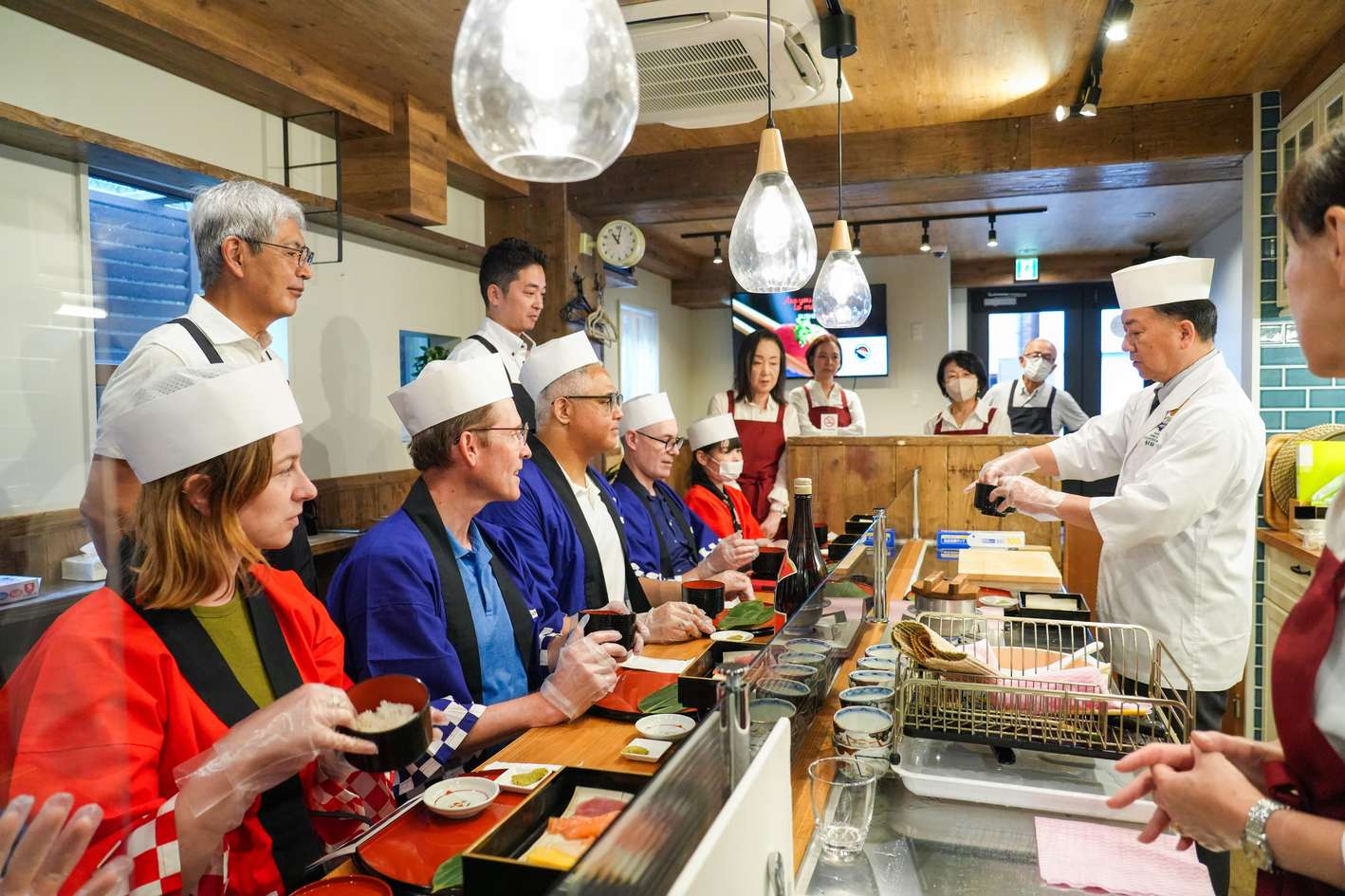
A small bronze statuette by the door means a restaurant is authorized to handle genuine Kobe beef. The meat itself carries a chrysanthemum stamp, and the menu shows a 10-digit ID number you can trace to the animal's birthplace and lineage.
Only purebred Tajima cattle born, raised and processed in Hyogo Prefecture qualify, with a marbling score of at least six.
The catch is the word "Kobe-style": in some countries crossbred meat can legally carry that label. Check the statuette and the ID number before you order, and the marketing sorts itself out. A guided tour with a registered restaurant does the checking for you.
The same certified cuts at midday prices, with soup, salad and rice included
The fat marbling is the same at noon as at night. Lunch sets bundle soup, salad, rice, pickles and dessert into the base price, while dinner adds an evening service charge and a longer course. A teppanyaki lunch runs about 60 to 90 minutes from seating to coffee.
Availability is the real advantage: a weekday lunch counter usually books one to two weeks ahead, or three to four in peak season, against dinner counters that fill a month or more out.
Kitchens stop taking lunch orders around 2:00 to 2:30 pm, so aim for a midday arrival. One tour pairs a 120 g certified Kobe beef lunch with a Nada sake brewery walk.
4 hours · ★ 5.0 (5)Calligraphy Lesson, Tea Ceremony, & Kobe Beef Lunch in KobeFrom $175 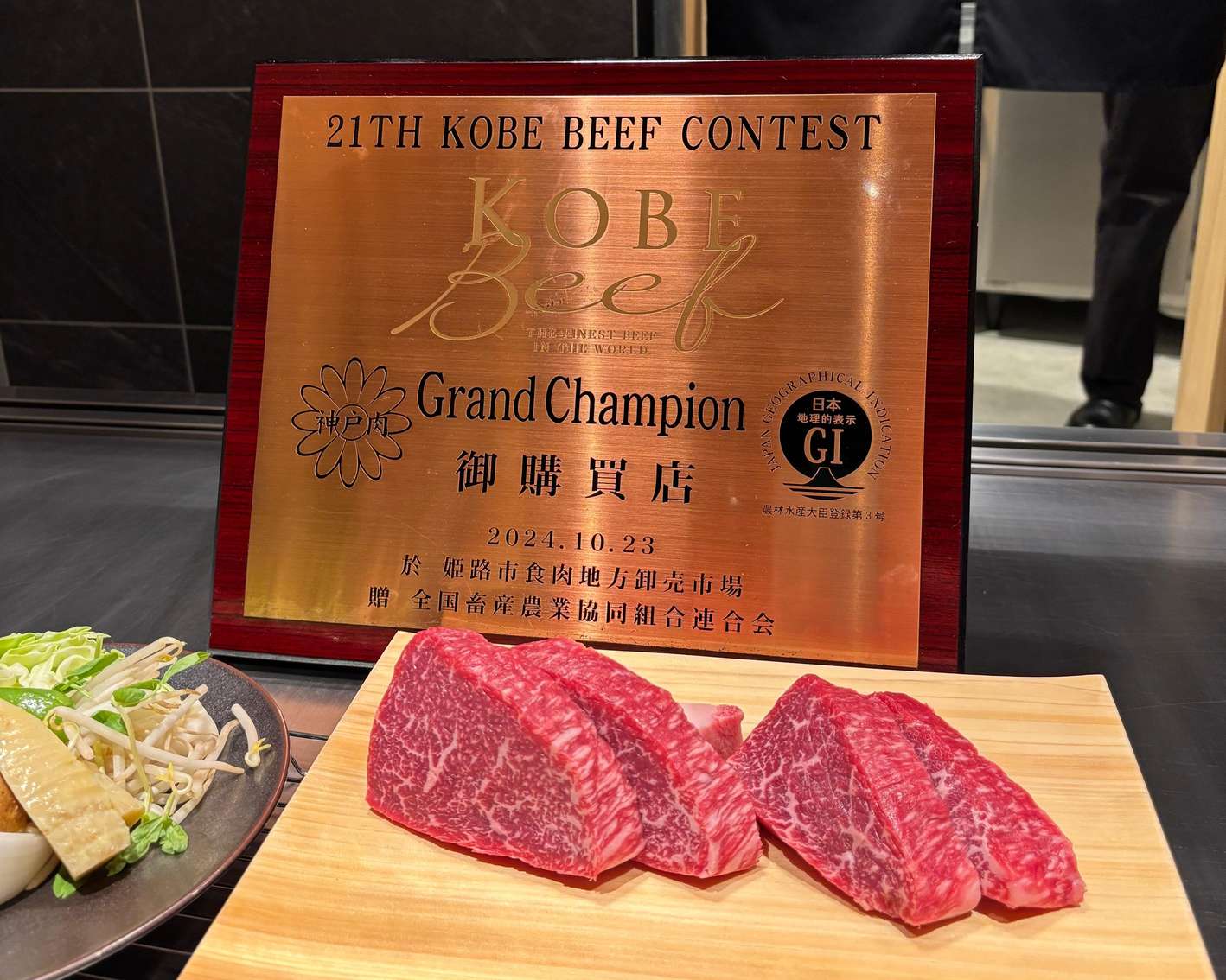 3 hours · ★ 5.0 (2)Hidden Kobe: Kobe Beef Lunch & Local Japanese ExperienceFrom $167 5.5 hoursKobe: Certified Kobe Beef Lunch and Nada Sake Brewery TourFrom $149
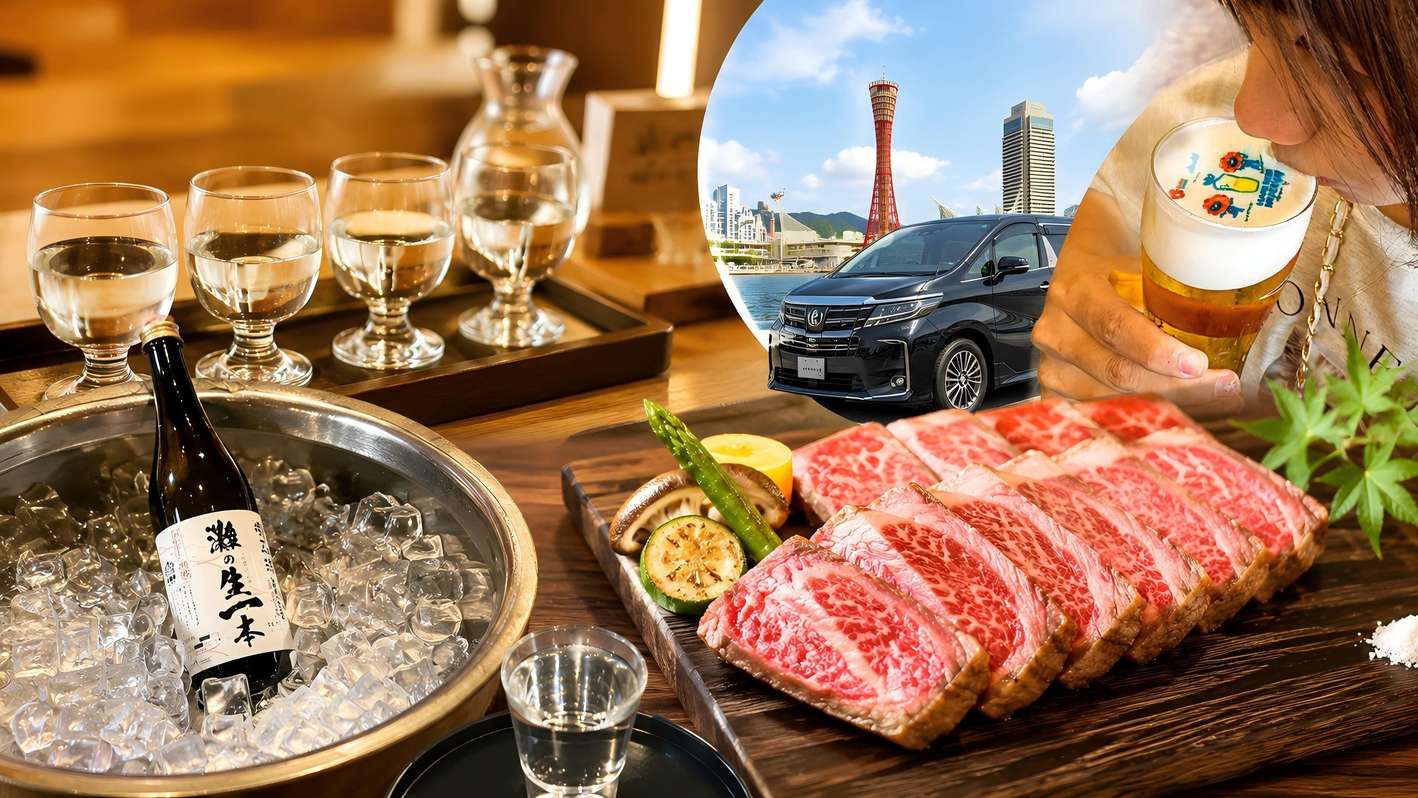 10 hoursOsaka: Kobe Scenic & Sake Brewery Tour with Kobe BeefFrom $594 /group
What a full steakhouse course serves, from the appetizer to the garlic rice
A proper dinner course runs from an aperitif and hors d'oeuvre through soup, salad and grilled vegetables to the steak, then garlic rice, dessert and coffee. The chef cooks each slice individually, serving three or four pieces at a time so every bite reaches you within about half a minute of leaving the griddle.
The dress code matters here: smart casual, no shorts, tank tops or sandals, and no perfume, because artificial scents clash with the beef at close quarters.
Book a counter seat by name when you reserve, since some restaurants seat table guests away from the teppan. Arrive on time; a table held more than 15 minutes late can go to another guest.
4 hours · ★ 5.0 (5)Kobe: Premium Kobe Beef & Sake Tasting Culinary ExperienceFrom $206 5.5 hoursKobe: Certified Kobe Beef Lunch and Nada Sake Brewery TourFrom $149 4 hoursKobe Beef Dining Local Food Tour with Licensed GuideFrom $206 10 hoursOsaka: Kobe Scenic & Sake Brewery Tour with Kobe BeefFrom $594 /group The griddle-side seat at a Kobe teppanyaki counter is the meal you came for, and it is the one that books out first. What you sit on, the cut you order, the hour you book and the checks that keep the meat honest all decide how the meal goes.
Counter seats and tables are separate reservations at some restaurants, so name the seat you want when you book.
Japanese teppanyaki is quiet precision, not onion volcanoes; the chef cooks each slice individually and serves it within about 30 seconds of leaving the griddle.
Order 100 to 150 grams of beef for a dedicated steak meal and season it with coarse salt and wasabi; sweet sauces dull the flavor.
Lunch gives the same certified beef as dinner in a shorter course with bundled sides; dinner counters fill a month or more ahead.
Check the bronze statuette at the door and the 10-digit ID on the menu, and arrive on time: some counters charge the full meal cost for a same-day cancellation.
Plan to arrive 10 minutes early, save the restaurant's contact details, and if your plans change, cancel at least three days ahead so you can still get a refund.
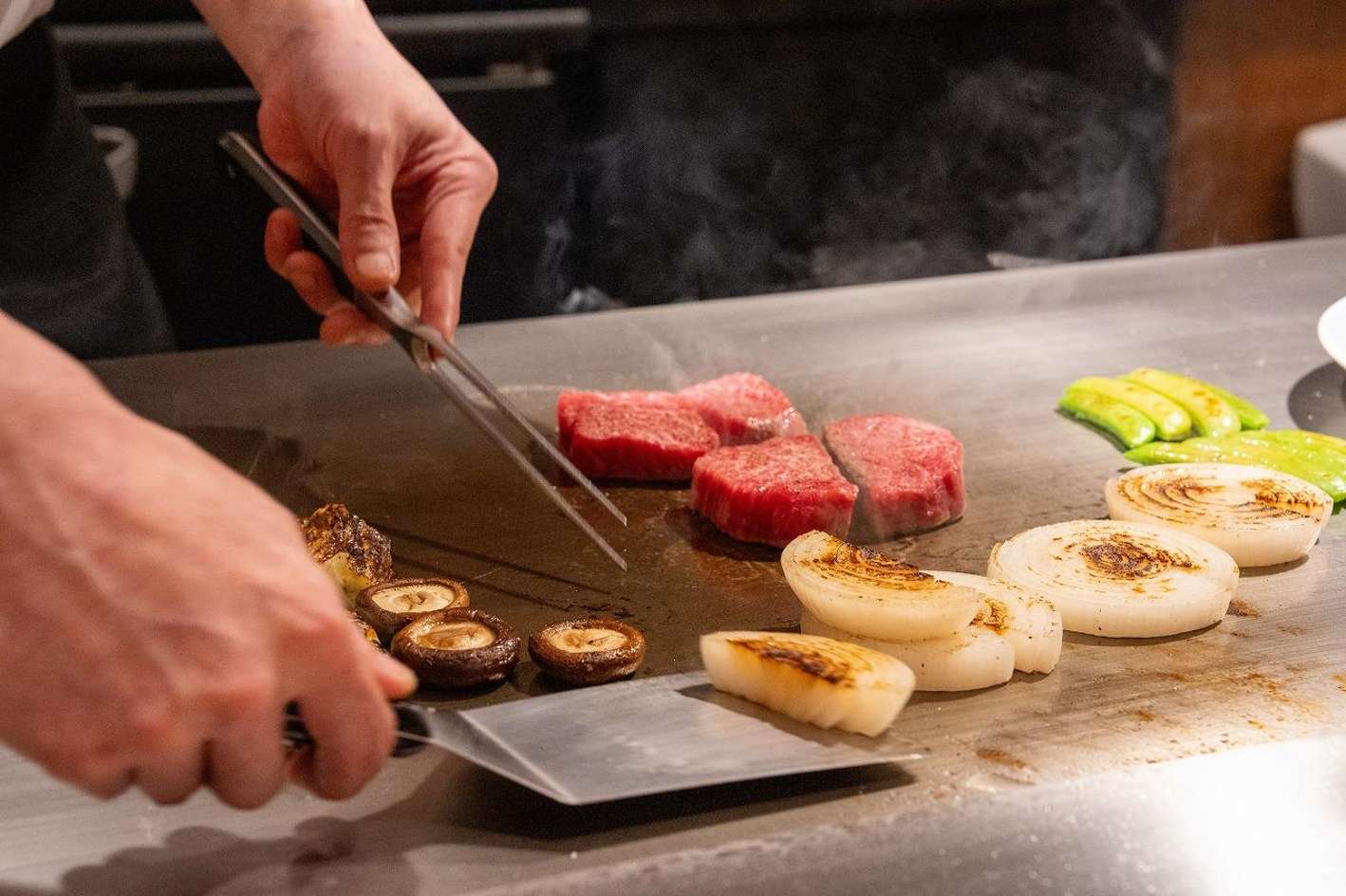
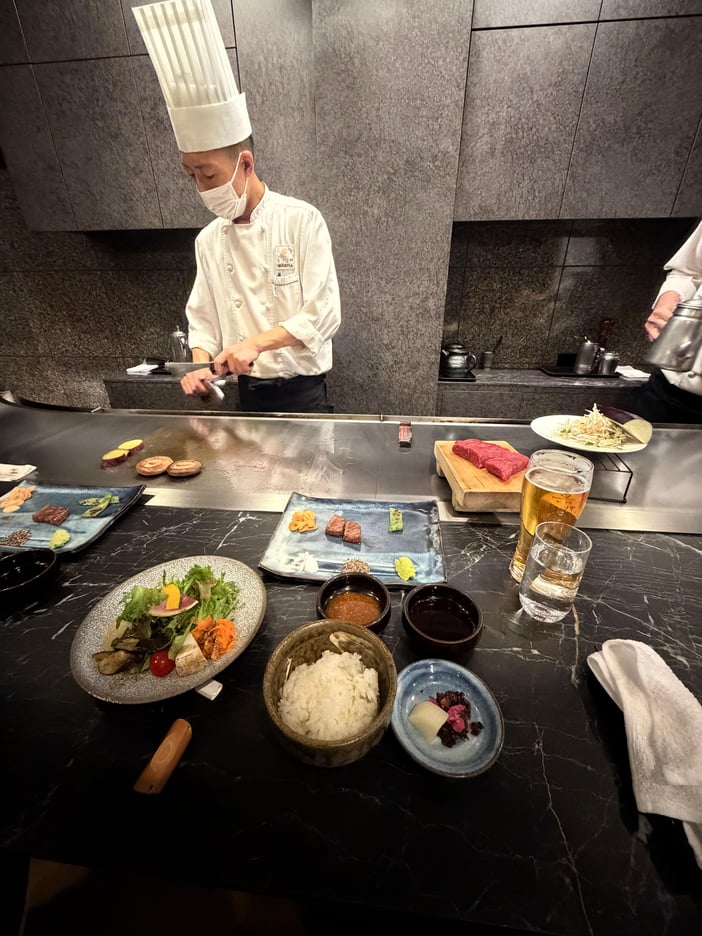
The scene at a Kobe teppanyaki counter is quieter than the photos suggest. A chef works a polished iron griddle, seasons each slice of beef with coarse salt, and serves it while it is still hot. No flaming onion volcanoes, no juggled knives.
The showmanship was invented abroad, in American steakhouses; the Kobe version was born in 1945, when Shigeji Fujioka began cooking Tajima beef on an iron plate from a local dockyard, a craft the historic restaurant Misono first put in front of customers.
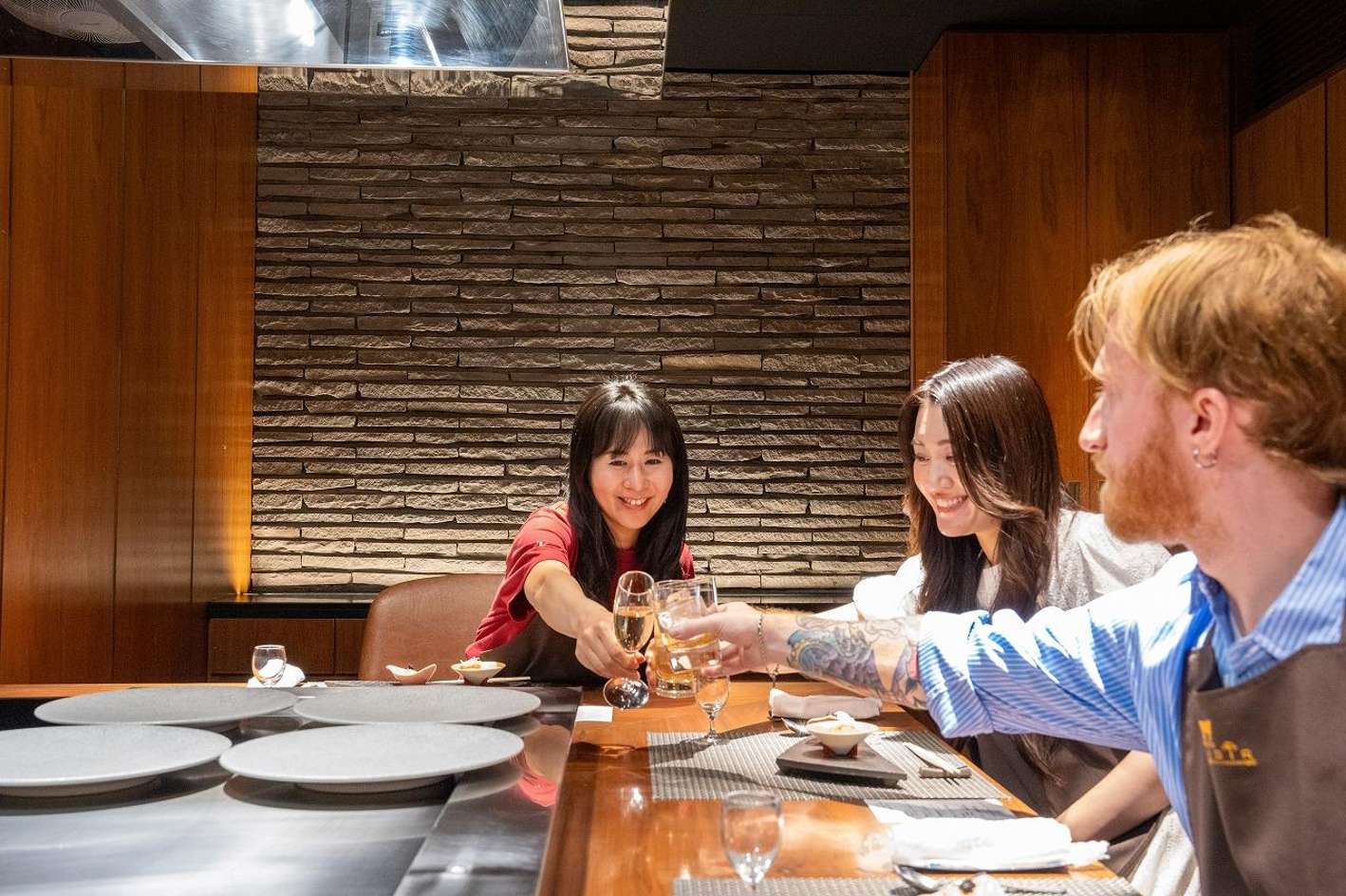
What you watch is technique: knife precision, heat control, timing. Where you sit decides how much of it you see. At the counter you can talk with the chef as each course lands; a table seat gives you the same food, served by staff, with the griddle out of reach.
Japanese teppanyaki is quiet precision on a clean griddle, and the focus stays on how well the meat is cooked
Teppanyaki grills it as a steak with minimal sauce, so the marbling and sweetness come through
The counter seat is worth fighting for before any booking is made. Ask for it by name when you reserve.
Restaurants in Kobe handle seating differently, and the differences decide your day. At Kobe Plaisir, reservations are booked by seat type, and table seating is explicitly not a teppan counter seat. At Kobe Gyuu Teppanyaki Daichi WEST, every seat is at the counter.
At Miyasu in Motomachi, solo diners and couples sit at the counter, while groups of four or more are advised to request a private room. At Daiei, counter seats go two to three weeks ahead, and every reservation is by phone, with overseas bookings not accepted.
That last one is a trap for visitors booking alone. Third-party booking platforms often restrict online reservations to groups of two or more, so a solo traveler should look at counter-style teppanyaki restaurants, which are the ones that take single seats.
Counter-style teppanyaki restaurants are the ones that take single seats, so start there if you travel alone
Request the room when you book, or you may be split across tables
Upscale counters commonly bar shorts, sandals, T-shirts and athletic wear, and strong perfume interferes with the beef at close quarters
The dress code is real: smart casual, closed shoes, no perfume or scented hair products.

Garlic goes on first. The chef sears thin slices to season the griddle and cleanse the palate, then the seasonal vegetables, then the beef.
The course you are watching for is managed in zones: a hot center for searing, a medium mid-ring for finishing, a cooler edge for holding cooked meat. The chef judges the temperature with a palm held about three centimeters above the griddle.
The beef arrives in waves. Three or four pieces at a time, cut into bite-sized pieces, and the next batch comes only when the first is nearly finished. Each portion should reach you within about 30 seconds of leaving the teppan, which is why the chef, not you, sets the pace.
Garlic slices go on early to season the surface
They balance the richness ahead of the beef
Each bite arrives at peak temperature, within half a minute of the griddle
Nothing of the meat's flavor is wasted
Coffee or tea follows
Ask for medium-rare. The fat in high-grade wagyu needs enough heat to soften and render, and rare leaves it unrendered and chewy.
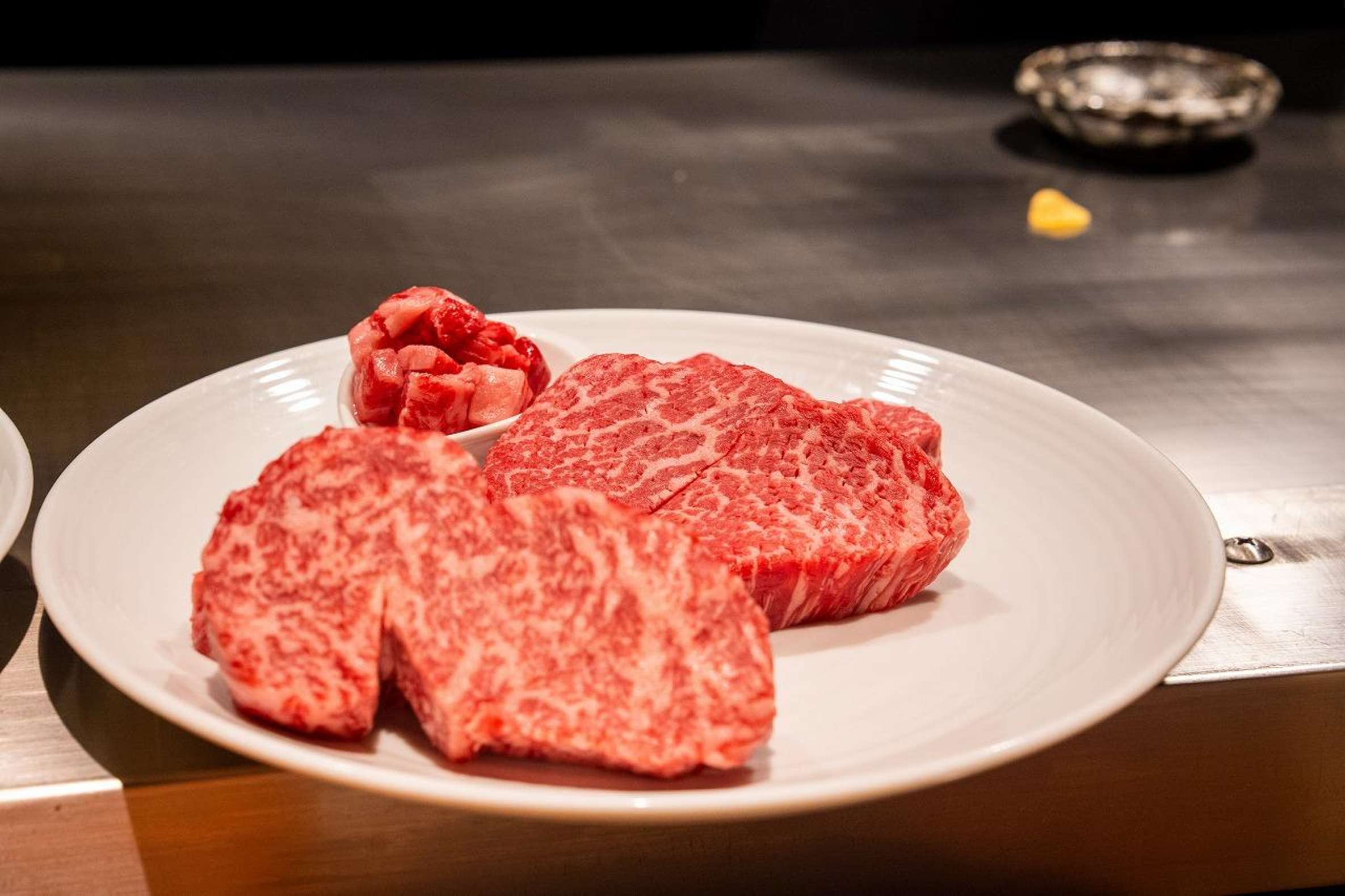
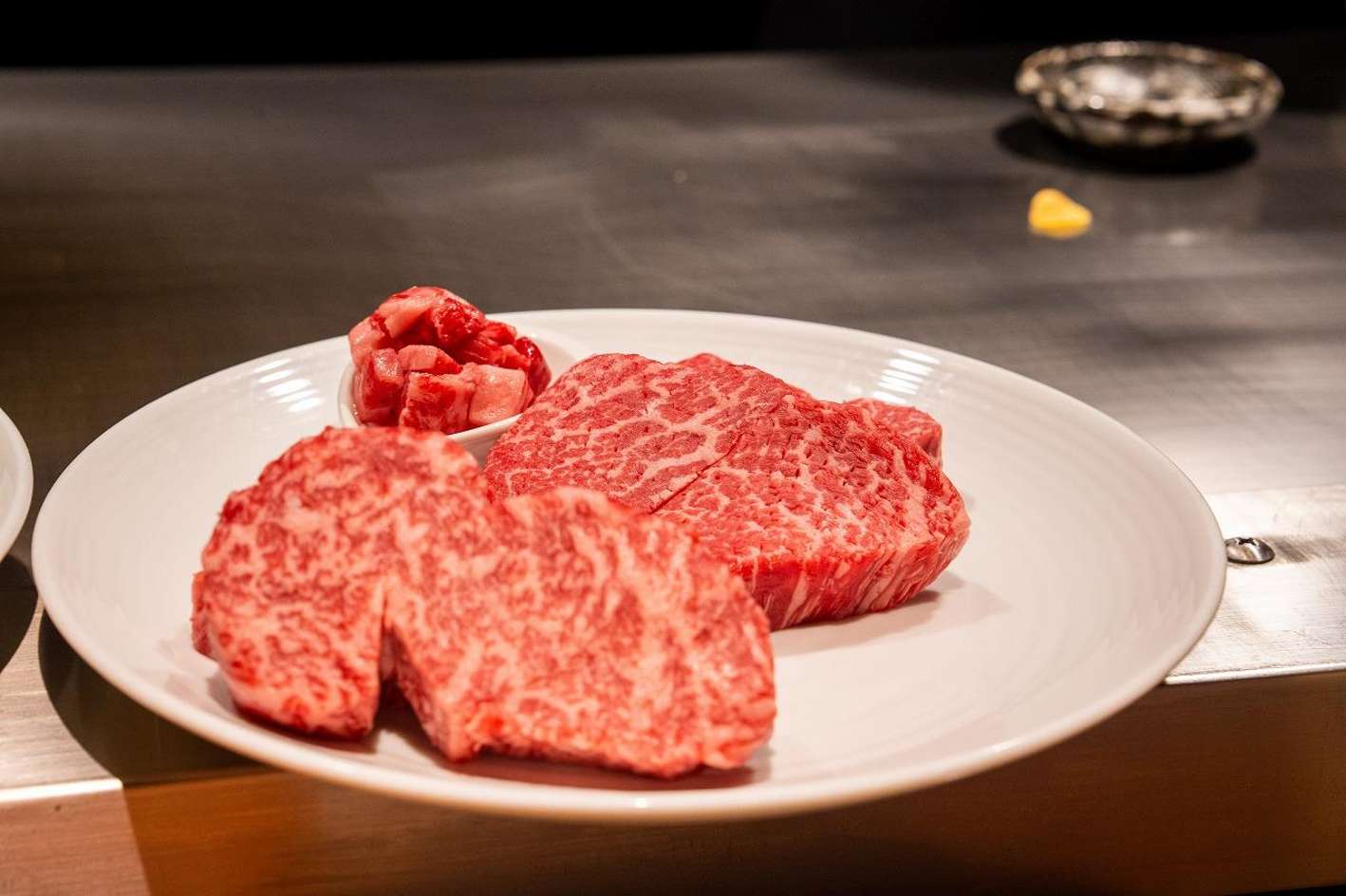
The menu usually offers two cuts, tenderloin and sirloin, and the choice is a trade of texture against flavor. Tenderloin is the softest, sirloin carries more beef flavor alongside the fat.
Regulars who go often say that when you enjoy high-grade wagyu, a cut that is not the extreme fattiest gives a more satisfying balance between beef flavor and marbling.
The portion matters more than the cut. A dedicated steak meal of rich A5 Kobe beef runs 100 to 150 grams; a multi-course tasting menu serves 50 to 70 grams. Courses of 200 grams or more are intended for sharing, because the dense marbling fills you before the plate empties.
The seasoning does the cutting. Simple salt and wasabi cuts through the intense fat better than sweet sauces, which is why teppanyaki chefs season A5 beef with coarse salt alone and set wasabi, ponzu and garlic chips on the side.
Order the leaner cut with more grams if you want a longer meal, or the fattiest with fewer grams and let the salt do the work.
Say what you want before the cooking starts. The chef should know how you want your steak cooked and any dietary restrictions before the first slice hits the griddle, because a teppanyaki kitchen is one shared surface.
Some venues are strict about this: one Kobe teppanyaki restaurant refuses entry to guests with severe allergic symptoms, since it cooks everything in the same kitchen and cannot guarantee the removal of allergens. Another may decline allergen-free requests when symptoms are serious.
Halal is handled at some venues and not others. One steakhouse in Sannomiya serves halal-certified Kobe beef with dedicated utensils and grills, and a well-known teppanyaki steakhouse in Kobe serves a halal course with dedicated dishes, though the restaurant itself is not certified.
Some Muslim-friendly restaurants do not separate halal and non-halal preparation, so the check is whether the kitchen is dedicated.
Etiquette at the griddle is simple: wait for the chef to serve, thank them for each dish, keep long conversations for the moments between flames, and keep the phone away from the plate when filming.
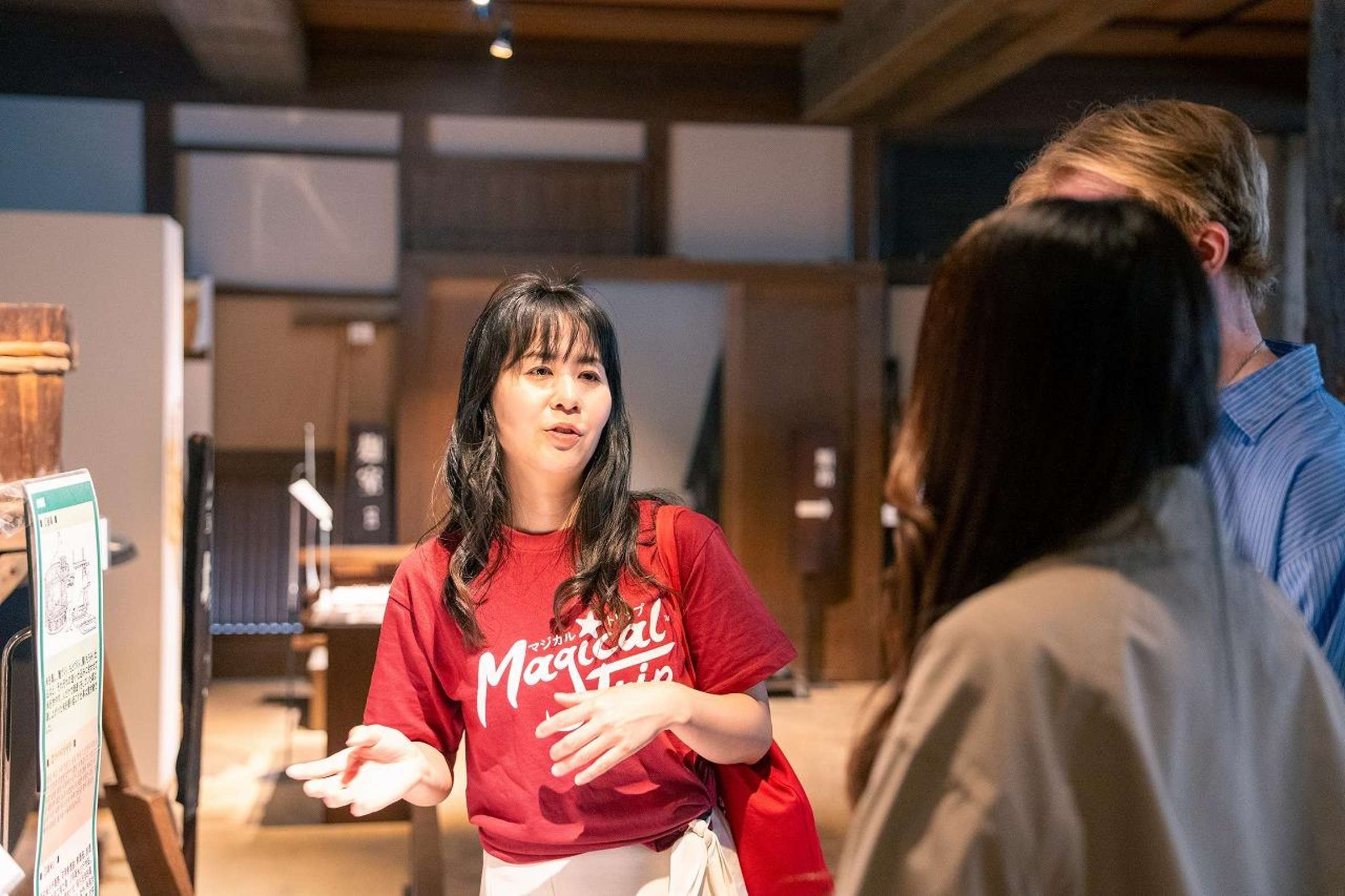
If you want the whole conversation handled for you, the Kobe Beef Dining Local Food Tour with Licensed Guide puts a government-licensed English-speaking local guide beside you for four hours, walking the Kitano district of historic Western-style mansions before settling at a teppanyaki counter, and the experience is fully private and customizable.
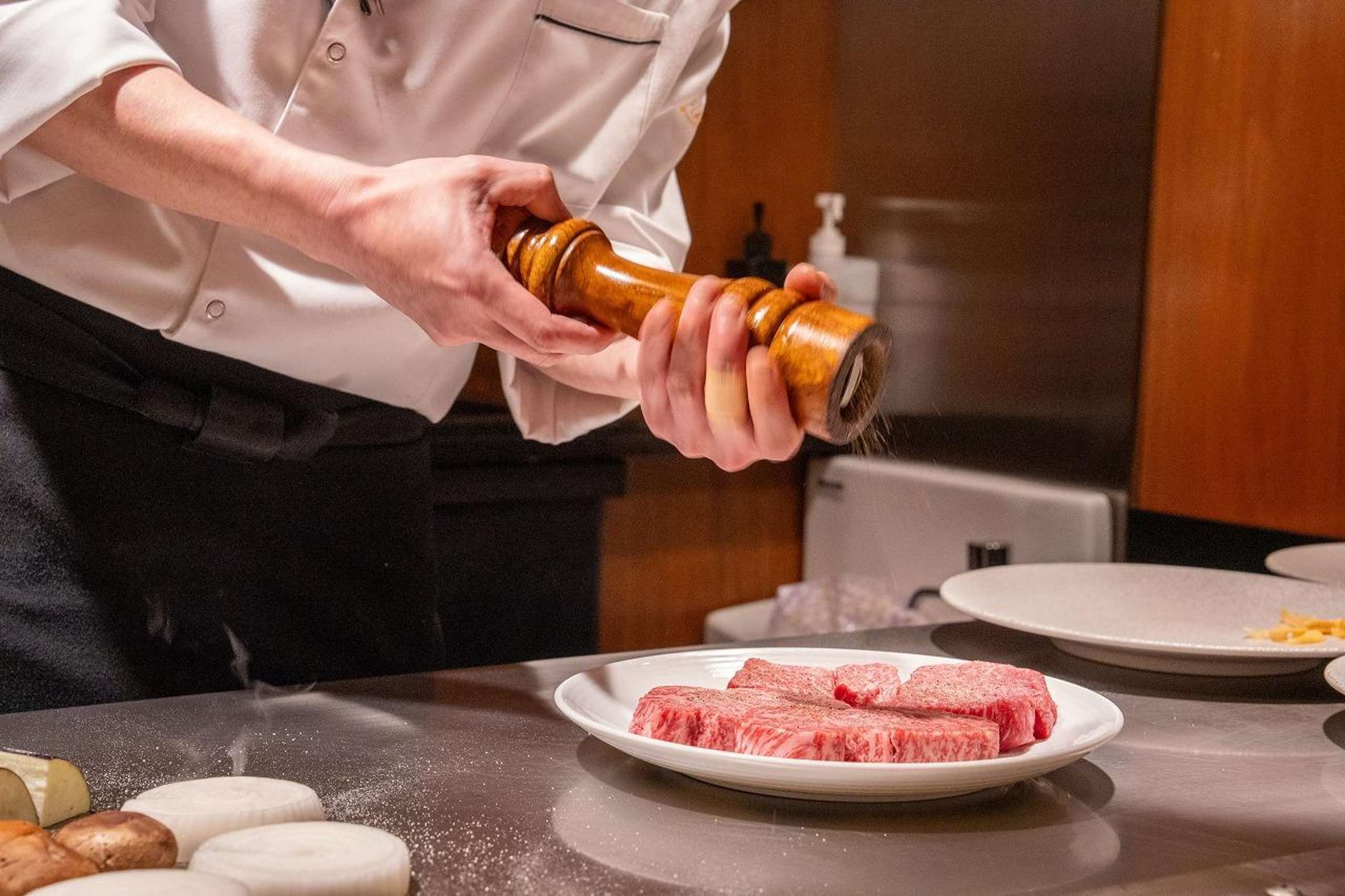
The certified beef is the same at noon as at night. Lunch sets in Kobe run shorter courses in a less formal room, with the same or a very similar cut and grade as the dinner menu, and they bundle soup, salad, rice and drinks into the base meal.
Dinner asks for higher-tier multi-course options to reach equivalent sides and adds an evening service charge during dinner hours from 5 pm to 9:30 pm.
Lunch is also the easier seat. Dinner counters book out one to three weeks ahead, and in cherry blossom and autumn foliage peaks the counters fill three to four weeks ahead, with the most established restaurants a month or more out. A weekday lunch counter usually books one to two weeks ahead.
| The same certified cuts at lunch | Dinner courses use larger portions and premium cuts | |
|---|---|---|
| Course length | Shorter courses, less formal | Full banquet progression through the evening |
| Accompaniments | Soup, salad, rice and drinks bundled into the base meal | Higher-tier multi-course options needed for equivalent sides |
| Extra charges | None | An evening service charge of 5 to 10 percent from 5 pm to 9:30 pm |
| Booking lead time | One to two weeks ahead | One to three weeks ahead, a month or more in peak season |
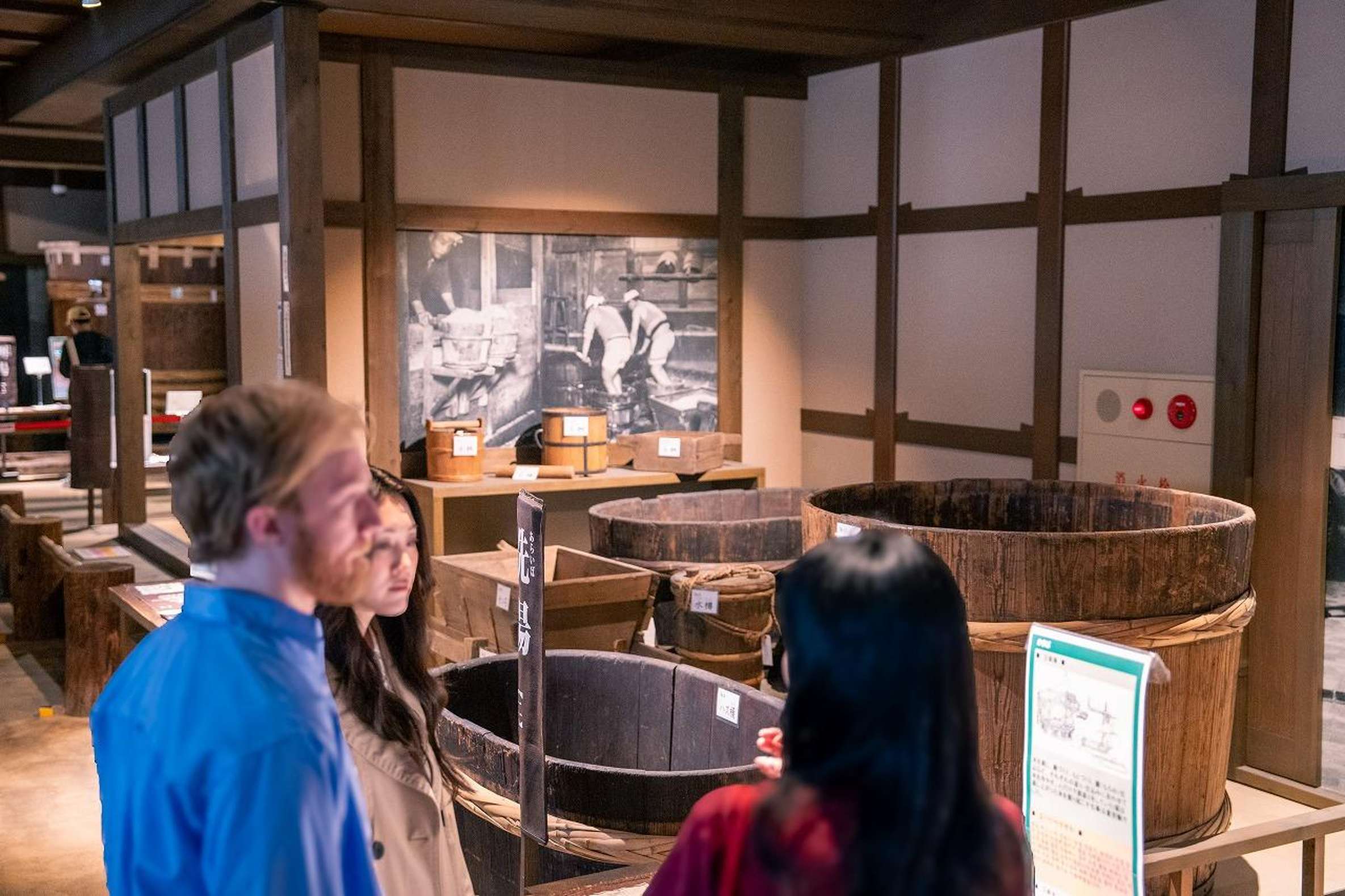
The nearest bookable version of this trade is the Kobe: Certified Kobe Beef Lunch and Nada Sake Brewery Tour, a 5.5-hour run that starts with a 120 g certified Kobe beef steak lunch, soup and salad included, at a registered restaurant, then takes the Hanshin train east to Nada's brewery museums, with tastings for guests aged 20 and over.
The full breakdown of lunch sets and menus lives on our page on the best Kobe beef lunch in Kobe.
Three checks take about three seconds at the door. First, a small bronze statuette and a registration certificate in the shop front, which prove a restaurant is authorized to handle genuine Kobe beef.
Second, the chrysanthemum stamp, the graphic trademark of Kobe beef, chosen because it is the prefectural flower of Hyogo Prefecture; certified carcasses are stamped in four places. Third, the 10-digit ID number on the menu or certificate, which traces the animal's lineage, birthplace and whether it is certified Tajima-gyu.
Real Kobe beef comes from purebred Tajima cattle born, raised and harvested in Hyogo Prefecture.
It does not have to be graded A5; it needs a yield score of A or B and a meat quality score of 4 or above, so a menu that waves A5 around as proof of Kobe is not the proof you want.
The word to watch is Kobe-style. In Japan, crossbred beef cannot legally carry the Kobe label; in some countries, including the United States, crossbred meat can legally be marketed as Kobe beef. The full certification breakdown, including the marbling score, sits on our page on whether Kobe beef is the same as wagyu.
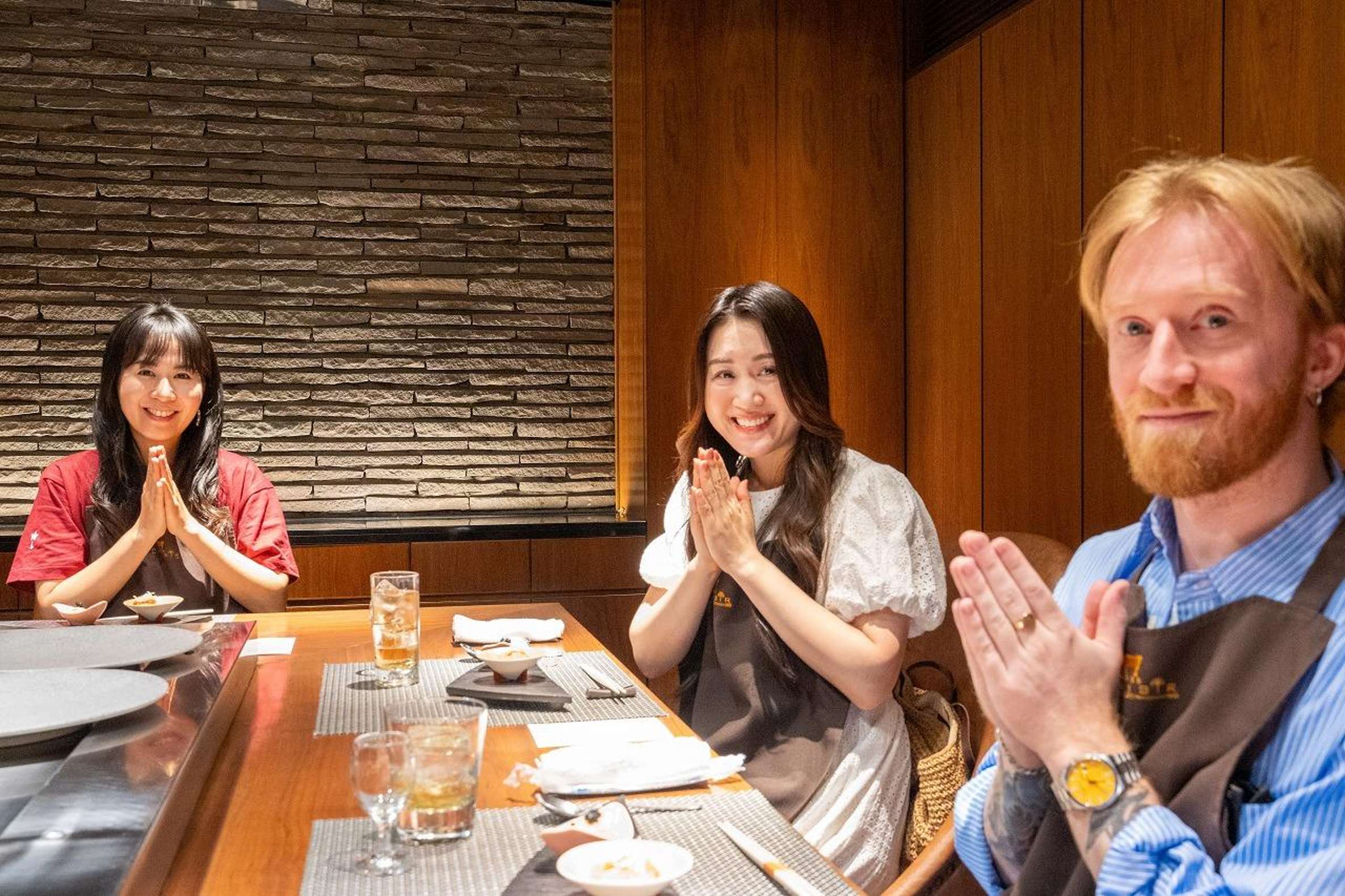
The booking rules are set restaurant by restaurant, and the safe move is the same for all of them: confirm, arrive early, cancel three days out.
The concentrated ground is around Sannomiya Station, which hosts the majority of authenticated Kobe beef teppanyaki restaurants in Kobe, with certified restaurants also around Motomachi and Kitano; Kitano has the highest concentration of established, higher-end counters.
The fees are real. At Kobe Plaisir, a no-show or same-day cancellation costs 100% of the meal, and the restaurant may automatically cancel a reservation if a guest is more than 30 minutes late.
At Grill Kissho, guests more than 15 minutes late can find other guests prioritized for their seating. At Oi Nikuten, cancellations within two days get no refund, and a guest more than 15 minutes late is canceled with no rescheduling.
Mouriya refunds cancellations made three days ahead and may cancel reservations 30 minutes late. At Kobe Teppanyaki Hachiemon, arriving by the reservation time or contacting the restaurant is what counts.
Several top counters charge 100% of the meal for a no-show or same-day cancellation Cancel three days ahead and confirm your arrival time; late guests are sometimes canceled with no rescheduling
Booking from abroad is straightforward: a hotel concierge or email covers most reservations. Never use a hotel's main phone number as a booking contact unless the hotel explicitly agrees. At a counter meal, no tip is expected; friendly conversation and thanks take its place in Japan.
The earliest window for a peak-season date
Name the counter seat when you reserve
Later cancellations lose the refund at several restaurants
Our page on the Kobe beef steak restaurant experience in Japan covers the full dinner course and its etiquette.
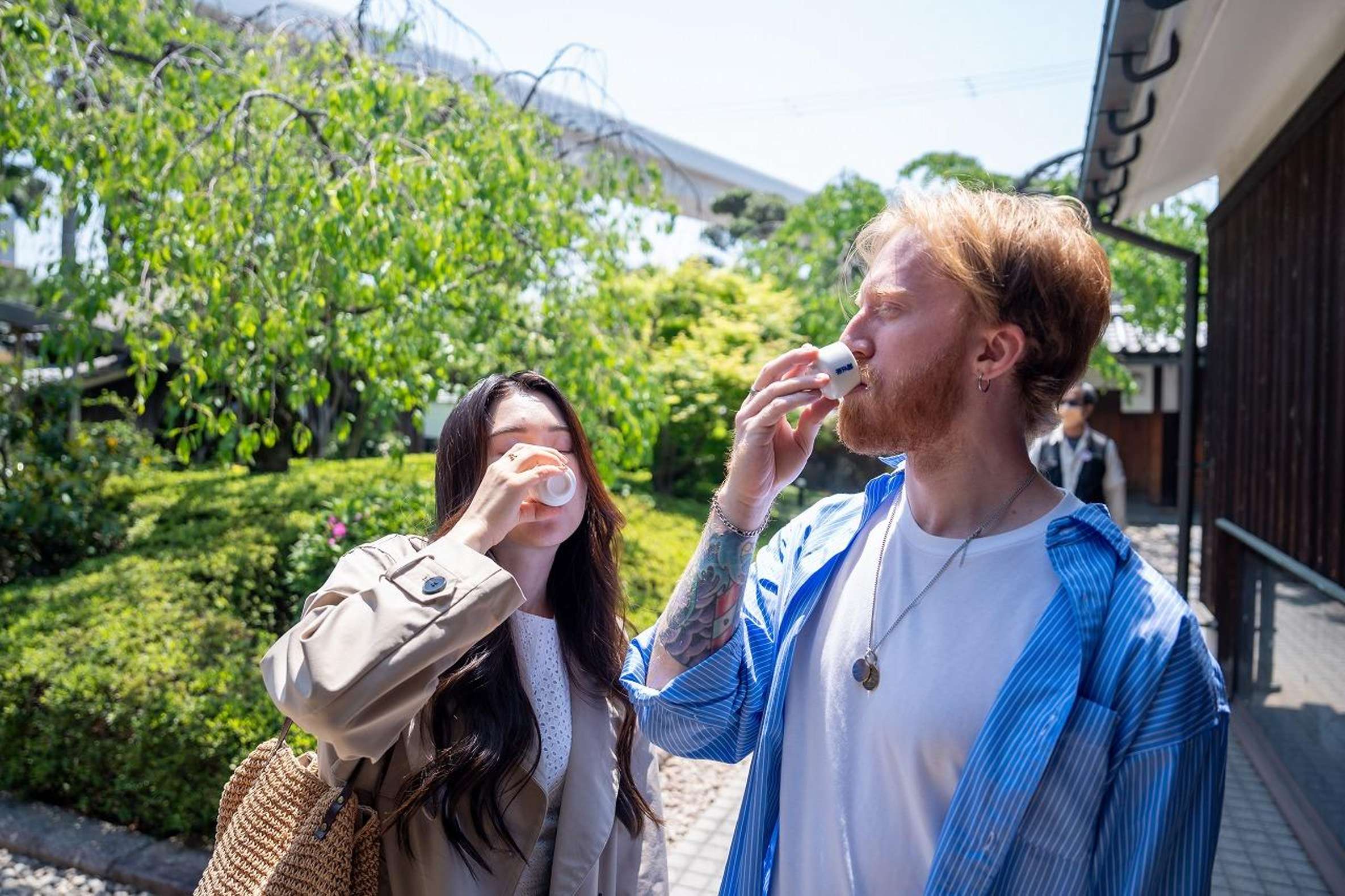
A guided Kobe beef day takes about four hours, with roughly 1.5 hours of it seated at the beef meal and the rest walking the city.
Getting there is easy: the JR Special Rapid on the Tokaido Main Line runs direct to Sannomiya Station in 21 minutes from Osaka Station and 52 minutes from Kyoto Station, no transfers.
The seats around your meal are walkable. Sannomiya puts you within a short stroll of the Kobe City Museum, Ikuta Shrine, and the harbor side of town, with Meriken Park and Kobe Port Tower an easy 15-minute walk from the start of the tours.
If you add sake, the calendar decides it. Nada brewery museums stagger their rest days between Monday and Wednesday, and the year-end and New Year week closes both breweries and steakhouses. A public holiday that falls on a regular closure day pushes the closure to the following weekday.
And the pairing has a hard rule. Japan enforces zero tolerance for anyone operating a vehicle or a bicycle while under the influence of alcohol, and bicycles count as light vehicles under the Road Traffic Act; a cyclist caught over the limit can have their driver's license suspended.
Take the train between breweries and the beef.
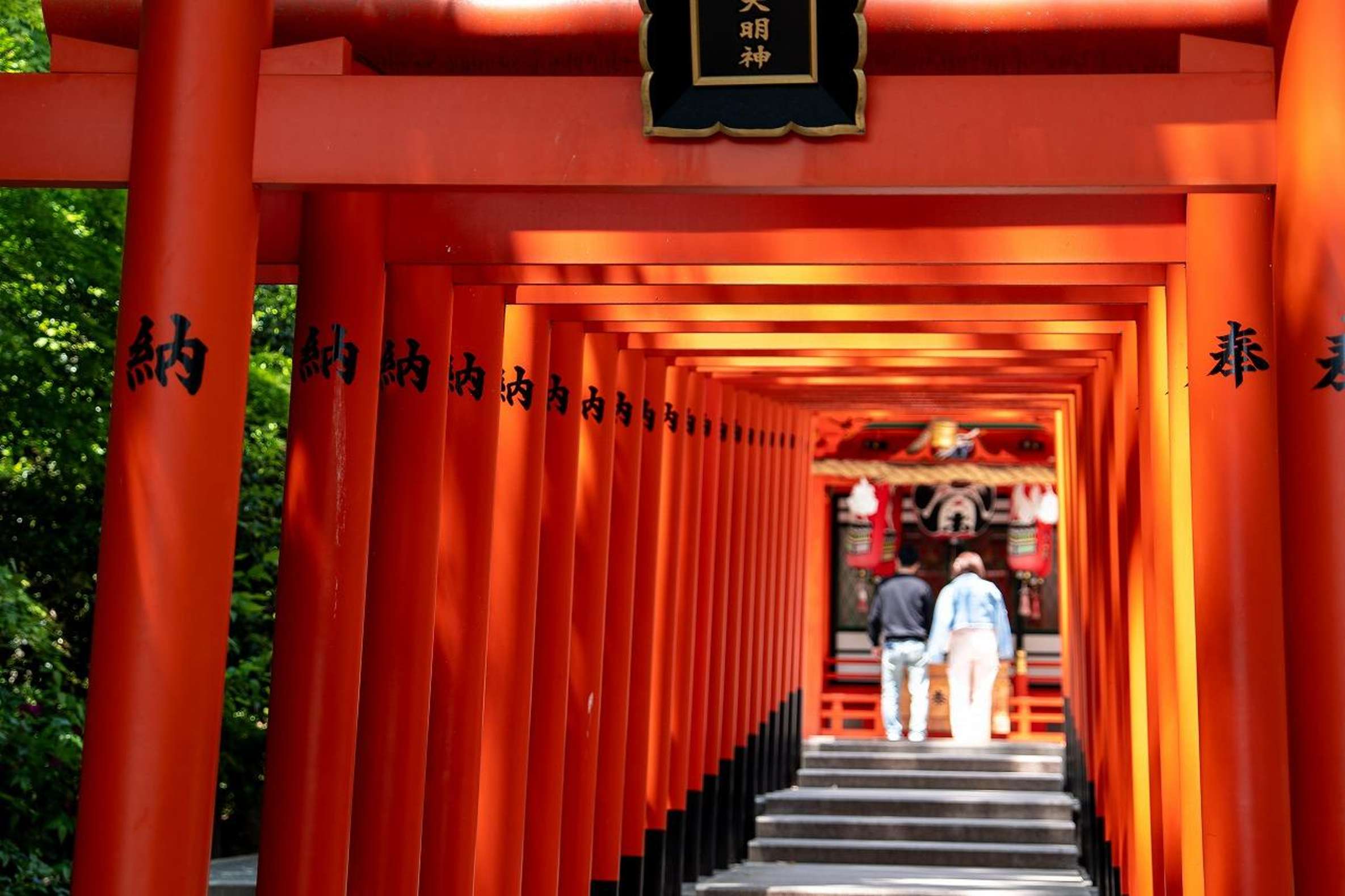
A Kobe beef teppanyaki counter is the meal you came for, and it is booked the right way. Choose a lunch counter one to two weeks out, or hold a dinner counter a month ahead in peak season.
Name the counter seat when you reserve, check the bronze statuette and the 10-digit ID, and arrive on time. The rest of the day takes care of itself.
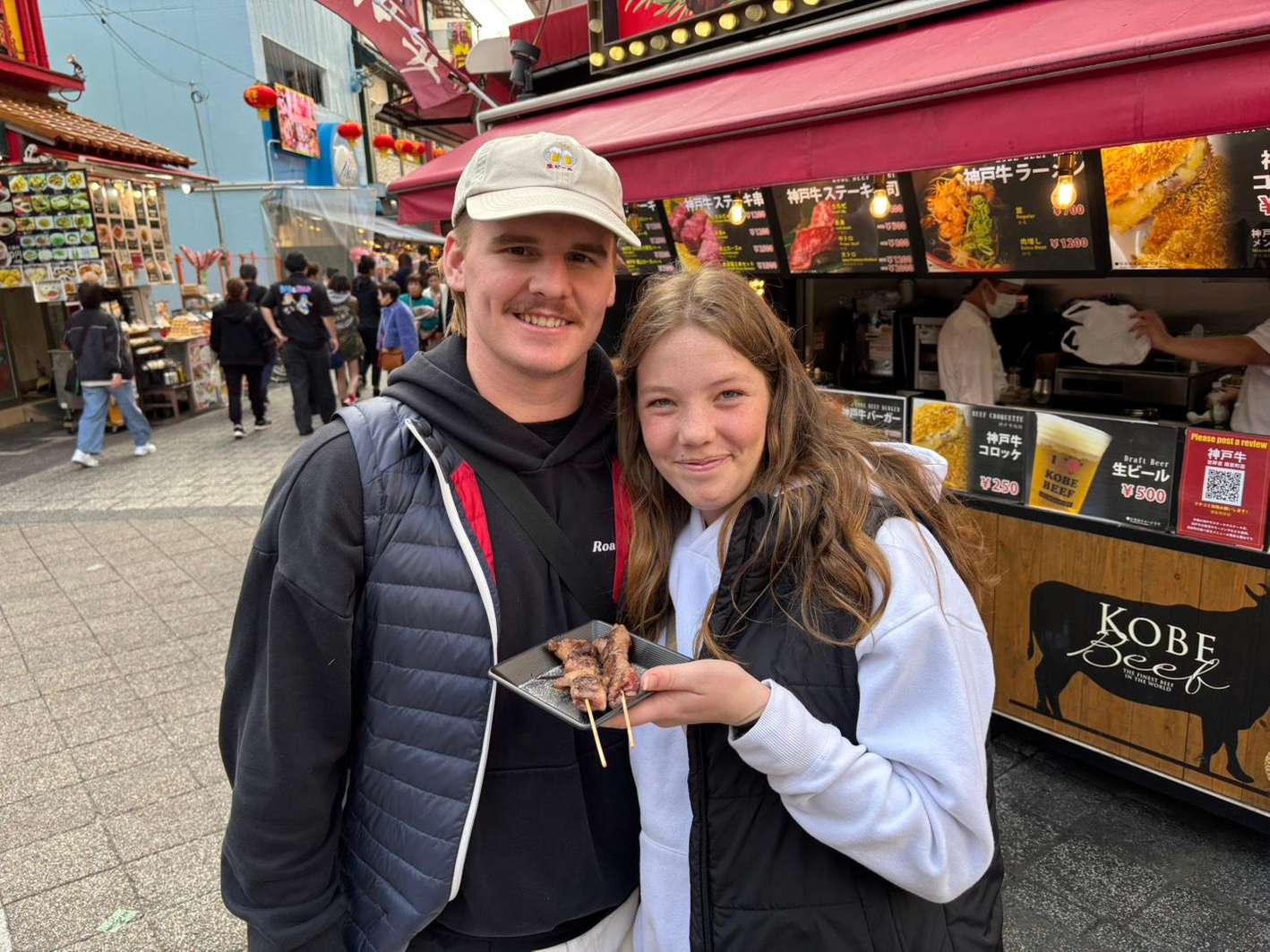
Prefer a relaxed walk over a formal counter meal? A tasting tour takes you through market bites and street stalls where Kobe beef is one of many dishes.
A Kobe beef and sake tour pairs your wagyu lunch with visits to the Nada brewery district, so you can taste both in one day without planning it yourself.
The questions diners ask most before booking a counter seat in Kobe.
 Kobe2026
It is beef sliced and seared directly on a hot iron griddle with minimal sauces. A chef cooks the steak in front of you, and you eat each piece as it leaves the griddle.
No. In Kobe the performance is quiet and precise: knife work, heat control, and timing. Chefs season A5 beef with coarse salt alone, cook each slice separately, and add no sauce during cooking.
Look for the small bronze statuette and registration certificate at the shop front, which prove the restaurant is authorized. Certified beef also carries a chrysanthemum stamp and a 10-digit ID number tracing the animal's lineage.
Some restaurants separate counter seats from table seating when booking, and tables are not teppanyaki counter seats. Counter seats book fastest, so reserve two to three weeks ahead, or join a tour that includes a reserved counter seat.
Most courses run from appetizer, soup, and salad through grilled vegetables to the beef, then rice, dessert, and coffee or tea. Expect 100 to 150 grams of meat per person, usually tenderloin or sirloin.
The chef fries it on the griddle using the rendered fat and drippings left from cooking the beef. It captures the savory flavors of the meat so none of the fat goes to waste.
Medium-rare. The fat needs enough heat to soften and render, so rare cuts stay chewy and unrendered. Tell the chef your preference before cooking starts.
Policies vary by venue, and some are strict. At one counter, guests more than 30 minutes late may find their reservation canceled, and at another a no-show or same-day cancellation costs the full meal price. Arrive on time or call ahead.
Family-oriented venues accept children with no dress code, but many upscale counters seat only ages 6 or 7 and up who order an adult course. Smart casual is the norm, so skip shorts, sandals, and T-shirts, and skip the perfume too.
No. Tipping is not customary in Japan and is not required at high-end restaurants. A friendly word of thanks to the chef takes its place.
Some booking platforms restrict online reservations to groups of two or more, so look for counter-style teppanyaki restaurants that seat single diners. In Motomachi, solo diners and couples are seated at the counter.
Some restaurants take phone reservations only and do not accept overseas bookings. You can ask your hotel concierge to book for you, or reserve a guided experience that includes a confirmed counter seat.
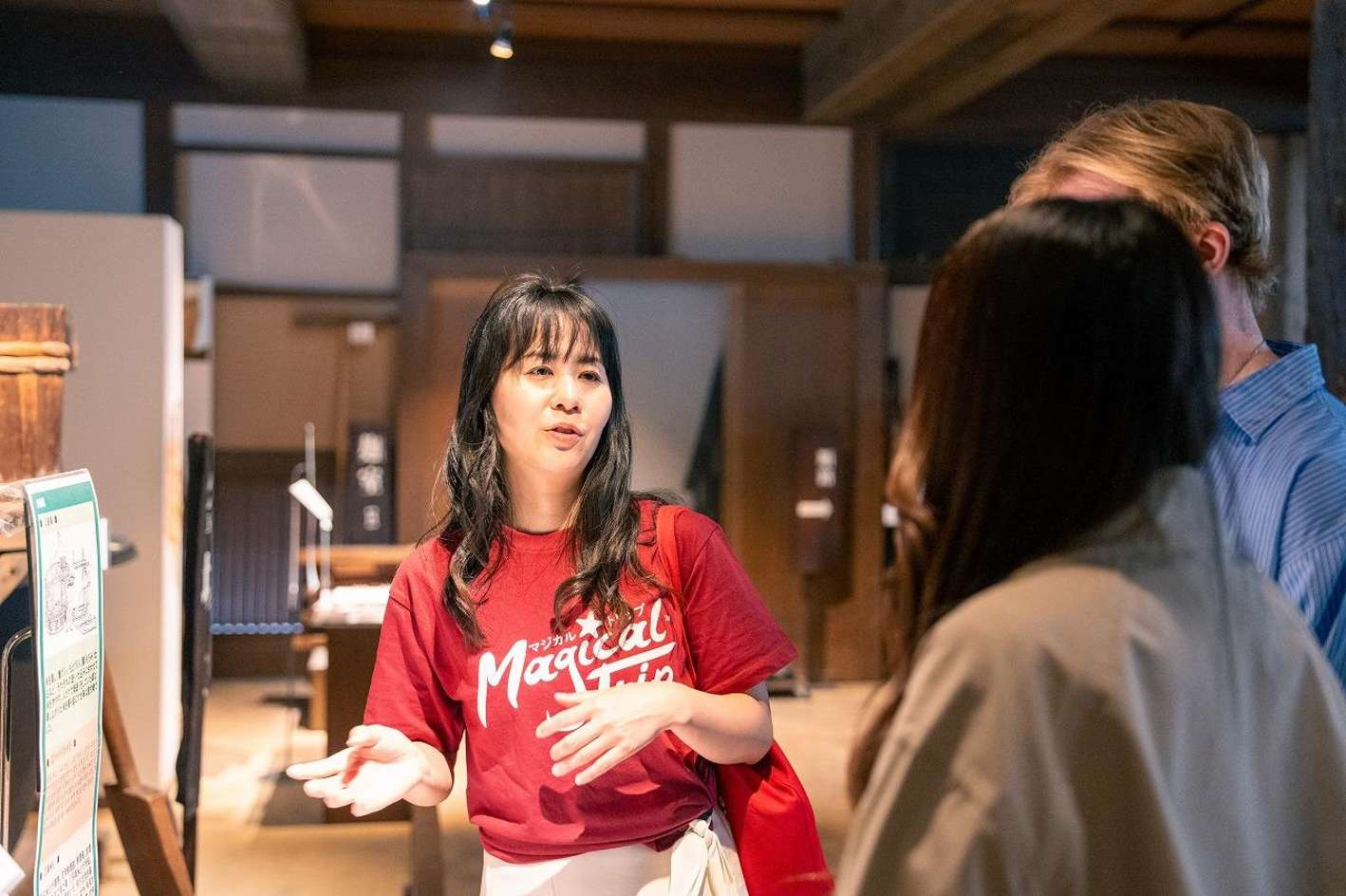
Watch a chef grill your Kobe beef course at a reserved counter seat, then taste Nada sake after. Free cancellation up to 24 hours ahead keeps the plan easy.