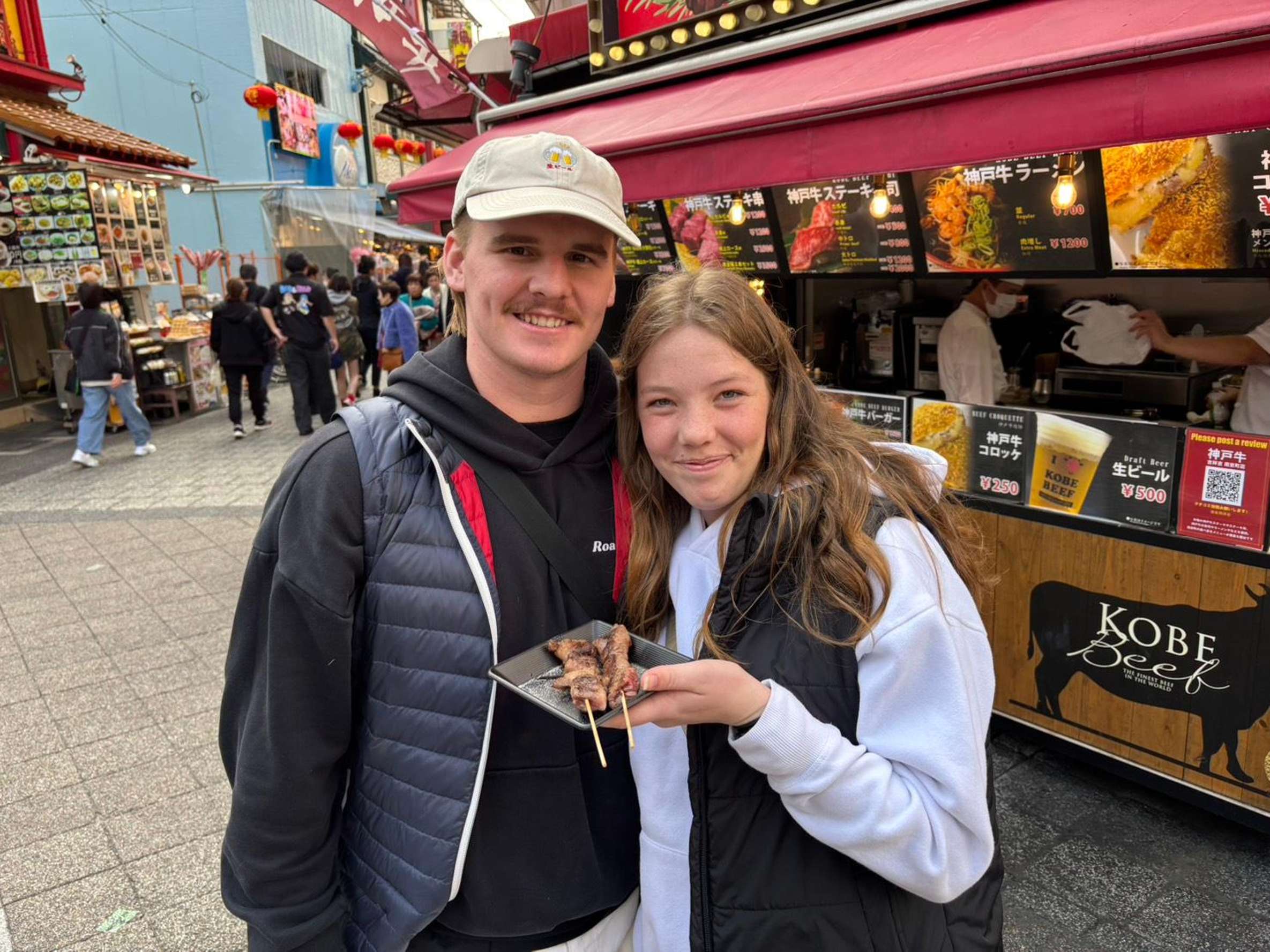
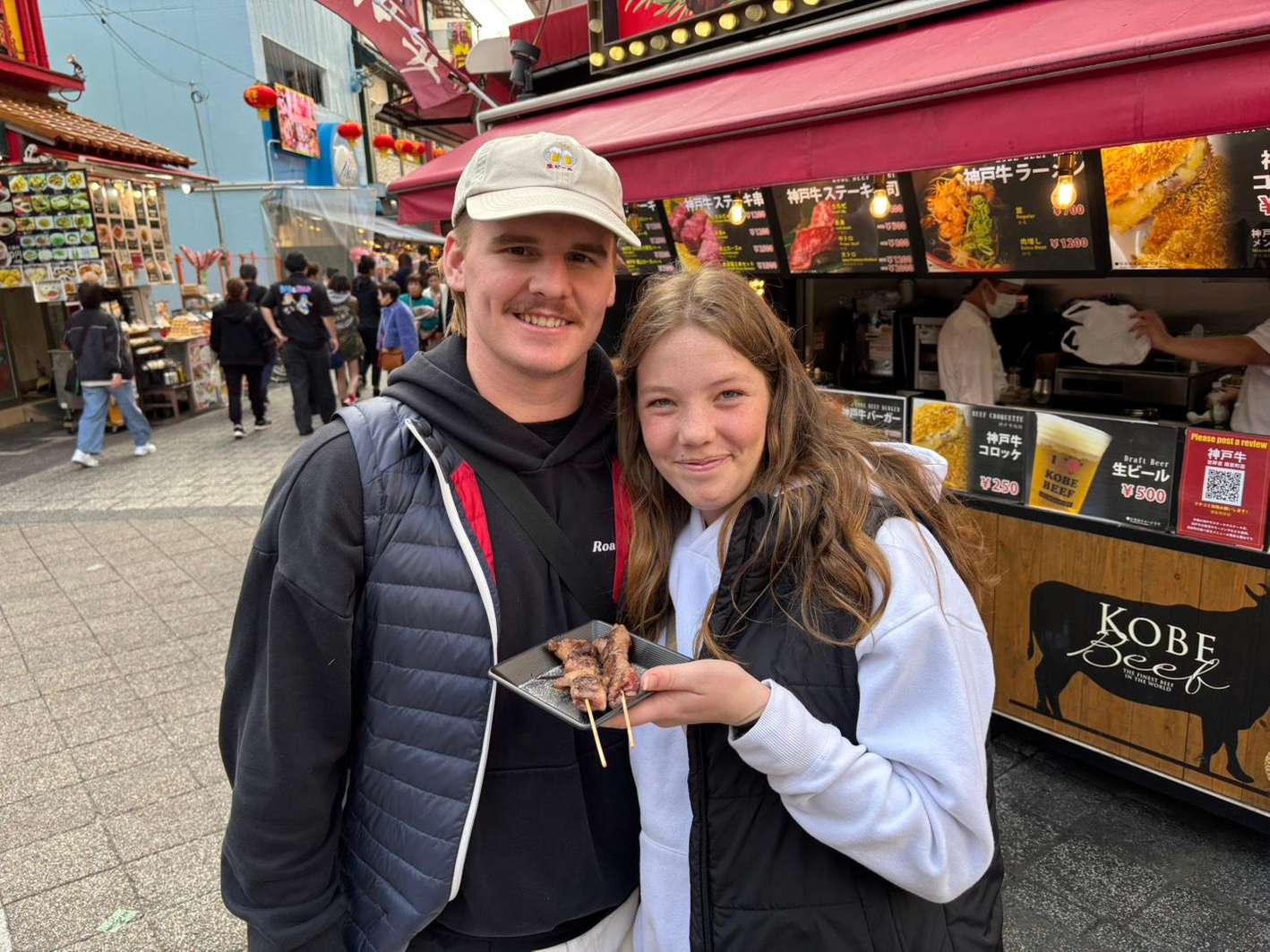
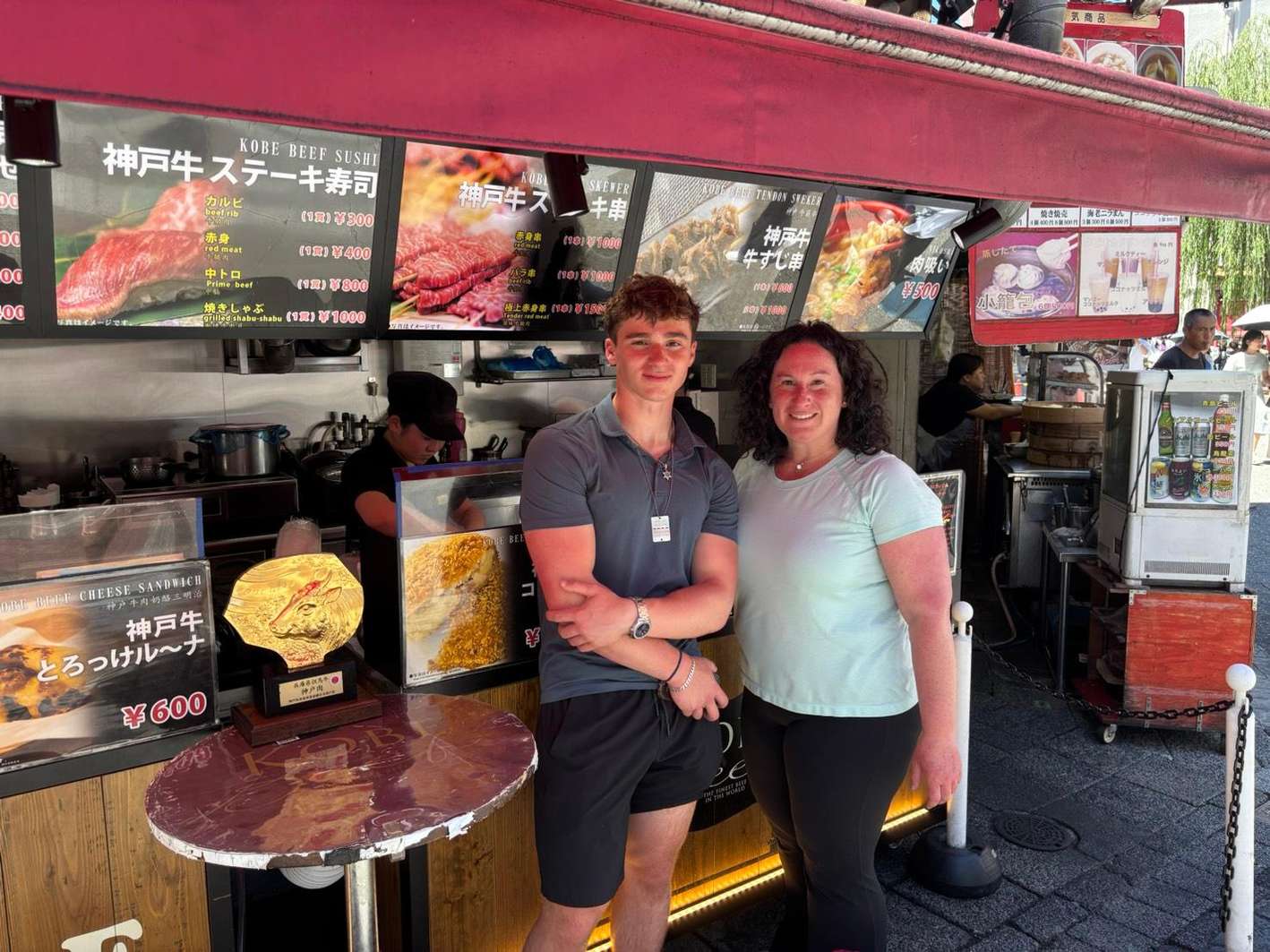
5.06 travelers ate the Kobe beef skewer in Chinatown
Kobe Beef Tasting Tour Street Bites and Market Walks
Taste real Kobe beef without booking a steakhouse. Join a Kobe Beef Tasting Tour that walks you through local markets and Chinatown, where a local guide orders for you and lands the authentic Kobe beef skewer on your plate among 10+ dishes.
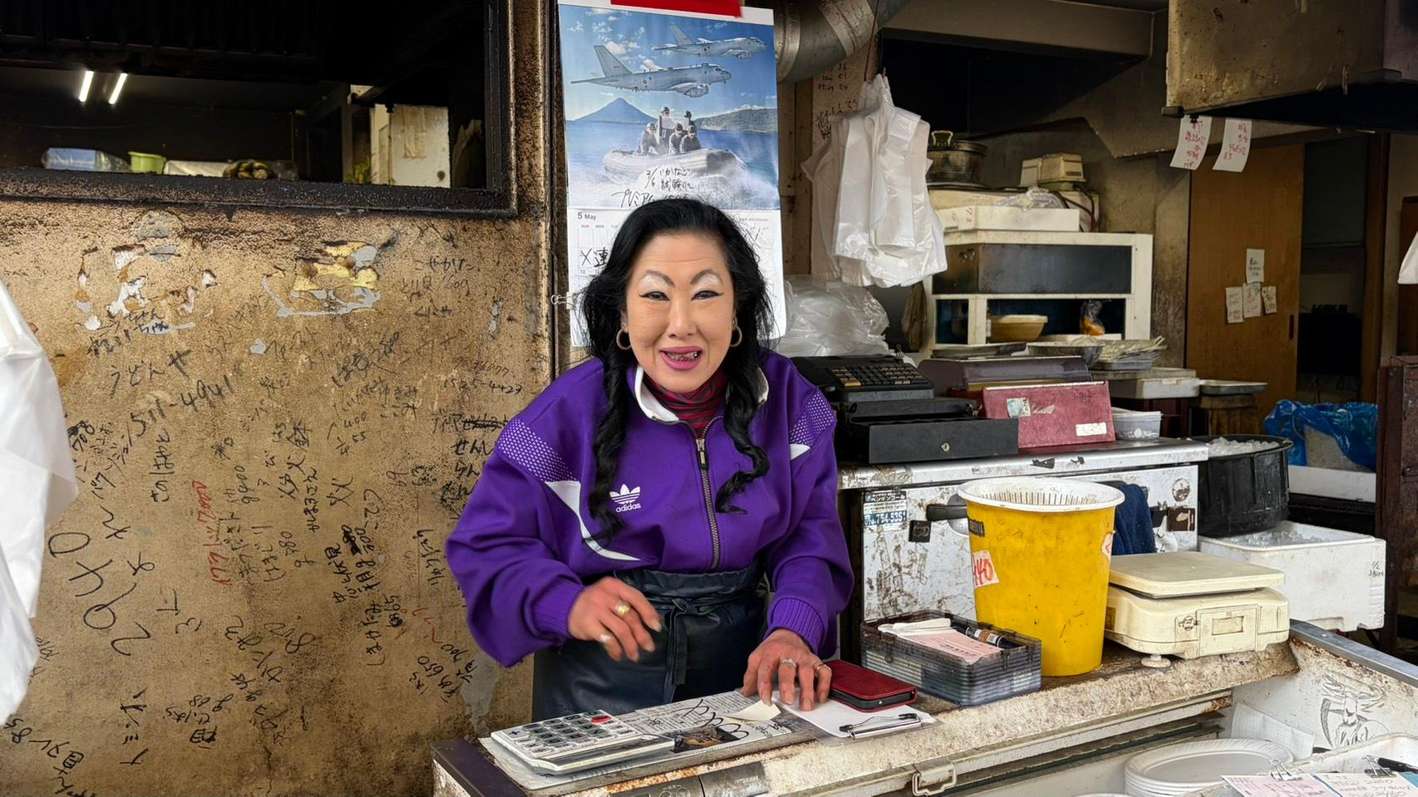
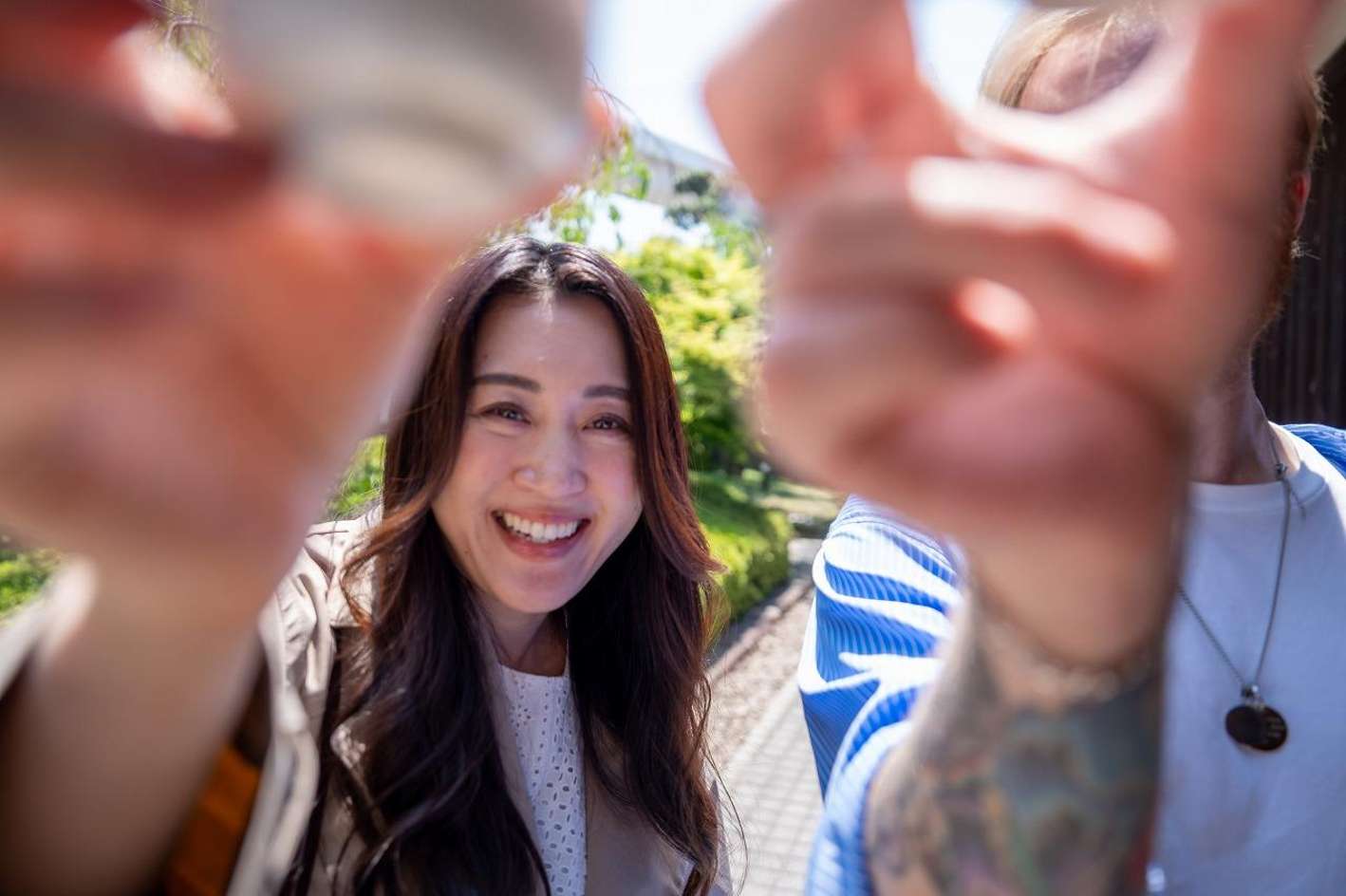
"Kodai showed us the traditional side of Japanese cuisine, what locals actually eat. Only local spots, didn't see a single tourist. Kobe felt warmer than Tokyo, where people can be colder."
Kobe beef comes three ways here: on a guided market walk with a dozen small bites, on a private food stroll through the neighborhoods locals actually eat in, or at a set table with a reservation a guide makes for you. The deciding difference is simple. Walk and graze, or sit and settle in.
DietNo walking food tour here can serve vegan or vegetarian diets, and the certified beef lunch cannot switch to a vegetarian meal. Travelers with vegetarians can pick a yakiniku venue with plant-based set options instead.
CashBring it. Many small stalls in Nankinmachi and the markets take no cards or digital payments, and extra snacks outside a tour's inclusions are on you.
TimingStreet stalls in Chinatown and the covered markets open around 10 am and 11 am and sell out or pack up between 6 pm and 7 pm, so a morning or midday walk beats an evening one for variety.
ClosuresFamily-run market stalls close mostly on Wednesdays, with Sunday the next most common day off.
WeatherWalking tours run in ordinary rain by using covered arcades, but an official typhoon warning or transit suspension cancels them with a full refund or reschedule. Rain risk peaks in June and August.
FootwearWear flat, comfortable walking shoes and easy-to-remove socks for shrine and tea-room stops, where shoes come off at the door.
WalkingExpect flat, paved routes of about a kilometer between Sannomiya and Nankinmachi, short strolls in between, and no stair climbing.
PunctualityArrive ten minutes early. Guides start on time, and some operators cannot refund or reschedule if you miss the group.
importantKobe beef food walks cannot accommodate vegan or vegetarian diets, and several tours cannot substitute the beef for another dish.
Travelers who avoid meat should book a different experience or pick a venue with plant-based set options, and anyone with gluten intolerance or food allergies should say so when booking so the guide can confirm what is possible before you join the tasting walk.
Kobe Beef Tasting tours compared
Best value walk
3 hours·English
5.0(1)
Kobe Kobe Food Tour: 10+dishes with Kobe Beef
Lowest price on this page, with 10+ tastings, two drinks and a Kobe beef skewer in Chinatown packed into three hours
Free cancellationHotel pickup included2 Drinks (Non Alcohol or Alcohol )
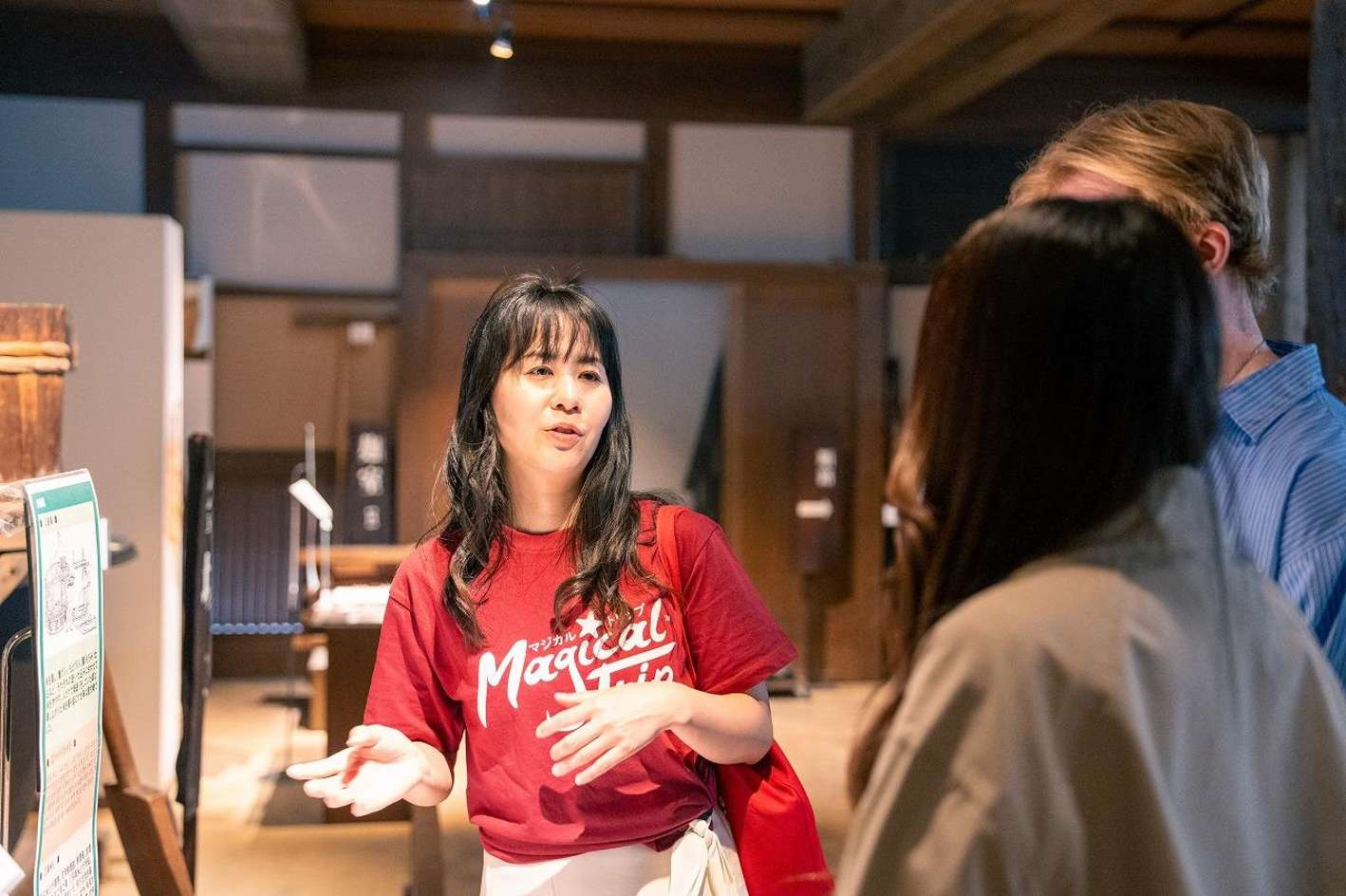
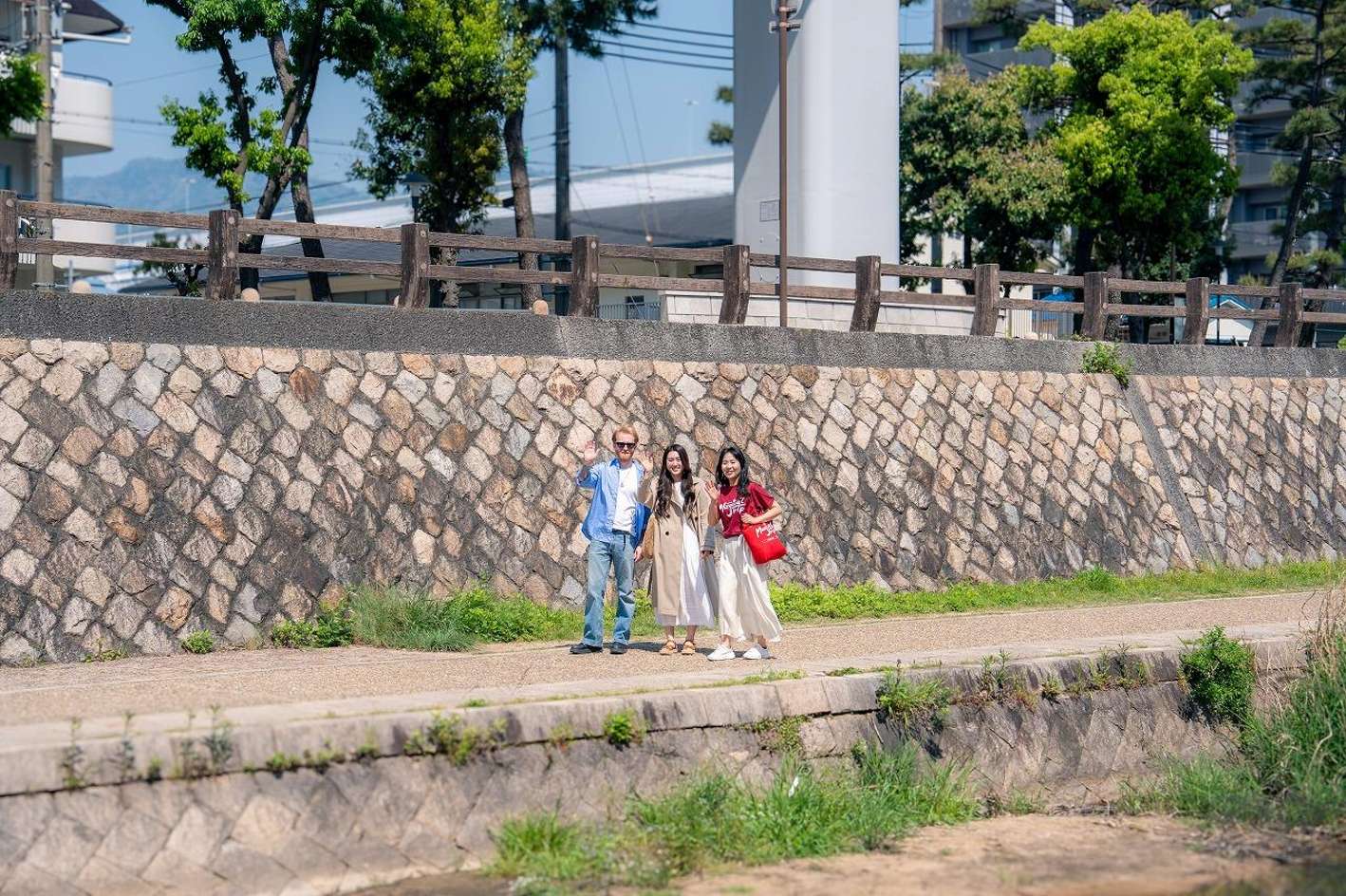
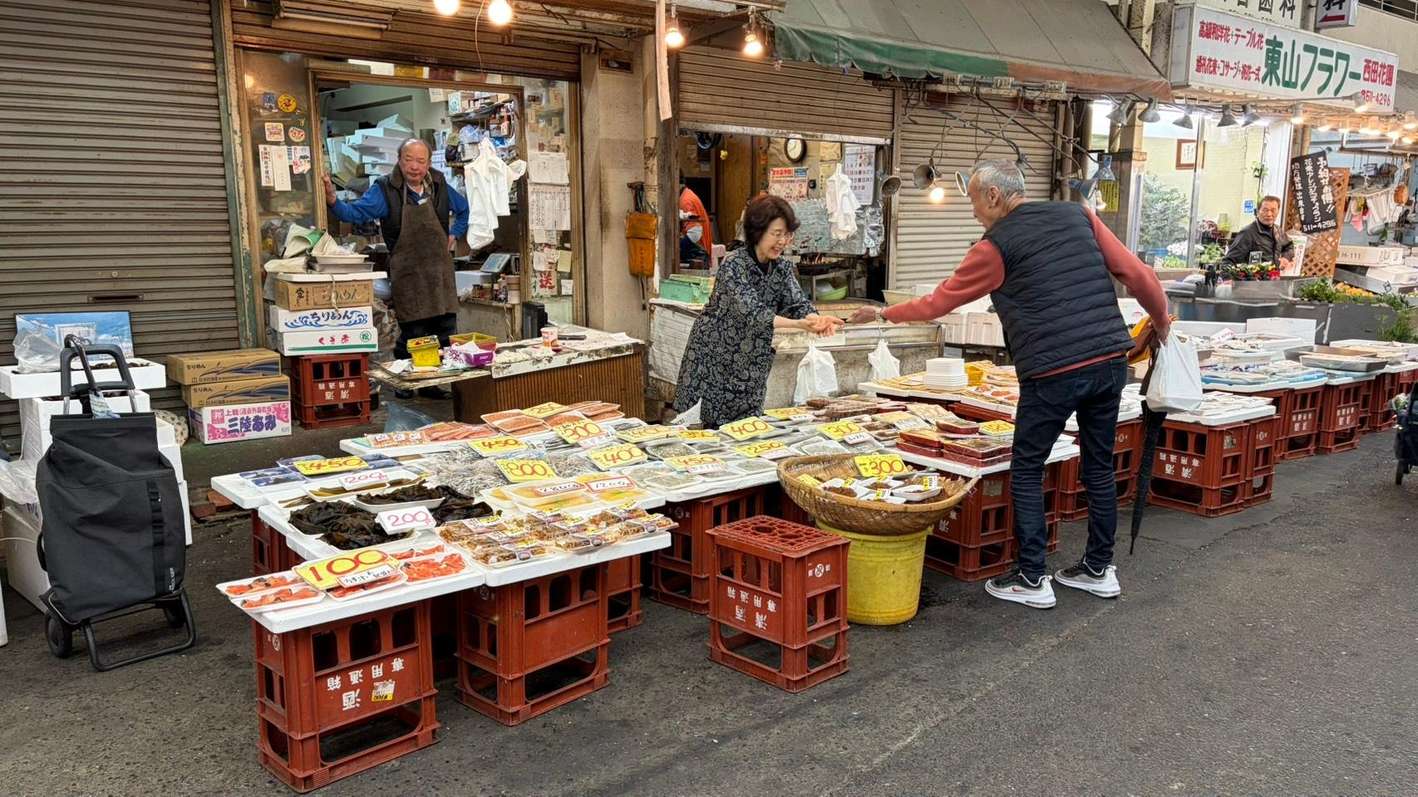
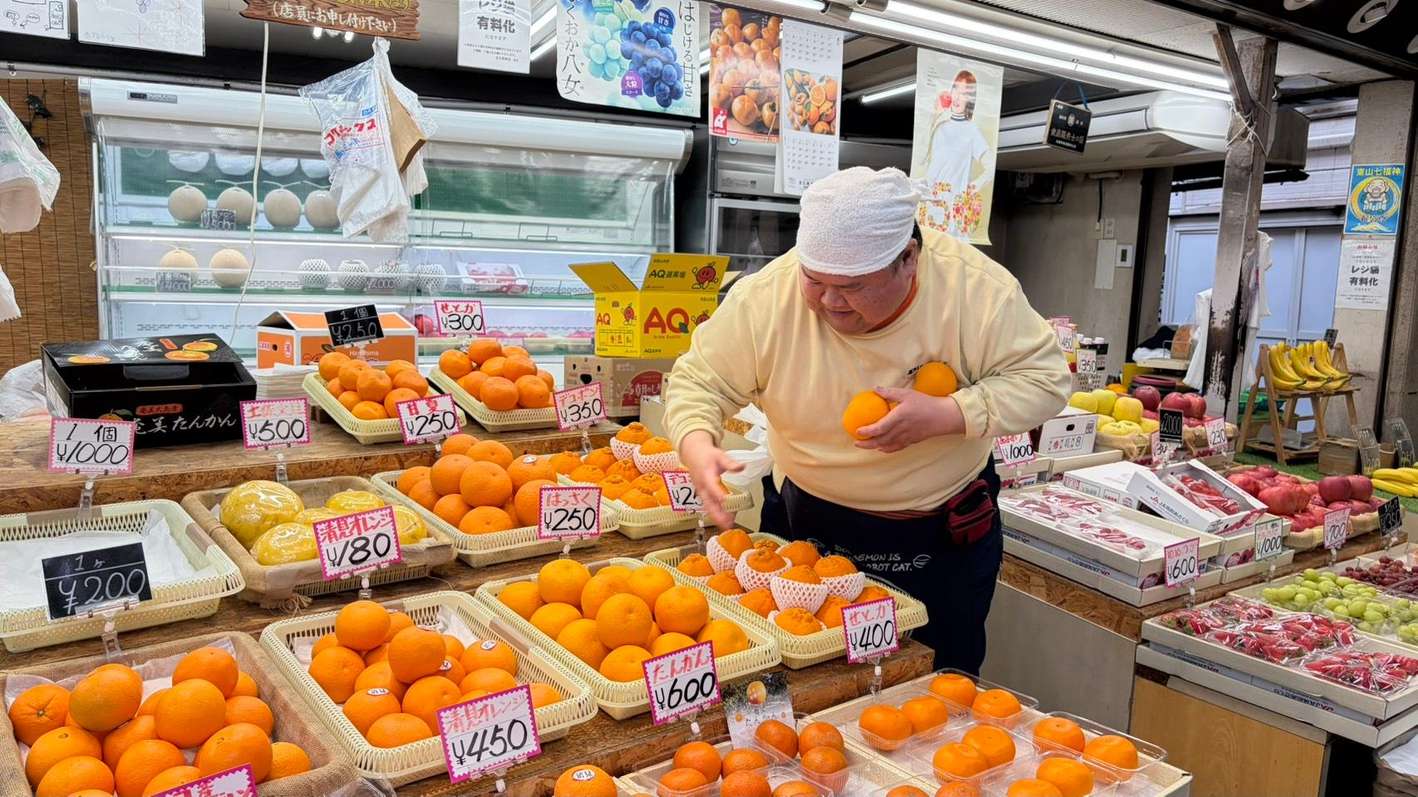
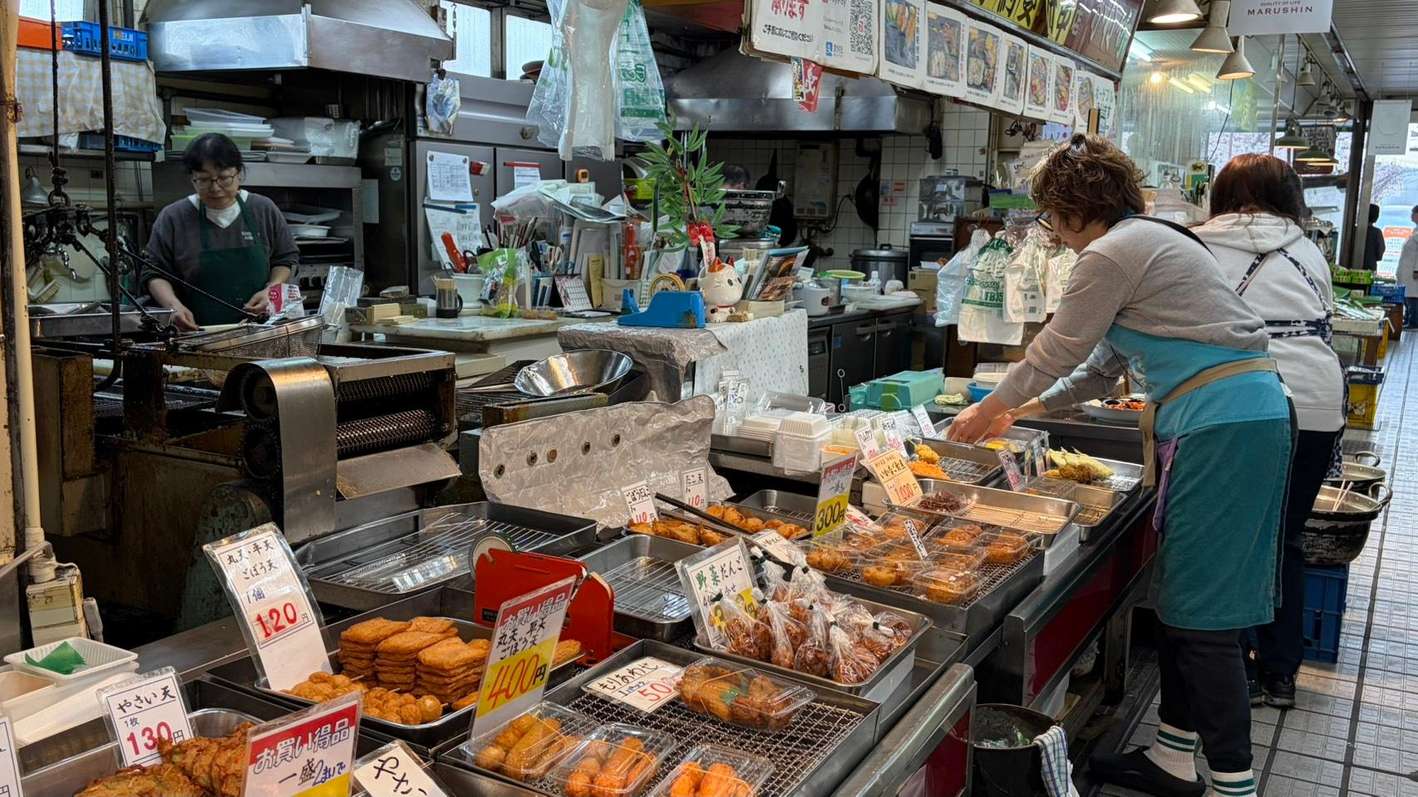
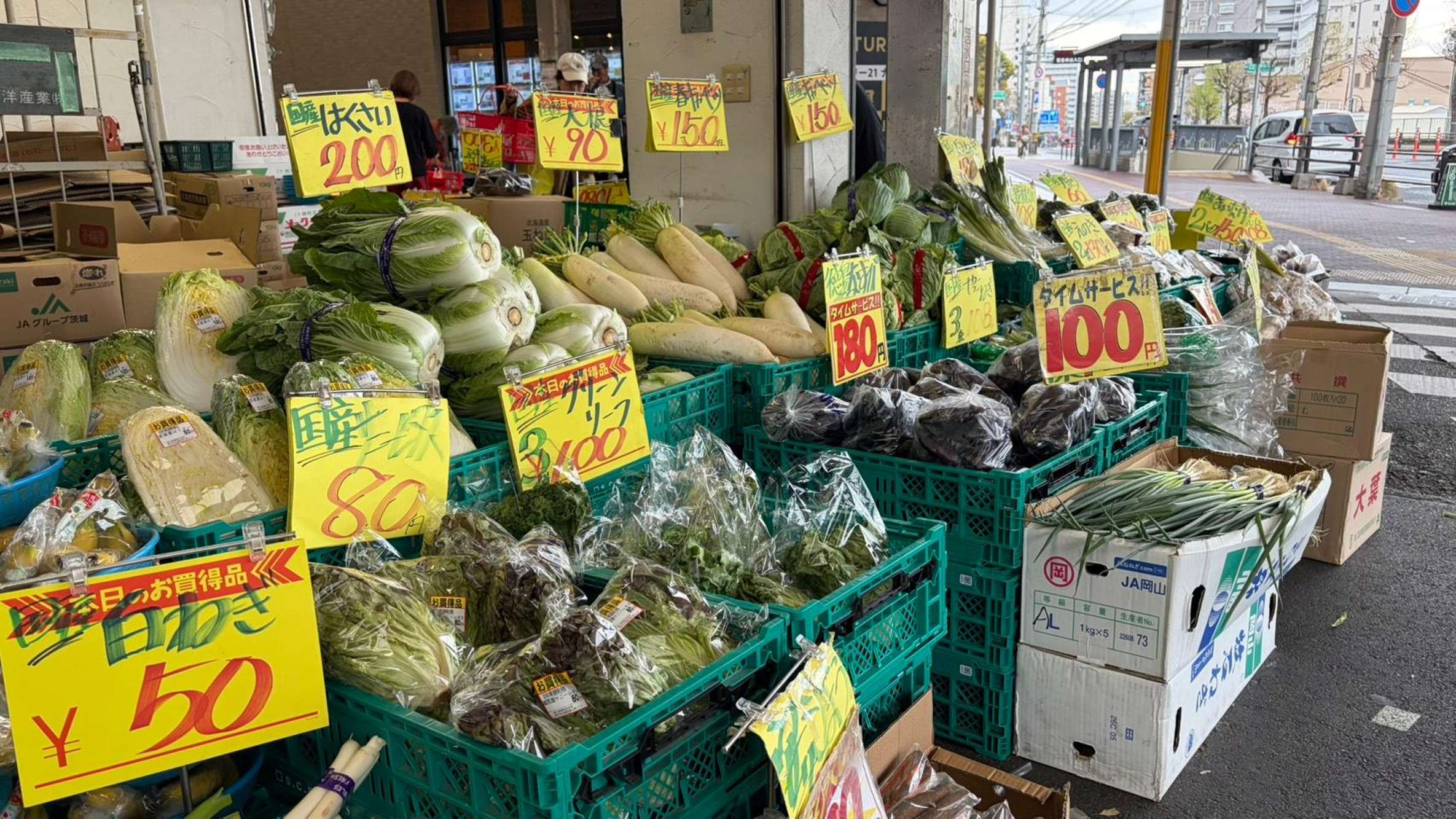
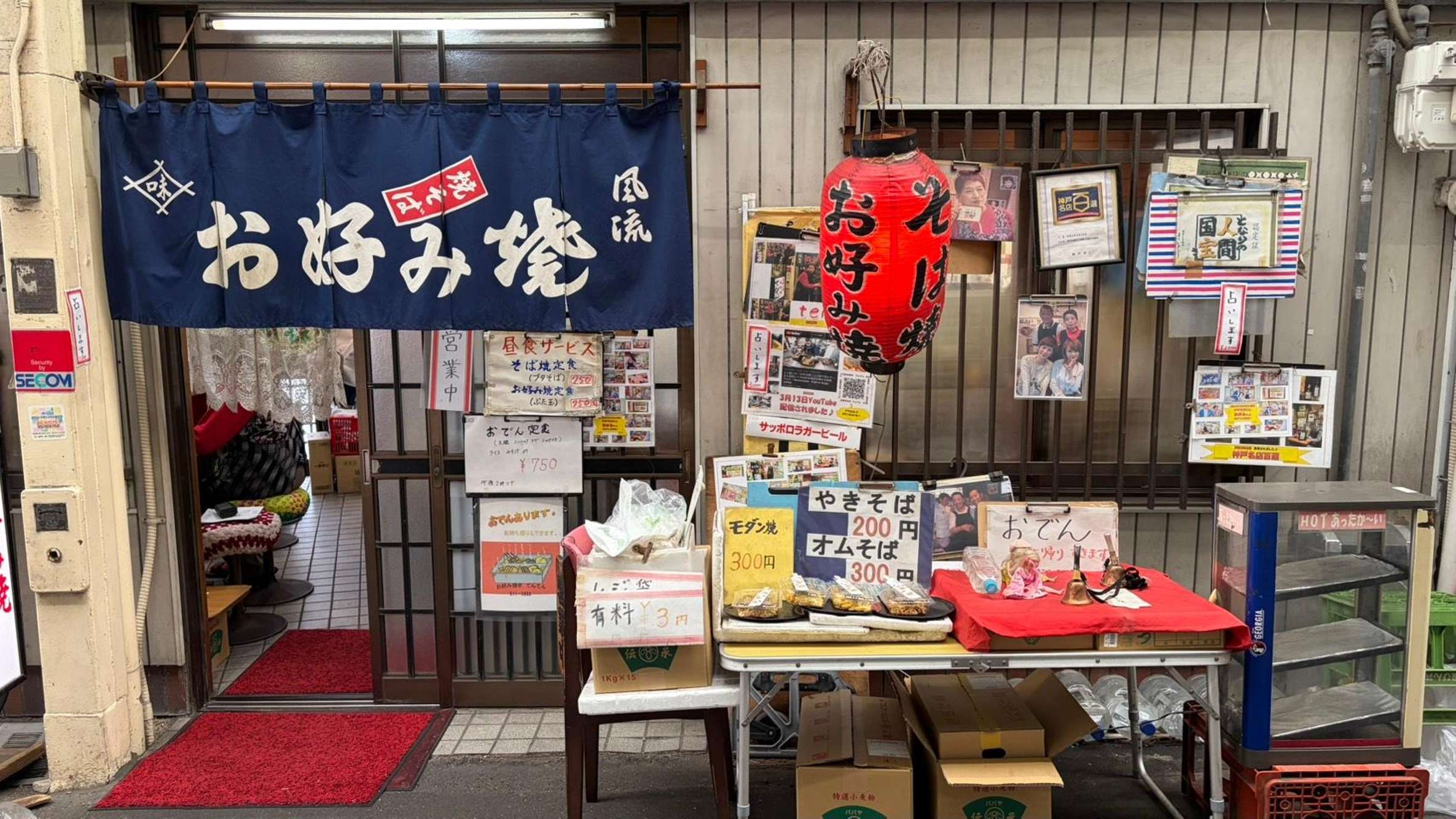
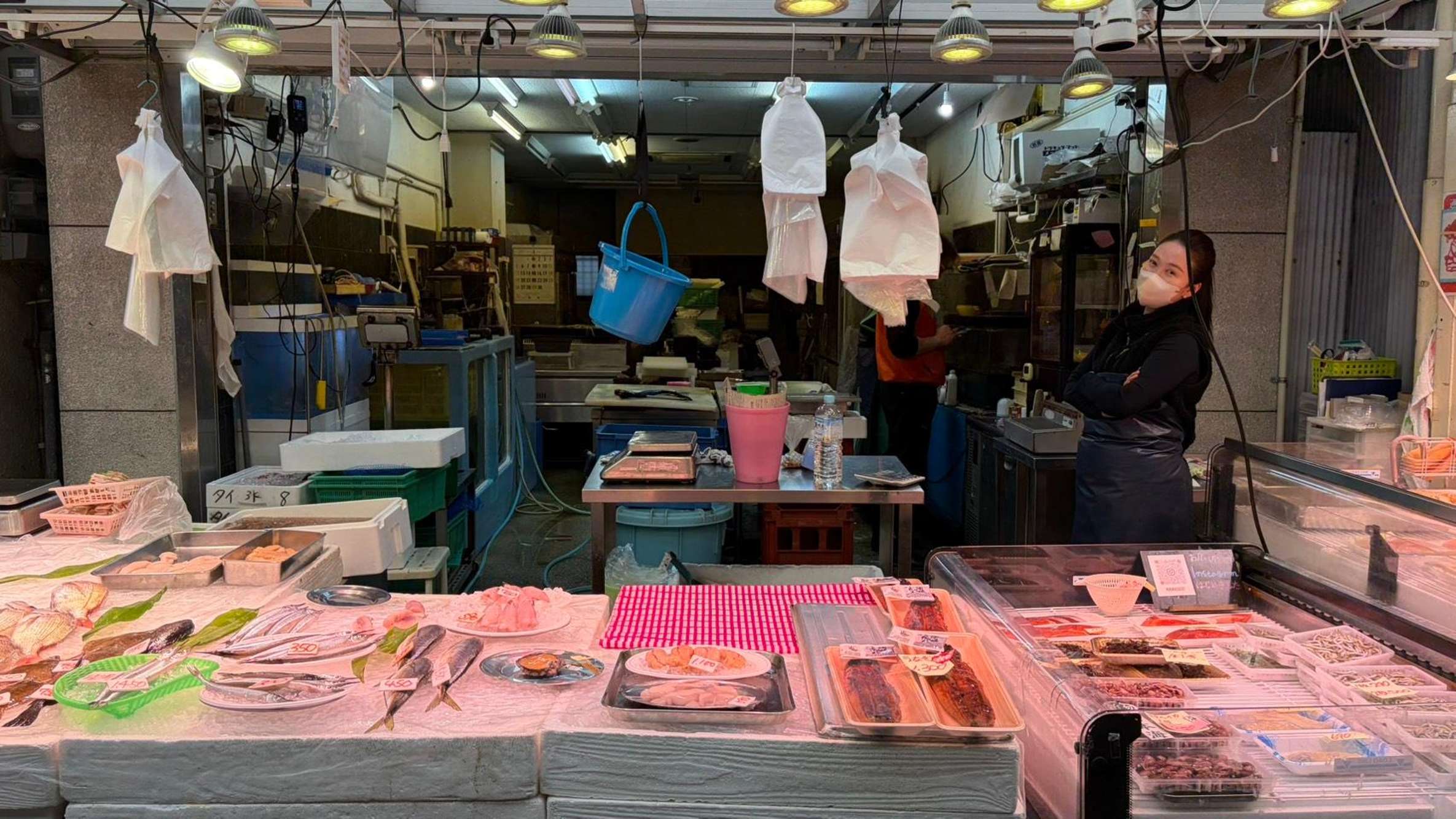
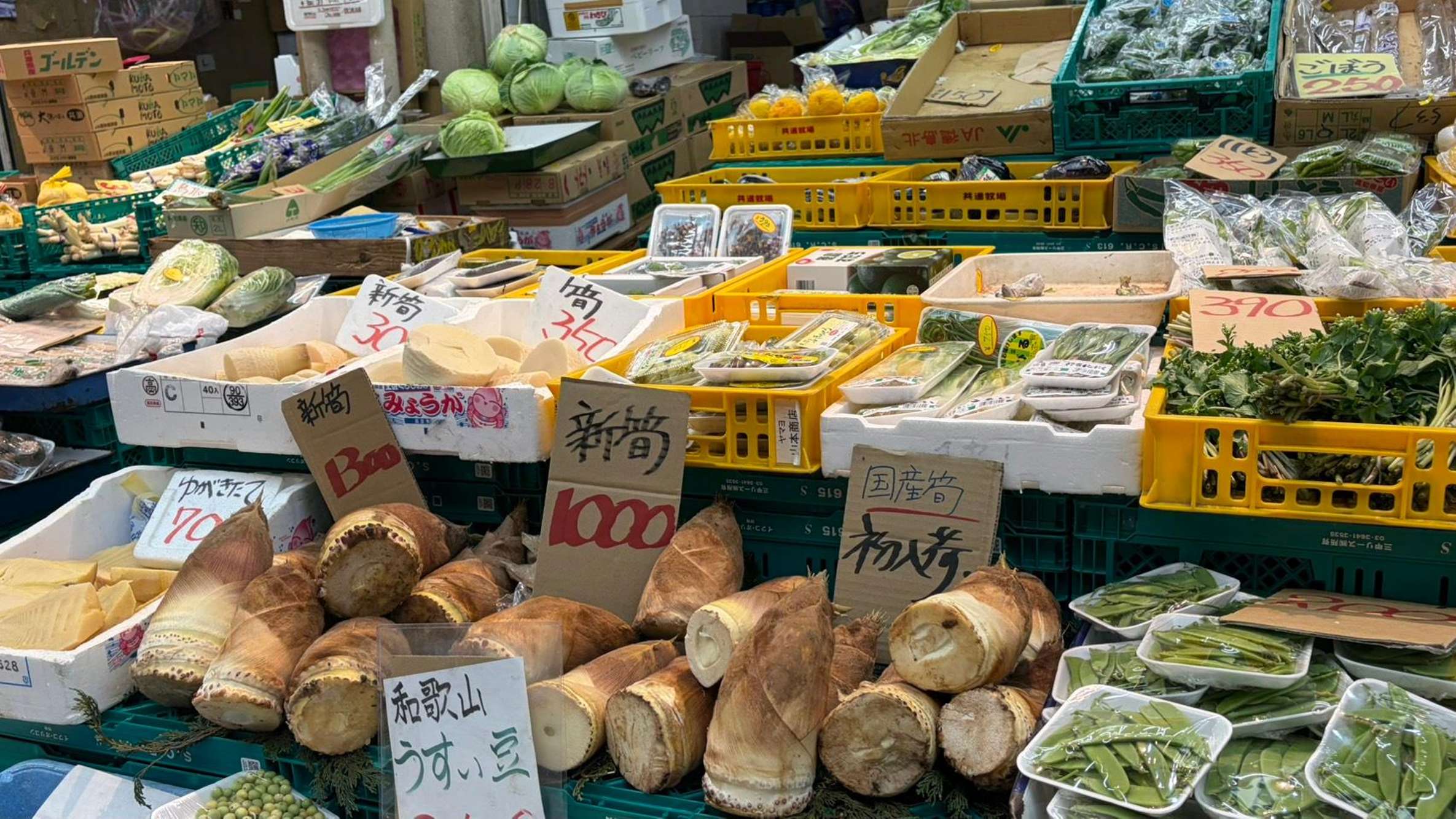
Higashiyama Market, the covered arcade locals call Kobe's kitchen, is where the grazing starts. A local student guide leads you through the stalls with tastings already picked and paid for, ten or more dishes across three hours, while the commentary between stops covers the city's history. Two drinks, alcoholic or not, come with the walk.
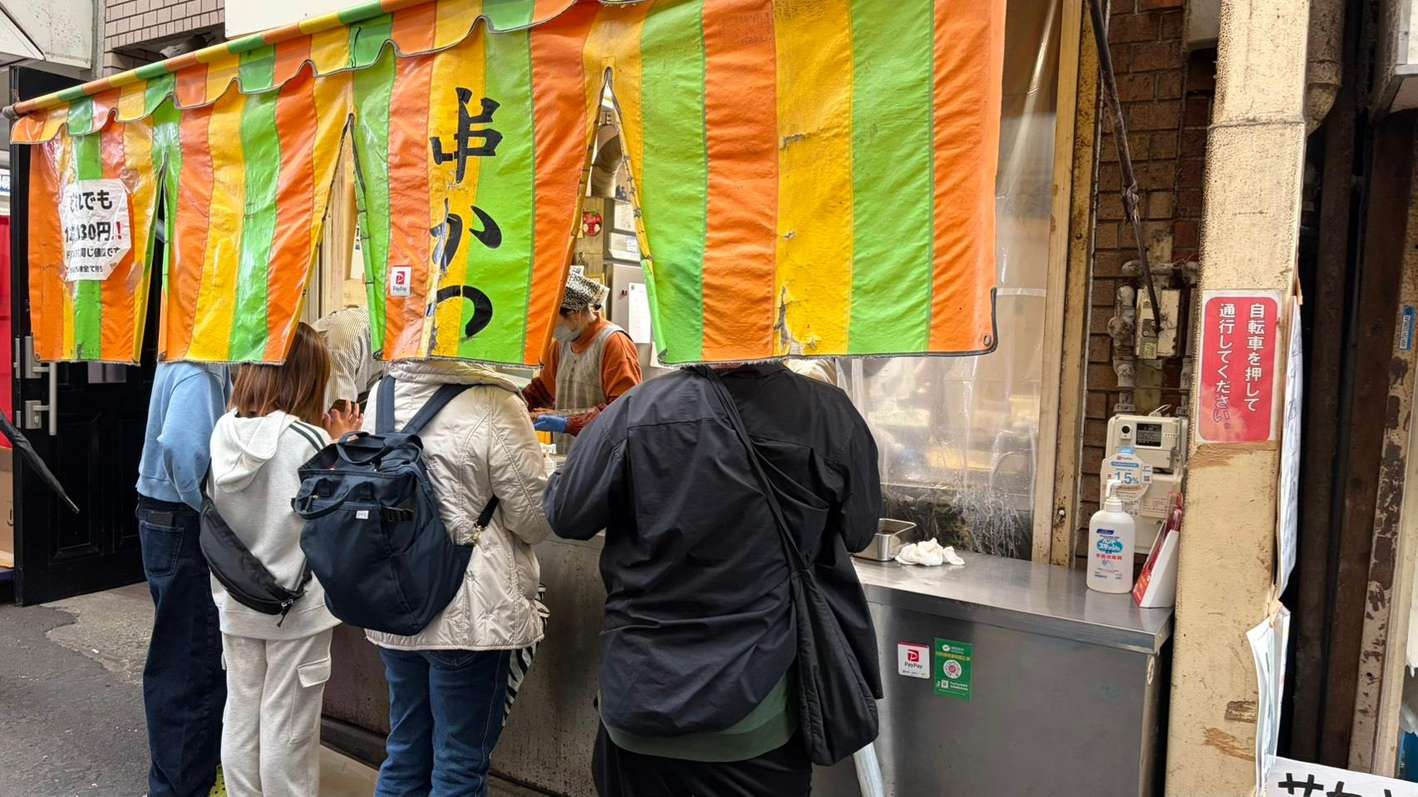
The centerpiece is a Kobe beef skewer in Chinatown, then a toast in an izakaya that most visitors walk past. The guide handles every order in Japanese, so you never point and hope.
Lunch or dinner is not served seated; you eat standing, street-style, and anyone who needs it gets dropped at the train station afterward.
Pickup2 places, depending on your optionThe guide drops you at the station if you need it, putting you a few minutes from your next train or hotel.Street View2東山商店街· 45 minA nostalgic covered market known as Kobe's kitchen, packed with tiny stalls. Your guide picks the tastings and explains the dishes as you graze through.3Kobe Chinatown· 30 minNankinmachi grew from the 1868 port opening when Chinese settlers opened shops and eateries nearby. Here you try the authentic Kobe beef skewer plus steamed buns and dumplings.Drop-off2 places, depending on your optionDrop-off point at the end of the walk for anyone heading back toward the harbor.Street View
Where the other tours go
Kobe Nunobiki Herb Gardens
Kobe Beef & Cultural Highlights: Half-Day Private Experience
10+ tastings at unique eateries - (izakaya, stall, Chinatown)2 Drinks (Non Alcohol or Alcohol )A detailed explanation of this unique area during transit between eateries.Dropped off at the train station after the tour if needed.
Not included
Transportation to & from the starting/departure point. JPY 700 per personAdditional Foods/Drinks not designated on the tourBreakfast, Lunch or DinnerWe cannot care for gluten-free, vegan or vegetarian diets.
Kobe Beef Tasting walks and tours compared
Green marks the lowest price. Each price says whether it is per person or per group.
Tour
Price
Duration
Pickup
Languages
Best for
Our pick
Kobe Kobe Food Tour: 10+dishes with Kobe Beef
5.0★ (1)
from $102lowest price
3 hours
yes
English
grazing travelers who want ten-plus street bites with a Kobe beef skewer included
All four reviewers gave five stars and credited their guide, naming Kodai, Take and Reika by name.
Best surprise
Several travelers were surprised to walk through spots where they saw hardly another tourist all day.
Most common wish
Many wished the walk had lasted longer, saying they wanted even more stories between the stops.
Booking your seat on a Kobe beef tasting walk
01
Pick a lunchtime slot
Choose a date when you can start around midday. Street stalls in Nankinmachi and the covered markets open between 10 am and 11 am and reach their fullest spread from late morning through the afternoon.
Pro tipMost snack stalls pack up or sell out between 6 pm and 7 pm, so an evening walk leaves you sit-down restaurants only
RecommendedJune through August carries the heaviest rain risk, so pack a compact umbrella over a heavy coat
02
Choose the tour that fits
Compare the two group walks and the private option: the 10-plus-dish tour covers Higashiyama Market, Chinatown and an izakaya in about 3 hours, while the private food tour runs 3 hours at your own pace with pickup included.
Pro tipThe shared group tour includes two drinks, alcoholic or not, plus a drop-off at the train station afterward
Common mistakeAssuming the private tour costs the same as joining a group; it is priced per booking, not per person, so it suits couples and small parties
03
State dietary needs at booking
Enter any restrictions in the booking form before you pay. The group food walk cannot accommodate vegan, vegetarian or gluten-free diets, and the private tour is not suitable for people with food allergies.
ImportantTelling the operator about a diet at booking rather than on the day is what makes an alternative stop possible
Common mistakeBooking a market walk for a strict vegetarian and hoping stalls will adapt; some walks simply cannot change their tastings
04
Confirm and meet your guide
After payment you get a confirmation with the meeting point and the pickup details, so check whether pickup reaches your accommodation or whether you head to a fixed start point on foot.
Common mistakeLeaving the meeting point lookup until the morning; the voucher holds the exact spot, and starting points sit near Sannomiya or the station area
Pro tipBoth tours allow cancellation up to 24 hours in advance for a full refund, so you can lock in a date and adjust later
05
Bring cash for the day
All the food on the tour is covered, but carry some yen anyway: the small walk-and-eat stalls in Nankinmachi are overwhelmingly cash-only, and cards rarely work at them. Wear comfortable, closed walking shoes.
Pro tipYou spend almost no time on your feet in one place; the route is flat paved arcades with 10 to 15 minute walks between stops, about 1.1 km at a stretch
RecommendedArrive 10 minutes early; guides start promptly and a late arrival can cost you the first stall
What to know before you book a Kobe beef tasting walk
Can stop the dayGood to knowGood news
01
ChoosingWhat it is, who it suits, when to go
7
Meeting points
Both food walks meet in central Kobe, and pickup is included when you check availability. The private food walk collects you at the start, while the small-group walk sets off from a fixed meeting point near Sannomiya. Confirm your start time when you book.
Group size
The 10-dish food walk runs as a small group led by a local student guide, and it stays wheelchair and stroller accessible. The private food walk is just your party with a Kobe local, run by day or night. A half-day private alternative adds Kitano and the waterfront around the meal.
What's included
The small-group walk covers its ten or more tastings, two alcoholic or non-alcoholic drinks, detailed area commentary, and drop-off at the train station. The private walk covers all food at the stops plus one drink. Extra food and drinks, and your ride to the meeting point, are on you.
DietsCan stop the day
The small-group food walk cannot serve gluten-free, vegan, or vegetarian diets. The private food walk is not suitable for people with food allergies or gluten intolerance. Tell the operator about dietary needs at booking so there is time to plan around them.
Timing
Stalls in Nankinmachi and the covered markets open around 10 am, and peak selection runs from late morning through mid-afternoon. Popular items sell out and stallholders pack up between 6 pm and 7 pm. A lunch slot gives you the widest choice of street food.
Street etiquette
Eating while walking is frowned upon in Japan. Finish each snack right at the stall, hand wrappers back to the vendor, and use the bins along the Sannomiya and Motomachi arcades. Convenience stores nearby are a reliable fallback for wrappers.
Tipping
Nobody tips in Japan, not even at premium counters or after a private tour. A thank-you to the guide or the chef carries more weight than cash.
02
BookingHow far ahead, and what happens if plans change
3
Cash
Many Nankinmachi stalls take no cards or digital payment, so anything you add beyond the tour stops needs cash. Larger restaurants in Chinatown do accept cards. Bring yen in small notes for snacks and drinks between stops.
Cancellation
You can cancel the food walks up to 24 hours in advance for a full refund. If a scheduled tasting is unavailable on the small-group walk, the operator proposes a comparable stop, and you can reschedule or take the refund instead.
Weather
Walking food tours run in ordinary rain, moving between covered arcades such as the Higashiyama market. When a typhoon warning or a transit suspension hits, the operator cancels the walk and refunds you in full. A compact umbrella is easier than a raincoat in muggy weather.
03
Before you goPapers, health, what to bring
1
Walking
The route between Sannomiya and Nankinmachi is about 1.1 km of flat, stair-free streets, with short strolls through the compact Chinatown grid after that. You stand more than you walk, since public seating is scarce. Comfortable shoes matter more than stamina.
Your Kobe beef tasting guide, from first bite to last skewer
A skewer of Kobe beef in Chinatown costs a fraction of a steakhouse dinner and tastes like the same animal. Whether the hype is real, how a tasting walk runs and which one to book, all get settled before you reach the stall counter.
Kobe· 34.69° N, 135.19° E
If you only remember three things
1
Book a midday slot: stalls are at their fullest from late morning to mid-afternoon and most street food sells out between 6 and 7 pm.
2
Skip Wednesdays, when family-run market stalls close, and bring cash, because Chinatown stalls are overwhelmingly cash-only.
3
Look for the bronze Tajima cow statuette and the chrysanthemum stamp before you believe any beef is real Kobe.
Kobe beef worth the hype before your first tasting
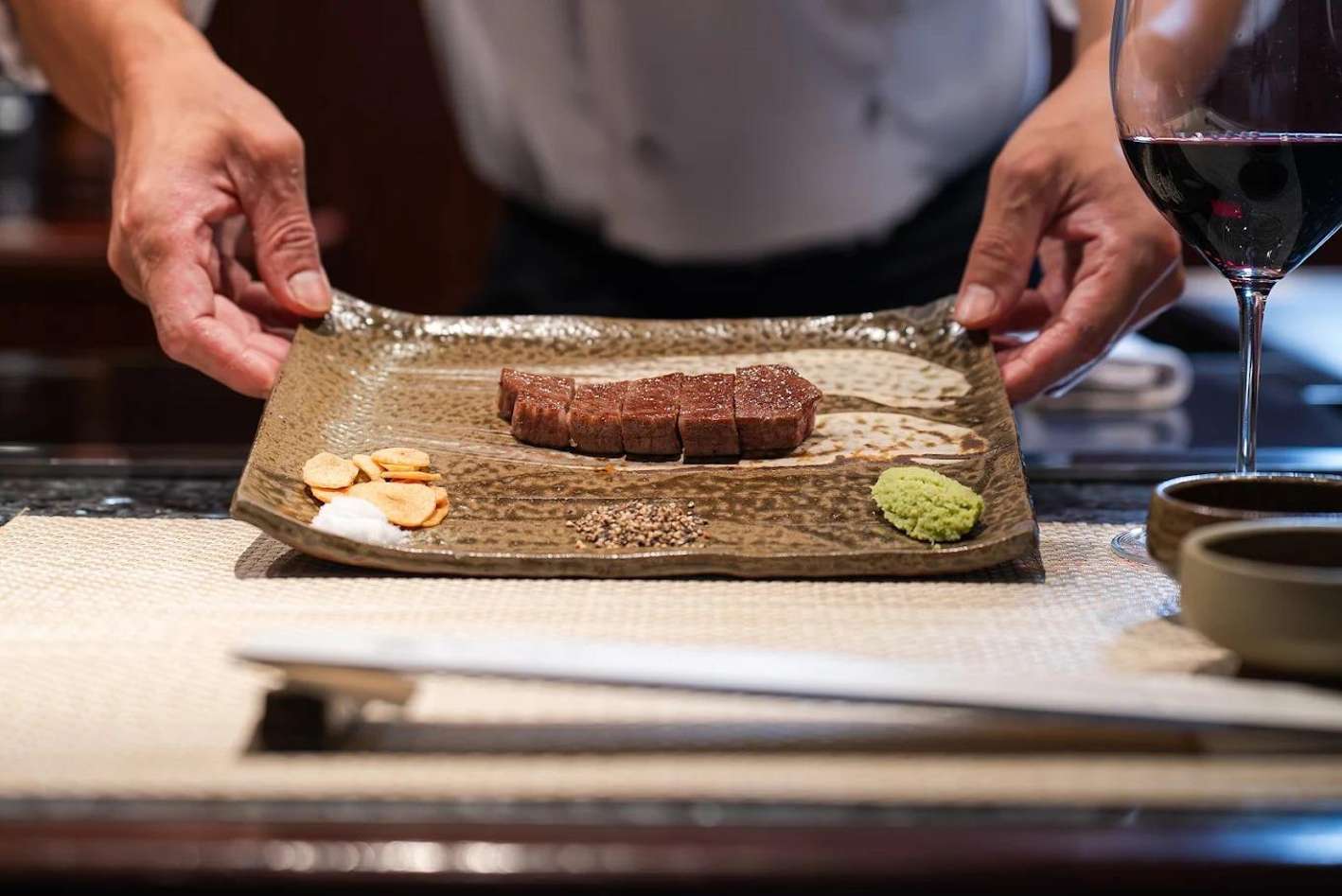
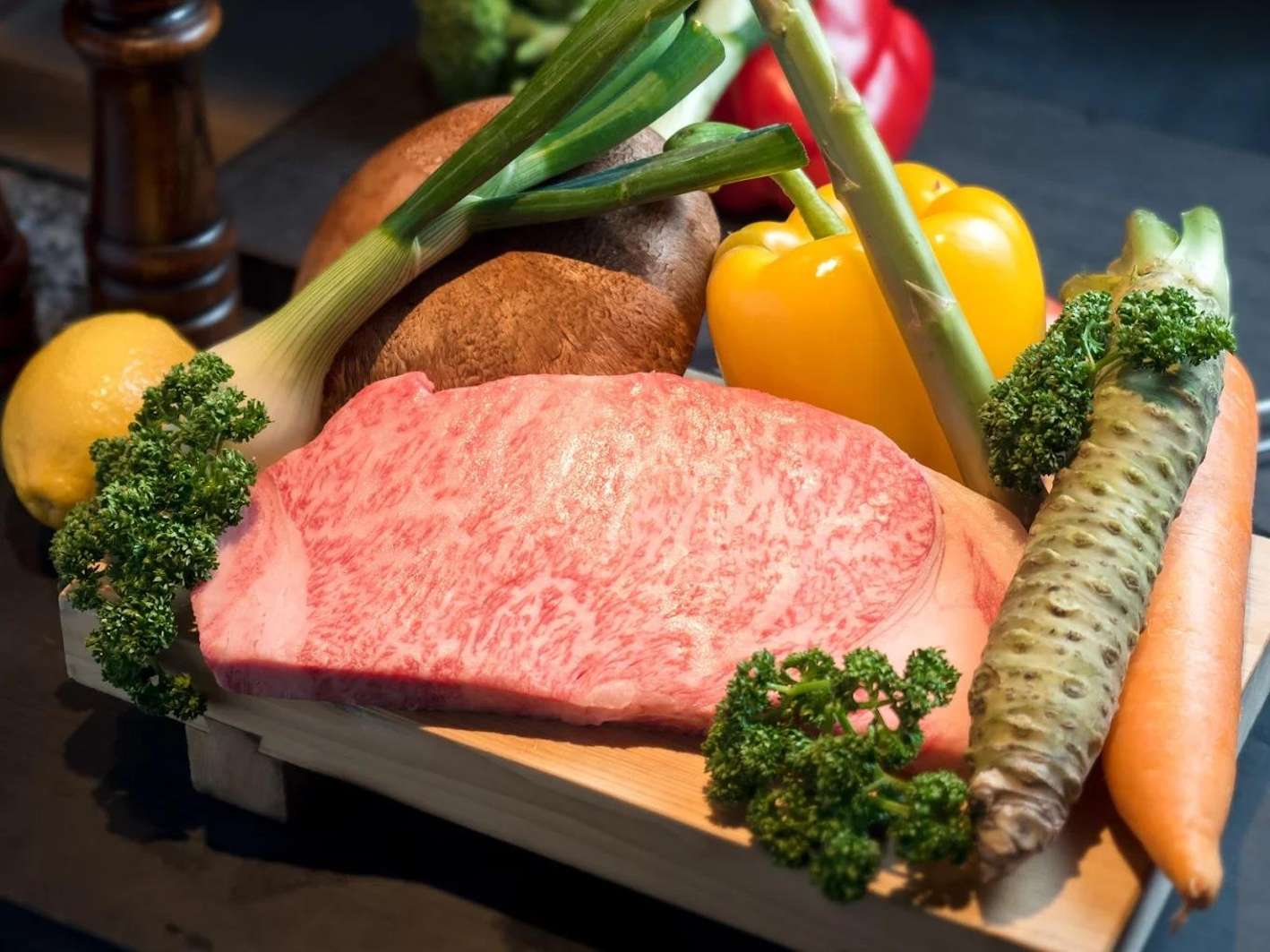
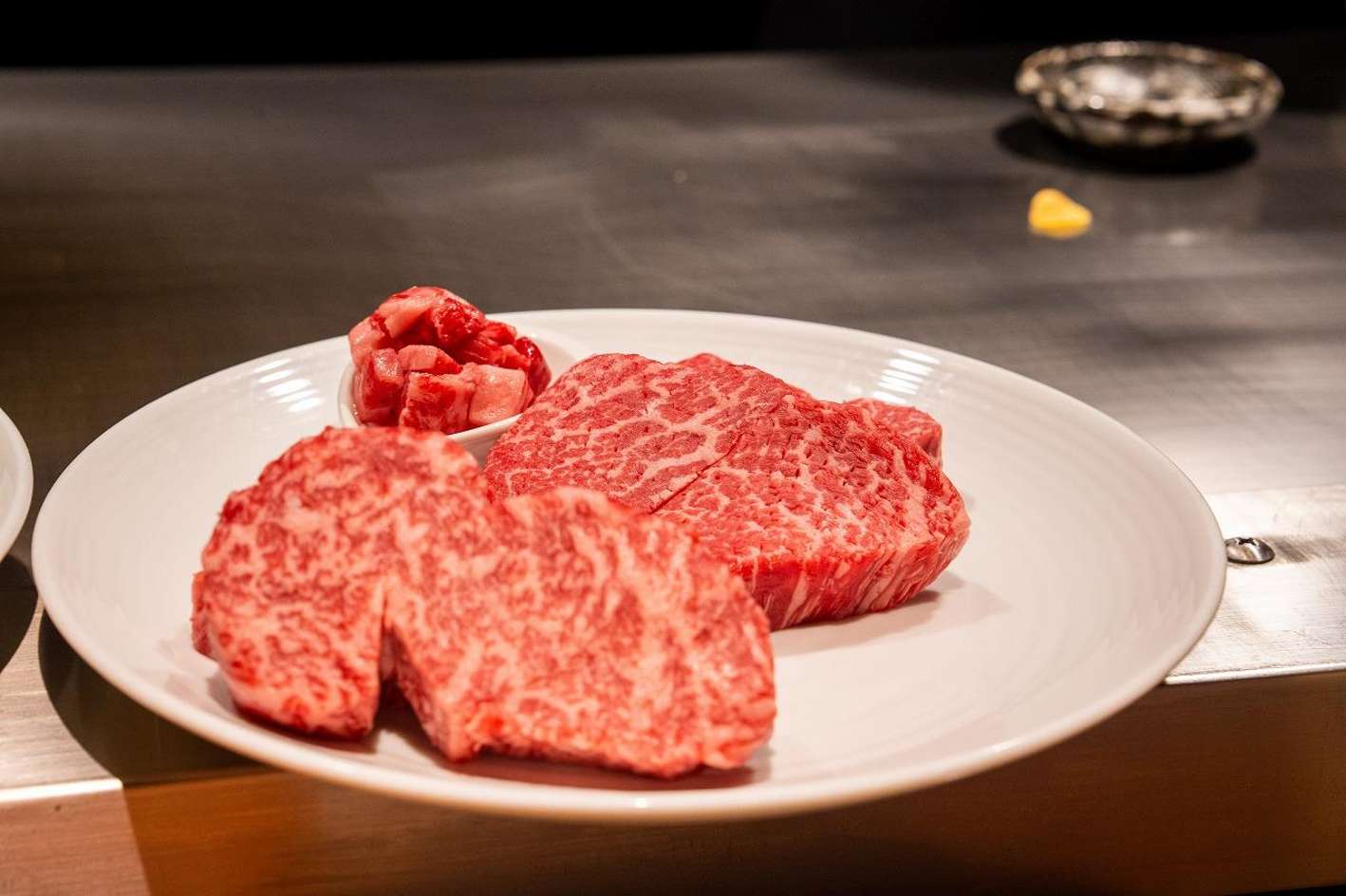
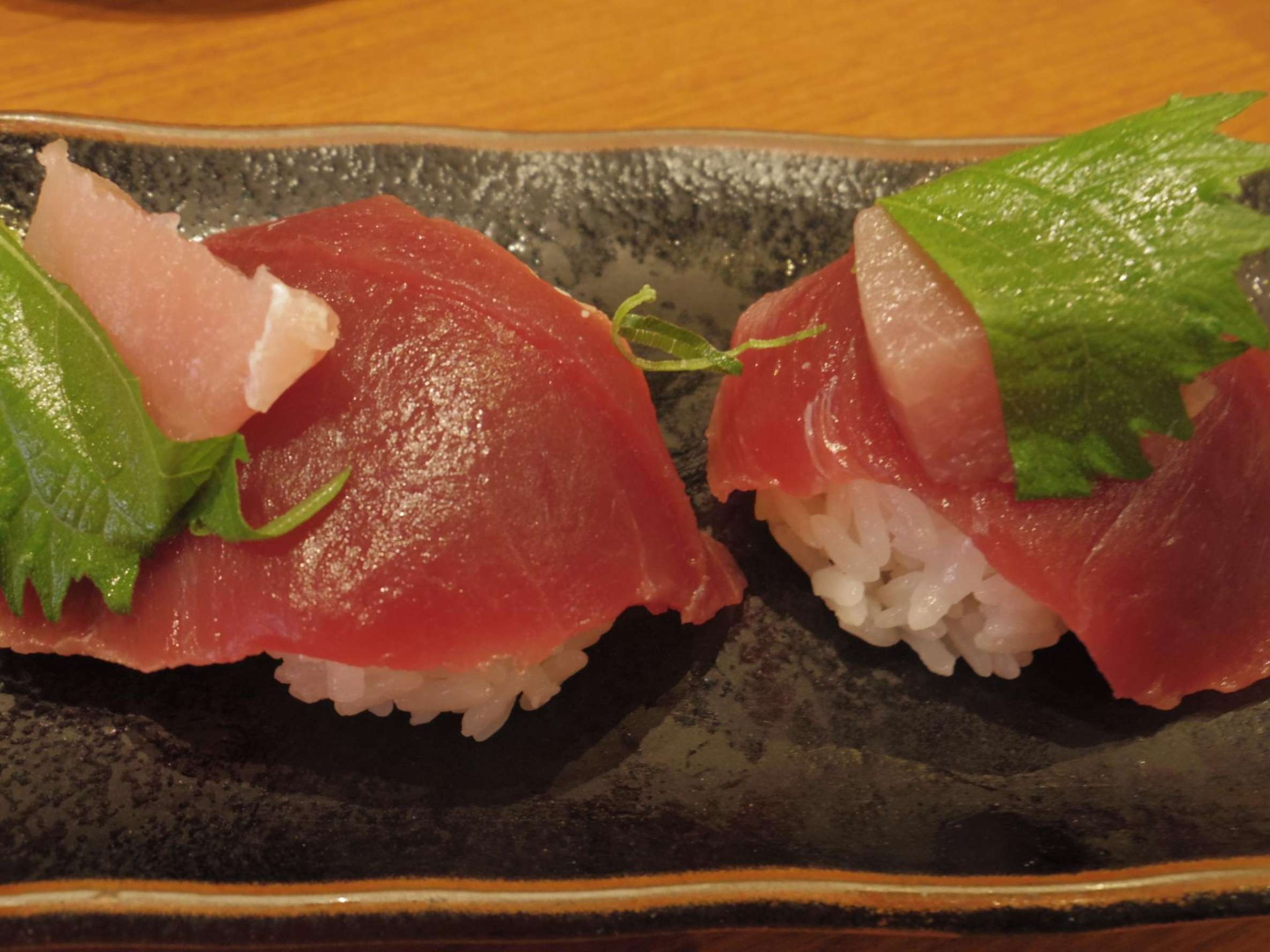
The first bite is the argument. Fat marbled so finely it dissolves the moment it touches the palate, a mellow sweetness underneath, a texture softer than any standard steak. It literally melts in your mouth: the fat melts at a low temperature, close to body heat.
So is it worth it? A genuine difference, and people who try it as part of a tour meal say it exceeds expectations. What no one enjoys is a giant slab.
The marbling that makes Kobe beef special also makes it rich, and a Western-sized portion overwhelms long before it finishes. The Japanese way is small, intensely flavorful portions: thin cuts, seared cubes, a skewer.
Seasoning follows the same logic. Simple salt and wasabi cuts through the fat better than any sweet sauce.
A traveler's note
Kodai showed us the traditional side of Japanese cuisine, what locals actually eat. We visited spots with zero tourists, which surprised me. Kobe's atmosphere felt warmer than Tokyo too.
What a Kobe beef tasting walk is like, dish by dish
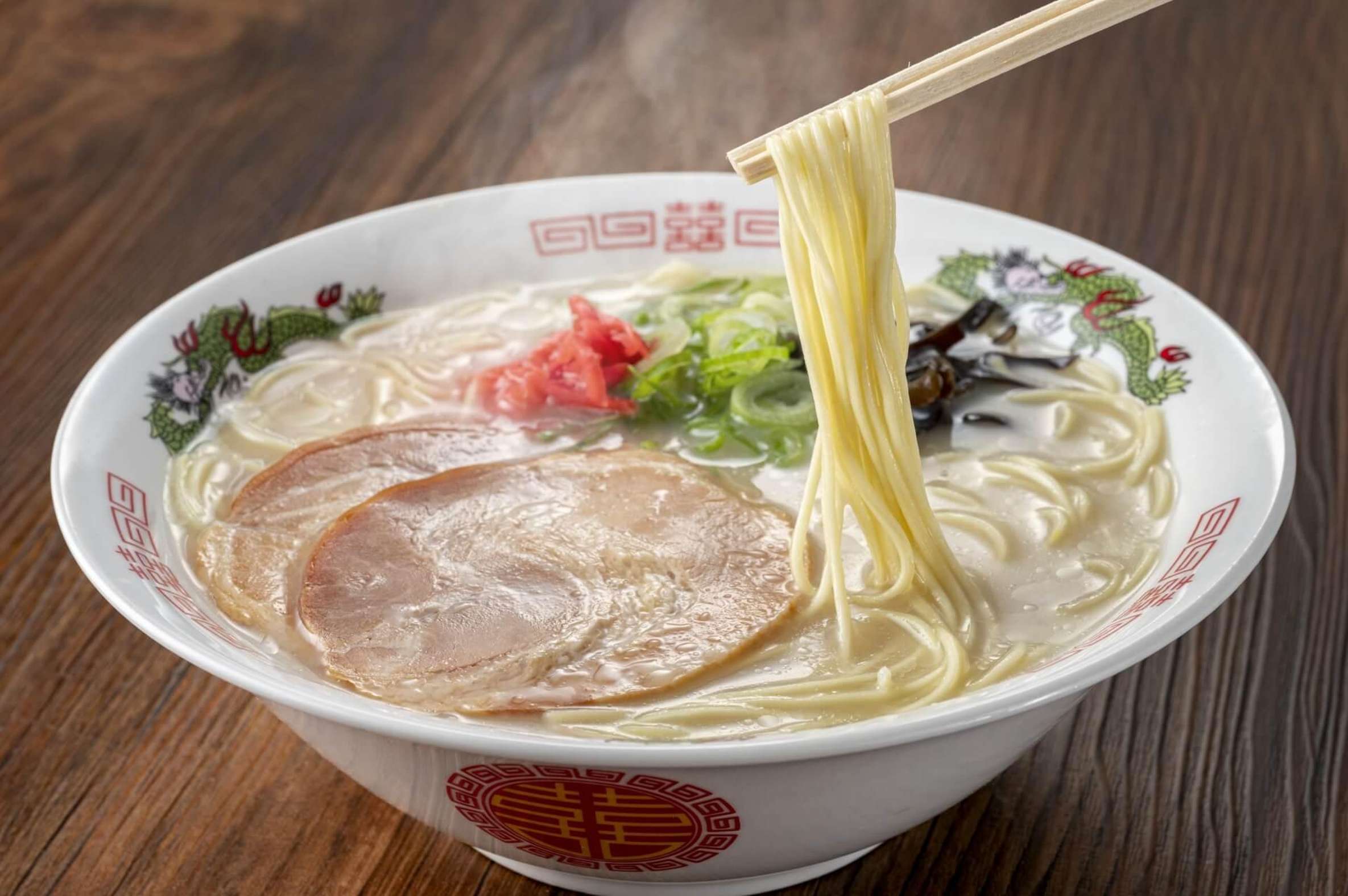
The shared walk runs about three hours through three kinds of places: a locals-only izakaya, market stalls in a covered arcade, and the snack alleys of Chinatown.
Ten or more tastings are already picked and paid for, with two drinks, alcoholic or not, included, so there is no ordering and no fumbling for coins at each counter.
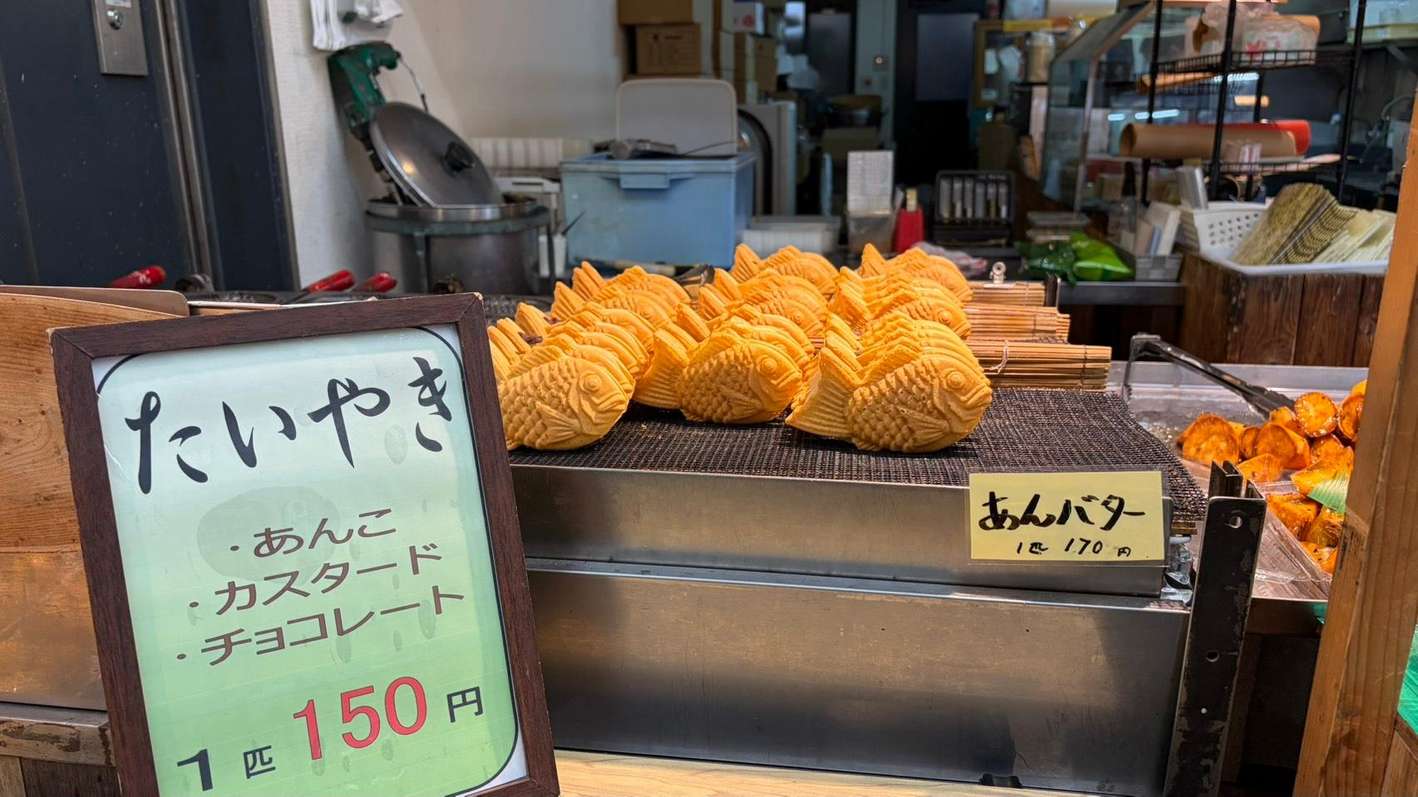
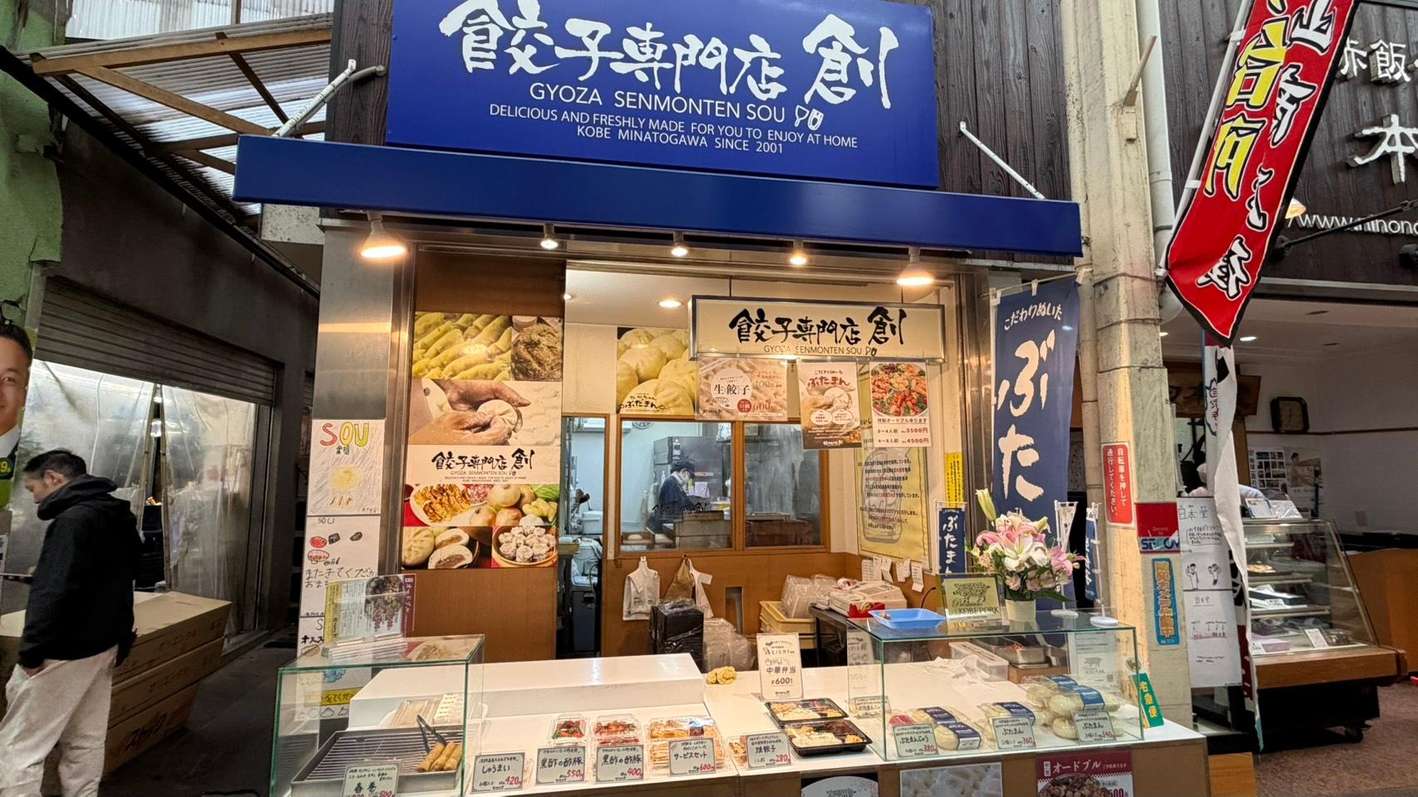
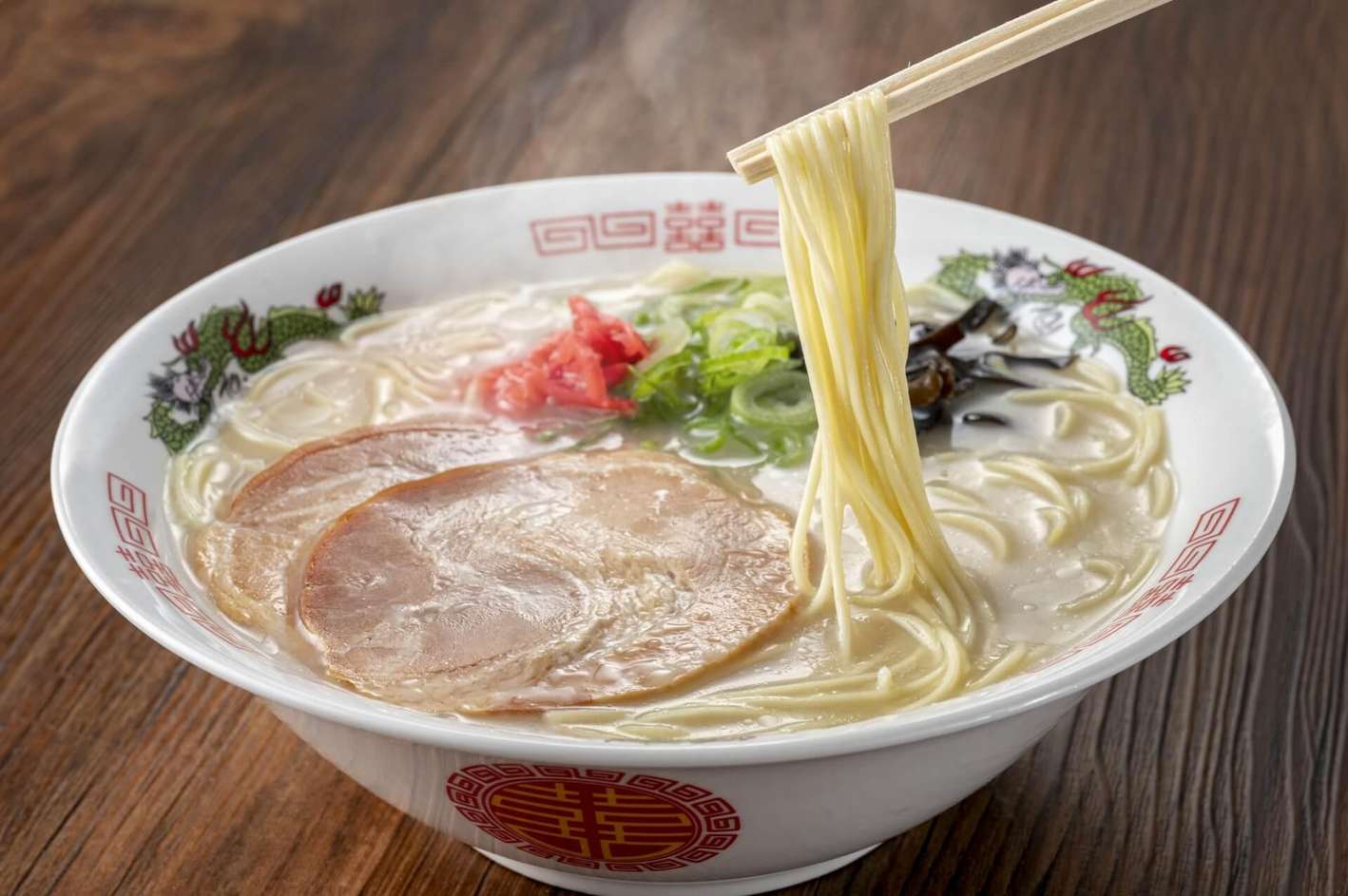
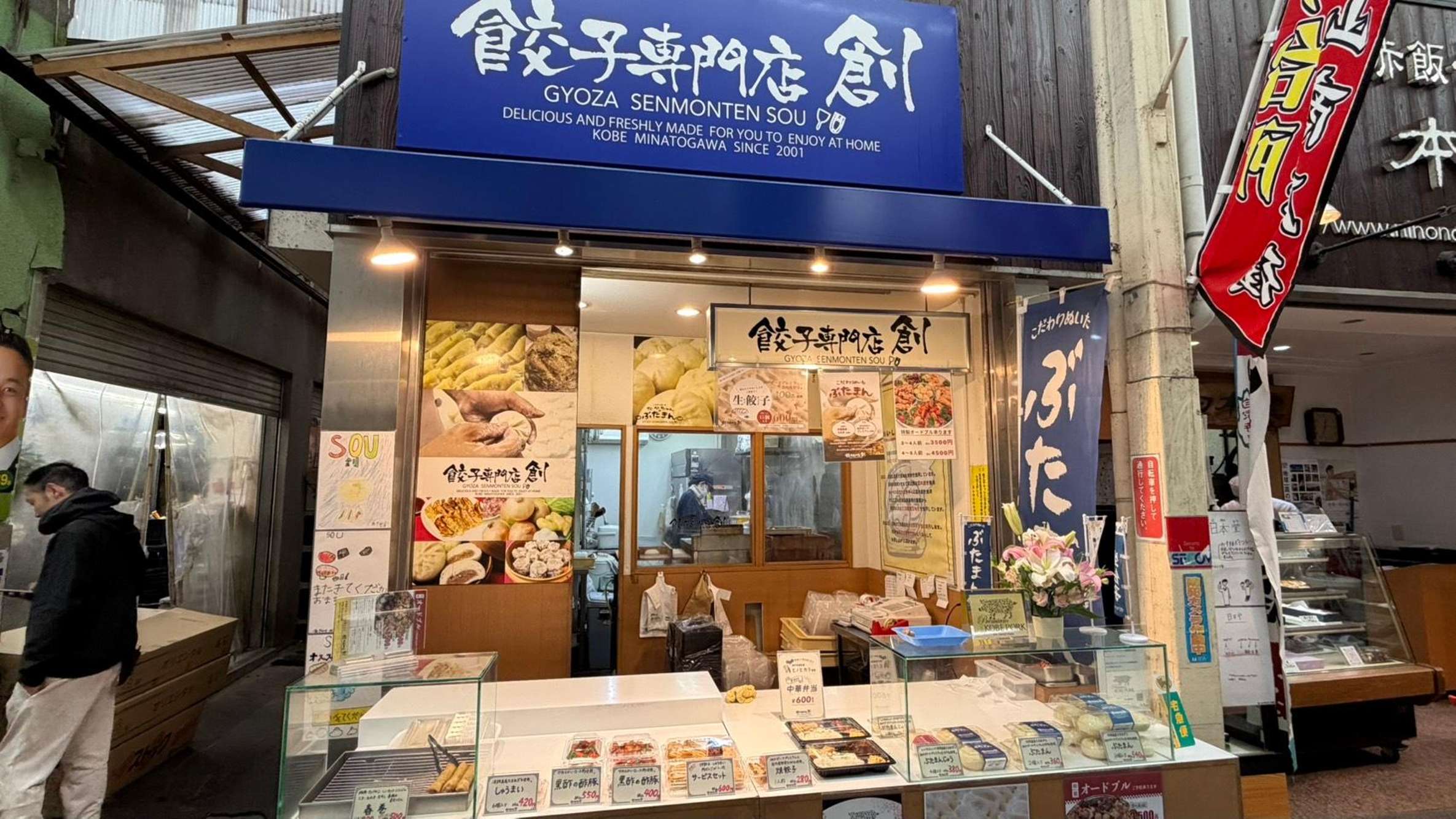
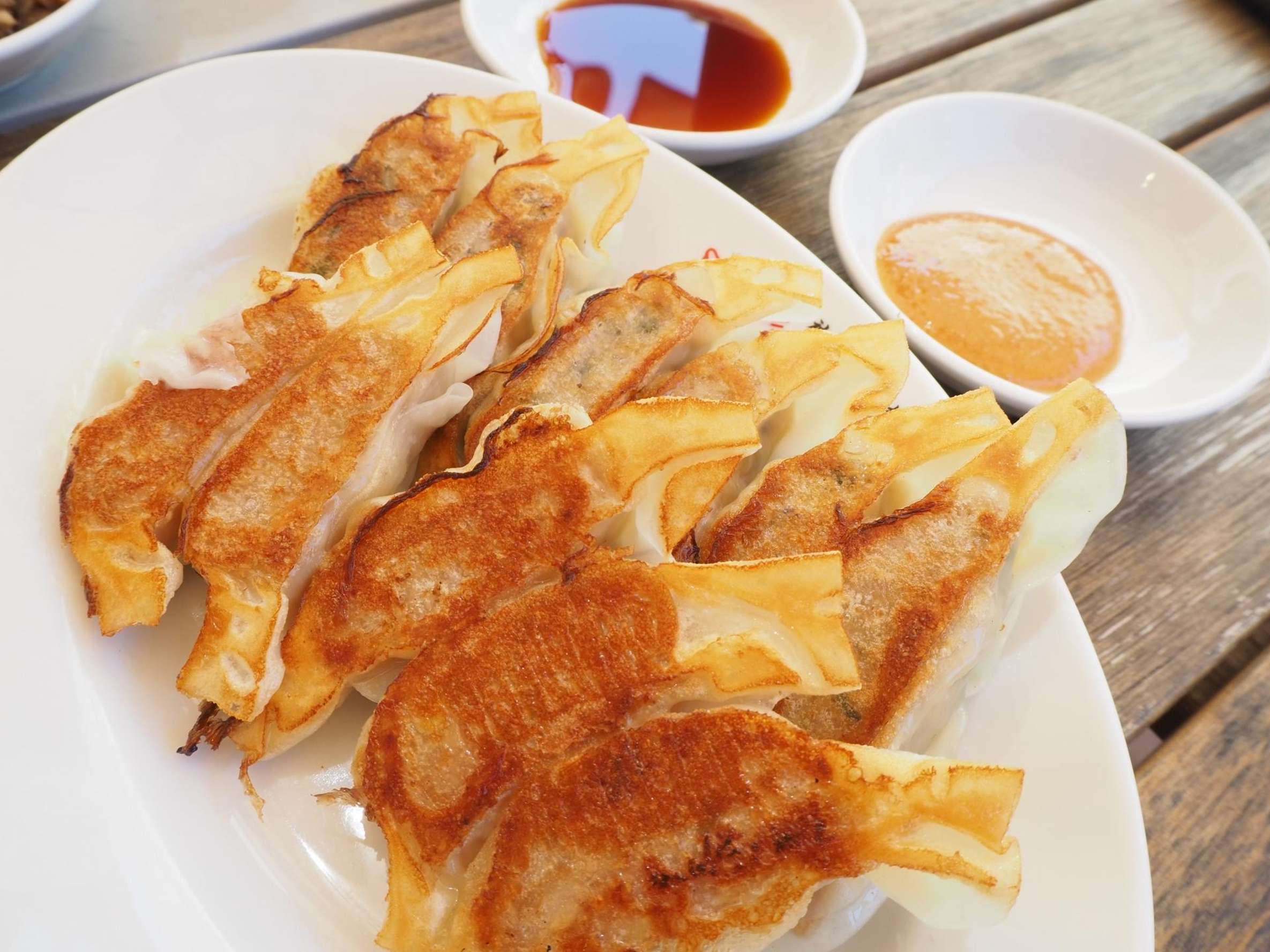
Nankinmachi, Kobe's Chinatown, earned the name kitchen of Kansai a century ago. Chinese families who could not live in the foreign settlement opened shops just west of it, and the plaza filled with vendors selling steamed pork buns, soup dumplings, Peking duck wraps and gyoza with miso dipping sauce.
The beef itself arrived by ship: after the port opened to trade in 1868, foreign crews demanded cattle, the name Kobe Beef stuck, and Kobe's first sukiyaki restaurant opened in Motomachi the following year.
Three hours of tasting, stop by stop
1
Meeting the guide
A local guide gathers the group and explains the route
Flexible start times across a 2 to 3 hour window
2
Izakaya stop
A locals-only pub pour and regional plates
Two included drinks, alcoholic or non-alcoholic
3
Market stalls
Grazing through a covered shopping arcade
Tastings already paid for, no cash needed
4
Chinatown
The Kobe beef skewer plus a snack trail
Steamed buns, soup dumplings, Peking duck wraps
The walk that does exactly this is the Kobe Kobe Food Tour: 10+dishes with Kobe Beef, which covers a Kobe beef skewer in Chinatown, an izakaya and Higashiyama Market, with a drop-off at the train station afterwards if you need one.
Kobe beef tour duration breakdown
4 hoursstandard tour duration
1.5 hourstime allocated for Kobe beef lunch
Notice what those numbers mean in practice: the whole outing fits inside half a day, and the seated beef part of a standard tasting tour runs about an hour and a half, so the rest of your Kobe day stays open.
Tour for this
Kobe Kobe Food Tour: 10+dishes with Kobe Beef5.0★ (1) · 3 hours · Hotel pickup · Free cancellation
How to tell real Kobe beef from imitations when tasting
At the counter, the checks are visual and quick. Authorized sellers display a small bronze statuette of a Tajima cow and a registration certificate at the storefront.
Certified cuts carry the Nojigiku chrysanthemum stamp, chosen because it is Hyogo's prefectural flower, and any legitimate vendor can show a 10-digit identification number that traces the animal's lineage and origin online.
Know what the words mean, too. Real Kobe beef comes only from purebred Tajima cattle born, raised and harvested in Hyogo Prefecture. In Japan, crossbred meat cannot legally carry the name. In the United States, weak trademark rules let crossbred beef be sold as Kobe-style, which tells you why a skewer abroad proves nothing.
What nobody tells you
Certification is checkable on the spot
The bronze statuette, the chrysanthemum stamp and the 10-digit traceable ID all sit in public view at genuine vendors
Cheap beef-on-a-stick in nightlife areas is usually lower-grade wagyu
Casual stalls advertising cheap Kobe beef carry no guarantee of grade or origin, and tourist-heavy spots are where overpaying happens most
A guide does this checking for you before the group eats, which is a quieter relief than it sounds.
Street food in Kobe keeps a strict timetable. Stalls in Nankinmachi and the covered markets open between 10 and 11 am and hit their peak selection from late morning through mid-afternoon. From 6 pm onward the vendors pack up or sell out, and after 7 pm the streets belong almost entirely to sit-down restaurants.
Kobe street food stall availability by time of day
Late morning10 am to noon
Stalls open with full variety and shorter lines before lunch crowds peak.
Lunchtime Peaknoon to 3 pm
Peak street food selection across all outdoor stalls and market vendors.
Late afternoon3 pm to 5 pm
Vendors remain active with lighter crowds before evening sellouts begin.
Early evening5 pm to 8 pm
Outdoor stalls begin closing and popular items sell out.
Night8 pm to 10 pm
Street stalls are closed, leaving dining mainly to seated restaurants.
QuietBusyThe busiest
Reading that spread hour by hour, the sweet spot is clear: a walk starting near noon catches every stall with every dish on it, while a slot after 5 pm shrinks the route to whatever has survived the day.
The day of the week matters just as much. Wednesday is the day to avoid: family-run stalls and specialty shops in Kobe's local markets close primarily then, with Sunday the second most common day off, and a few market arcades also shut on Thursdays.
Shop and stall openings by day in Kobe markets
Fri: the busiest. Active trading day with discount sales.
Bar height: how busy each day is, from very quiet to the busiestThe busiest: Fri
Tap a day to read it.
Put together, the rule writes itself: a midday slot on any day but Wednesday gives you the fullest stalls, the shortest lines before or after the lunch rush, and the widest choice of what to taste.
The choice comes down to group and pace. The shared 10-dish walk suits travelers eating alone or as a couple who want company and a set route. The private option suits anyone who wants the guide's own spot list and the freedom to linger.
Shared walk versus private food walk
Shared 10+-dish tour
Private food tour
Group size
Small mixed group with a local student guide
Just your party with a private local guide
Route
Higashiyama Market, Chinatown and an izakaya
Spots known by Kobe locals, route flexible
Dishes
10+ tastings plus two included drinks
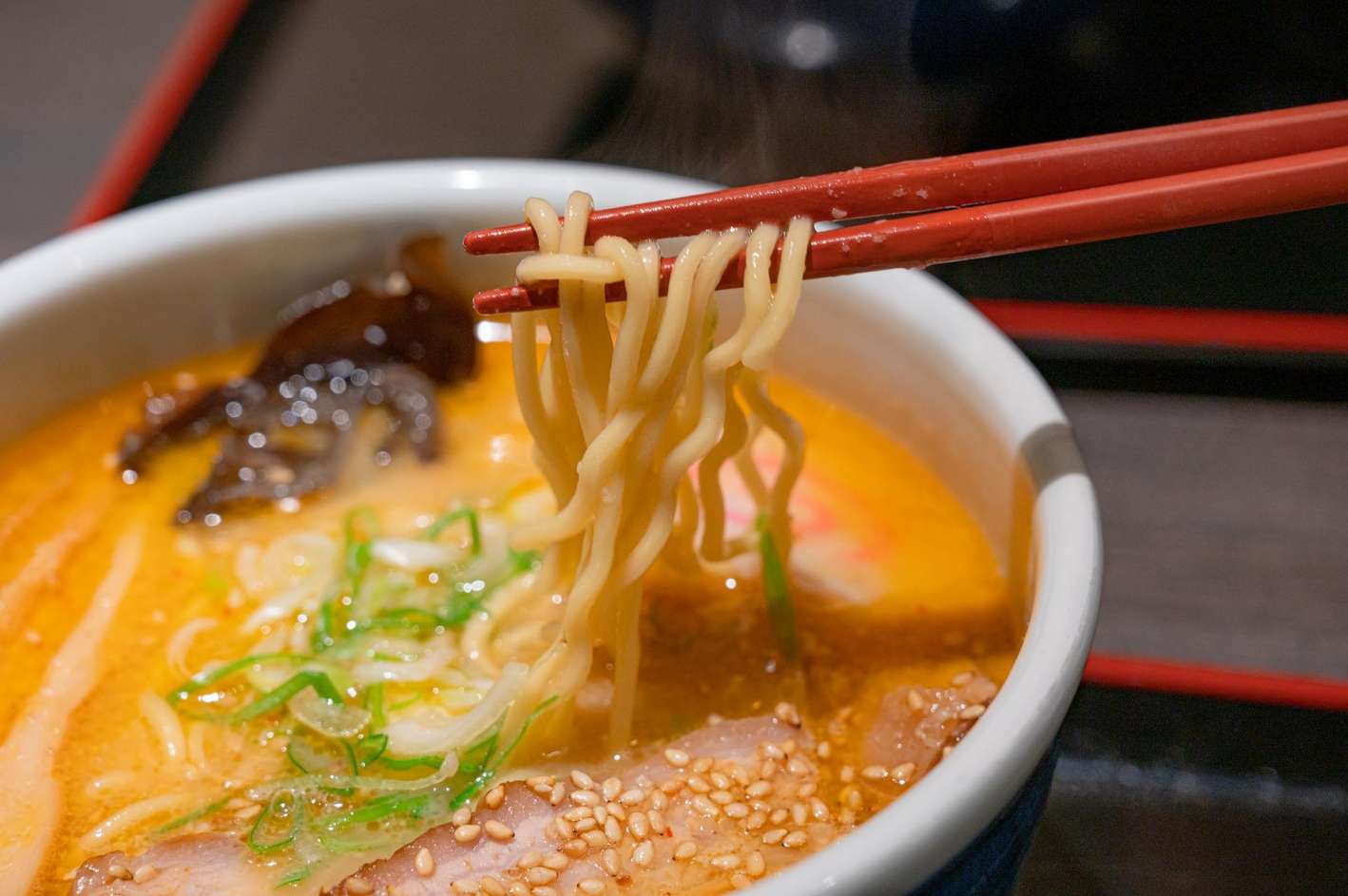
Kobe beef, gyoza, ramen, Akashi-yaki, pork cutlet and sweets
Who it suits
Budget-minded tasters who like meeting people
Travelers who want the guide's own choices and a private pace
Shared 10+-dish tour
Group size
Small mixed group with a local student guide
Route
Higashiyama Market, Chinatown and an izakaya
Dishes
10+ tastings plus two included drinks
Who it suits
Budget-minded tasters who like meeting people
Private food tour
Group size
Just your party with a private local guide
Route
Spots known by Kobe locals, route flexible
Dishes
Kobe beef, gyoza, ramen, Akashi-yaki, pork cutlet and sweets
Who it suits
Travelers who want the guide's own choices and a private pace
Reading reviews is part of picking well. Japanese diners rarely award five stars, so on local platforms like Gurunabi a score of 3.2 to 3.6 signals a genuinely excellent kitchen.
And you do not need the most expensive venue on any list to eat well; a private guide who orders for you is worth more than a premium table you cannot read.
That private walk is the Kobe: Private Food Tour with Local Guide, three hours covering Kobe beef, gyoza, ramen, Akashi-yaki, pork cutlet and sweets with all food at the stops plus one drink included.
Tour for this
Kobe: Private Food Tour with Local Guide3 hours · Hotel pickup · Free cancellation
What tasting Kobe beef costs and why the price is the price
The bill reflects biology. Kobe beef comes only from purebred Tajima cattle raised in Hyogo Prefecture, which take an extra two to four months to raise compared with standard Japanese Black wagyu, and only virgin cows and gelded bulls qualify. The result is under 0.2% of all beef eaten in Japan.
Grading explains the rest. Authentic Kobe beef does not need an A5 badge; it needs a yield score of A or B and a meat quality score of 4 or above.
What it always has is marbling deep enough that a steak-sized portion is a mistake for one person. A dedicated steak meal runs 100 to 150 grams, a tasting course 50 to 70, and platters of 200 grams or more are meant for sharing.
Kobe beef myths, corrected
MythBeer and massage make the beef tender
Reality
The marbling comes from strict Tajima genetics and long, regulated feeding
MythThere must be a cheap full steak somewhere
Reality
Purebred supply and certification rules make a full portion at a bargain price impossible, though lunch sets and small tastings bring the cost down honestly
The value move is the one this page is about: a tasting walk or lunch set delivers the same certified beef in portions the Japanese themselves prefer.
Aim for Sannomiya Station, the hub on the east edge of the food district. From Osaka Station the JR Special Rapid on the Tokaido Main Line runs there direct in 21 minutes, no transfers, and from Kyoto Station the same service takes 52 minutes without changing trains.
Fastest direct connection without changingDirections →
52 minDirect train
Driving loses on every count. The car takes 44 minutes from Osaka Station without traffic, and an hour and a half from Kyoto, before you count the morning crawl into the city or a parking garage. The train is faster from both cities and drops you at the door of the arcades.
One small trap to skip: a route that sends Osaka travelers from Osaka-Umeda on the Hanshin line to Sumiyoshi takes about half an hour and still leaves a walk to the breweries. For a morning start at Sannomiya, the JR Special Rapid is both the simplest and the quickest choice.
Wet weather is the main variable. Between covered arcades a compact umbrella beats a heavy raincoat, which traps clammy heat in muggy air. Slip-on walking shoes with supportive soles dry fast after puddles and slip off easily where traditional venues ask for it.
Gear for walking Kobe arcades in wet weather
Compact folding umbrellaHandles city rain between shopping arcades without adding a clammy layer in heavy humidity.
Quick-dry slip-on walking shoesDries fast after puddle splashes and slips off easily for traditional restaurants with raised floors.
Spare quick-drying socksSwapping out damp socks mid-day resets comfort and keeps feet dry when entering indoor venues.
Waterproof stuff sackIsolates a dripping umbrella and wet outer layers so they do not soak the rest of your day bag.
Moisture-wicking synthetic layersSynthetic or technical knits shed sweat and dry fast, whereas cotton stays damp and heavy in muggy air.
Small hand towelHandy for quickly drying off rain droplets and sweat when transitioning between arcades and air-conditioned shops.
Cash is the other essential. Larger restaurants in Nankinmachi take cards, but walk-and-eat stalls along the narrow streets are overwhelmingly cash-only, and many smaller counters accept no digital payment at all.
Etiquette keeps you welcome. Japanese manners frown on eating while walking through the arcades, so step aside, use a bench or stall ledge, or finish right in front of the vendor.
Hand skewers and wrappers back to the shop on the spot; trash cans cluster near Nankinmachi Square and along the Motomachi arcade walkways.
And unless you are booking an upscale fine-dining counter later, casual attire is perfectly acceptable for a market walk. No Japanese needed either: vendors are used to visitors, and a guide translates both the menu and the context.
Rain rarely stops anything. Walking food tours proceed as scheduled in ordinary rain, and the route itself leans on covered arcades such as the 300-meter Higashiyama market, so a shower just moves the tasting indoors. Summer and early autumn carry the real risk, with the wettest stretch running through June and August.
When plans change, what the terms do for you
If this happens
What happens then
Ordinary rain on the day
The walk proceeds as scheduled, using covered arcades and indoor stops
Official typhoon warning or transit suspension
Operators cancel for safety and give a full refund or the option to reschedule
You change your mind a day ahead
Tours with pre-purchased beef sets allow cancellation up to 24 hours in advance for a full refund
A scheduled stall is unavailable
The shared walk may substitute a comparable tasting, and if you decline the change you can reschedule or take a full refund
Refundable a day out and dry under the arcades, this is a booking to make early, ahead of the season, with nothing to gamble on.
Vegetarians and vegans need a different plan, said plainly: the food walks on this page cannot swap out the meat. The shared 10-dish tour states it cannot care for gluten-free, vegan or vegetarian diets, and a certified Kobe beef lunch tour cannot change its meal either.
For a mixed table, yakiniku and specialized venues in Kobe offer plant-based set options alongside beef, which lets a vegetarian companion eat well while the rest of the party orders the steak.
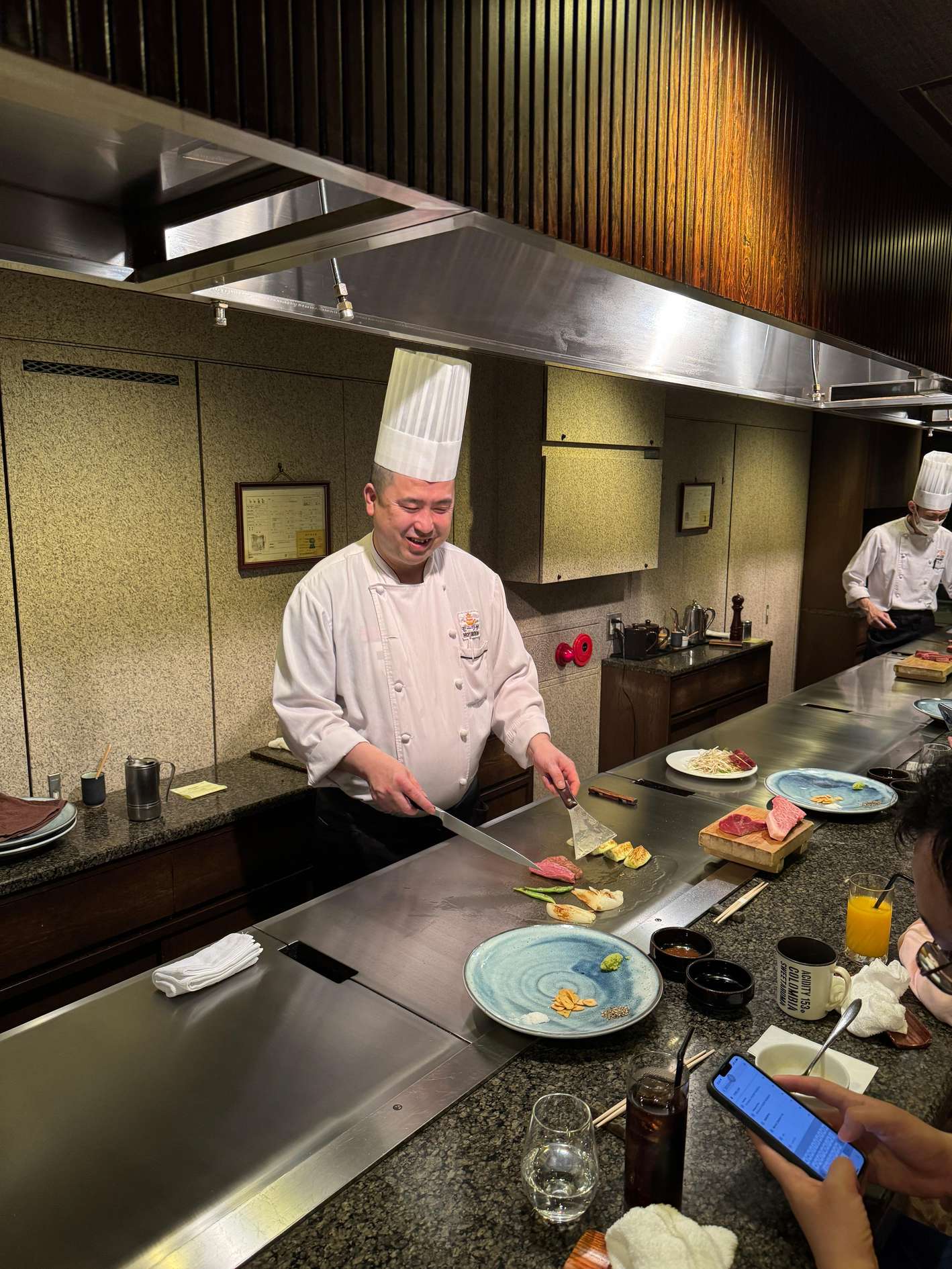
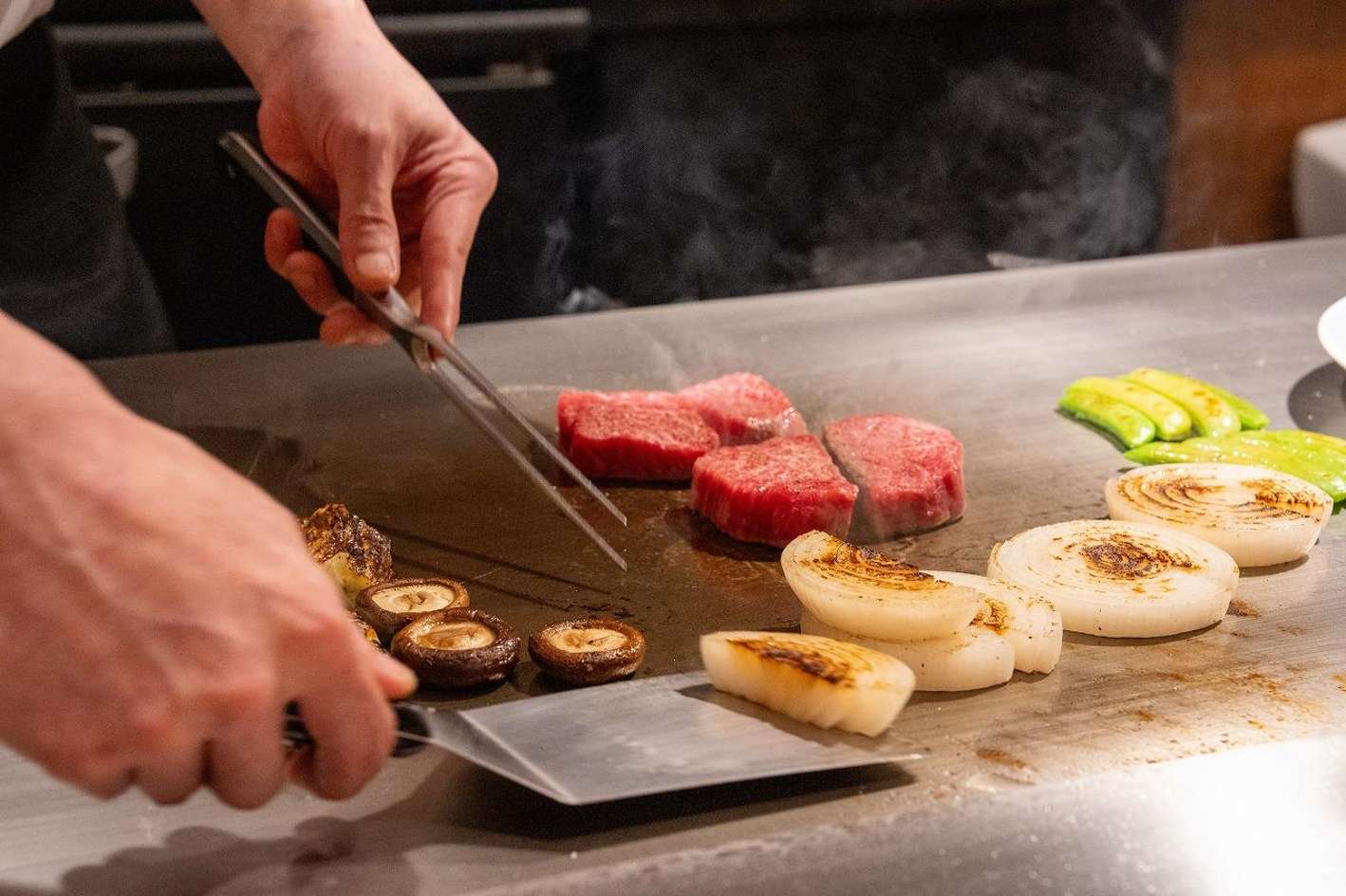
Halal travelers have a clear path. Kobe Beef Steak Sakura in Sannomiya serves only halal-certified Kobe and Kuroge wagyu, with halal-only tableware, utensils and grills. Teppanyaki Steak Misono's Kobe main store serves a halal course with dedicated utensils, though the restaurant itself is not certified.
Allergies deserve the same directness. Some teppanyaki kitchens refuse entry to guests with severe symptoms because everything is cooked in one kitchen, and even kitchens that try cannot guarantee the removal of trace allergens. State allergies and diets at booking, so a kitchen that cannot help says so before you travel.
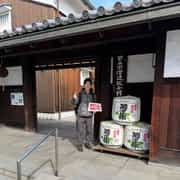
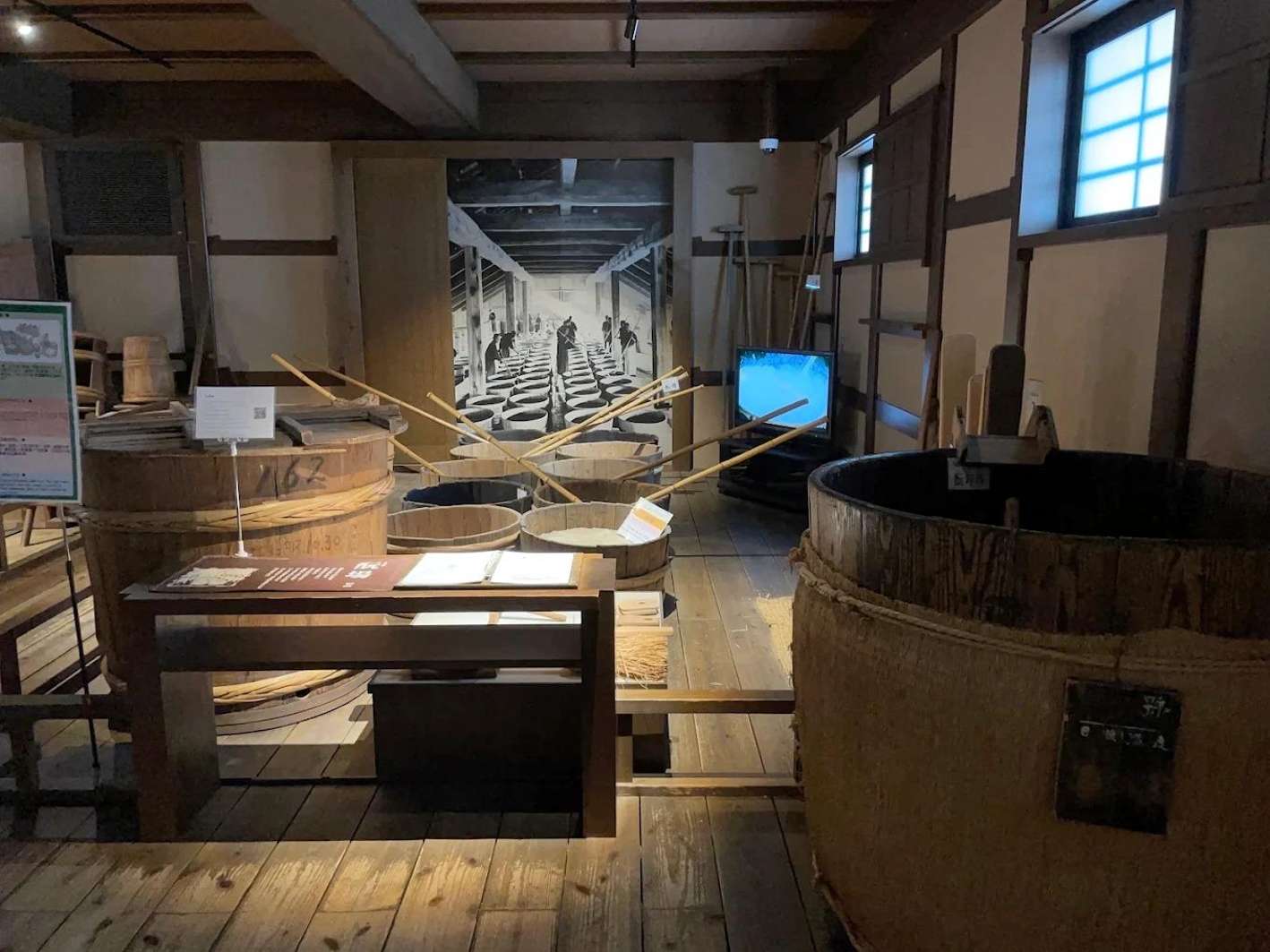
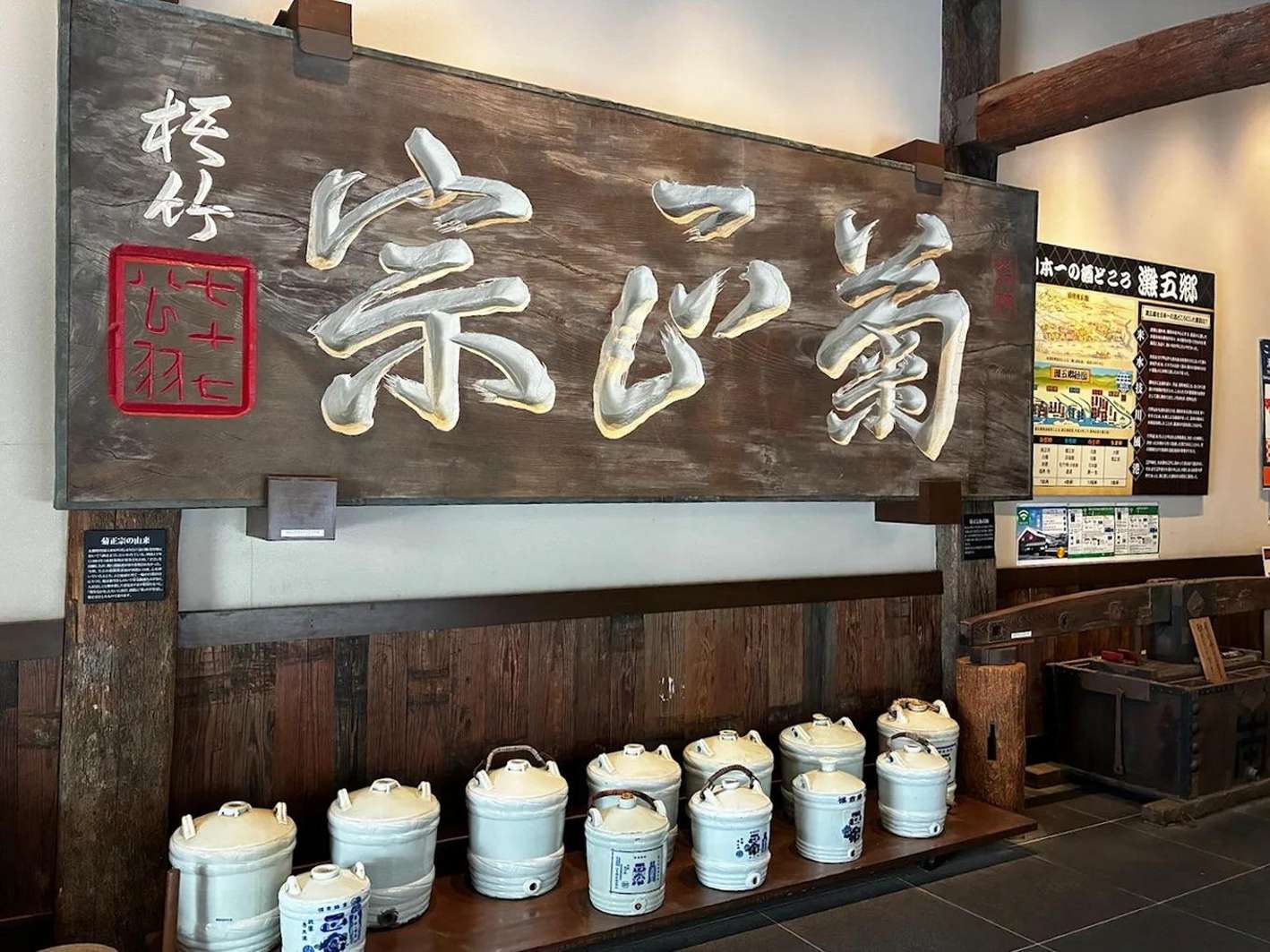
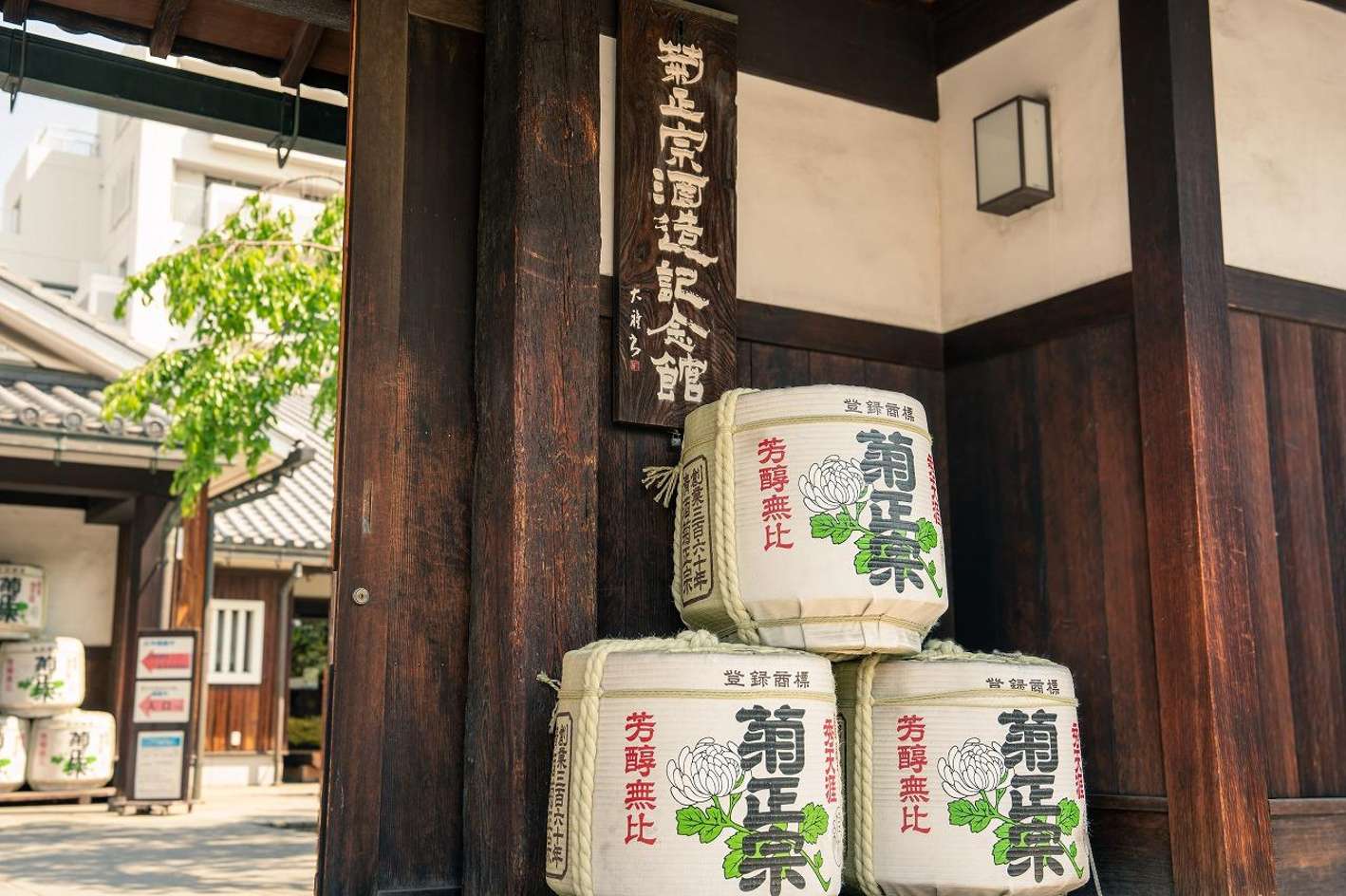
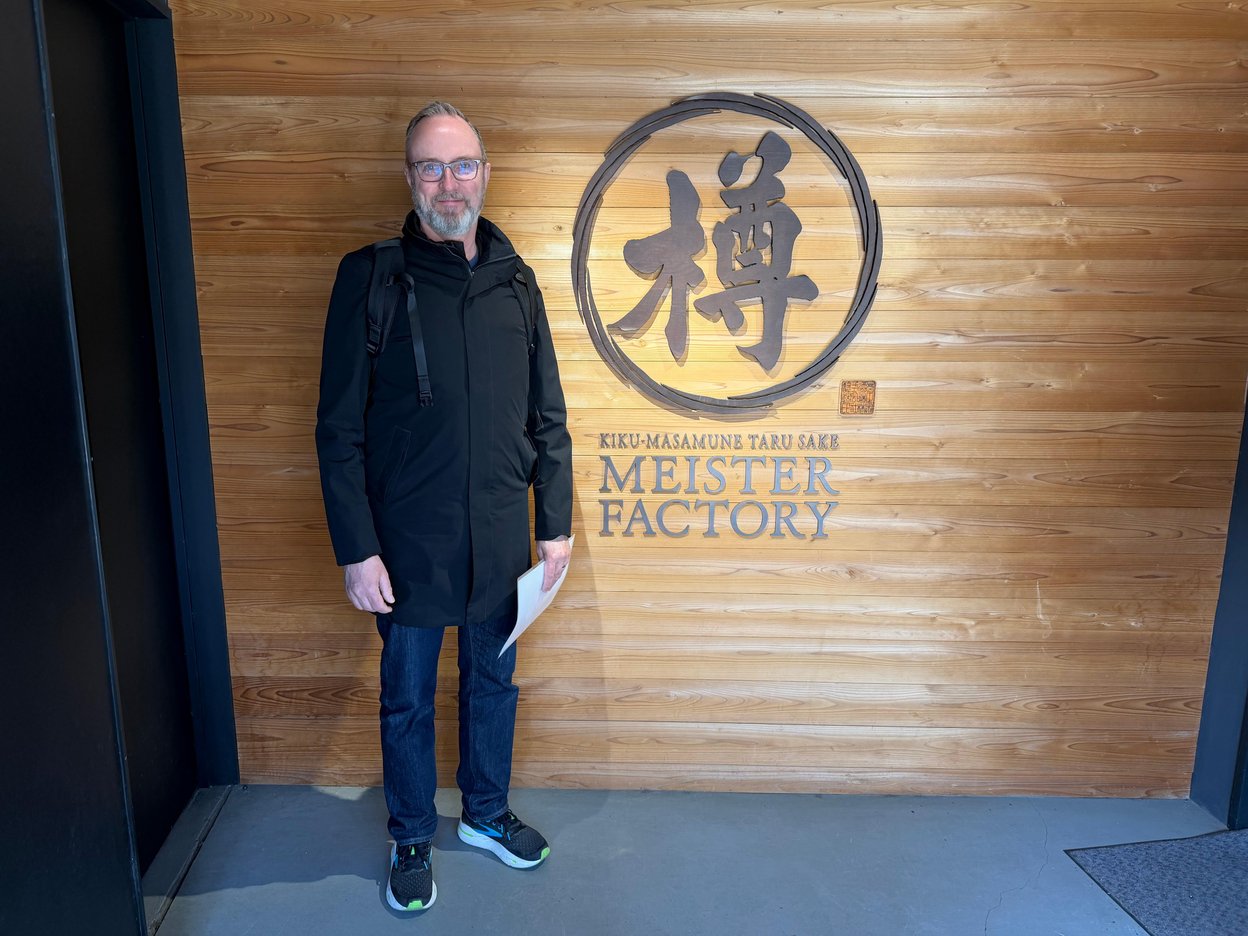
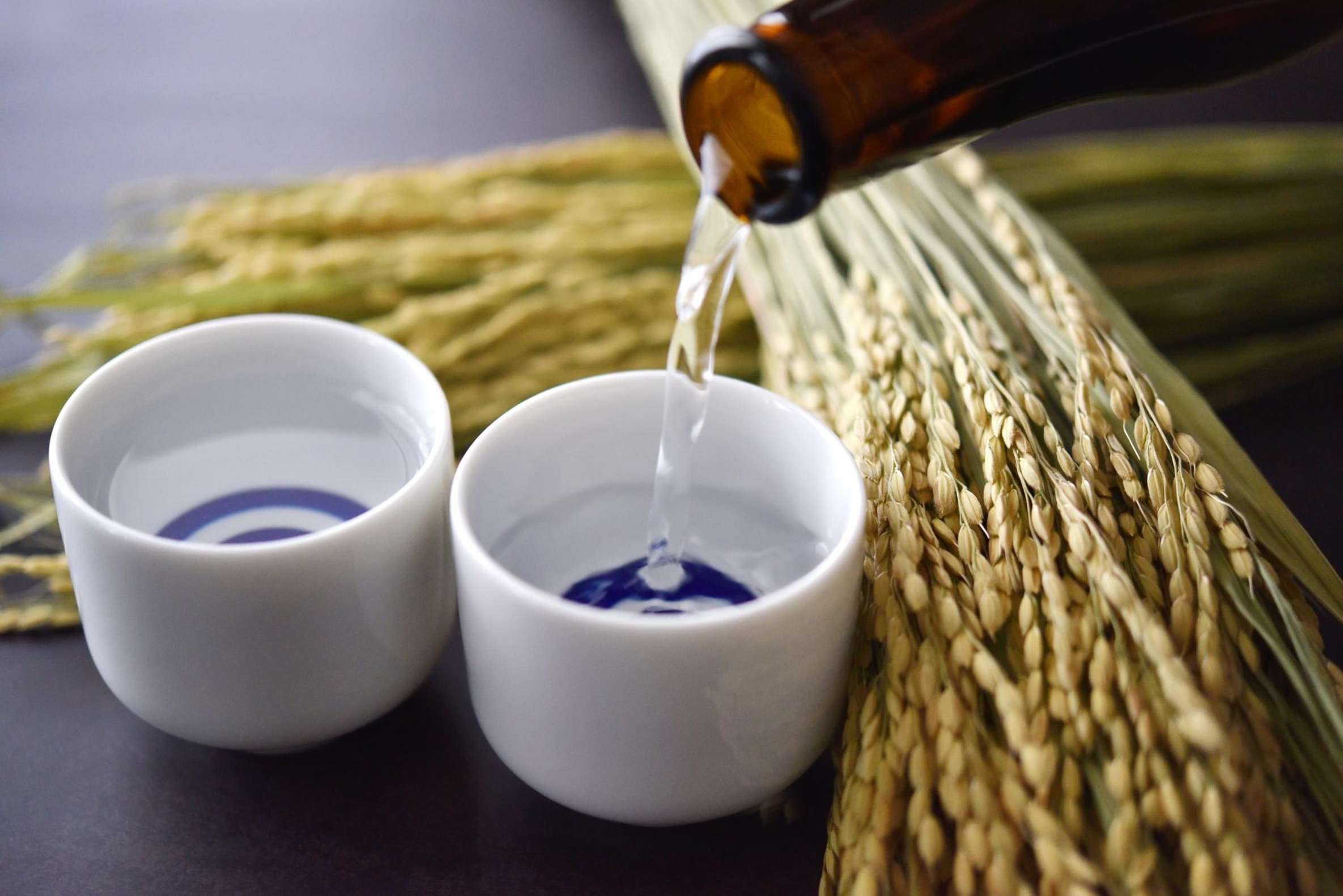
Nada, Japan's great sake district, sits a few train stops east of the food walk and turns a morning into a full day. From Sannomiya the local Hanshin line reaches the brewery stations in minutes; direct trains from Osaka reach the same stations in 20 to 35 minutes with a short walk.
Timing changes what you see. Between October and March the winter brewing season fills the working kura with the aroma of fermenting mash and warm rice, and from December fresh green cedar balls hang at brewery entrances to announce newly pressed batches, the season for unpasteurized raw sake.
In summer, brewing halts and visits stick to museum exhibits.
Two rules shape the afternoon. Sake tastings at the brewery museums go only to visitors aged 20 and over, the legal drinking age in Japan, and younger guests receive a non-alcoholic treat. And Japan enforces zero tolerance for drinking and driving, which covers bicycles too.
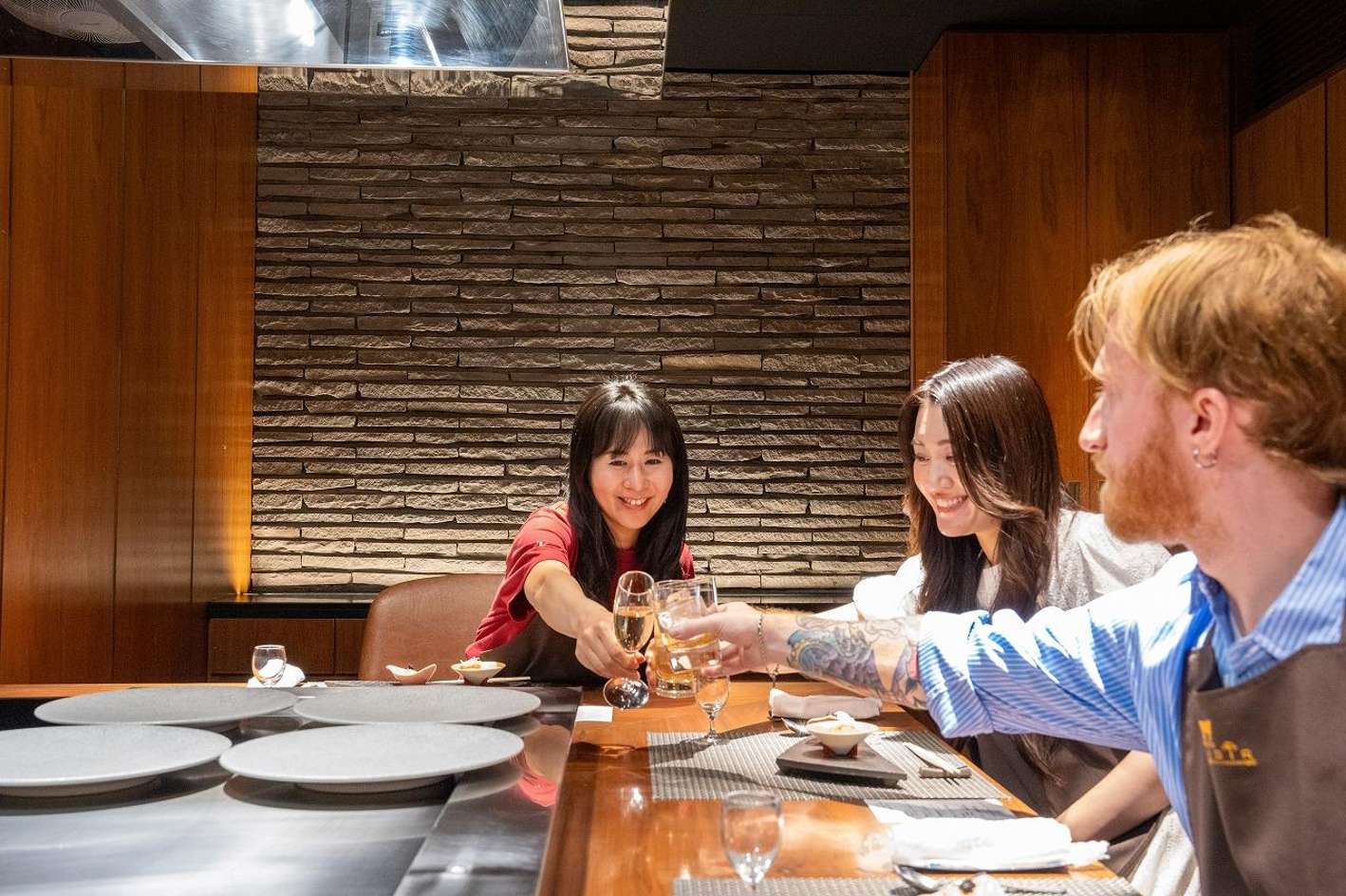
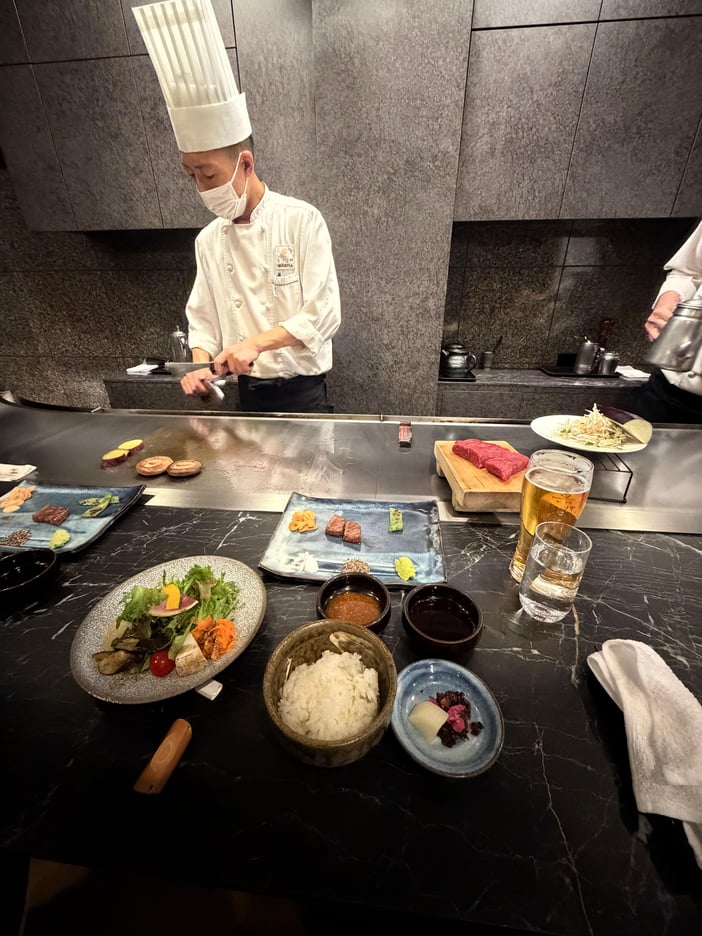
The tour built for this pairing is the Kobe: Premium Kobe Beef & Sake Tasting Culinary Experience, four hours combining a teppanyaki Kobe beef counter seat, six sake tastings at Kiku-Masamune, barrel-making demonstrations and Ikuta Shrine, with a souvenir sake cup to carry home.
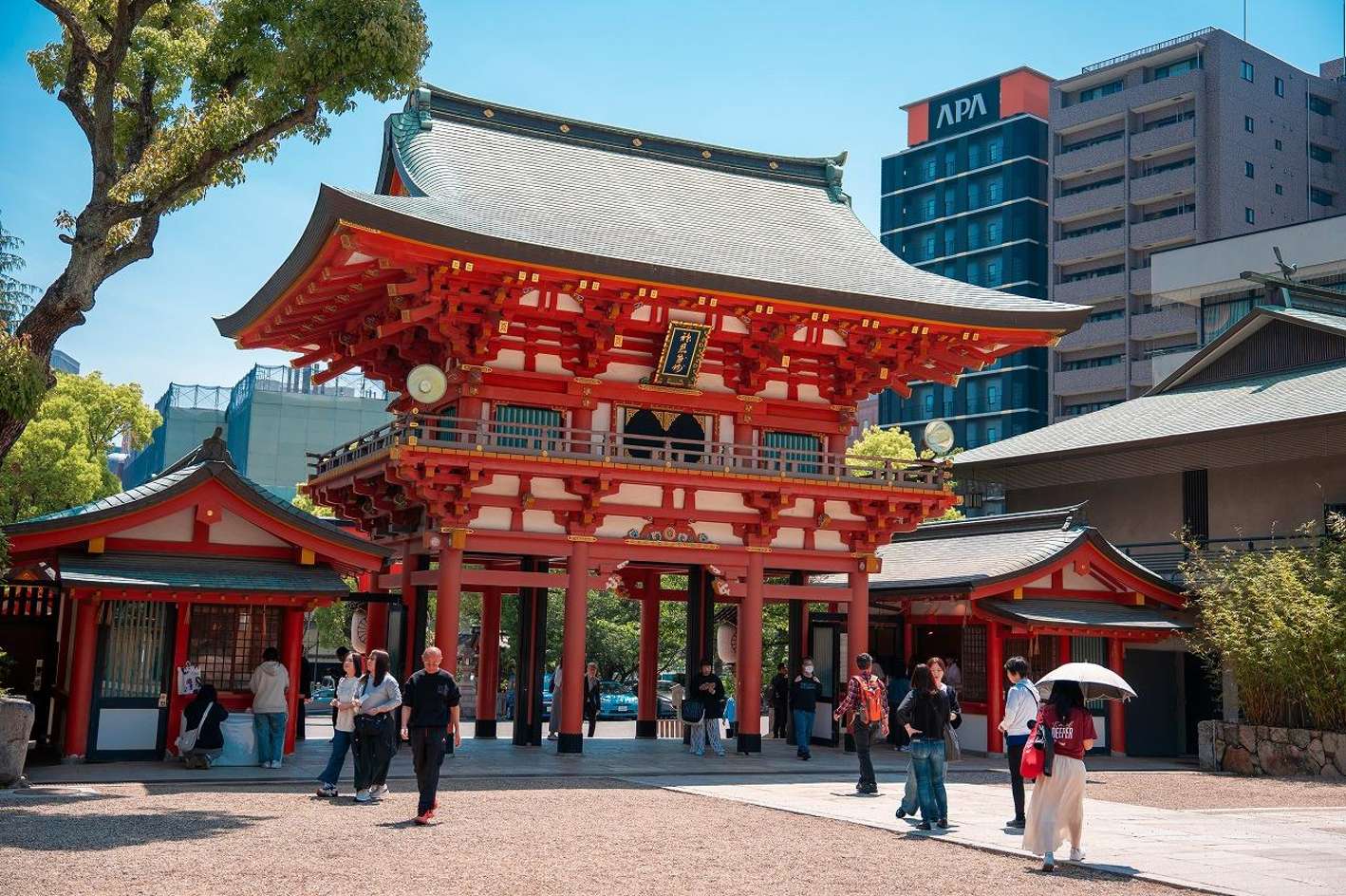
The walk finishes with the city already underfoot. Ikuta Shrine, one of Japan's oldest, waits about ten minutes north of Sannomiya. South of Motomachi, the Former Foreign Settlement and Kobe City Museum sit within a few minutes of the arcades you just walked.
Sights and harbor viewpoints near Motomachi and Sannomiya
The waterfront is the afternoon's easy finish. Meriken Park and Kobe Port Tower lie about a 17- to 22-minute walk south of Motomachi, a mile and a half of flat harborfront, with the BE KOBE monument, the Maritime Museum and views across to Kobe Harborland along the way.
The closer timings on the list count the walk from points north, so the total depends on where your walk ends.
Keep grazing on the move. Moriya Shoten, a century-old butcher shop in Motomachi, fries around two thousand beef croquettes a day, more than three thousand when it is busy, and quality butcher counters sell deep-fried wagyu menchi katsu patties for pocket change.
Eat them standing at the counter, the way the neighborhood does, then hand the paper back.
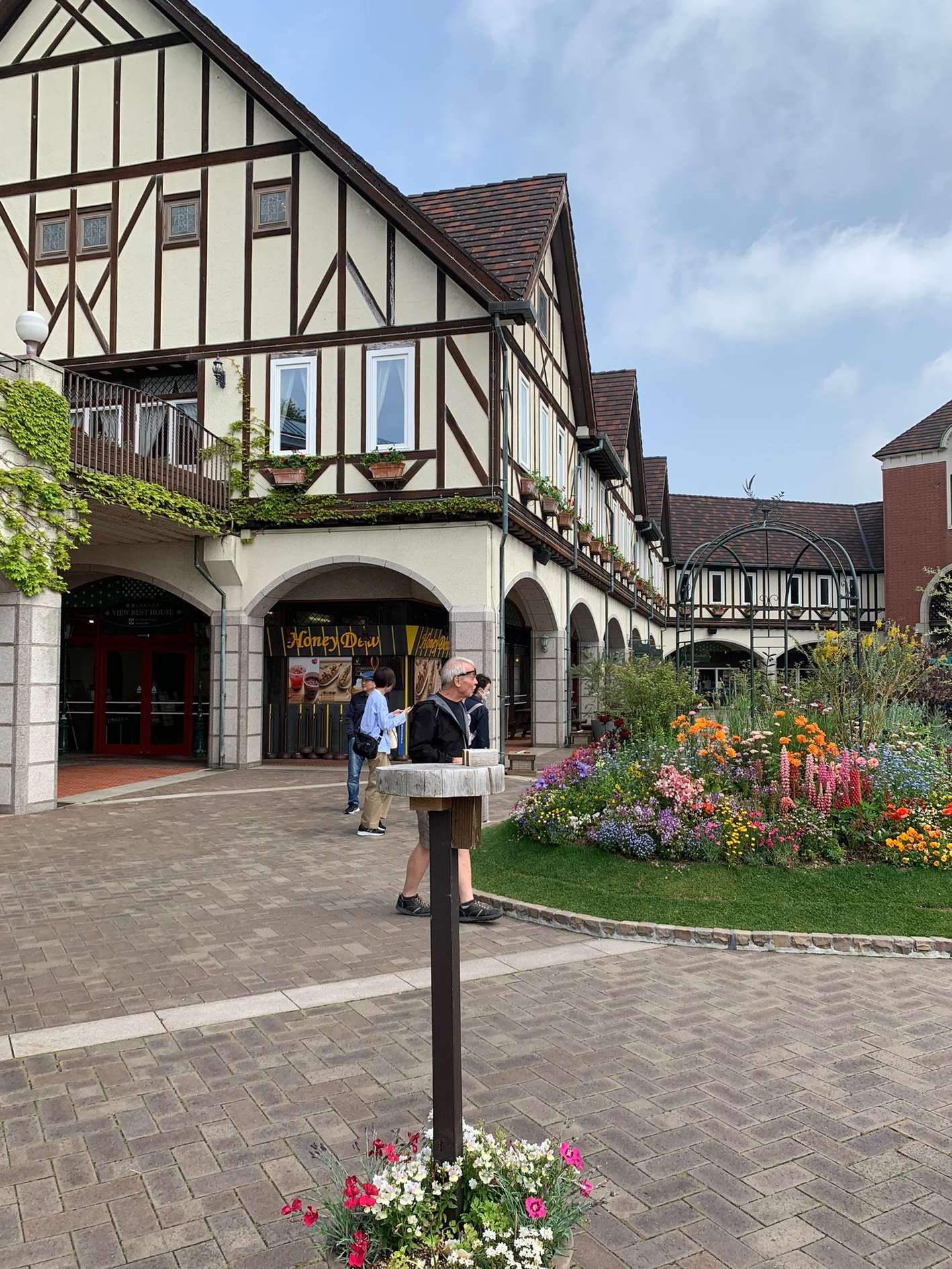
If herb gardens and hillside views appeal after all that meat, Nunobiki Herb Garden rises above the city, an 18-minute drive when the day needs one last view.
More to book around Kobe
Live dates and prices
Worth it, at noon, with cash
Kobe beef is the real thing, and small tastings are the best way to meet it. Book a midday walk on any day but Wednesday, bring cash, and let a local guide handle the ordering and the checking.
Go ifYou want real Kobe beef without a steakhouse bill or a formal multi-course dinnerYou would rather graze ten small dishes through markets and Chinatown than sit through one plateYou want a guide who handles the Japanese, the ordering and the beef verification
Skip ifYour group is vegetarian or vegan; the food walks cannot swap the meatYou have a severe allergy that a shared market kitchen cannot guarantee againstYou want a full teppanyaki steak course at a counter, with formal multi-course service
Our pick to book
Kobe Kobe Food Tour: 10+dishes with Kobe Beef5.0★ (1) · 3 hours · Hotel pickup · Free cancellation
Short answers to the questions people ask before booking a tasting walk through Kobe's markets and Chinatown.
Kobe2026
Chinatown smells of steamed pork buns by late morning, and the Kobe beef skewer is worth every yen. Bring cash and eat each snack where you bought it.
Do I need to speak Japanese on a market food tour in Kobe?
No. An English-speaking guide translates the tastes and the context at each stop, and most stallholders are used to travelers who point and smile.
Can a Kobe food tour accommodate vegetarians or vegans?
The food tours on this page cannot substitute plant-based dishes for the beef, so strict vegetarians and vegans should pick a different activity. A workaround if you travel with a vegetarian: yakiniku and some specialized venues in Kobe serve plant-based set options alongside the meat.
Do I need cash for the markets and Chinatown stalls?
Bring yen. Walk-and-eat stalls in Nankinmachi are overwhelmingly cash-only, and many smaller market counters do not take cards. The tour price covers your tastings, so the cash is for extras.
How do I know the beef on the street is real Kobe beef?
Certified vendors display a small bronze statuette of a Tajima cow and a registration certificate at their storefront. Genuine cuts carry the chrysanthemum stamp and a 10-digit ID number you can check in the official Tajima traceability system online.
Is a lunchtime tasting tour better than an evening food walk?
For stall variety, yes. Street stalls in Nankinmachi and covered markets like Higashiyama open around 10 am and hit peak selection through mid-afternoon. Most snack stalls pack up or sell out between 6 pm and 7 pm, after which the neighborhood belongs to sit-down restaurants.
What street foods will I taste besides the beef?
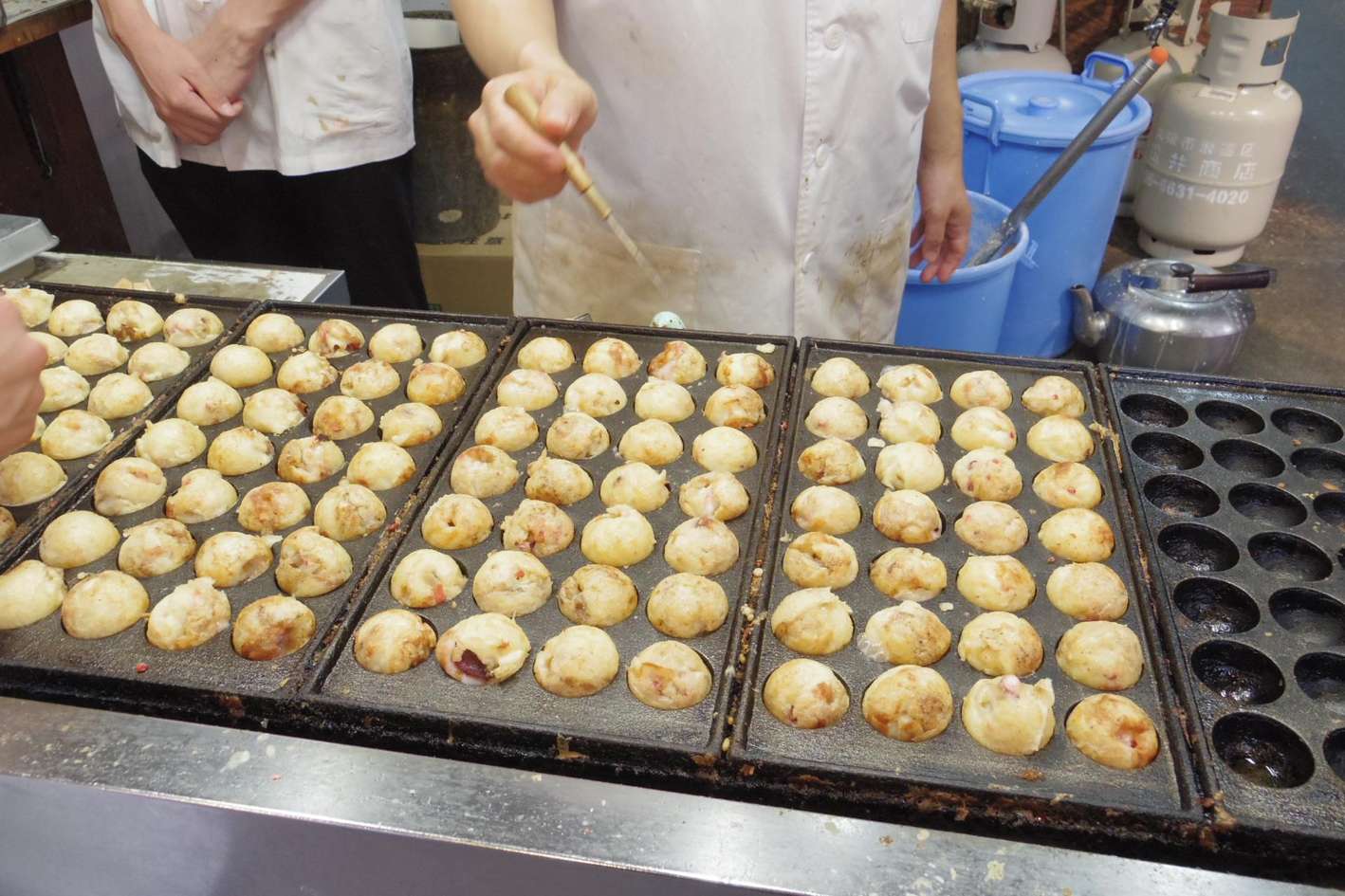
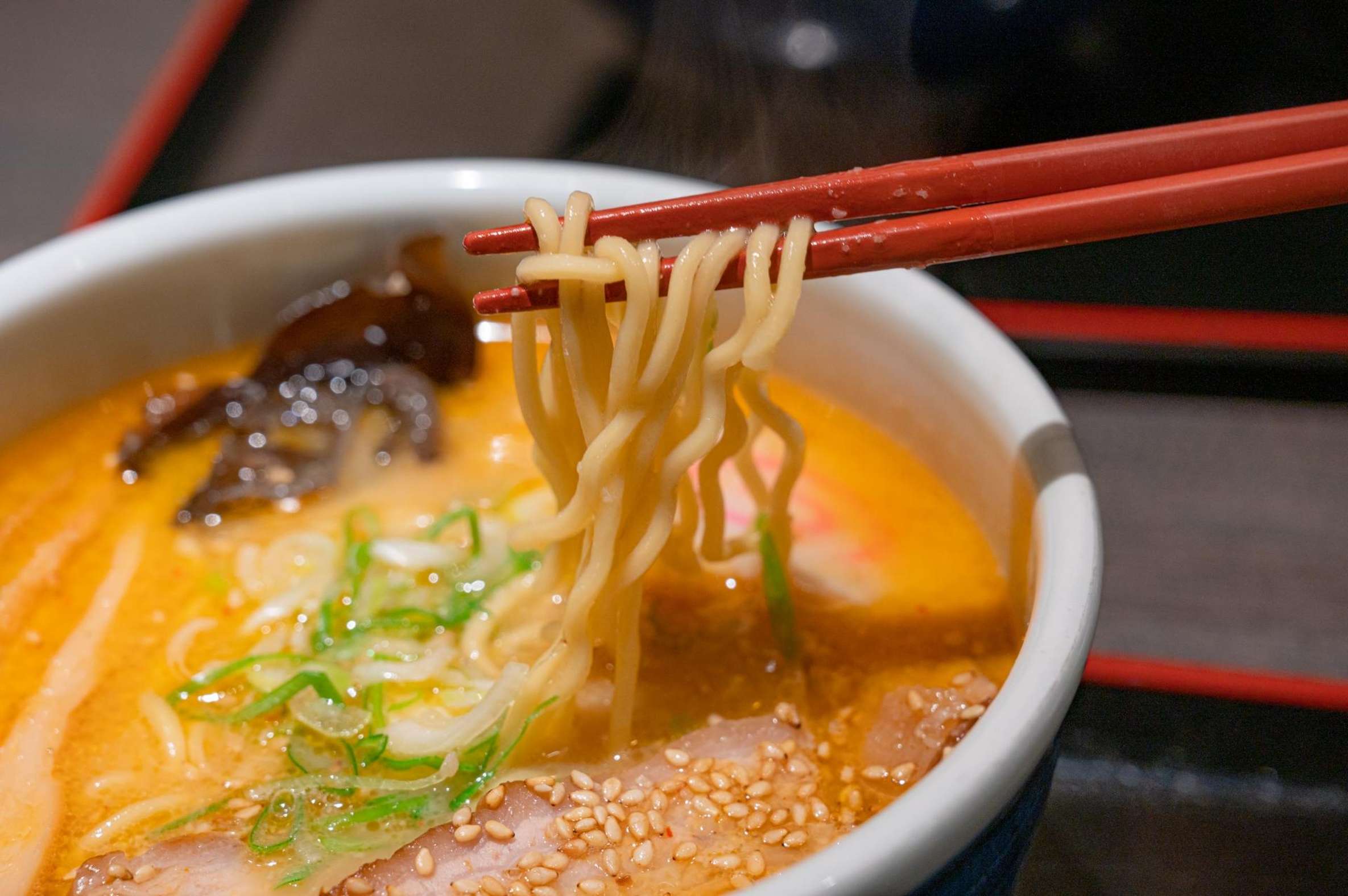
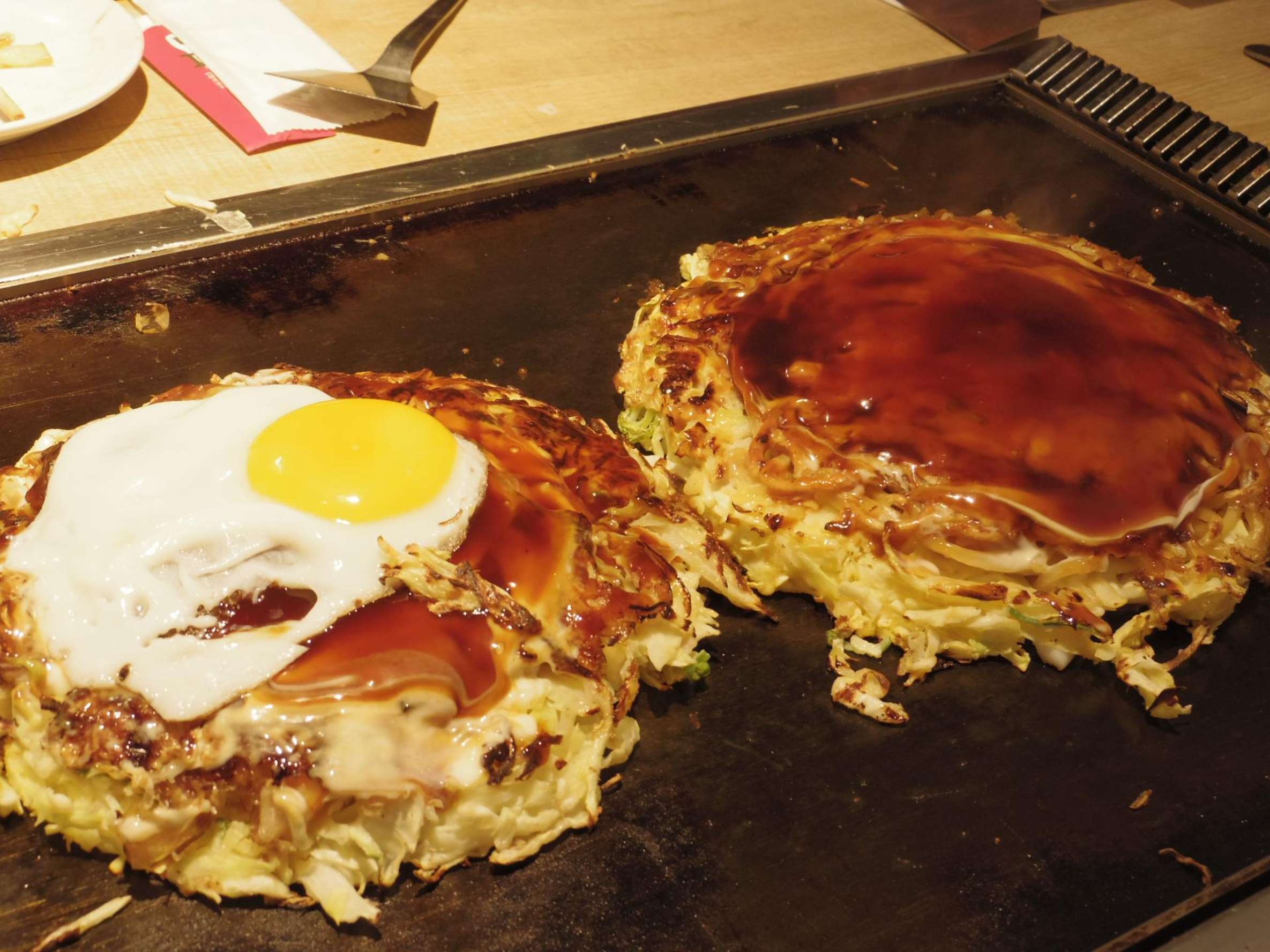
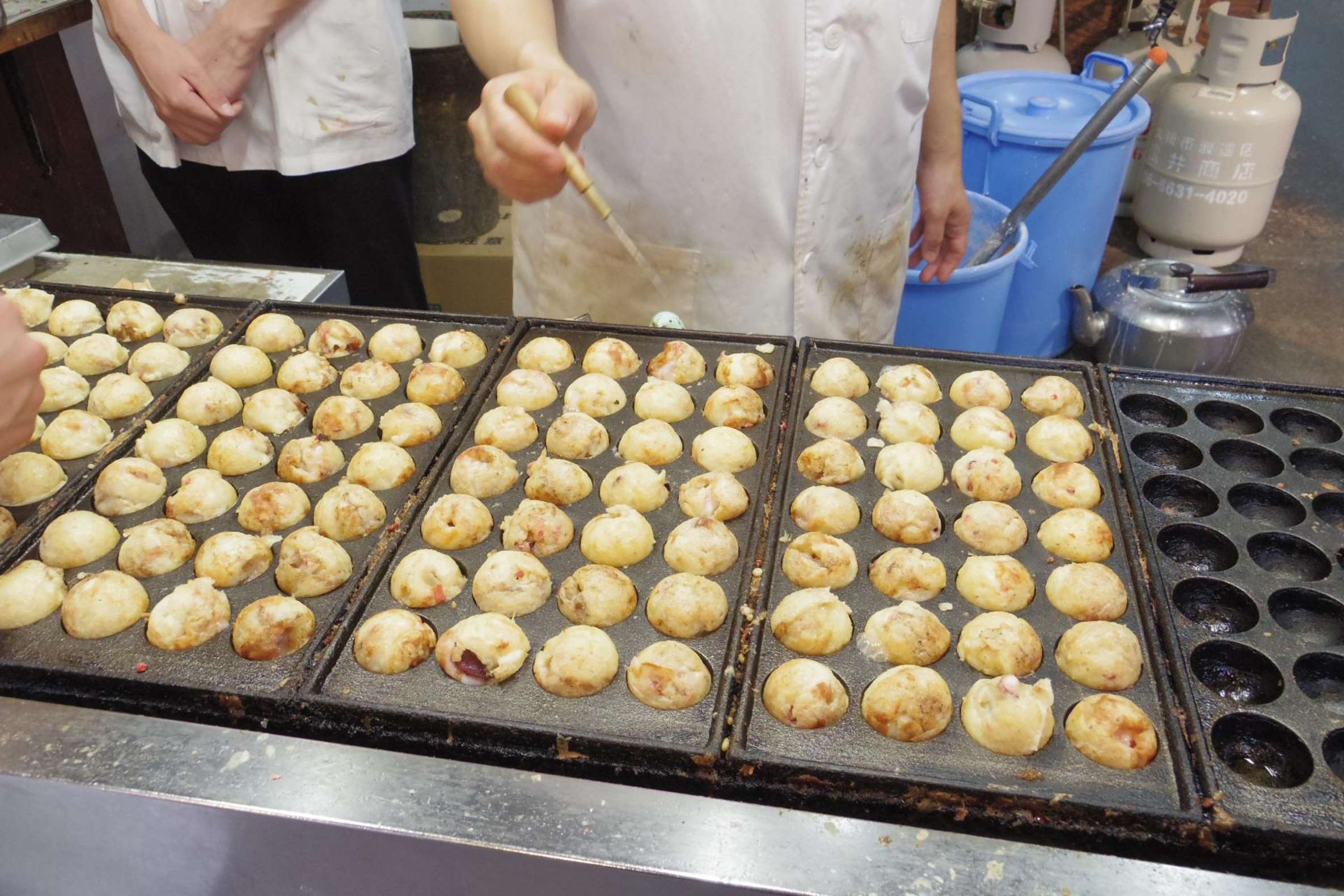
Expect steamed pork buns, soup dumplings, Peking duck wraps, and gyoza with miso dipping sauce in Chinatown, plus Akashiyaki, the egg-rich octopus dumplings dipped in dashi, and sobameshi, Kobe's stir-fried mix of rice and yakisoba noodles.
How much walking does a Sannomiya and Nankinmachi food tour involve?
The longest stretch is a 10- to 15-minute walk of about 1.1 km between Sannomiya and Chinatown. After that you move in short, slow loops through flat, paved arcades with virtually no stairs. Standing while you order and eat takes up most of the time, since public seating is scarce.
Is it rude to eat while walking between stalls in Kobe?
In Japanese etiquette it is frowned upon around the market arcades. Finish your snack right in front of the vendor or step onto a bench or stall ledge before moving on. A guide keeps the pace to that rhythm.
Are drinks included on a Kobe street food walking tour?
On the 10-plus dish food tour, two drinks, alcoholic or non-alcoholic, are included along with the tastings at an izakaya, a stall, and Chinatown. The private food tour includes one drink with the food at your stops.
What happens to walking food tours when it rains or a typhoon hits?
Ordinary rain is no problem: the route shifts to covered arcades, and the Higashiyama market alone runs 300 meters under a roof. When an official typhoon warning or transit suspension hits, operators cancel for safety and give a full refund or a reschedule.
How long does a Kobe beef tasting tour take from start to finish?
Most walking tastings run about 3 to 4 hours. The food tour on this page takes 3 hours, and half-day itineraries that add sightseeing stretch from 3.5 to 5.5 hours.
How do I get to Sannomiya for a morning food tour from Osaka or Kyoto?
Take the JR Special Rapid service on the Tokaido Main Line. It runs direct to Sannomiya Station in 21 minutes from Osaka Station and 52 minutes from Kyoto Station, with no transfers.